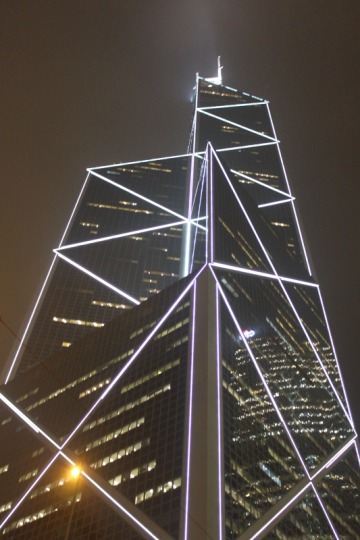
 High rise beauty: Copyright Navjot Singh No other city in the world can quite match with the excitment and the beauty of the nightlife that is portraited by Hong Kong. There is so much happening, everyday, 24 hours a day and 7 days a week. The most happening parts of this Special Administrative Region (SAR) include Tsim Sha Tusi, Jordan, Lan Kawi Fong, Central, Wanchai and (to a lesser extent North Point). I would like to share some photos of nightlife in Hong Kong. Enjoy! 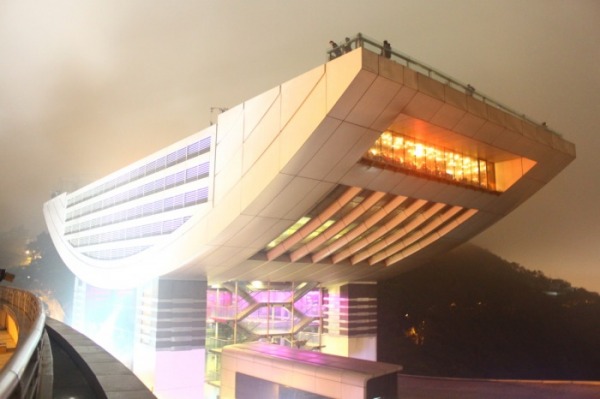 The Peak Tower contains shops, restaurants that offer stunning views of the city and a 3D Cinema: Copyright Navjot Singh 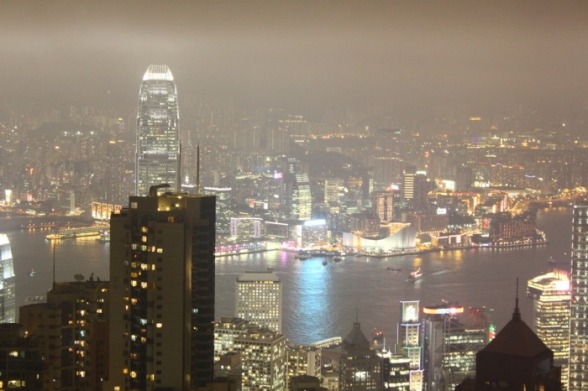 View from the Peak: Copyright Navjot Singh 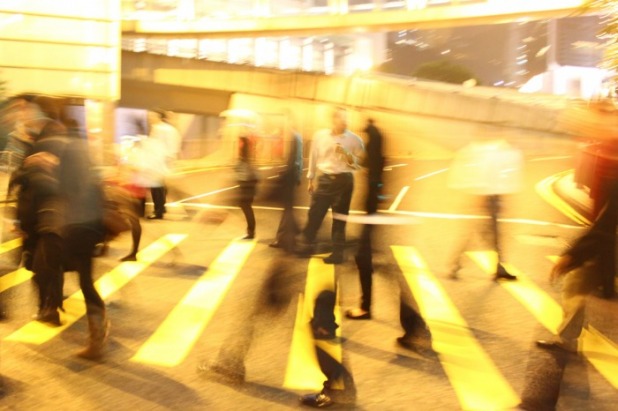 Rush Hour, Hong Kong: Copyright Navjot Singh 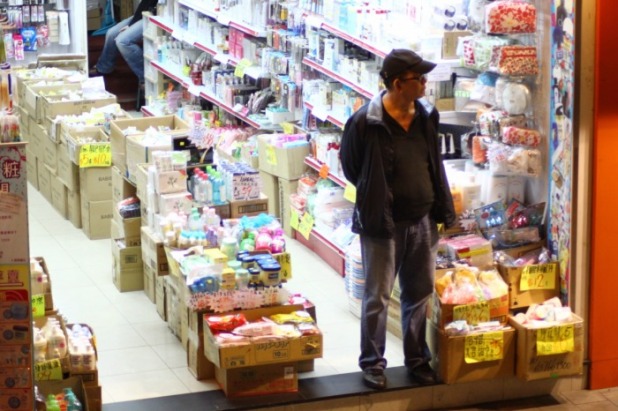 Shops in Kowloon sell just about everything under the sun! Copyright Navjot Singh 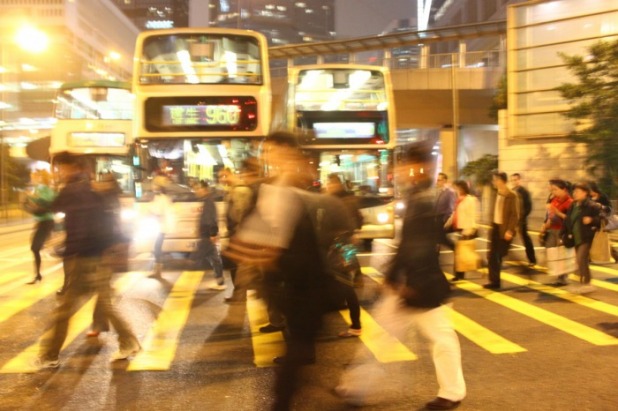 Rush Hour in Hong Kong! Copyright Navjot Singh 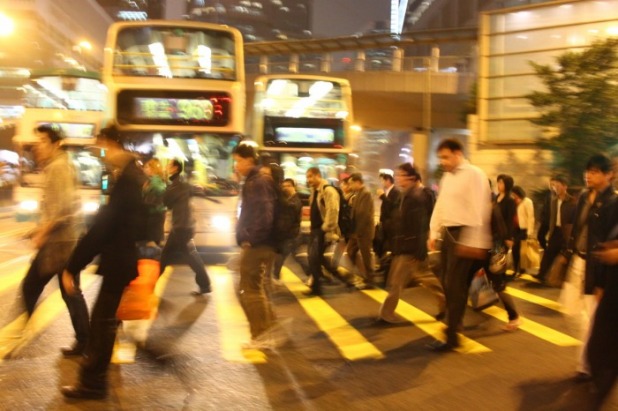 Copyright Navjot Singh 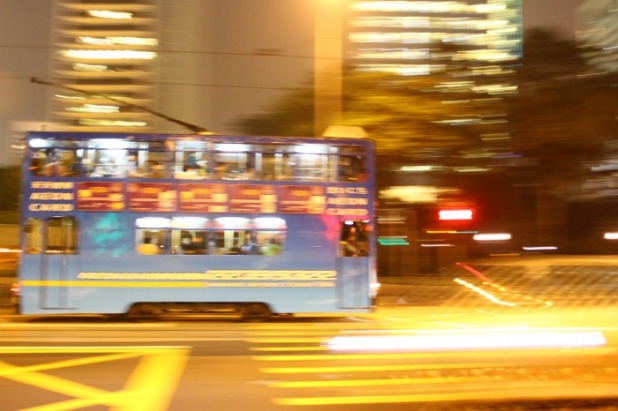 Another colourful tram, while a car zooms past at speed: Copyright Navjot Singh 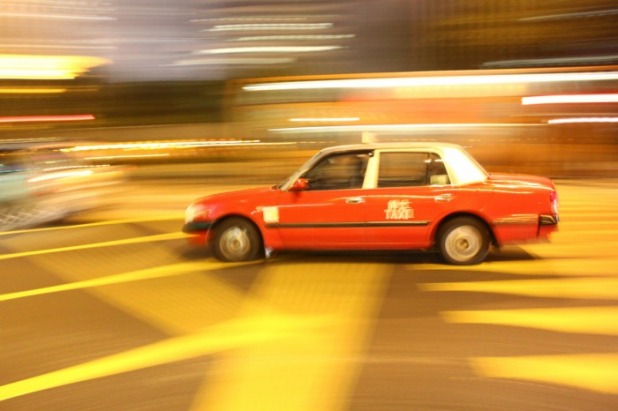 Taxies are available 24 hours day: Copyright Navjot Singh 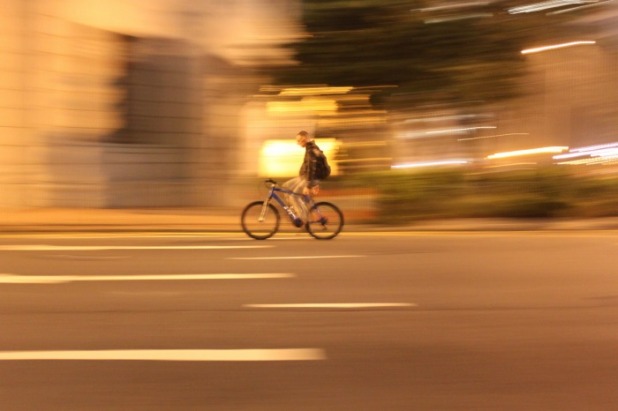 Hong Kong is home to avid bikers too! Copyright Navjot Singh 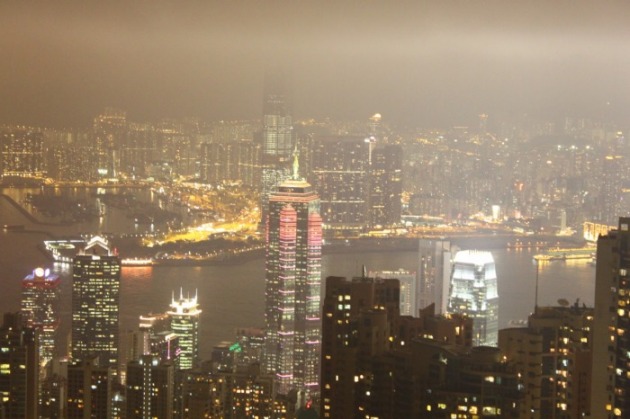 View over Victoria Harbour (RED): Copyright Navjot Singh 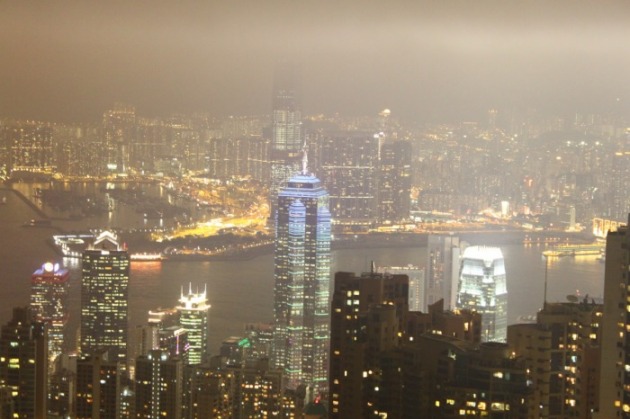 View of Victoria Harbour (BLUE): Copyright Navjot Singh 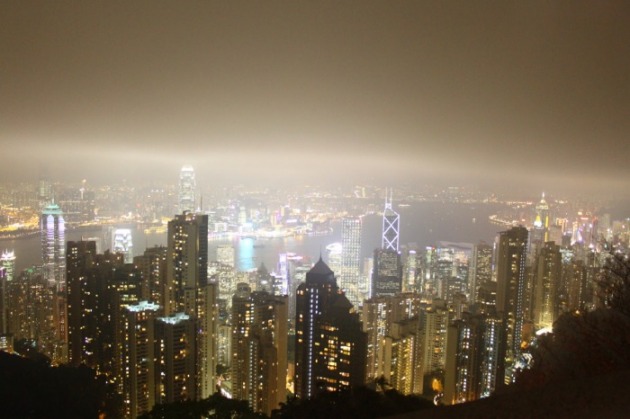 Quite possibly the best night time view in the world: Copyright Navjot Singh 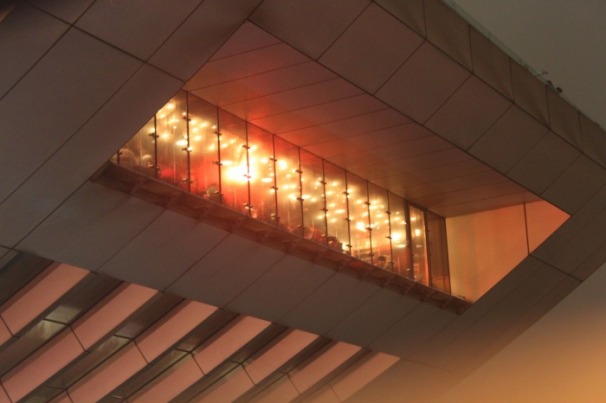 The peak tower with it's skyview restaurant: Copyright Navjot Singh 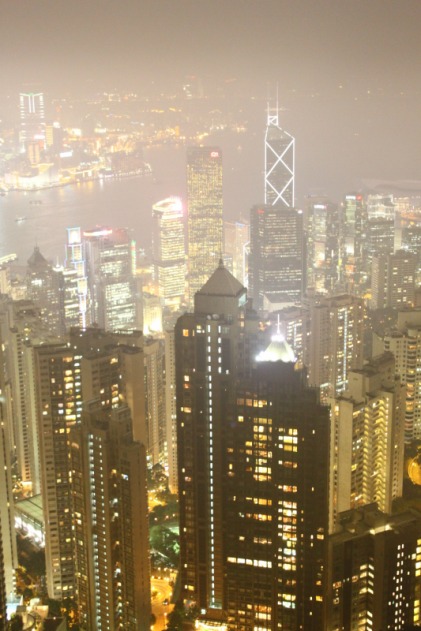 Expensive property at the Peak: Copyright Navjot Singh 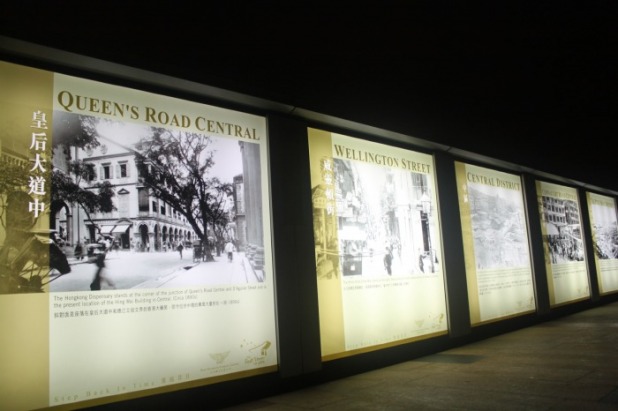 History of Hong Kong at the Peak: Copyright Navjot Singh 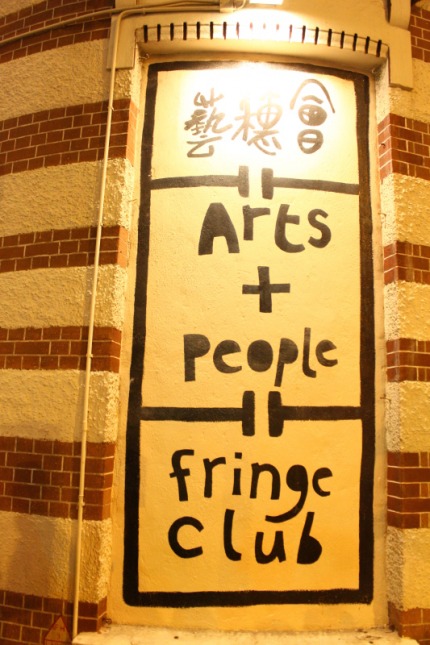 The ever popular Fringe Club: Copyright Navjot Singh 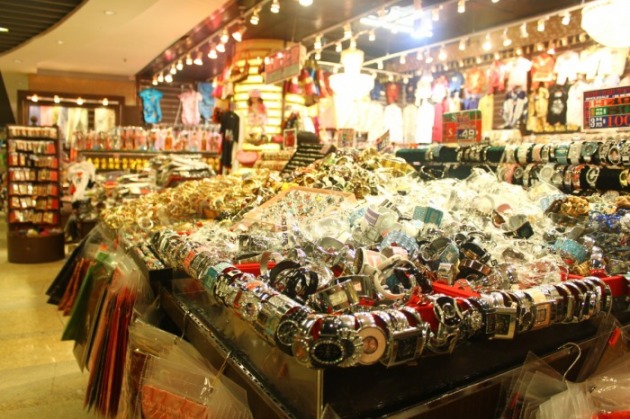 Night Bazaar in Kowloon: Copyright Navjot Singh 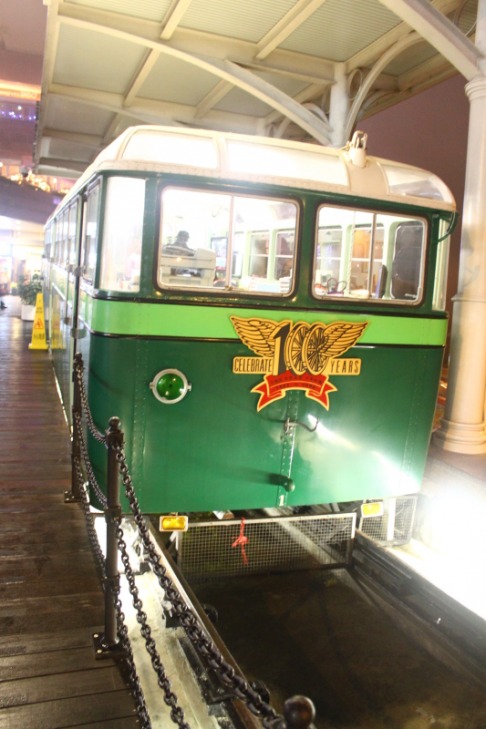 The famous Peak Tram: Copyright Navjot Singh 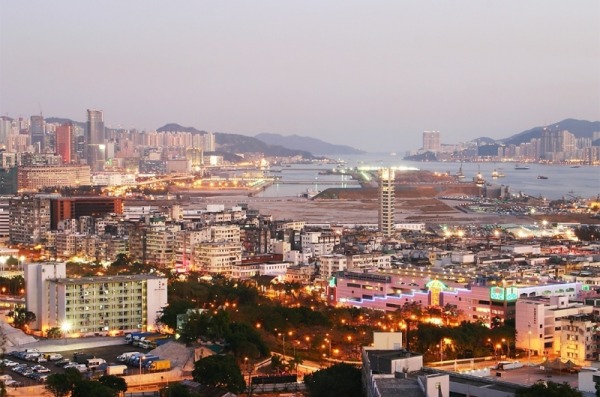 Kowloon City, with the old airport (Kai Tak) visible in the background: Copyright Navjot Singh 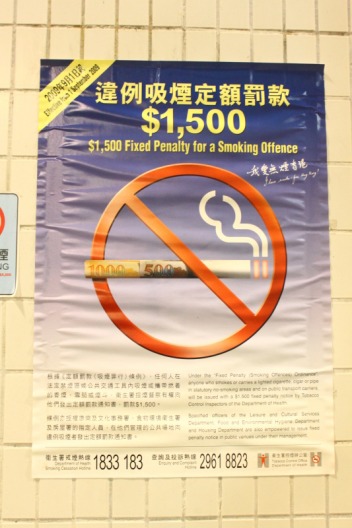 After Singapore, Hong Kong is probably the cleanest city in Asia: Copyright Navjot Singh 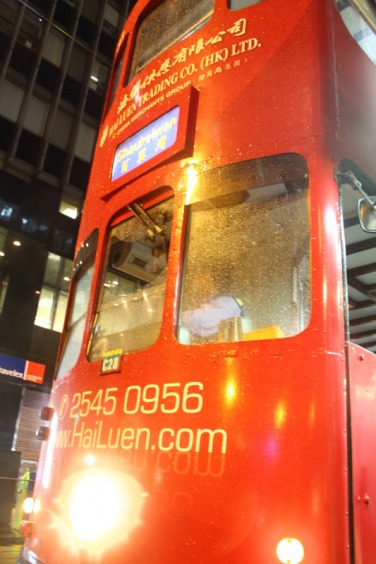 The trademark Hong Kong Tram Copyright Navjot Singh 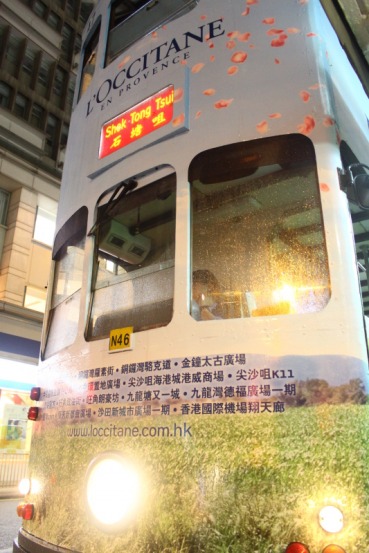 Another Tram on the way: Copyright Navjot Singh 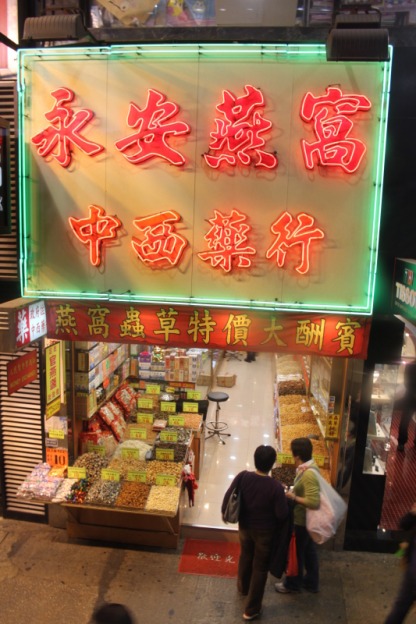 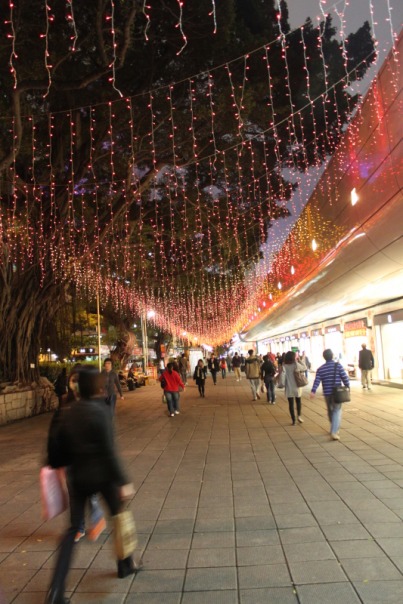 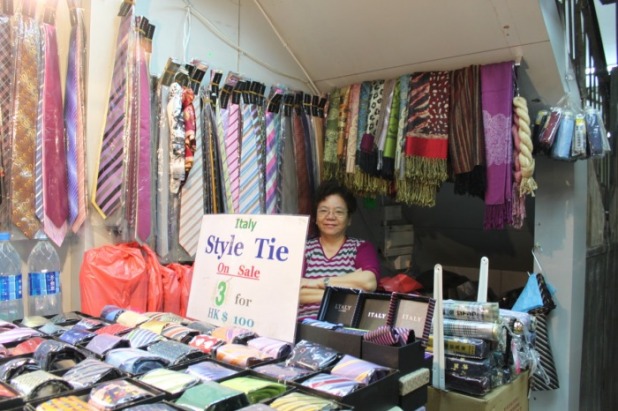 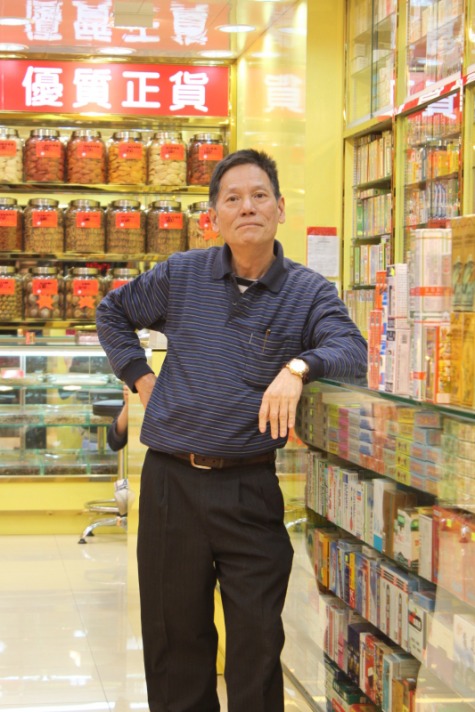 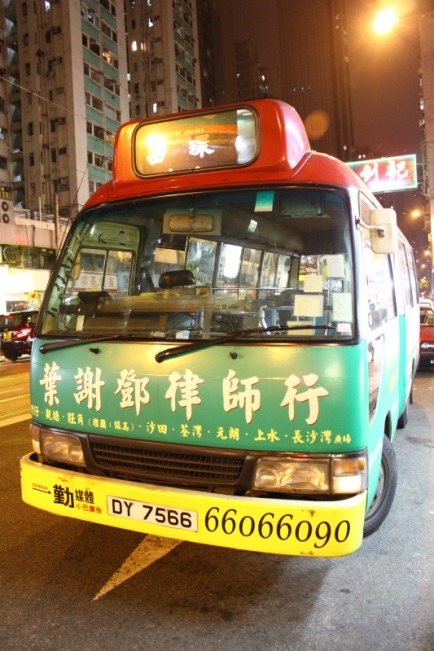 The Hong Kong minibus is used extensively around the city: Copyright Navjot Singh 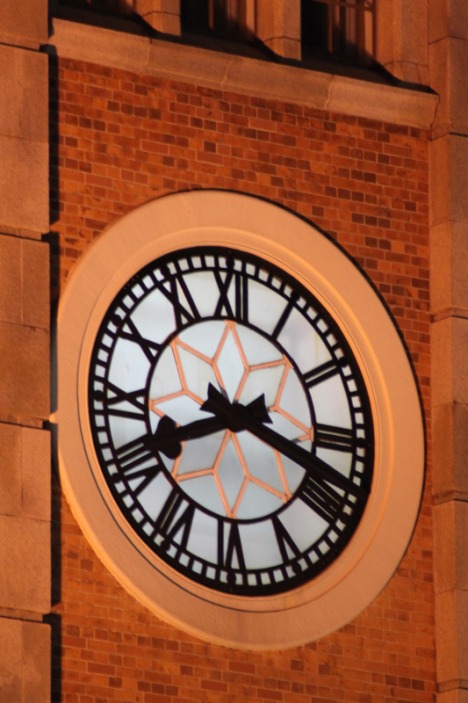 The famous clock in Tsim Sha Tsui: Copyright Navjot Singh 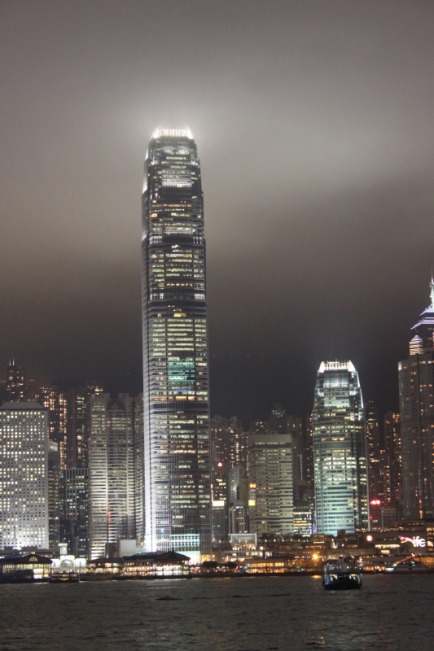 2 IFC Tower, Hong Kong: Copyright Navjot Singh 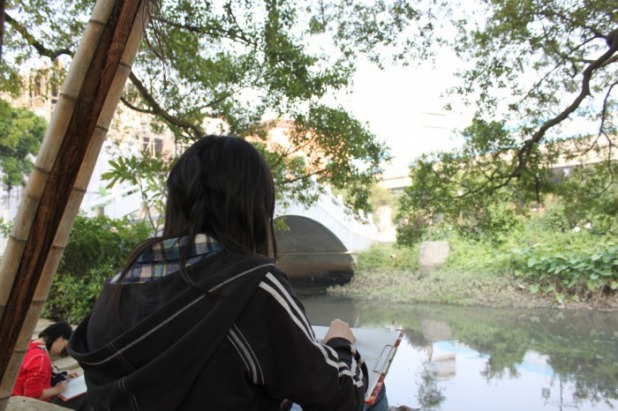 Artists in Xiaozhou Village: Copyright Navjot Singh I had heard about Xiaozhou, a small village on the outskirts of Guangzhou city in Southern China, as being a popular re-treat for artists and poets. I was told that its quite, beautiful and clean. However, I am sorry to say, but I was rather disappointed when I finally got there. It was quite and beautiful- but certainly not clean (especially the river which seems never to have been cleaned- and gives off a horrible stench). The tourist map in my Hotel (The China Hotel by Marriott in Guangzhou) recommends its guests to visit this village, provided they have seen all the other tourist attractions in the city. 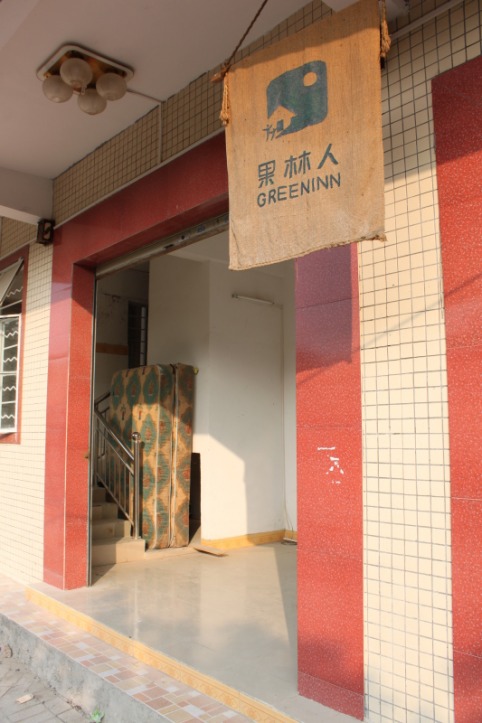 Xiaozhou's only 'hostel' - made for students and artists who want to stay overnight: Copyright Navjot Singh 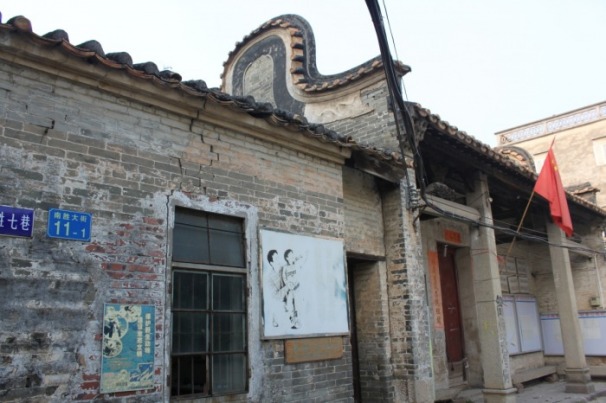 Old Xiaozhou Village: Copyright Navjot Singh Xiaozhou Village features classical Cantonese community landscapes by water, including canals, well-kept ancient buildings, bridges and local folkways. The only major disappointment with Xiaozhou is that the river is not clean and gives off a horrible stench. So if someone comes to Xiaozhou in search of a beautiful river, they will be let down. Other than this, it is worth visiting. Don’t get me wrong- Xiaozhou Village is not a museum, or an official tourist attraction, but people actually live there. Most of the residents are elderly folk who have maintained their ways of living for centuries. It’s almost as if time has stopped in Xiaozhou. While the rest of Guangzhou has moved on at a rapid pace, life in Xiaozhou is slow, and has a somewhat routine to it. Xiaozhou is a small and close-knit community. Everyone knows each other, and gossip travels fast amongst the old folk. Being a small and quite village also means that you can hear people arguing or shouting in another part of the neighbourhood. For example you may be in one part of the village and can still hear someone practicing Cantonese Opera loudly in another household!! If you ever want to taste what living in China must have been like, say, in the 1980s, then take a short trip to Xiaozhou! 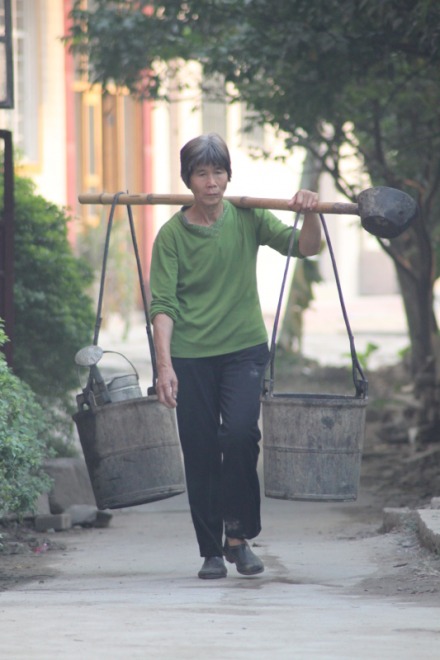 Traditional Methods are still used in Xiaozhou: Copyright Navjot Singh 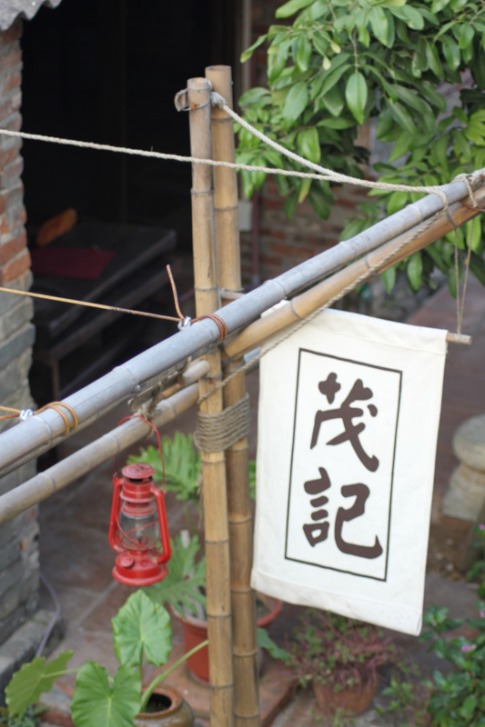 Xiaozhou Village: Copyright Navjot Singh I took Line 3 Metro to Kecun station, and then bus 252 to Xiaozhou (it is 11 stops to Xiaozhou Village from Kecun, and costs 2RMB). The hour long bus journey from Kecun station to Xiaozhou village snakes its way between some of the most deprived areas of Guangzhou. Most people who got onto the bus at some of the stops on the way would look at me in curiosity as they most probably have never come across a non-Chinese person before. It just makes you wonder about the stark contrast between the high rise life of the city centre and the village life on the outskirts, where a family of four can survive on a salary of around 200RMB a month (compare this with a average monthly salary of around 4000RMB for a white collar worker). 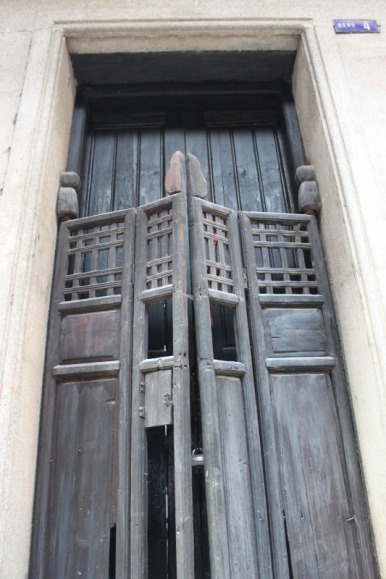 Traditional House: Copyright Navjot Singh 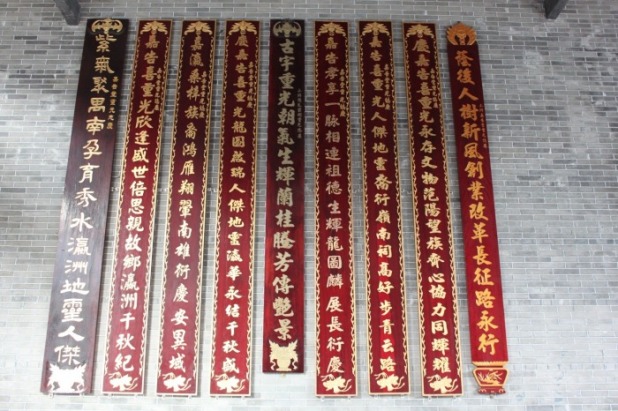 Scripts inside the Temple in Xiaozhou: Copyright Navjot Singh 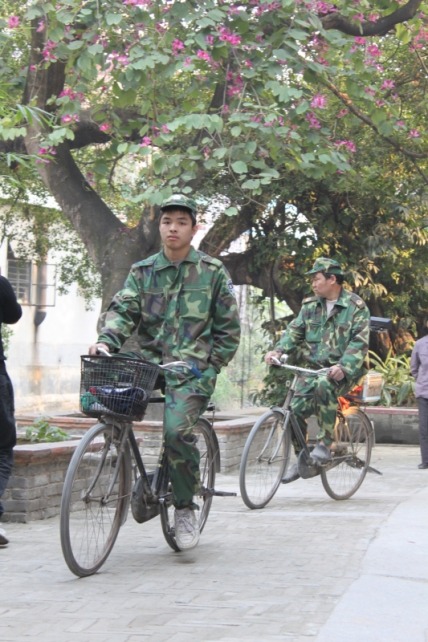 Army cadets cycling in Xiaozhou: Copyright Navjot Singh 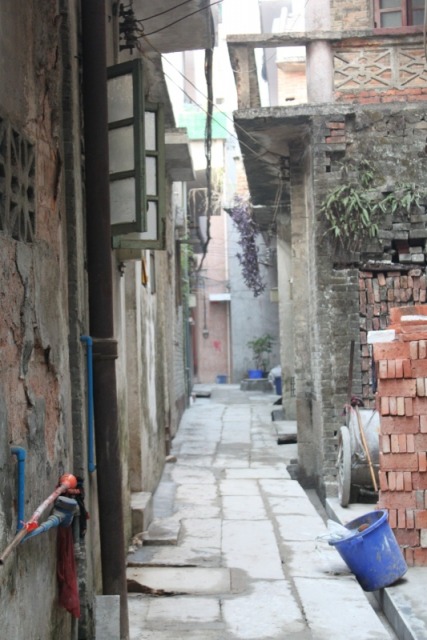 A typical side path in Xiaozhou: Copyright Navjot Singh 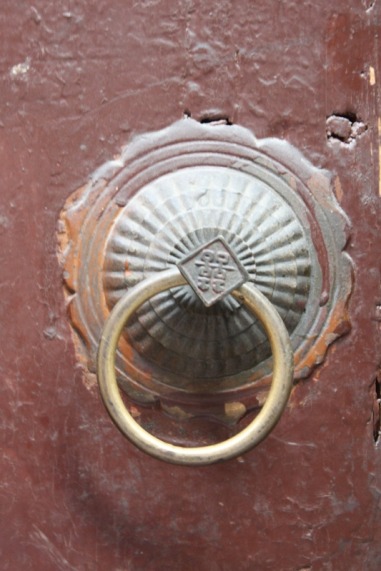 A typical doorhandle in Xiaozhou: Copyright Navjot Singh 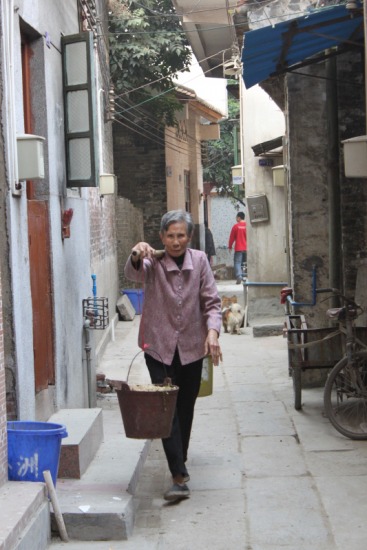 Copyright Navjot Singh 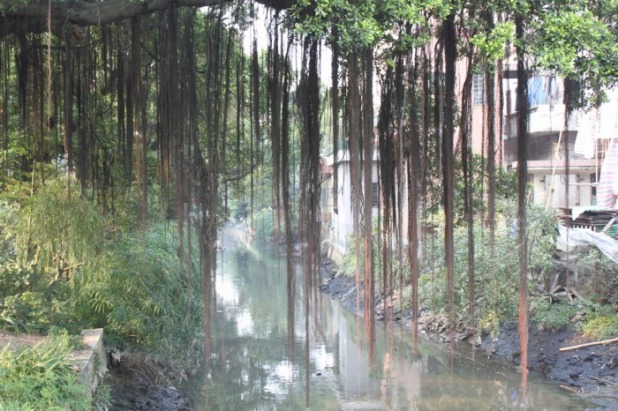 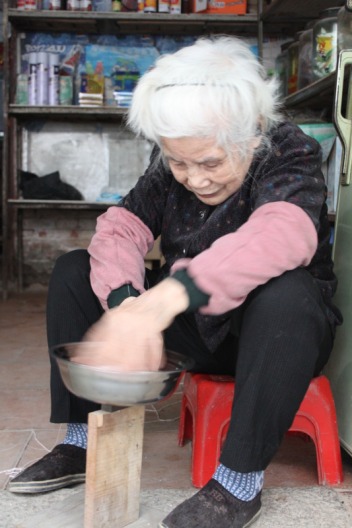 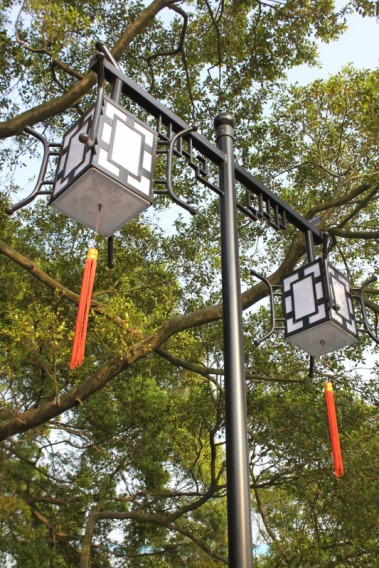 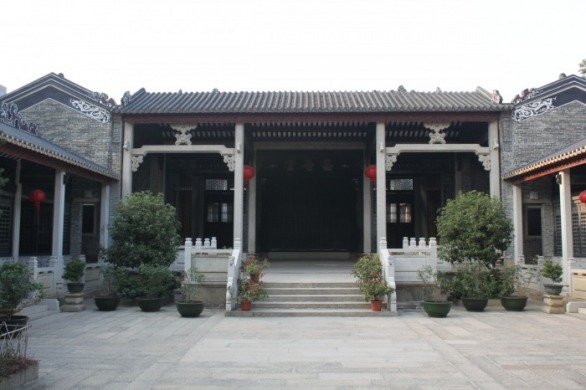 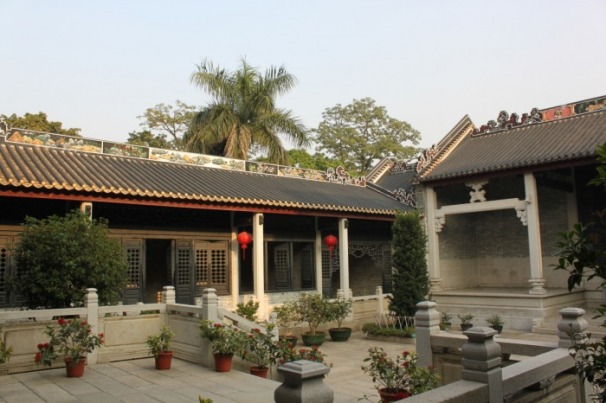 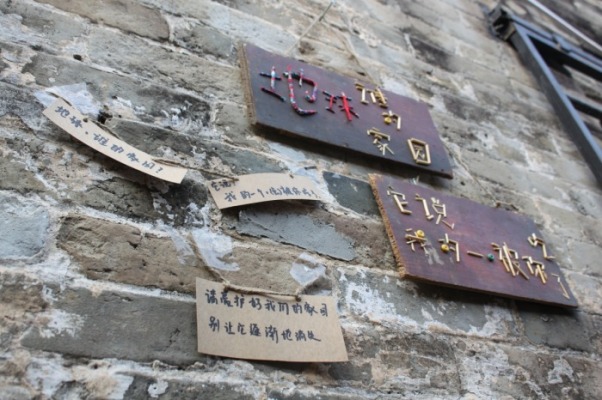 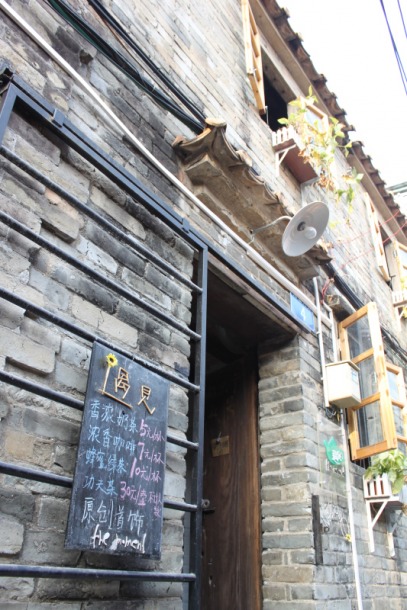  The presence of this plant, gives the river in Xiaozhou a rare glimpse of beauty: Copyright Navjot Singh 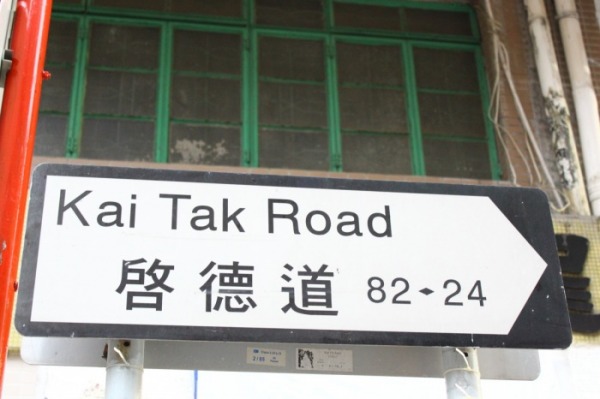 The famous road leading to the front of the runway, Kowloon City: Copyright Navjot Singh Even today, after 14 years, I feel very disappointed not to have had the chance to land at Hong Kong’s former International airport, known as Kai Tak Airport, which closed down in 1996. As a young child growing up in London, and who was so much into aeroplanes and flying, I always wanted to go aircraft spotting at Kai Tak airport in Hong Kong. For me it was a dream destination. Sadly I never got to see the place in action as I first came to Hong Kong in 2001. However, recently last year, I was fortunate enough to go and visit the site of the old airport, and see how much of the area has changed. Of course, since I was not there when the place was active, so I could only assume from historical photos and videos of what the place must have been like then. I had also arranged to meet up with Peter Chiu, the manager of the Regal Oriental Hotel, which is situated opposite the former airport- offering its guests panoramic views of the harbour and the former airport site. The hotel used to be a popular choice for airline crews. 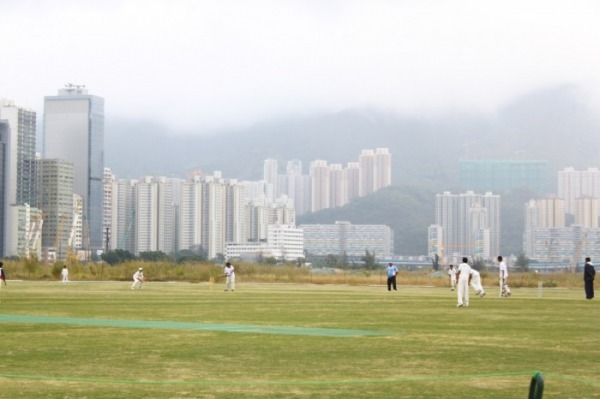 Cricket being played on the former taxiway leading to Runway 13!: Copyright Navjot Singh Kai Tak airport was well renowned worldwide for its dare devil final approach into the airport’s only runway, which stretched out 2 miles into Hong Kong Harbour. When the Kowloon City side of the runway was in use (used to be known as Runway 13, due to its heading of 130 degrees), aircraft on final approach used to commence their descent into Hong Kong over Macau, then head towards either the southern part of Lantau Island (the location for the current airport, Chep Lap Kok). The other route was to fly over Hong Kong Island, and make their way over Kowloon (going over Jordan and Hung Hom); and then at around 700 feet the planes used to aim for a checkerboard on one of the hills facing Kowloon (a navigation point consisting of a hill painted in a red and white chessboard pattern), and make a sharp 37 degree right hand turn over Kowloon city onto the final approach towards Runway 13. The runway was used as a venue for Celine Dion's January 25, 1999 concert on her “Let's Talk About Love” Tour. Between December 2003 and January 2004, the passenger terminal was demolished. 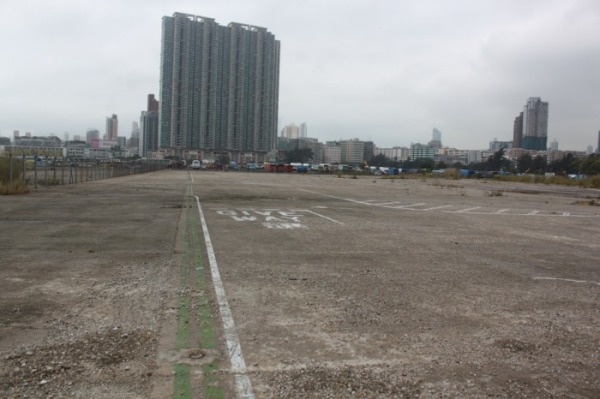 The demolished taxiway lights, and the 'Give Way' sign for aircraft at the beginning of runway 13- with new high rise buildings in the background: Copyright Navjot Singh 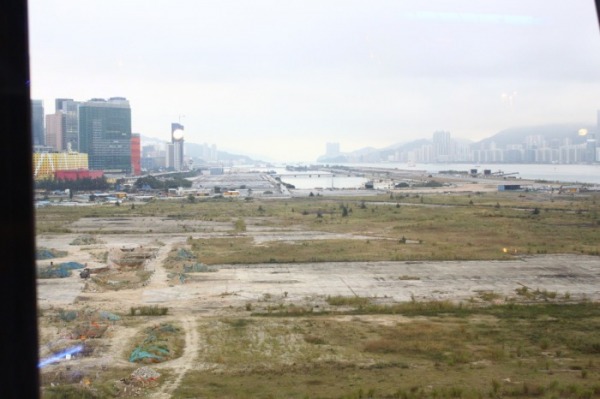 Taken from the restaurant at the Regal Hotel in Kowloon City...copyright Navjot Singh 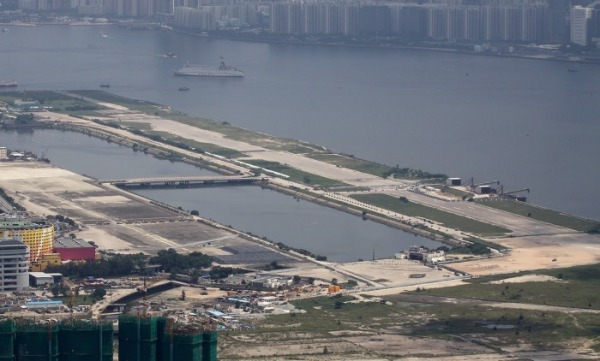 A stark contrast to what this beautiful airport used to look like.... 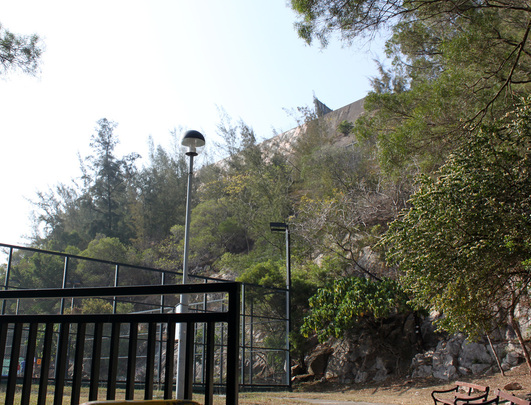 The famous Checkerboard (格仔山) at Lok Fu Park in Kowloon: Photo Copyright Navjot Singh 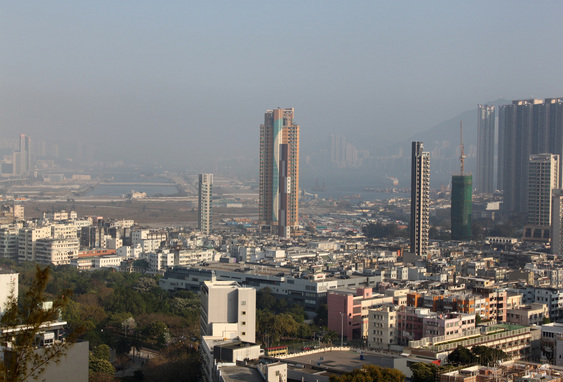 The famous Kai Tak airport (Closed) can be clearly seen in the background with the yellow building blocking the old runway 13 (runway markings still visible after 12 years!): Photo Copyright Navjot Singh. Picture was taken from the Checkerboard (格仔山) 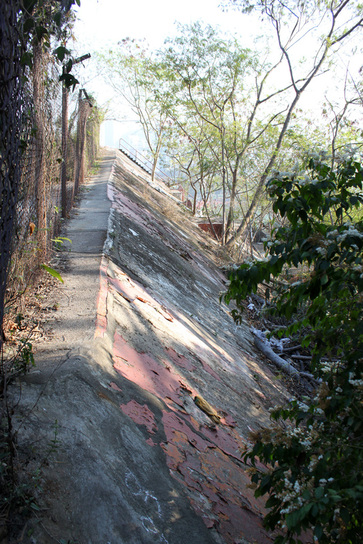 The Checkerboard (格仔山) at Lok Fu Park in Kowloon: Photo Copyright Navjot Singh 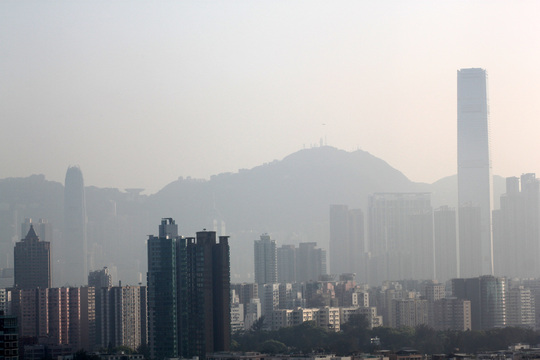 Hong Kong skyline as seen from the Checkerboard (格仔山): Photo Copyright Navjot Singh 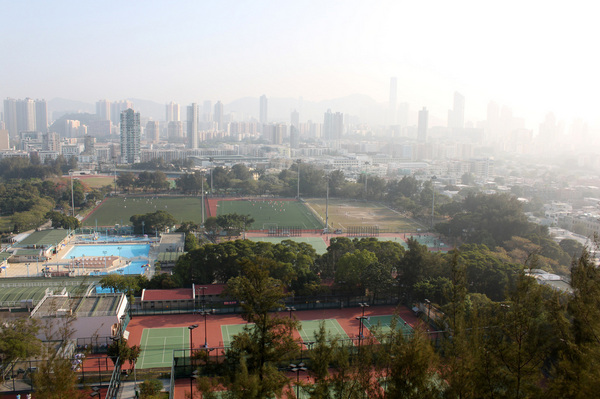 Mongkok and the Kowloon area in the background as seen from the famous Checkerboard (格仔山): Photo Copyright Navjot Singh 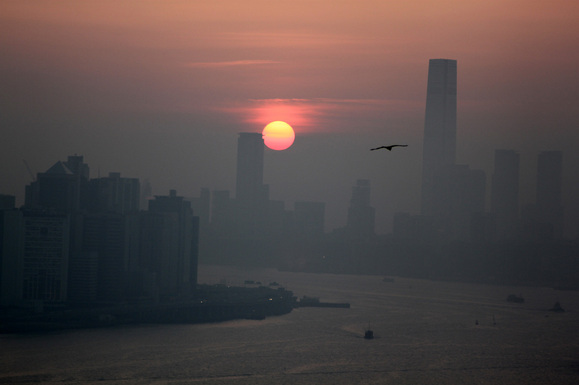 Hong Kong seen in the sunset from the Lion Hill: Photo Copyright Navjot Singh Sitting in the restaurant on the top floor of the Regal Oriental Hotel one does get a feeling of what the place must have been like- buzzing with activity and noise all around. You could almost imagine the exciting for onlookers must have been like to watch a, say 747-400 fly right over the hotel and land on the runway in the distance. Peter told me that even those hotel guests who had no interest in planes, would come to the restaurant just to catch a glimpse of the airport site, and even more so at night because of the beautiful runway lights. Peter further explained to me that everything in the area of Kowloon City is just the same as it was when the airport was operational- everything, that is except, of course, the airport and the planes. 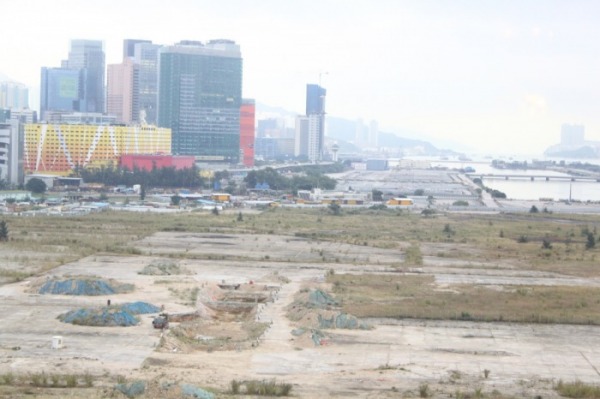 The former Terminal and Apron. The huge yellow and red building on the left is called the MEGABOX, a huge shopping complex situated on the location where the terminal building used to be: Copyright Navjot Singh 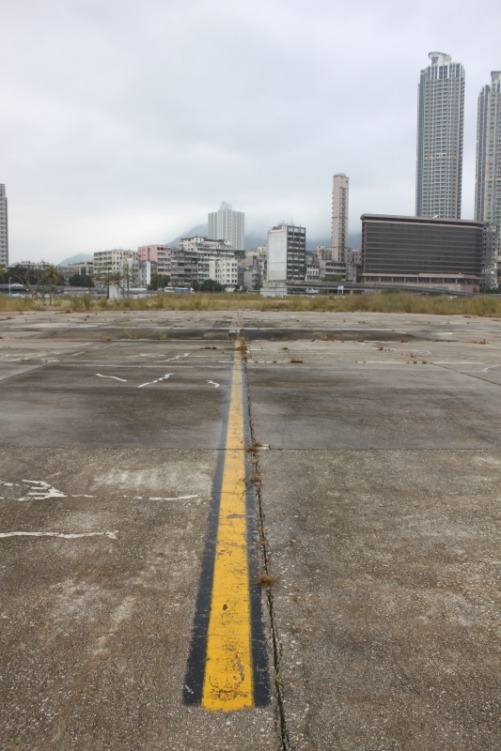 At least I can say I stood on the same place which saw so many famous landings and take-offs....goodbye Kai Tak! Copyright Navjot Singh The local government has built a Cricket pitch at the stop where the threshold to the runway used to be! While I was there taking photos, there was a cricket match being played by a local college team. I am sure some of the players must have been born after the airport closed. As one of the youngsters ran up at speed to bowl, it looked like a stark contrast that 14 years ago on the same piece of land many planes ran down the same way, but, alas, not to bowl, but to fly away around the world’s cities! Some of the runway and taxiway markings are still there, the road leading to the airport tunnel is still there, complete with the directional signpost saying: “Airport Tunnel”, but sadly there is no airport and the tunnel leads to a dead end; then there is that famous bridge which connected the airport terminal to the Kowloon City shopping mall- the bridge is still there, but it’s not connected to anything. Quite possibly the saddest part of it all is that the checker board is also still present on the hill overlooking Kowloon City. If you want to get to the old checkerboard, then its a bit tricky. You can first take the 'Kwan Tong' line to Lok Fu Station. When you get to Lok Fu Station, take the exit going towards Junction Road. Lok Fu Park is located on Junction Road, and is just a 2 minute walk from Lok Fu Station. To get to the Checkerboard take the first left hand turning at the entrance of the park, and carry on walking to the top of the first bend. At the first bend, turn right and climb up a small dry steep slope (right next to a fenced power station operated by CLP holdings). Just carry on walking all the way around (make sure you dont fall over the steep slopes!). Its about a 5 minute walk to get to the checkerboard itself. There are a few things to bear in mind: 1. It is strongly advised not to go at night time as there is no lighting in the park- especially at the Checkerboard, 2, Go with someone rather by yourself- dont want to get lost in a remote place as this, and 3. It is strongly advised to wear some trainers. 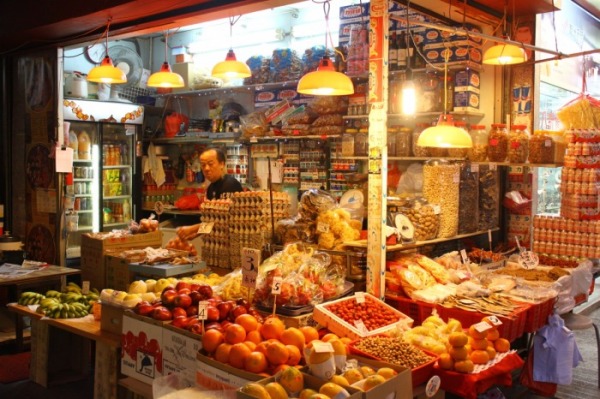 Kowloon City is a lively part of Hong Kong- the streets around Kai Tak are filled with shops selling produce, as well as Industrial goods (like automotive parts etc.): Copyright Navjot Singh 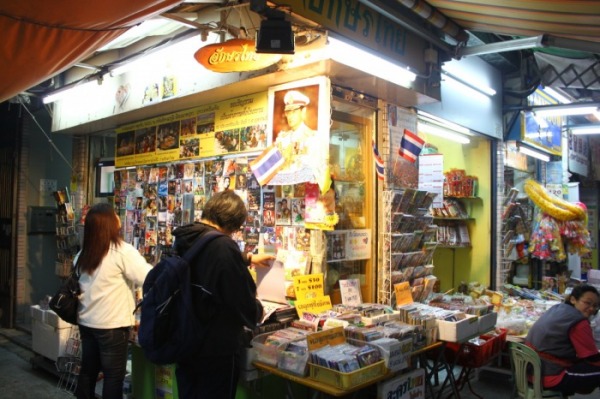 Kowloon City is home to Hong Kong's Thai community: Copyright Navjot Singh The Hong Kong government’s plan to build a terminal for luxury liners, and a large shopping centre is well in progress. There are also quite a lot of new high rise property being built right around the harbour and the old runway. Like the old saying goes that all good things come to an end- and even though Kai Tak has come to an end, its legacy still continues for aviation enthusiasts around the world. 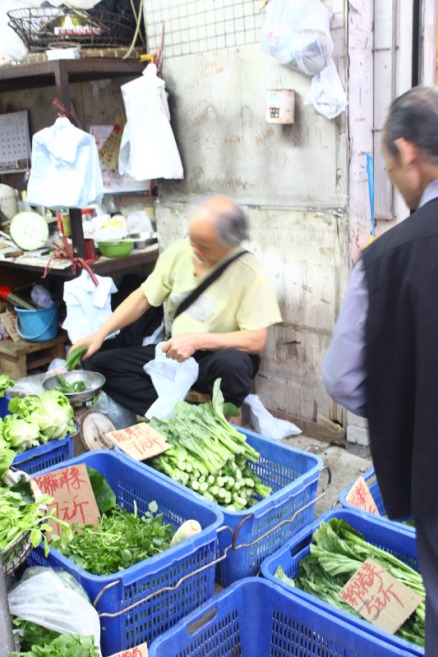 Life in Kowloon City has not changed much since Kai Tak closed: Copyright Navjot Singh 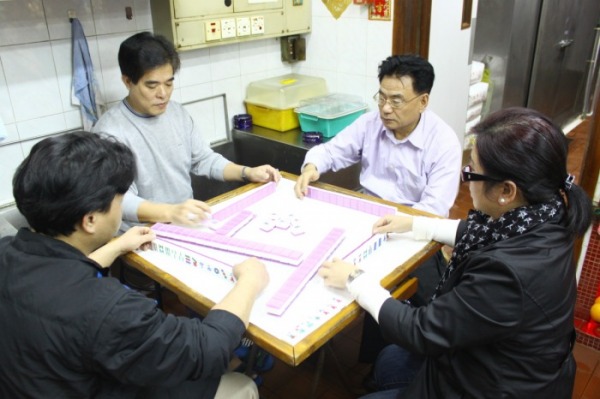 Keeping the mind busy in Kowloon City: Copyright Navjot Singh 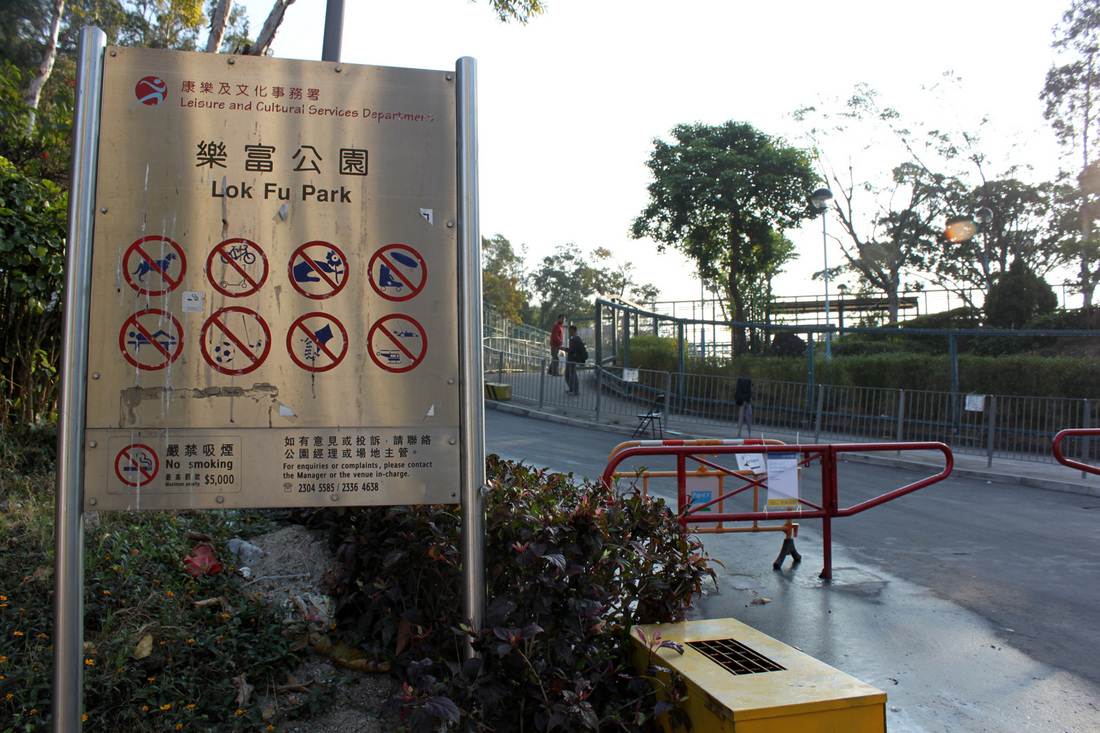 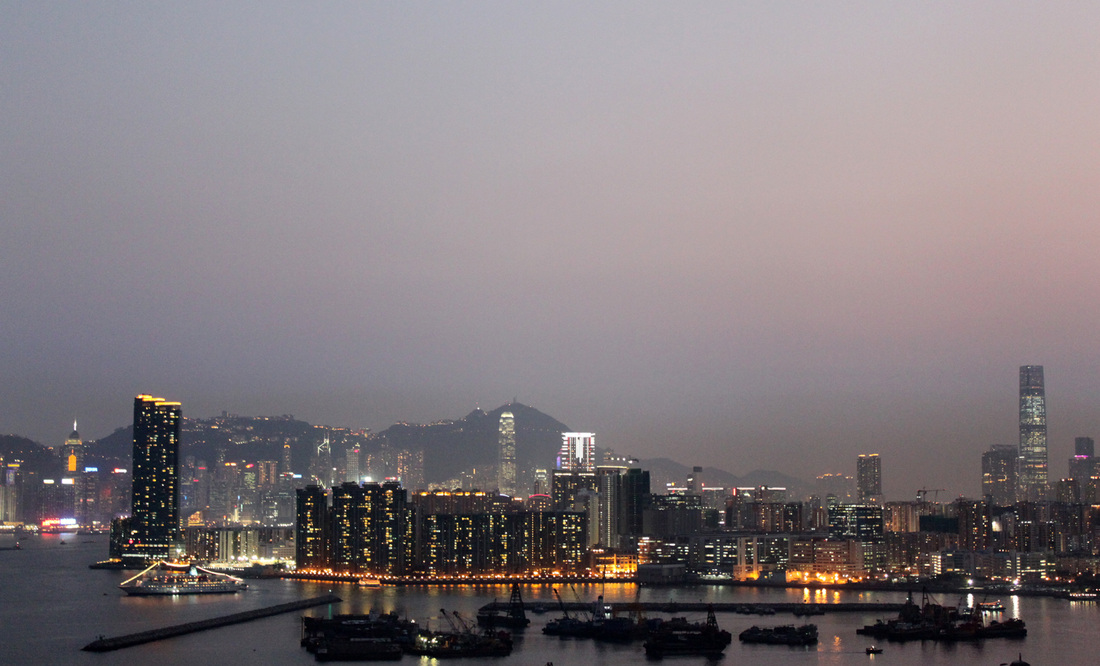 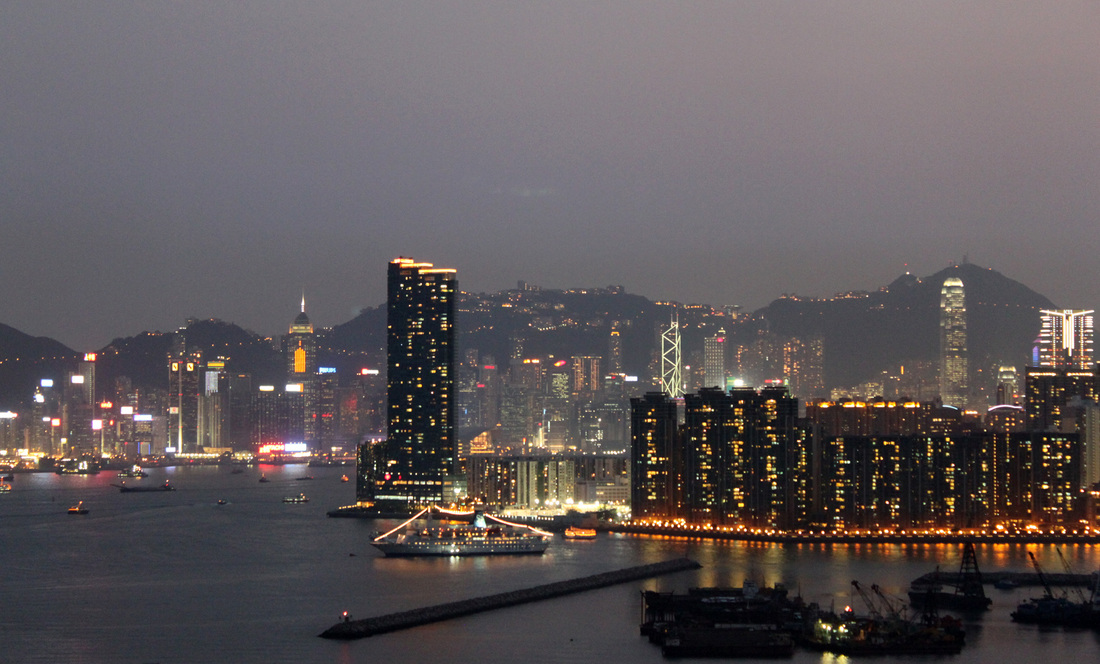  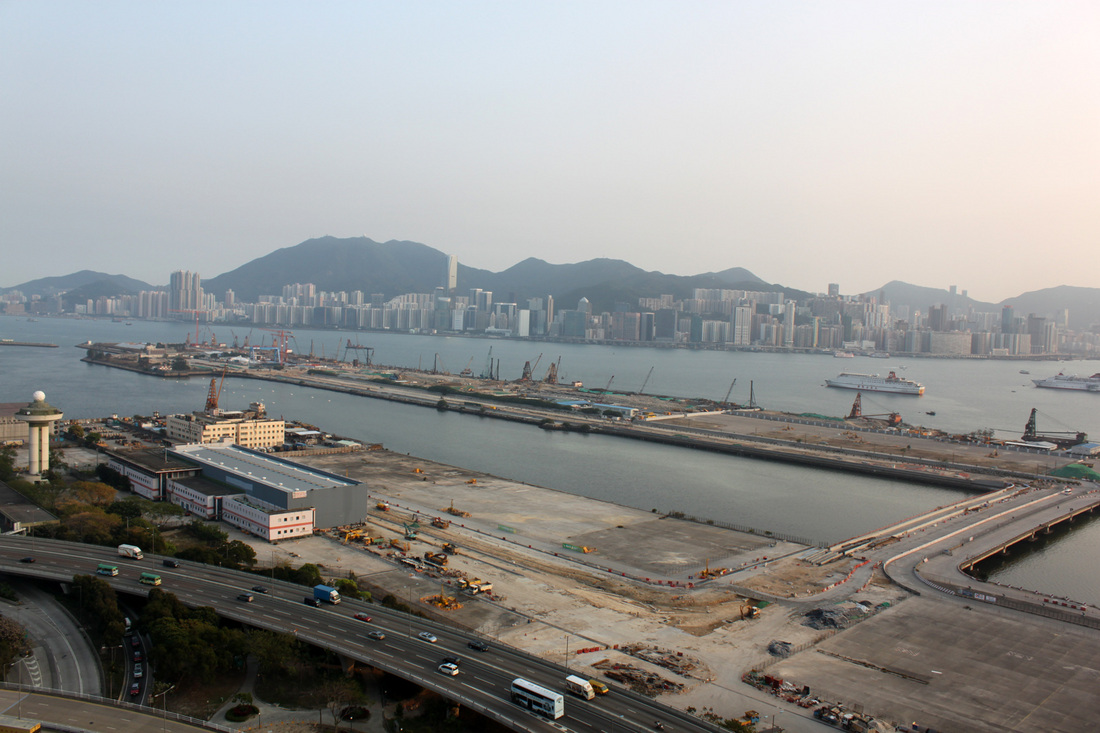 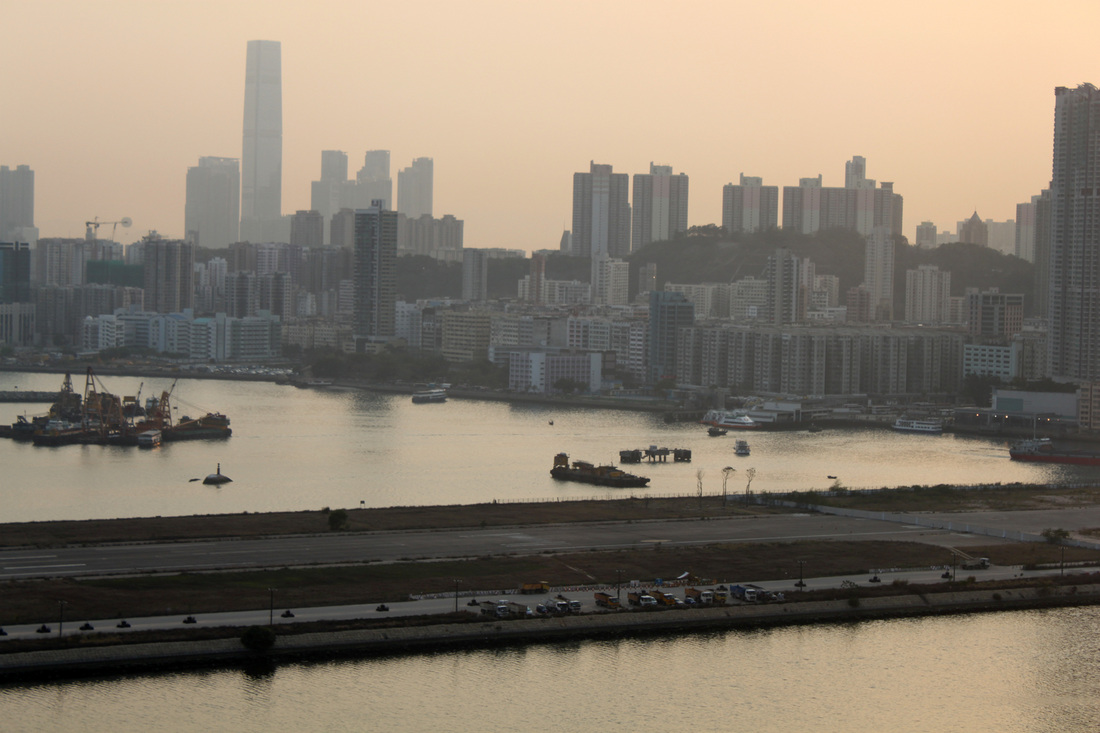   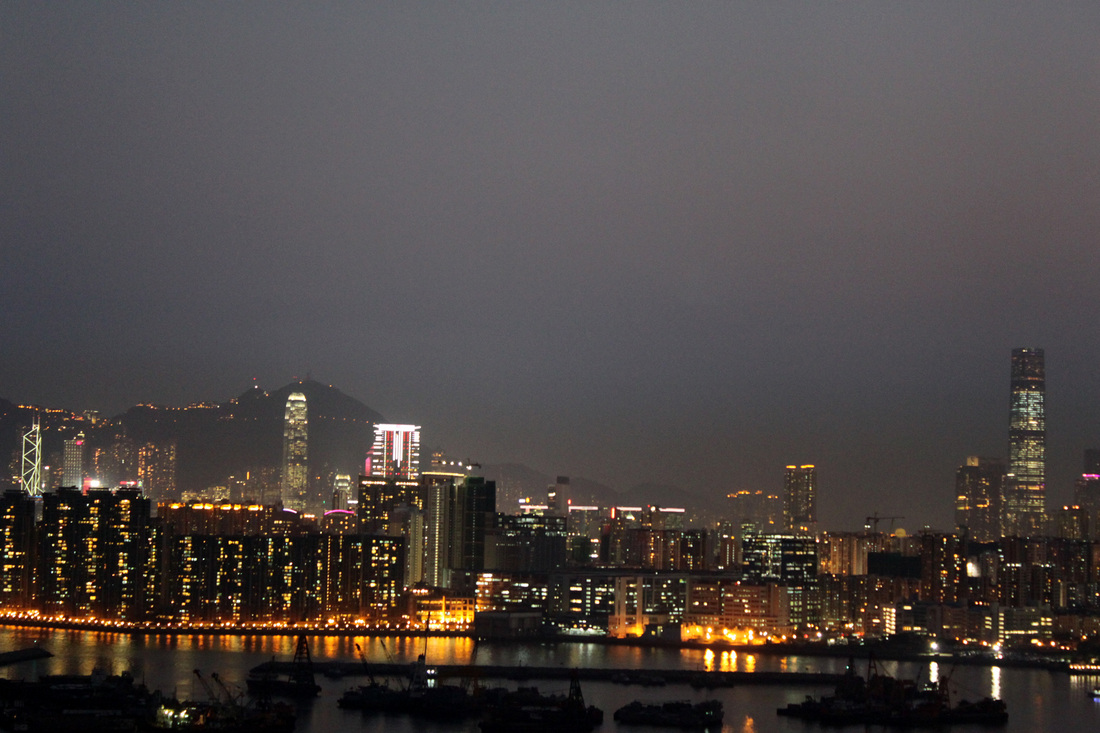 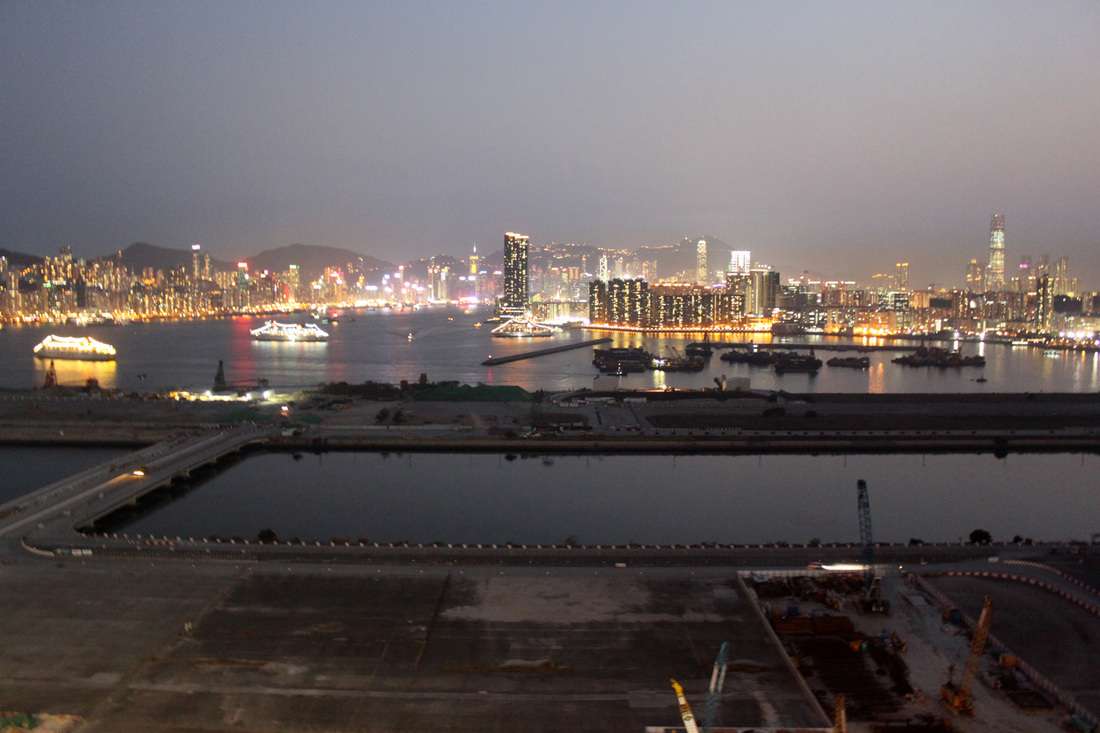 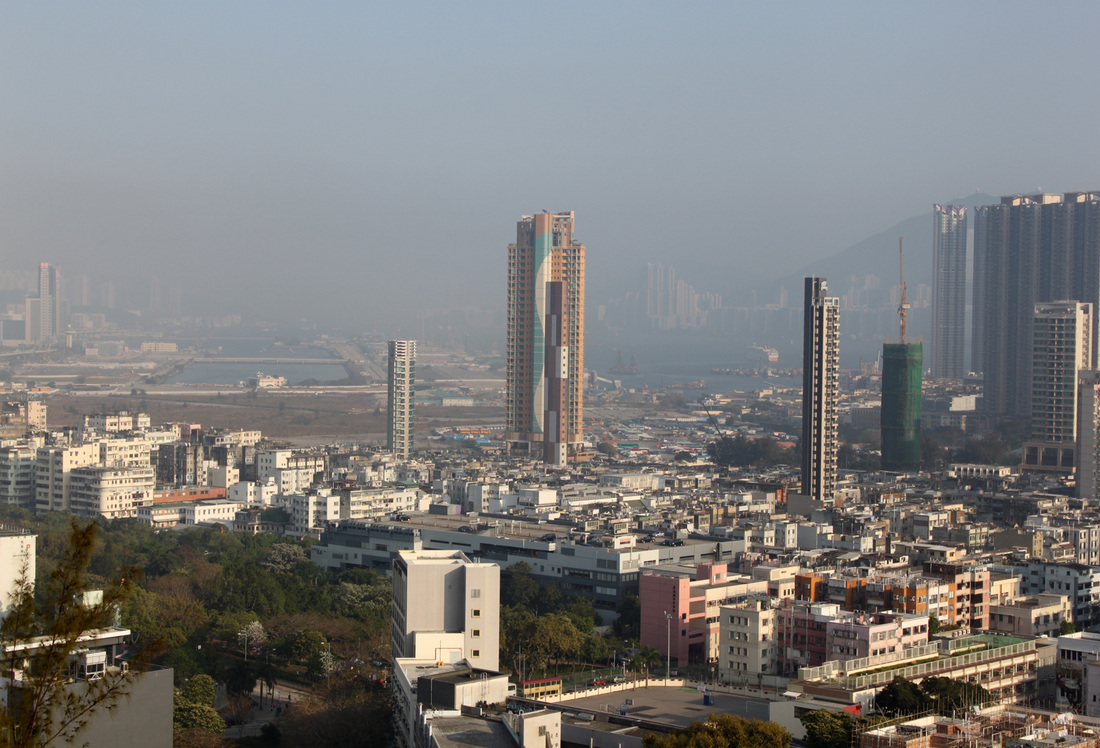 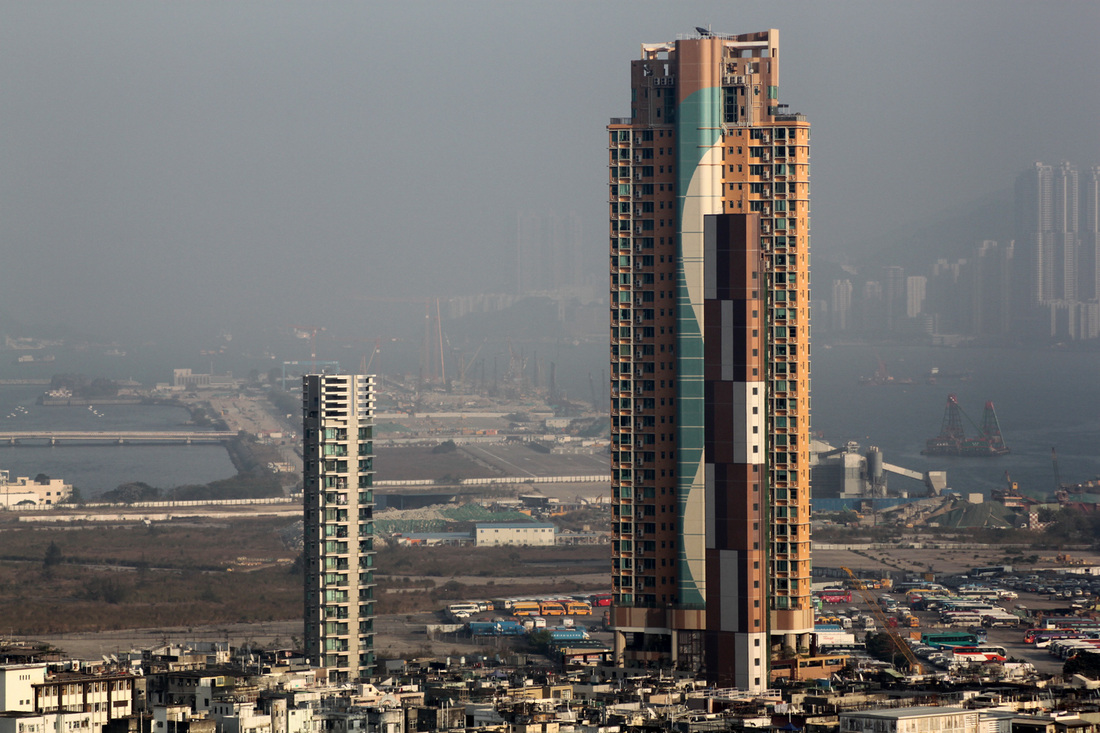 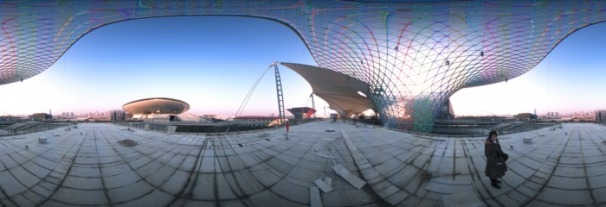 360 Degree view of Shanghai Expo: Photo Copyright Marin Kasimir It may be conclude that 2009 wasn’t really full of much sport or other major events that can associated on the International calendar. Those set of activities belong to 2010. The last major sporting event was, of course, the Beijing 2008 Olympics, and that brought China into the global limelight. 2010 is destined to be ever better. Shanghai is going to be hosting the world expo from May to October, while in December; the southern city of Guangzhou will become the first Chinese city in history to host the Asian Games. Then there are the three other major sporting events happening around the globe: The FIFA Football World cup in South Africa, the Winter Olympics in Vancouver and the Commonwealth Games in Delhi, India. I will begin my 2010 blogging with an article on the Shanghai Expo 2010 and then follow it up in coming days with other events. 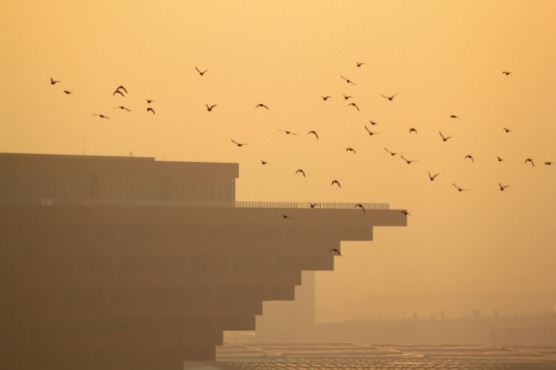 Birds fly past the China Pavilion at the Shanghai Expo: Copyright Navjot Singh The world awaits Shanghai Expo 2010! The Shanghai Expo in 2010 is geared up to be the next big thing after the Beijing 2008 Olympics. This world event only happens once every 10 years and Shanghai is going to be at the centre of the world’s attention for five months from May. An Expo is meant to be a unique platform for a country to show off its economic assets to the world. I believe the Shanghai Expo 2010 is not meant to be a showcase for China to the world, but a showcase for the rest of the world to showoff to China. So, it’s to say, for example, this is the Spanish Expo booth and this is what we have to offer to China’s economy or we are India, and this is what can do to invest in China- and so on. One of the most interesting aspects of this is that countries are going to be looking for lucrative deals to invest in China’s future- and they will be using cleaver ways to sell themselves to China. I have been told that the Belgium Pavilion is going to be giving away free diamonds and expensive handmade chocolates (through prize draws), while the French pavilion is going to be giving away all expenses paid honeymoons’ to Paris to every couple who will come to the French Pavilion wearing wedding clothes. These are just two examples out of the many. The Chinese government officially bid for Shanghai to be the host city on November 18, 1999. With much valued support from home and abroad, the world expo governing body decided to officially award the 2010 Expo to Shanghai- the bid was won on December 3, 2002, at the 132nd General Assembly of the International Exhibitions Bureau. I was invited by the Shanghai Expo 2010 executive committee to have a preview of the facilities. I would like to share some photos I took from the VIP stand at the media centre, where the world’s media will stand in May. Special thanks goes to Mr. Chen Xian Jin, Deputy Director of the Shanghai Expo 2010, the senior PR team at the Shanghai Expo 2010 media centre, and Mr. Han Zheng, Mayor of Shanghai, for arranging the visit for me. 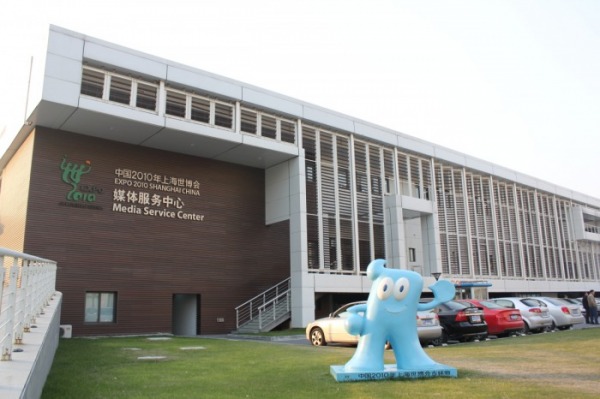 The Media Center at the Shanghai Expo 2010 HQ 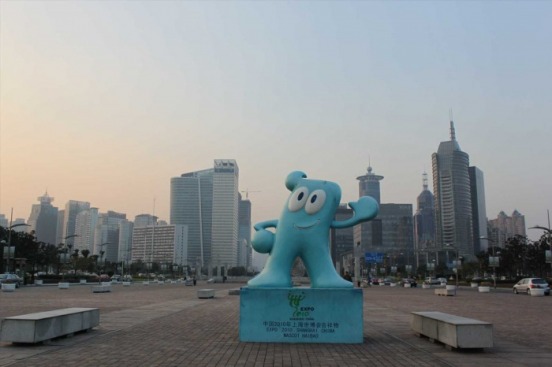 Welcome to Shanghai!: Copyright Navjot Singh Although the weather was a bit hazy to take photos, nevertheless, I should not complain as I felt privileged to just be there and have access to some breathtaking views of the Shanghai Expo 2010 area. Since the days of the first ever world expos at London’s famous Crystal Palace exhibition hall in 1851, world expo fairs have supplied guests with two things: First, a worldwide outlook via displays of products and services from around the world and; second, a flavour of what people can expect in the future, via displays and demonstrations of new creations and state-of-the-art machines and structures. As a former and now restored global metropolis, Shanghai has a distinctly international location complete with revolutionary objects, such as its first-in-the-world, ultra-high-speed magnetic levitation train, the Maglev. 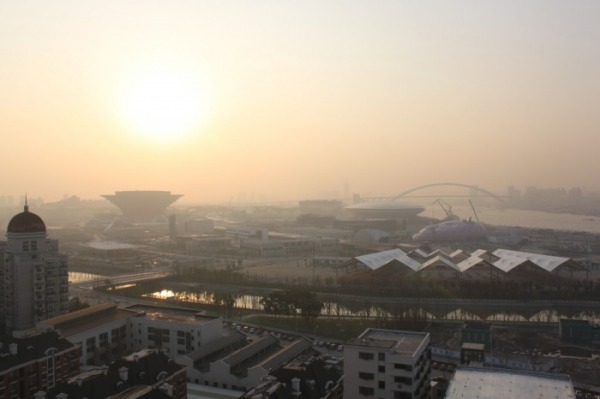 An Overview of the Shanghai Expo Arena: Copyright Navjot Singh 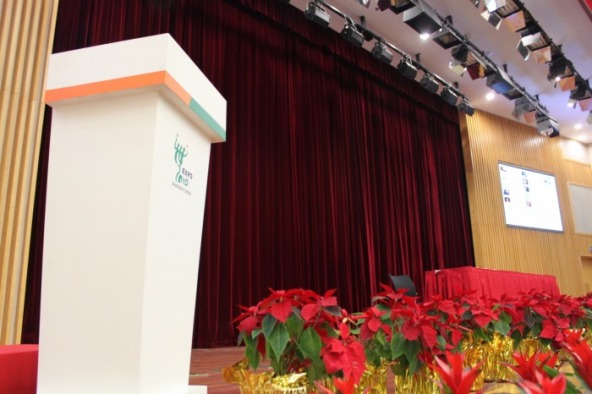 The stage that will become the nerve centre for the world's media during the Shanghai Expo 2010: Copyright Navjot Singh Much bigger than any other exhibiting event in the world, the Shanghai Expo in 2010 will take place over a period of six months from the 1st of May to the 31st of October. Shanghai 2010 Expo’s motto is: "Better City, Better Life,”, and this is one which represents the universal desire for any citizen or country around the world, so that citizens can benefit from improved living standards. The aim of the Shanghai expo is to allow China to be a major show case for the global community, and along with all the world’s countries that would be exhibiting there to provide a platform where new ideas, technologies and ways of improving life will be shared. The 2010 Expo theme characterizes a common apprehension of the worldwide community for future policy making, urban policies and sustainable economic growth. 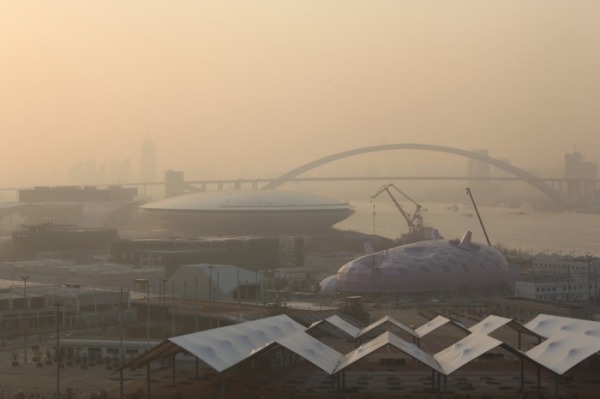 Hazy overview of the Shanghai Expo Village: Copyright Navjot Singh To give you an idea of how important this all will be, in 1800, only 2% of the world’s population lived in cities. In 1950, that figure became 29%, and by the beginning of the new millennium in 2000, approximately 49 percent of the world’s population moved into cities, and by the time the Shanghai Expo is opened, as per the estimates by the United Nations, the world’s urban population will account for 55% of the total human population. That alone is a indication that the world is going to require better infrastructure in terms of Electricity, Oil and Gas, but also the basics of life would become just that more important, such as sewage system in developing countries, food readily available to everyone, health facilities and all the other essentials of life. The mission for a much improved life has run through the urban history of mankind. Through its diverse sub-themes (i.e. exhibition halls and areas of the Expo will be dedicated to different themes); the Shanghai Expo 2010 will create blueprints for prospect cities and urban life styles. All of this would be for providing an excellent educational and entertaining platform for visitors from all around the world. The main attractions will be placed within the Shanghai New International Expo Centre, which is an exhibition centre. With a total area of over 127,000 square metres, since its opening in 2001, it has played host to various exhibitions in the past, including the Shanghai Motor Show and the 2002 Tennis Indoor Masters Cup. The centre's indoor exhibition will increase to 200,000 square meters by December 2010. It is predicted that more than 60 million people will travel to Shanghai for the Expo – and around forty percent of them are likely to visit surrounding cities such as Suzhou, Hangzhou, Wuxi and Wuzhen. 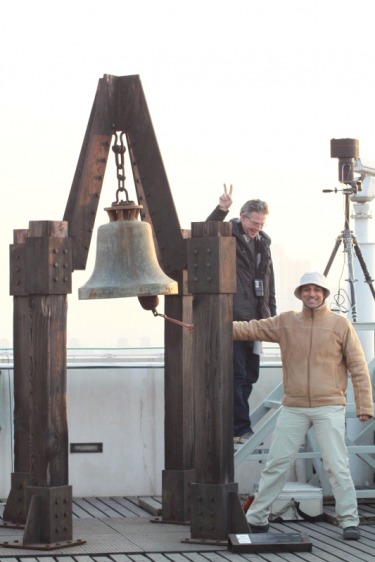 Navjot Singh at the roof of the Shanghai Expo Media HQ, while Artist and Photographer Marin Kasimir looks on 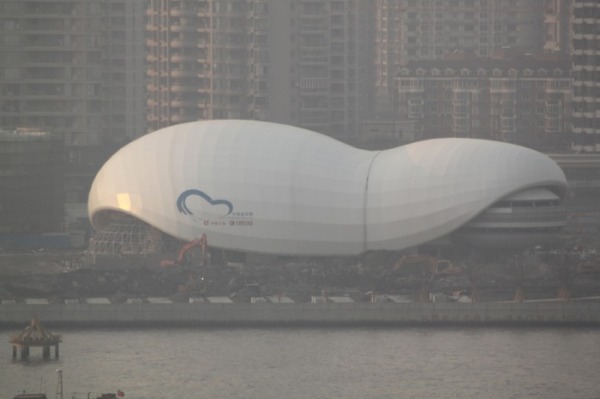 One of the corporate pavilions in Section E of the Shanghai Expo 2010: Copyright Navjot Singh 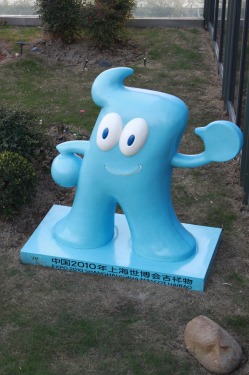 Haibao at Shanghai Expo 2010: Copyright Navjot Singh Haibao at Shanghai Expo 2010: Copyright Navjot Singh The official Mascot Shanghai Expo 2010 has a mascot which has so far proven to be a success. During the beginning of 2009, quite a number of stores in and around Shanghai have started selling products related to the Mascot. The name of the mascot of World Expo 2010 Shanghai China is Hai Bao (as shown above), which when directly translated into English means the “Treasure of the sea”. The name of Hai Bao was chosen out of many because this is quite easy for non-Chinese people to learn and memorize. Also the colour of the mascot goes with the meaning, blue colour for the sea, plus it’s catchy, friendly and finally “Hai Bo” is a characteristic Chinese name which can brings good fortune and blessings. Hai Bai is the good well ambassador of Shanghai Expo 2010. Just like the five mascots of the Beijing 2008 Olympics, the Shanghai Expo 2010 Mascot, Hai Bo, will definitely bring together all the world’s cultures and traditions to Shanghai. Where exactly is the Shanghai Expo 2010? An area covering 5.28 square kilometres will occupy a site for the Expo from the Nanpu Bridge to the Lupu Bridge region. This is all located in central Shanghai on both sides of the Huangpu River, with the exhibition also placed below the river on the underground walkway between the Bund and the Pudong area. On both sides of the Huangpu River the total expansion of the site is separated into 3.93 sq km in Pudong and 1.35 sq km in Puxi. How is the Shanghai Expo 2010 arranged? There are five functional zones marked A, B, C, D and E respectively, each with an average area of 60 hectares. Apart from the five zones, there are also 12 pavilion groups, 8 of which in the Pudong Section and 4 in the Puxi Section, each with an average area of 10–15 hectares. Permanent Buildings: China Pavilion The China Pavilion is designed with the concept of "Oriental Crown". The traditional Chinese wooden structure architecture element -- Dougong brackets is introduced. The design concept, "the Oriental Crown, the Crest of Chinese, the Barn for the World and Wealthy People," reflects the deep accumulation of Chinese culture. The main colour of the China Pavilion is the traditional and sacred colour, "Gugong (Forbidden City) Red" which represents the taste and spirit of Chinese culture. The China Pavilion consists of the 47,000-square-meter Chinese national pavilion, 38,000–square-meter Regional joint pavilion and 3,300-square-meter pavilion of Hong Kong, Macao and Taiwan. Theme Pavilions The Theme Pavilions are located in Zone B of the enclosed area of the Expo Site and to the west of Expo Boulevard. The shape of the Theme Pavilions borrows from the "lane" and "dormer" of the old Shanghai, to form a two to three-dimensional spatial structure by means of "origami". The Theme Pavilions will be built into a "green, energy-saving, environment-friendly" building with an aboveground area of 80,000 square meters and underground of 40,000 square meters. Expo Boulevard The Expo Boulevard is located in the centre of the Pudong part of the Expo Site and is the largest stand-alone structure within the Expo Site. The Expo Boulevard has two floors underground, one above the ground and one canopy. The Expo Boulevard is a semi-open structure and will serve as a large transportation and commercial centre with multiple purposes. The Expo Boulevard will act as the main axis for human traffic flow and sightseeing in the Expo Site during Expo Shanghai and will continue to be main axis of landscapes in the city after Expo Shanghai. World Expo Centre The Expo Centre is located at the water-front greenland in Zone B of the Expo Site. This building stretches 350 meters from the west to the east, and 140 meters from the north to the south, with a total floor area of 140,000 square meters. The Expo Centre will be completed and put into trial operation by the end of 2009. Being one of the major permanent buildings, the Centre will serve as the centre for ceremonies and conferences, press conferences and various forums during Expo Shanghai. Expo Performance Centre Located in the north of the Pudong Section of the Expo Site and to the east of the Expo Boulevard, the Expo Performance Centre has a floor area of 126,000 square meters, of which 74,000 square meters is above ground and 52,000 square meters underground area. It will be completed and put into trial operation by the end of 2009. The centre mainly consists of large central stage, large functional hall which can house 18,000 audiences and supporting facilities. The audience seats are convertible between 4,000 seats, 8,000 seats, 12000 seats and 18,000 seats based on requirements for performance and volume of audiences. The central stage is the first of its kind in China which can be adjusted to form different shapes within 360 degrees. Therefore, it can provide huge space for stage design, artistic innovation and imagination for various performances 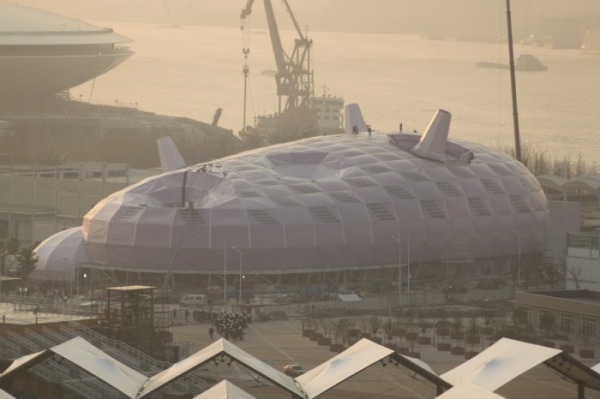 The Japanese pavilion at the Expo Centre in Zone A: Copyright Navjot Singh 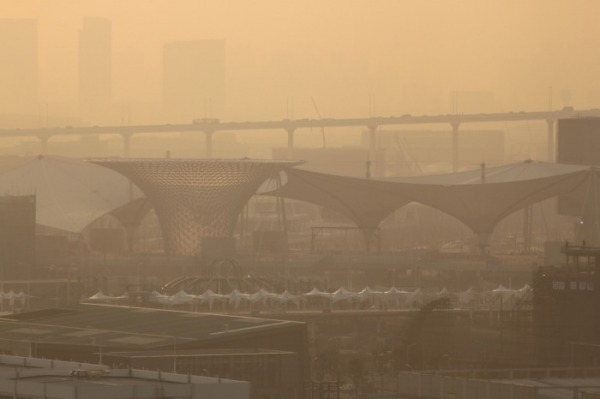 Some more pavilions' at the Shanghai Expo: Copyright Navjot Singh 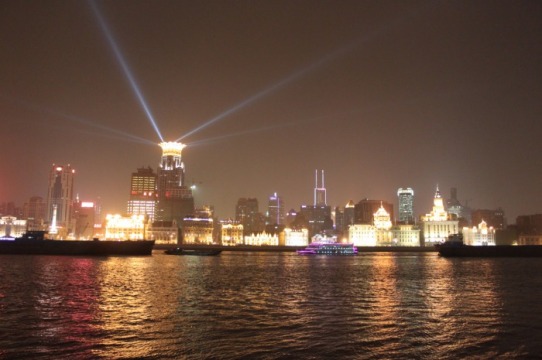 Shanghai will have lots to offer to visitors during the Expo: Copyright Navjot Singh Ticket Types There are 9 types of tickets: · Peak Day Single Day Admission · Peak Day Special Admission · Standard Day Single Day Admission · Standard Day Special Admission · 3 Day Admission · 7 Day Admission · Evening Admission · Group Admission · Student Group Admission Clusters: There are 26 pavilion clusters, each covering 2–3 hectares. The average floor area of each pavilion cluster can house 40–45 exhibition units with every exhibition unit covering a total floor area of 20,000–25,000 square meters. Visitors will be reassured to know that each pavilion cluster will contain small canteens, shops, telecom, western style toilets, nursing services and other public facilities. These facilities will be available in and around the expo, and organisers have made sure that there will be no problems. The entire event will go as smoothly as possible. Overseas national pavilions representing over a hundred countries are planned to be grouped according to the continents they belong to. There will be three types: Type 1 pavilions are designed and constructed by official participants; Type 2 pavilions are stand-alone pavilions constructed by the Organizer and rented to participants and; Type 3 pavilions are joint pavilions constructed by the Organizer. Space in this pavilions are offered free of charge to countries from the developing world. 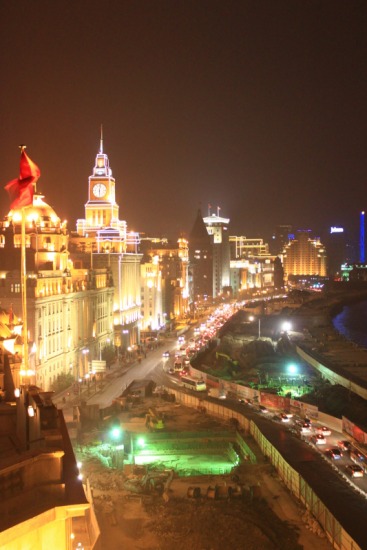 The Bund looks more like a large construction site, as the city makes final preparations for the grand opening in May. Copyright Navjot Singh |
Get in Touch:LIFE MATTERSHere I share my thoughts
and experiences during my travels, and how some things have affected my life as an expat and world traveller. Travelling is about capturing that moment in life. Every word, view and opinion on this page is that of Navjot Singh - except where indicated. The most recent is at the top. Scroll down to read the archive. Or search using CTRL+F (COMMAND + F) and enter a keyword to search the page. Just some of the stories you never heard before. The NAVJOT-SINGH.COM web blog is separate to this web site....Click blog, which may not be visible in some countries due to local firewall restrictions, so in those cases this weblog may be read. The weblog also includes some of my press trip reports- most of which are not published on the official blog because of copyright issues. The weblog also contains articles that may be associated directly with a PR trip for a country, airline or a hotel. These are PR reviews done in relations with various companies. If you are an investor or a trend watcher then you may find this website useful as investing has a lot to do with personal observations and finding the ideal trend or next big thing. The average human on the street frequently knows far more about the state of the economy than politicians, university professors, subject matter experts, and financial analysts who seldom travel, or if they do so, only from one hotel to another hotel! The pulse and vibrancy of an economy is nowhere more visible than on a country's streets. 
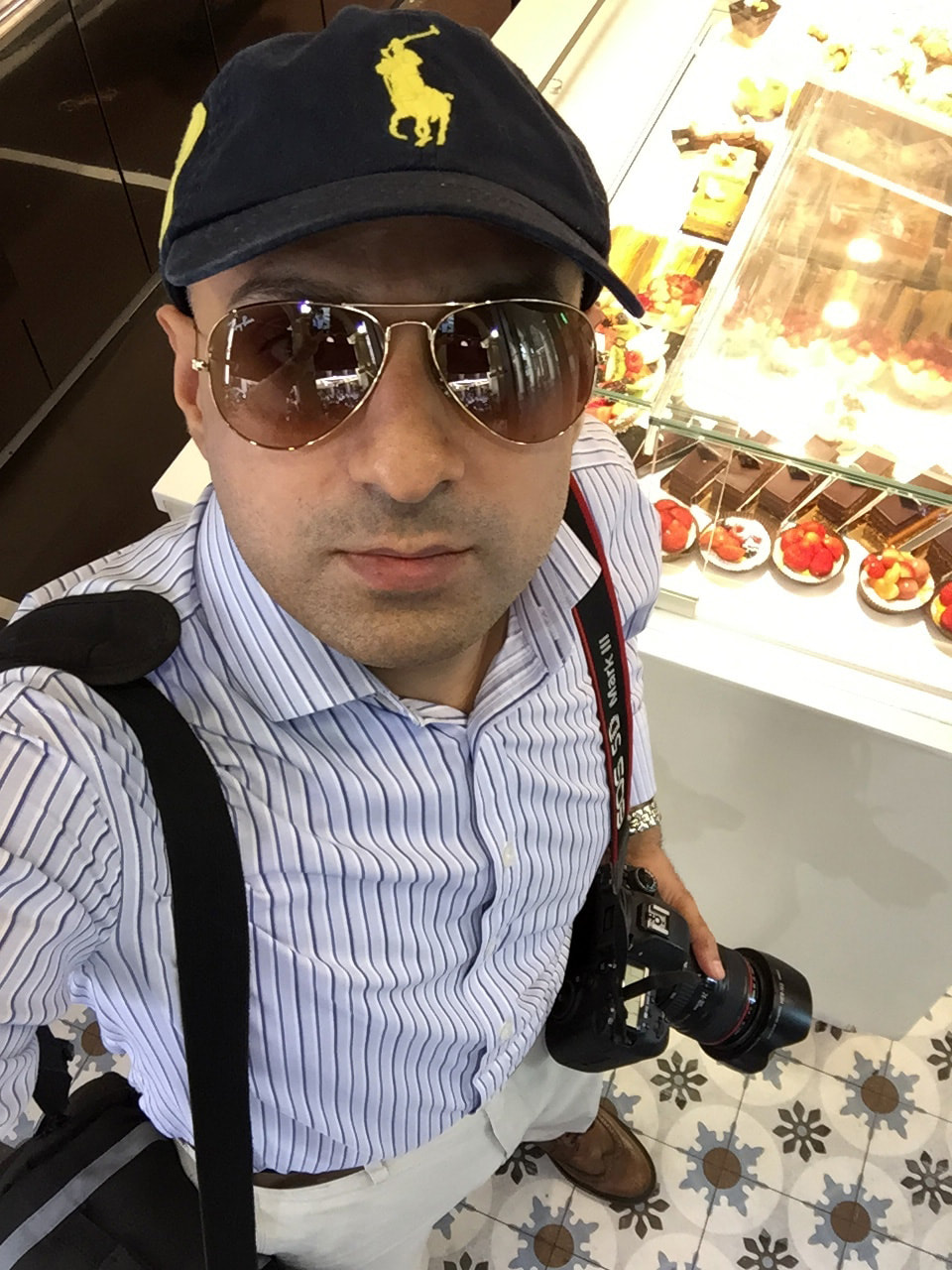
All photos and words are © Navjot Singh unless stated. Photos taken by others or by agencies are appropriately copyrighted under the respective name. No photo or word/s may be taken without the prior written permission by the author (i.e. Navjot Singh). All Rights Reserved. 

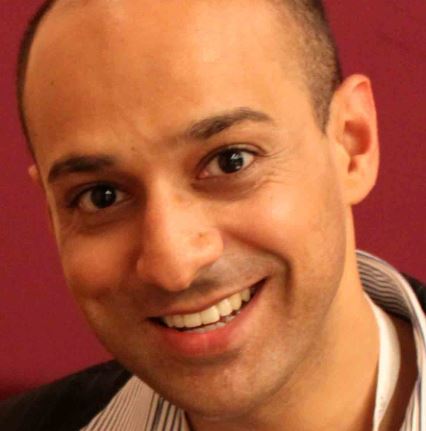
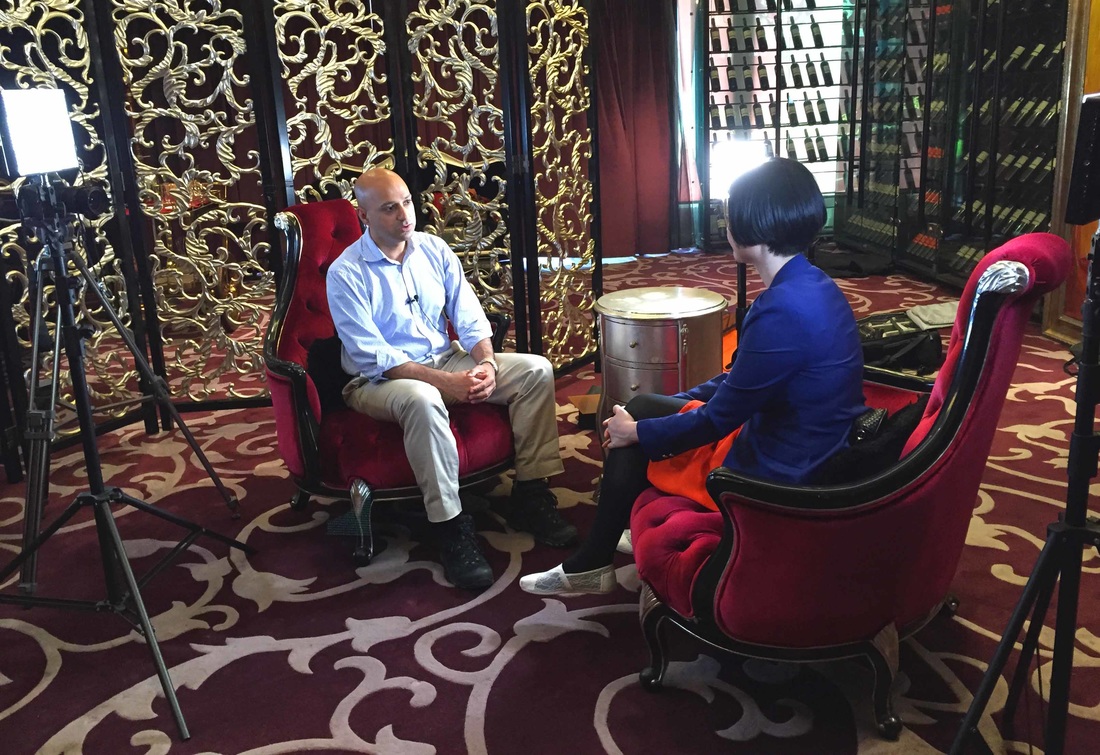
Navjot being interviewed by Cecila Lu at GDTV.
Archives
February 2024
Categories
All
|
 RSS Feed