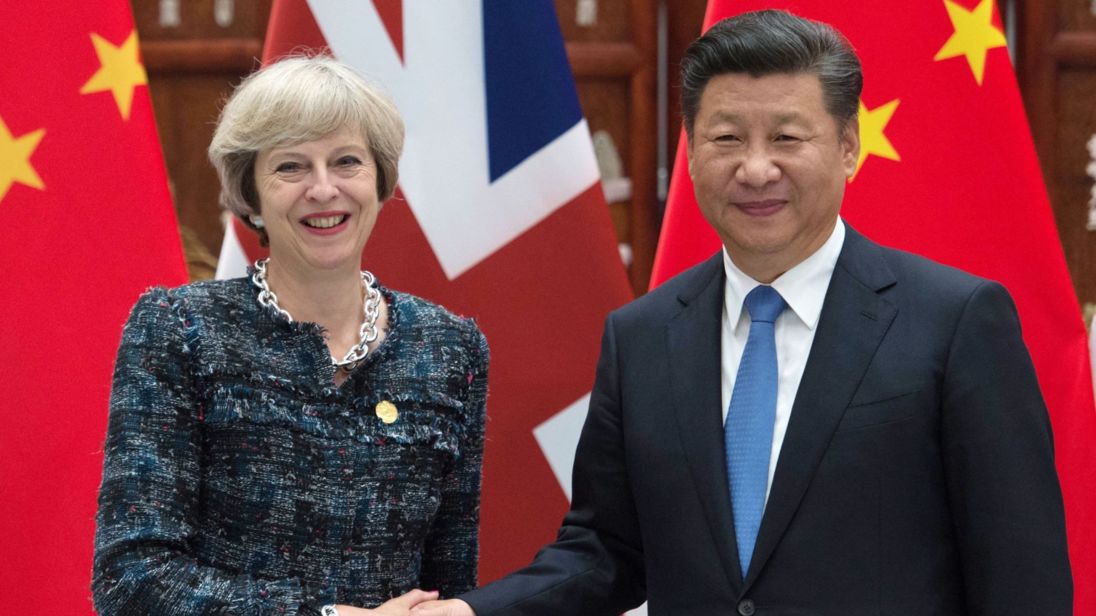
 British Prime Minister Theresa May in Beijing with the Chinese President Xi JinPing: Photo Copyright AFP 2018 With the British Prime Minister Theresa May, or ‘Auntie May’ as she is affectionately know by the millions of Chinese people, completing a highly productive three-day marathon visit to the country, one can hope that it can only help to build better relationships and boost trade for the Chinese and British economies, especially as we are entering the post-Brexit era.
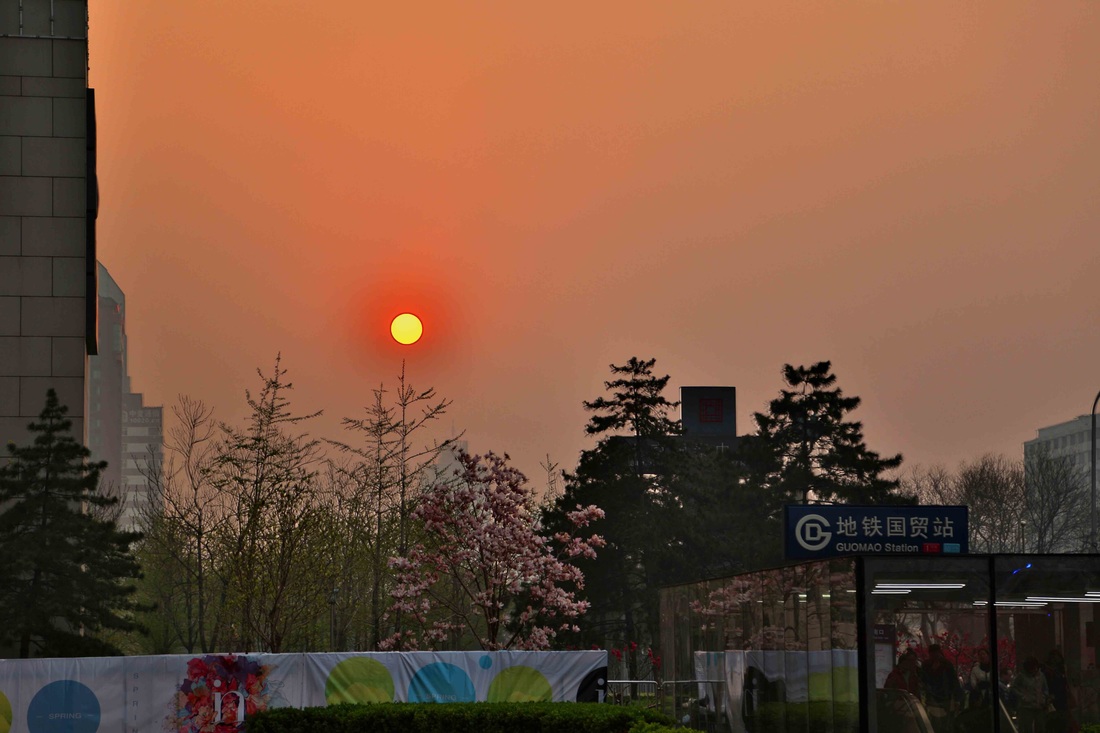
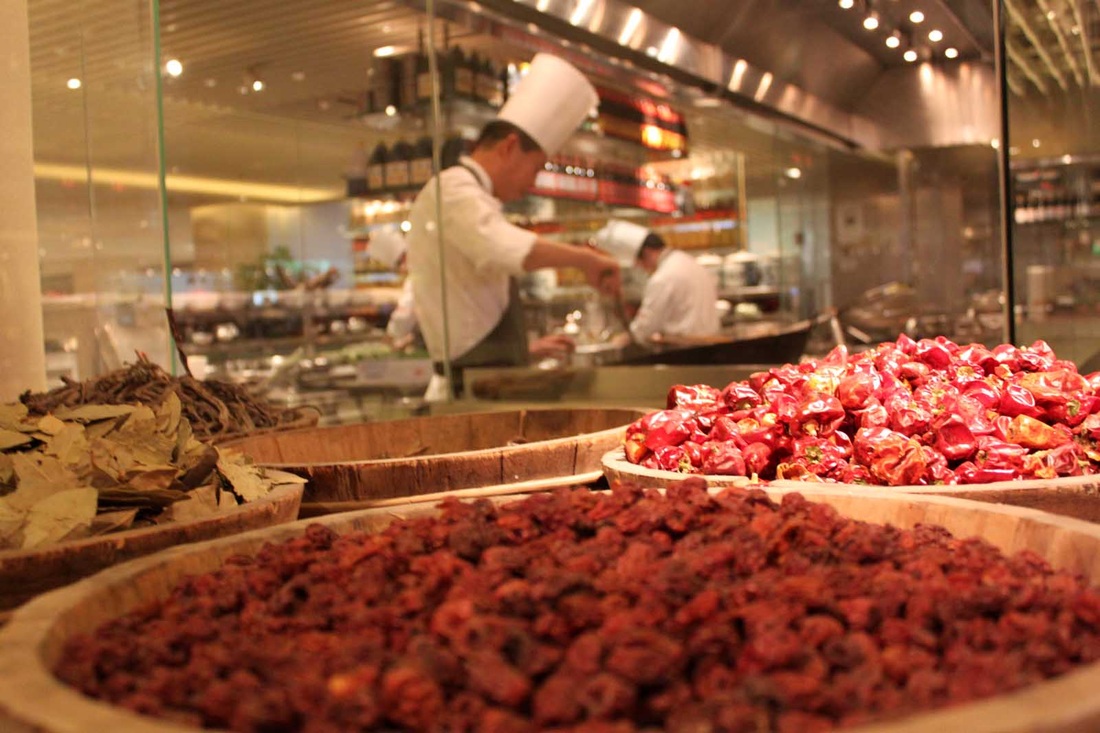
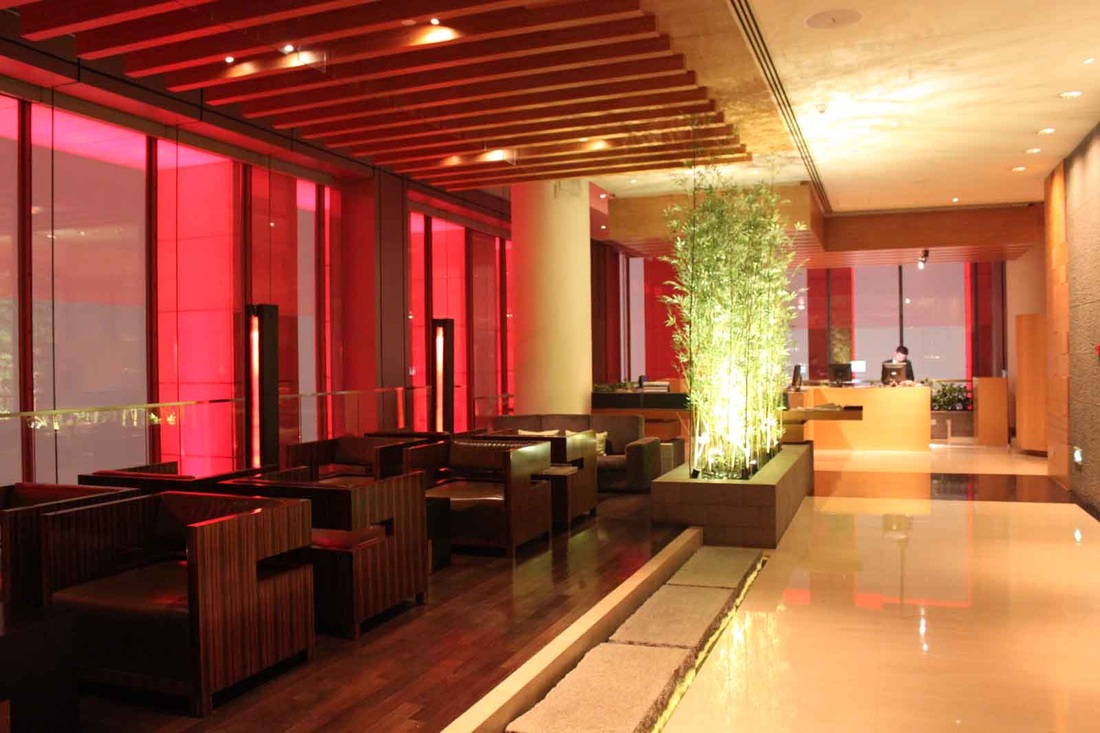
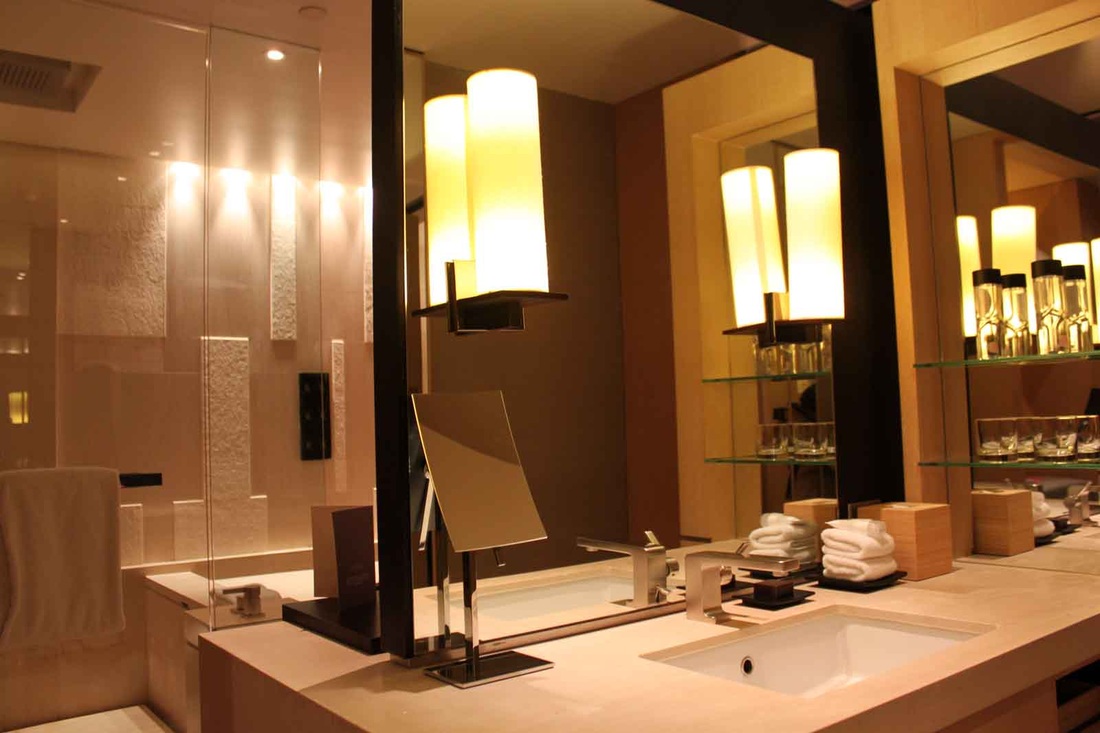
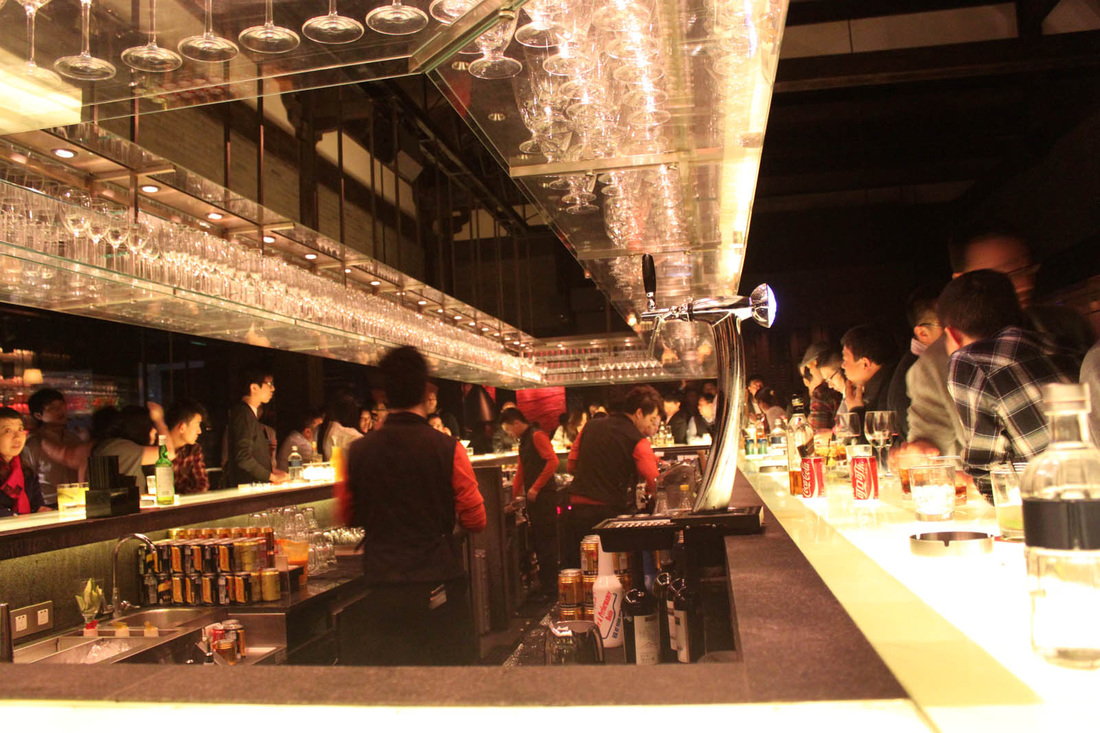
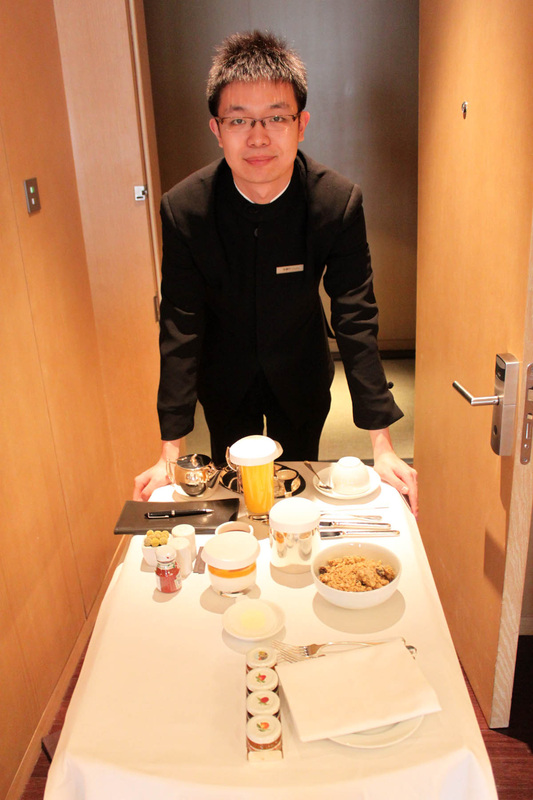
May's trip follows French President Emmanuel Macron's state visit to China earlier in January. This perfectly illustrates that both sides are eager to improve their ties in a time of rising global challenges and uncertainties. May was accompanied by her husband Philip, and leaders from 50 British businesses and commercial organisations. She came here to seek China as a major economic partner for post-Brexit Britain, and looked to improve on the “Golden Era” between the two countries. Premier Li said this year marks China’s 40th anniversary of reform and opening-up, in a prior report to the 19th CPC National Congress, Beijing said it will continue to open markets. In a press conference after their talks on the first day, Li talked about the efforts that China and the UK will make in boosting economic globalisation and fighting against protectionism. Li and May also witnessed the signing of agreements covering trade and investment, financial services, scientific innovation, environmental protection, education and bio-science. At her press conference with Li, May said a “significant number of major new commercial deals” were agreed during her visit, totalling around US$13 billion in value. In turn, Li made encouraging sounds about a future UK trade deal as well as opening Chinese markets more generally to UK agricultural products. “The two-way opening up between China and the UK will go even further and China will open even wider to the UK,” he said. “In line with our agreement, China will expand openness to British products including agricultural products. China will import British products that are needed in the Chinese market.” But how effective are these words and how much do they translate into actions? Well, according to figures, even after this trip, there will be a lot of work to be done by Prime Minister May and the rest of the British government. Britain, the world's sixth largest economy, sends only a minute 3% of its exports of goods and services to China. Meanwhile, just 7% of its imports are from China - with the majority of those coming from Hong Kong and the Guangdong region. Some of the success stories of this trip included announcements that bans on the exports of British beef would be lifted for the first time in decades, the extension of a Maths teacher exchange programme and a campaign to promote English language learning in China. The education deals are worth more than US$784 million and are claimed to create over 800 jobs in Britain. LEARNING ENGLISH NOTHING NEW While these trade deals sound great, it goes without saying that there is much more work needed to be done by Britain. You may think that something like starting an English language learning campaign is a great initiative for Britain because it is the home of the English language, but this is going to be a big challenge. Why? Because the English language market in China is highly competitive and many companies are competing for the same space. Another key factor is that American English is more popular in China than British English because Chinese people are exposed to a lot of American influence through movies and television programs. Go down any street in China and Millennials would know US series such as Friends, The Big Bang Theory, Gossip Girl, or This is Us, but they would have never heard about household British programs such as Coronation Street, Only Fools and Horses, Keeping Up Appearances or EastEnders. It goes without saying that the American culture is part and parcel of the social fabric of the youth in China through contemporary TV shows. Since China opened up its economy in the 1980’s, American TV shows have been a way for Chinese people to practice English, while also learning about pop culture and getting entertained at the same time. When Friends aired in the 1990’s and 2000’s, it captivated the world, including Chinese audiences, with its charismatic yet accessible depiction of life for young, middle-class, upcoming Americans. This ultimately ushered in a new era with English learners who wanted to learn cultural alongside language. Whereas British English is seen by the youth in China to come across as too formal, not so cool and slightly old fashioned - though that may appeal to those who want to apply for British universities. Mrs May said new agreements signed on her trip would "enable more children and more young people than ever to share their ideas about our two great nations", helping to ensure that "our golden era of co-operation will endure for generations to come". However, the issue here is that this is just a small investment into a country such as China where the value of the English-training market is now about US$4.5 billion and some analysts predict that this market will continue to grow at a rate of around 15% over the course of the next few years. A solid proof of this growth is the company Wall Street English, which until recently was owned by the British company Pearson, and is one of the largest private language institutions in China, is currently employing a US$16 million refurbishment plan, with new centres opening in many cities across China. I know this market because I used to work for Wall Street English and Disney English as a director and from my prospective, what the British government is doing is good but it seems a bit late that they are investing into this initiative. Wall Street English already has over 70,000 students in China, which contributes to 30% of its global business. Another business leader on this trip signed a contract for a British company that can provide quality baby milk powder, because Chinese parents trust foreign-made infant milk powder as it is considered safer and of a better quality. Another bit of proof that attempts to woo Chinese investment are reined in by the need to keep America and Europe on side. But selling milk powder is also nothing new- many English-speaking countries are doing this. Australia and New Zealand are the leaders when it comes to selling baby milk powder to China. UNCERTAIN FUTURE WITH BREXIT The total annual value of UK-China trade is about US$84 billion, much less than the US$211 billion in trade between Germany and China. One thing that people would have noticed is that while countries like Germany sell China products such as cars made by BMW and Mercedes, and electronic products made by Bosch and AEG, and the US sells planes made by Boeing or entertainment by Walt Disney, it looks like we can only sell baby milk powder, university education, and English language classes - but that may not be the case. I totally agree that education is one the greatest treasures of Britain, but what is really required for Britain to be proud of is industrialisation and that is missing because sadly Britain is not the almighty great British Empire that it once was in the post-war industrialisation era. In actual fact, contrary to popular belief, Britain's main exports to China are not education and baby milk powder but cars (Aston Martin and Rolls Royce), petroleum products and tourism services, while it mostly imports Chinese manufactured goods, telecommunications equipment, clothing and electronics. Prime Minister May sidestepped a proposed agreement for a formal endorsement of China’s US$900 billion Silk Road strategy and no memorandum was signed. This suggests that Britain is still thinking about the huge infrastructure project and it is still in its infancy stages. A UK government official said. “They both spoke positively about the potential impacts it could have. But it’s important it’s implemented in the right way. They are going to carry on talking.” Philip Hammond, the British Chancellor of the Exchequer, described Britain as "a natural partner" in the initiative while attending the Belt and Road Forum for International Cooperation in Beijing last year. Today, with Britain heading into an uncertain future with Brexit and with the constant threat of terrorism, the country is sadly not really a hot bed for innovation and success that it once was. Yes, there are great strides being made in oil and gas and in the finance sector, both of which were represented during this trip. However, what about the digital revolution and how can China work with Britain for that and vice-versa? NEED TO FOCUS ON BRITISH DESIGN AND TECHNOLOGY I do believe that May should strongly promote British design, technology, high-tech engineering, and environmental services. In China, Britain could be doing more for promoting British goods. It was very sad to see that Marks and Spencer and Tesco were not so successful in China, while the likes of Walmart and Carrefour are thriving there. Its things like this that make me feel that either Britain is behind what other countries are doing or is playing catch-up when it comes to trade with China. The world is going through the fourth industrialisation and as China is investing heavily in Artificial Intelligence (AI), Virtual Reality (VR), e-commerce, wind energy, Machine Learning and Big Data, I believe that these are the key areas in which Britain should be focusing on because this is where the future is heading. People need to be open and embrace this change. While in China people are very mobile friendly and open for change but sadly in the UK this is not the case. If Britain really wants to build better relations with China, then why not invest in educating British people how to learn Chinese and how to use WeChat or use AliPay? Education about China in the UK is lacking. That’s what is required. Do you see British people scrambling to buy the latest products on Alibaba.com, the online and mobile commerce giant? No. As one of the very few Brits who has had the privilege of working for Alibaba.com, one of the most frustrating things that I find is that most people would think Alibaba is the name of their local kebab shop. In January 2018, Alibaba became the second Asian company to break the US$500 billion valuation mark. Its online sales and profits have surpassed all US retailers, including Walmart, Amazon and eBay, combined since 2015. WECHAT IS IMPORTANT Using technology to learn about China is the key to success. While there are nearly a billion users globally of the WeChat app, hardly anyone in the UK has probably heard of it. There are no restrictions to British people to use this app. All you need to do is download it for free and use it. I wonder how many of the 50 business leaders know how to use it or know how beneficial this app can be for their businesses? To be effective in doing business with China you have to use WeChat and be able to really understand the culture and the ways of communicating effectively. The vast majority of the people in the UK use Facebook Messenger and WhatsApp, and except for a handful of people like me who have lived and worked in China, my educational guess is that if it is used in the UK, it will be by the Chinese or the Asian community. In that sense, I do feel that our tiny island-nation, which is dependent on imports from the outside world, has to make deals with countries who would be willing to pump money into our economy. In conclusion, it is fair to acknowledge that despite the productive meetings, it is early to say what impact the trip will have in the coming years. The China-Britain relationship has always been considered an exemplar for China-West ties in terms of putting aside differences and seeking the largest possible common ground. Both China and the UK now stand at the entrance to a new era. This is a strong fact that makes me feel proud to be British as well as value Chinese culture. I hope we'll be able to attract further investment and showcase what Britain is really good at. This article was first published on ChinaPlus, part of the China Radio International (CRI). You can click here to read the original piece. Airline pilots are apparently trained not to spill drinks while in-flight. Interestingly, after our flight was delayed by nearly three hours (they like to avoid the insurance claims, so the delays are always just below three hours!), these chaps were in such a rush to get me to my wedding in Yangzhou that we ended up spilling the drinks in-flight! 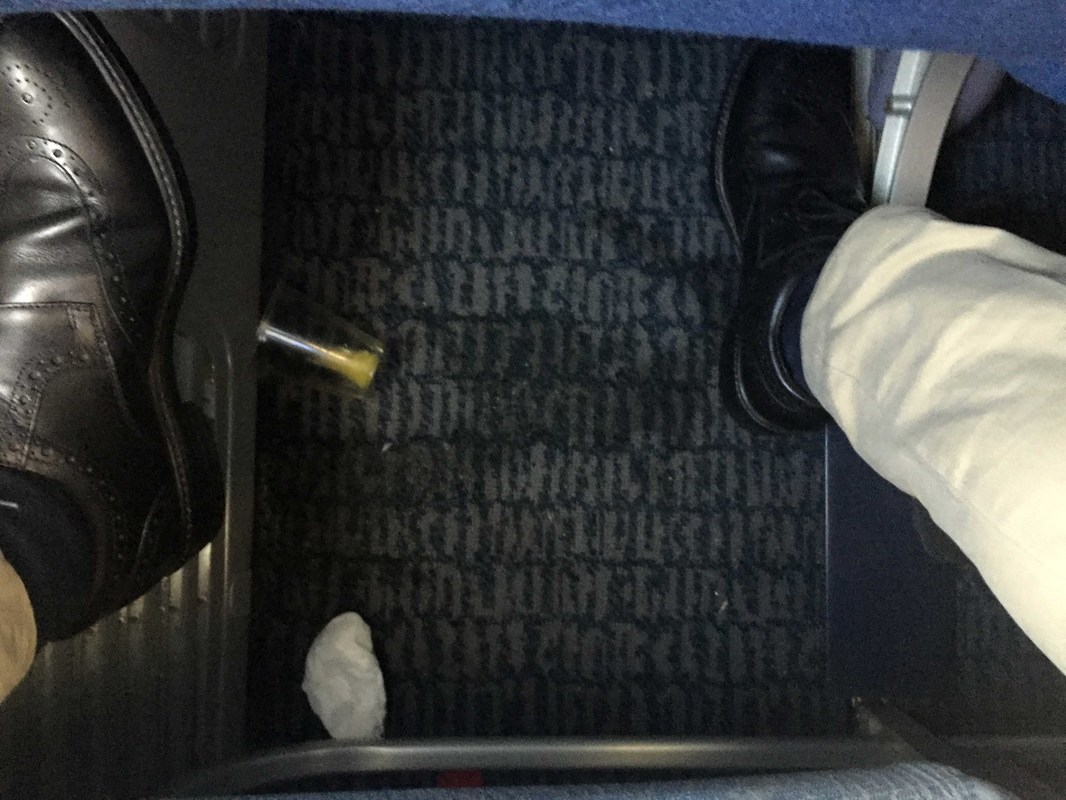 There goes the orange juice!: Photo Copyright Navjot Singh 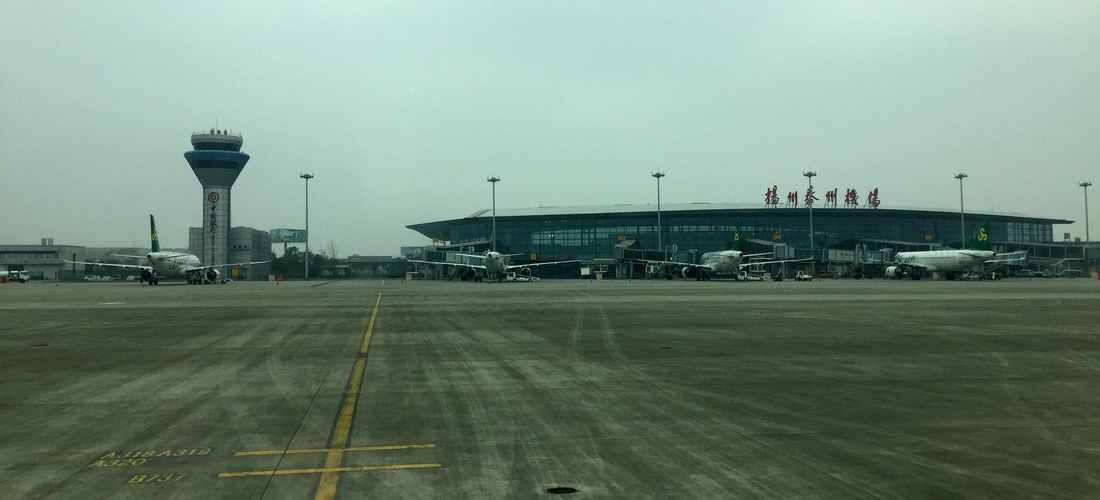 Yangzhou Airport: Photo Copyright Navjot Singh 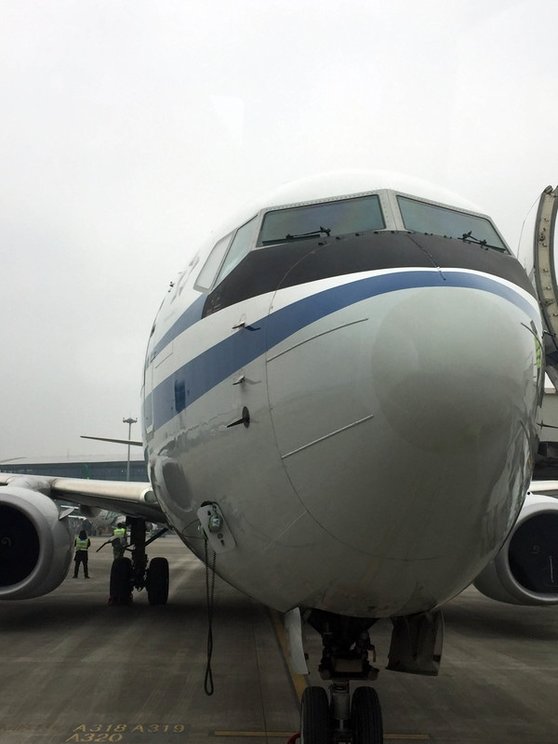 The Boeing 737-800 on which we travelled: Photo Copyright Navjot Singh 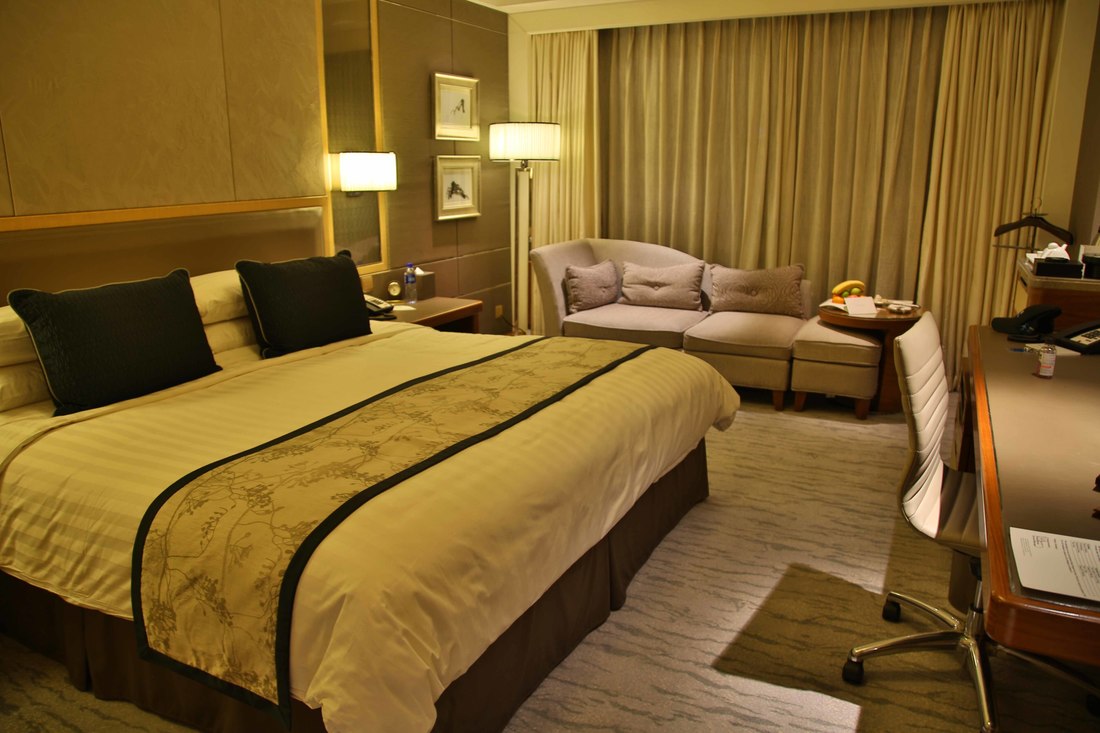 Kerry Hotel, Beijing: Photo Copyright Navjot Singh The last time I stayed at a Kerry hotel was in Shanghai in 2012 (time really flies by...it feels like yesterday!). With that mind, I very much excited about checking out the Beijing branch of the Shangri-La group owned property. The best thing about the visit was that this is during the Chinese New Year - so it wasn't going to be as busy as one would experience otherwise. Located in the heart of Beijing’s Central Business District (CBD), the Kerry Hotel is conveniently connected within waling distance to two luxury retail arcades offering plenty of tasty and convenient options for eating out (though, during this trip, most of them were empty because of Chinese New Year). The closest metro station is Guomao subway station (line one) and is only five stops away from Tiananmen Square and the Forbidden City. Our experience started the moment we arrived. We were whisked away to check-in at the Club Lounge, where we were welcomed by the General Manager and the Communications Director. Complimentary welcome drinks, as well as personal welcome to make sure that my family and I had a carefree stay at the fabulous hotel, made the initial impression a positive one. Some of the positive points of the hotel are that it offers a well-stocked complimentary bar in every room, complimentary wireless in rooms (naturally), and a paperless check-in that’s quick and easy. If you are staying at one of the Club level rooms, then there are added perks such as access to the Club Lounge, where you can have daily breakfast with stunning views across to Guomao in a quiet and much less crowded environment, and evening cocktail drinks and canape finger food from 5-8pm in the happy hour. The bathroom is an adventure waiting to be explored. With a built-in TV in the mirror, a bathtub for loved-up couples and a rain forest shower and an entire drawer filled with items like shaving cream, toothbrushes and luxury amenities, you'll be spoilt for choice. The Japanese-style toilet won't let you down either- it comes with a nifty set of buttons allowing you to conjure water to wash and massage the various unmentionable bits- keep it clean!. The hotel's 24-hour gym is one of the best things ever, especially if you want to burn those calories while you are jet-lagged in the middle of the night (actually pilots and cabin crew may want to do that- the hotel is a preferred choice for United Airlines, Thai Airways and few other airlines). Back around 10 years ago, most tourists were lured to try the Beijing Duck at 32 Qianmen Avenue in the old part of Beijing. Nowadays, almost every top hotel in the capital is offering the best authentic Beijing Duck experience), so it was no surprise that we were offered one of the nest dining experiences for eating Beijing Duck at the splendid Horizon Restaurant, which is located on the ground floor, just after the lobby. Guests are welcomed by traditional Chinese design elements like a wall of bamboo strips inspired by dim sum steam baskets, wooden cabinets to lock away personalised tea, and elegant pendant lamps. I would highly recommended booking in advance. We tried ten of Horizon’s specialities, including their Ya Yuan Authentic Beijing Duck. If you want to try the dim sum set then that would be highly recommended to. It will simply blow your mind away. So, go ahead and bag a table next to the glassed-in duck ovens to watch the gifted Chef Yuan and his team roast these beautiful birds over a traditional jujube wood fire. Lastly, no visit to the Kerry Hotel is complete without the the liveliest hotel bars in Beijing – Centro – which is open 24 hours a day (did someone say insomnia for jet=lagged passengers and crew?!)- not to complain though. Kerry Hotel, Beijing, I will be back...sooner than I would like to imagine. 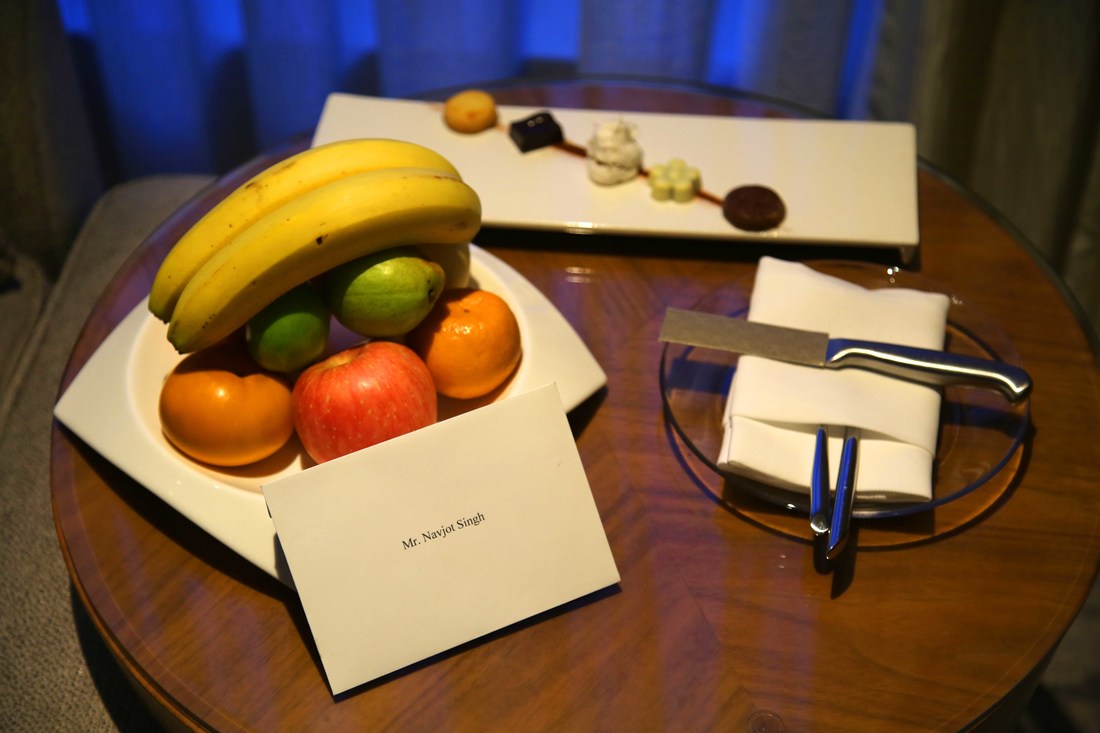 Kerry Hotel, Beijing: Photo Copyright Navjot Singh 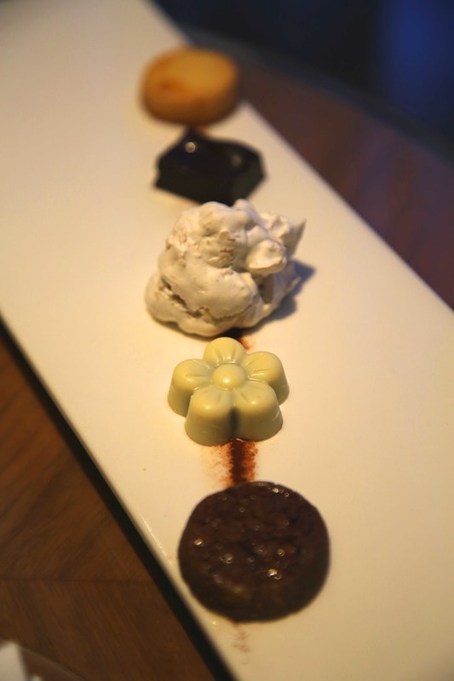 Kerry Hotel, Beijing: Photo Copyright Navjot Singh  Kerry Hotel, Beijing: Photo Copyright Navjot Singh 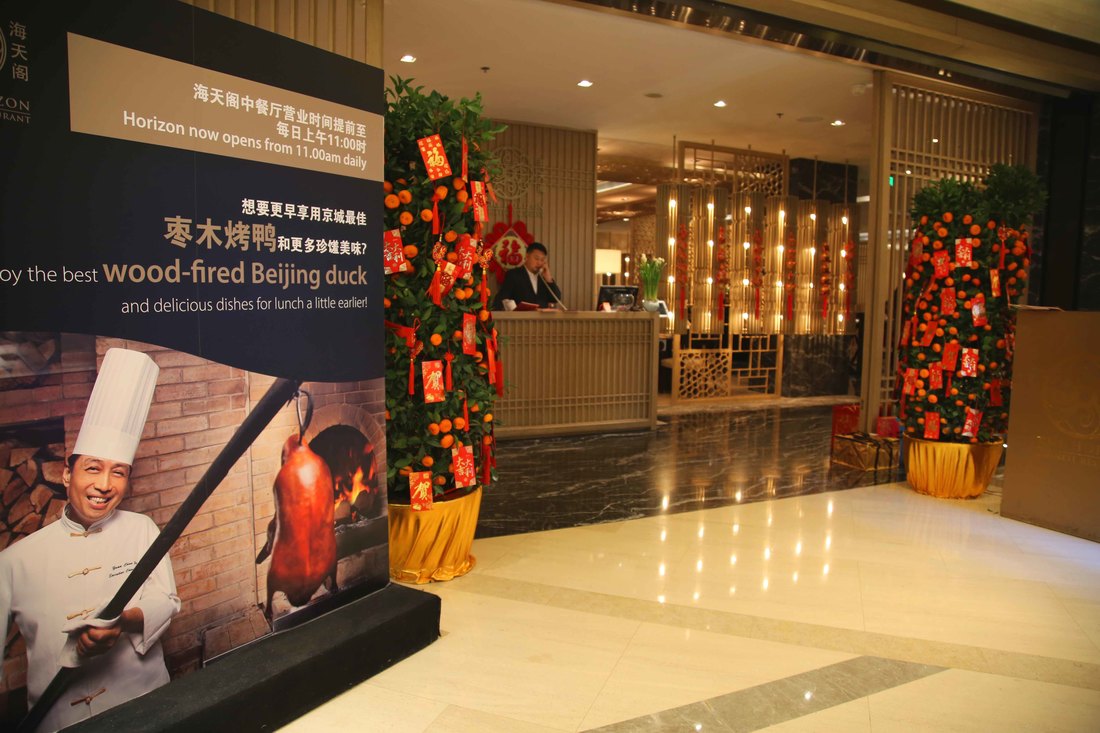 Horizon Restaurant at the Kerry Hotel, Beijing: Photo Copyright Navjot Singh 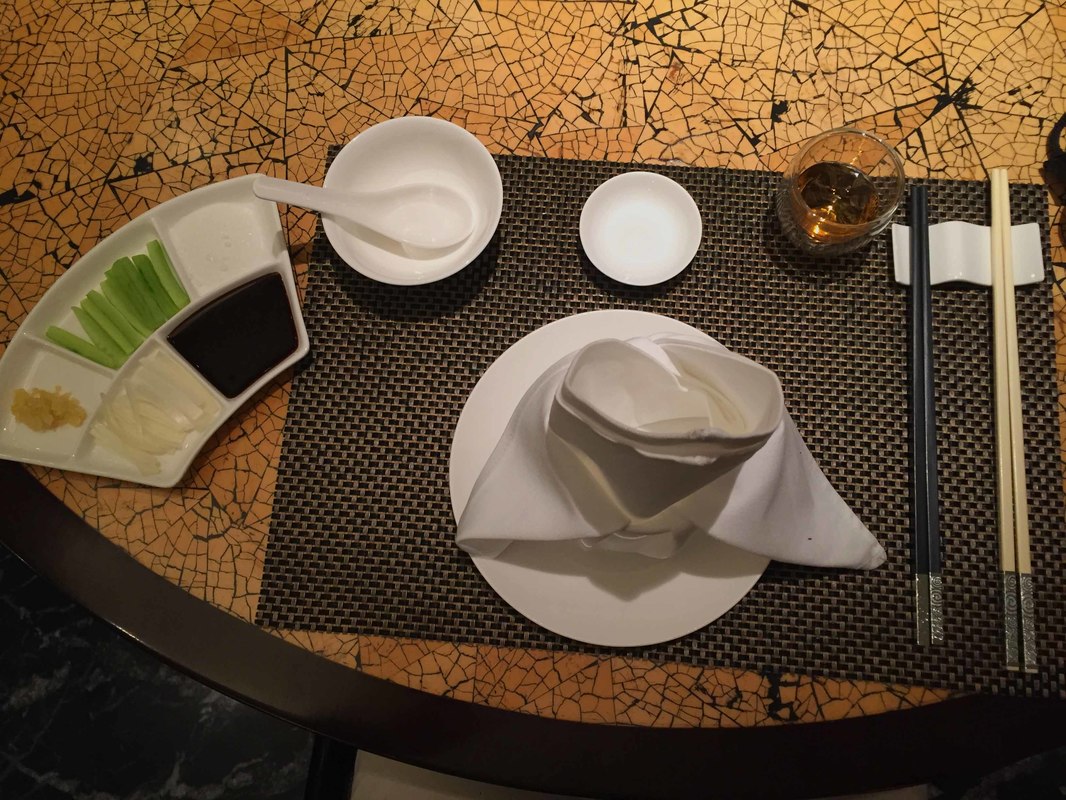 Getting ready to indulge in Beijing Duck at the Horizon Restaurant at the Kerry Hotel, Beijing: Photo Copyright Navjot Singh 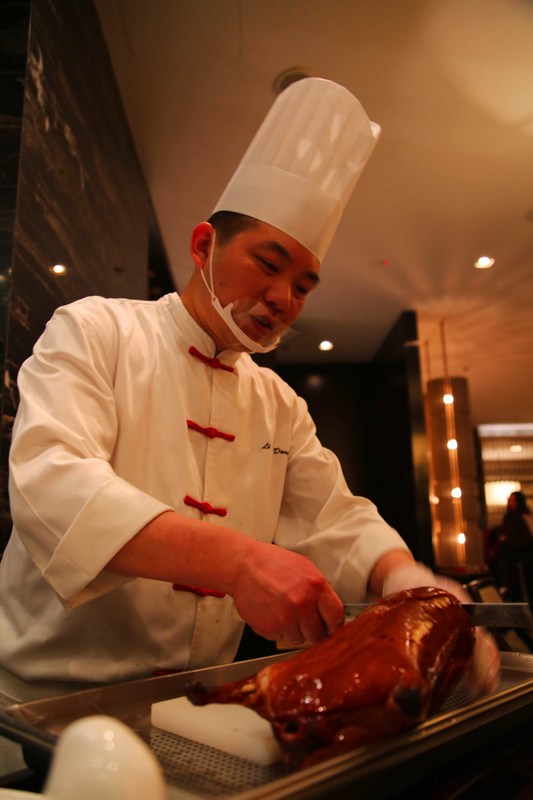 Cutting freshly cooked Beijing duck at the Horizon Restaurant at the Kerry Hotel, Beijing: Photo Copyright Navjot Singh 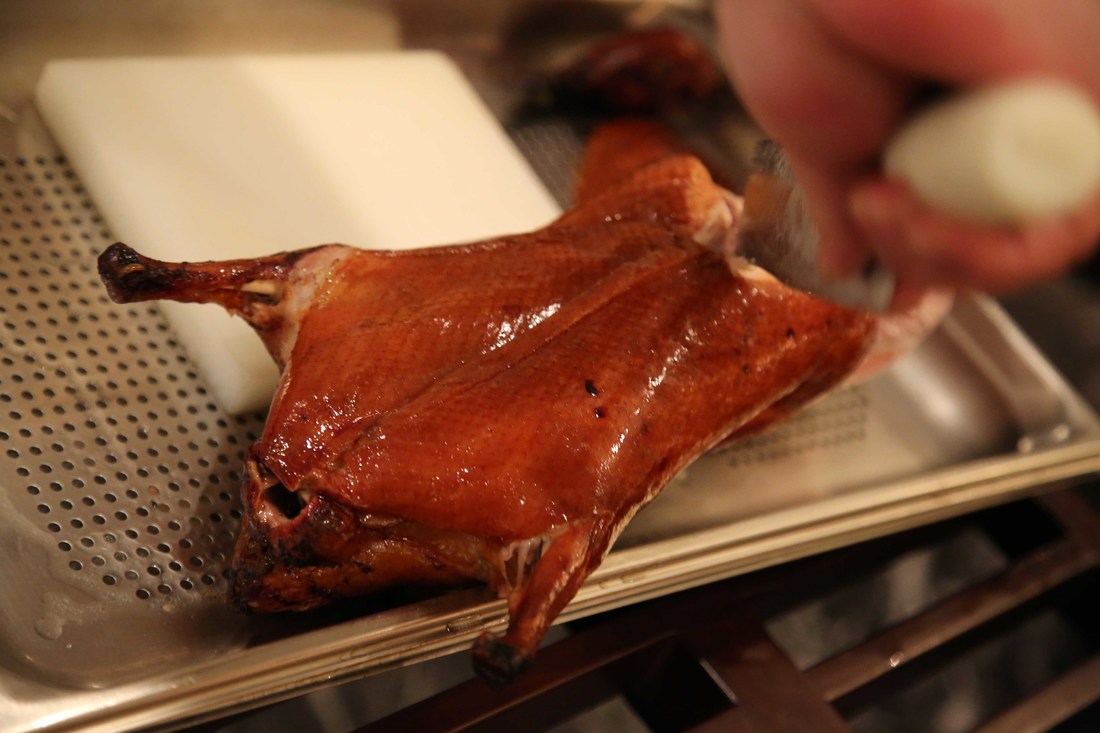 freshly cooked Beijing Duck at the Horizon Restaurant at the Kerry Hotel, Beijing: Photo Copyright Navjot Singh 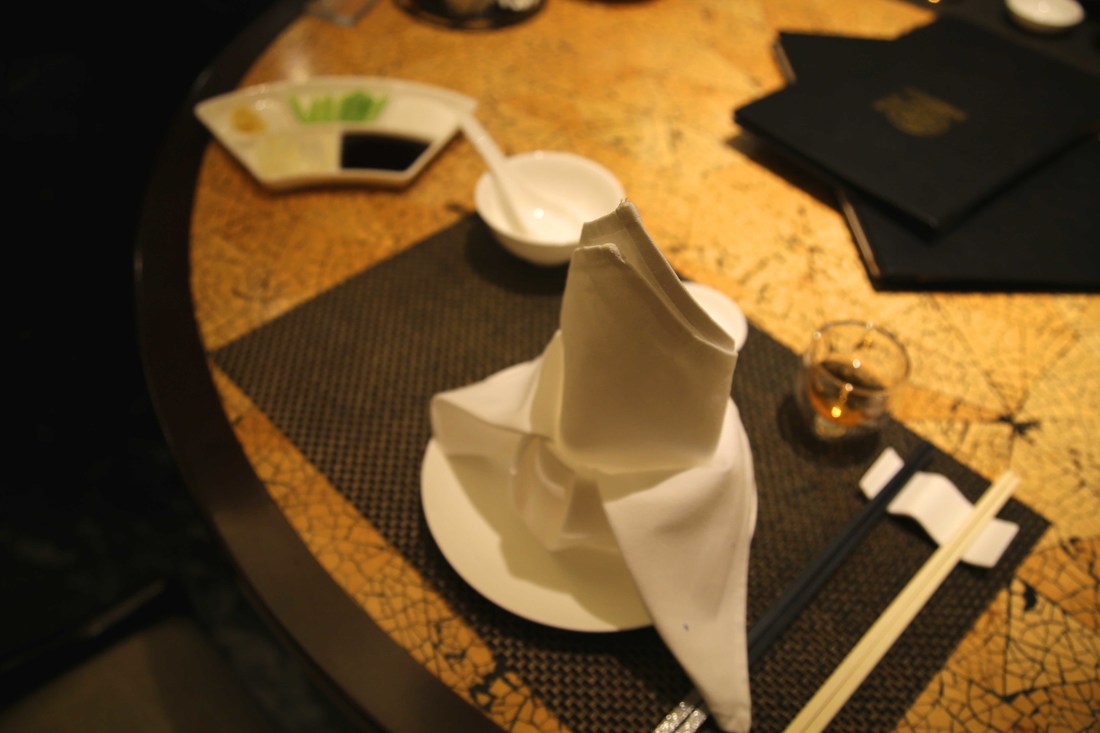 Horizon Restaurant at the Kerry Hotel, Beijing: Photo Copyright Navjot Singh 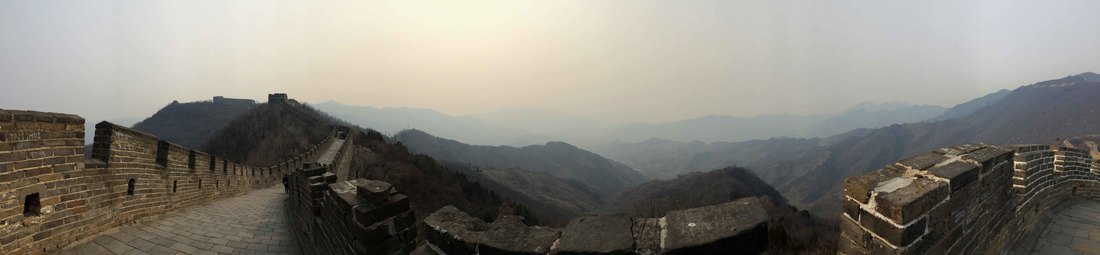 The Great Wall at Mutianyu in Beijing took hundreds of years to build...(Emporer?) Trump has a lot of work to do: Photo Copyright Navjot Singh Below are two images of the same view seen exactly 24 hours apart at 7am from my bedroom window at the Kerry Hotel in Beijing's Guo Mao area. The first image shows Beijing's sky being blue and crisp clear (rare), while the second image shows what the weather in Beijing is usually like on most days, sadly. 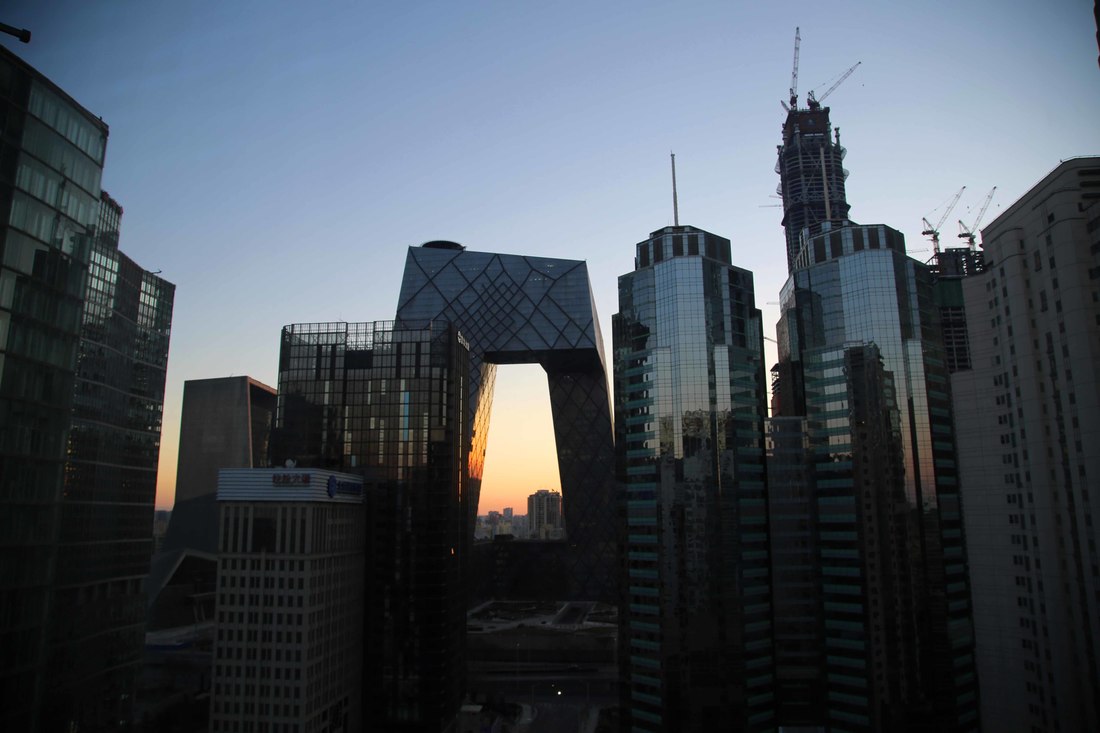 Fine morning in Beijing: Photo Copyright Navjot Singh 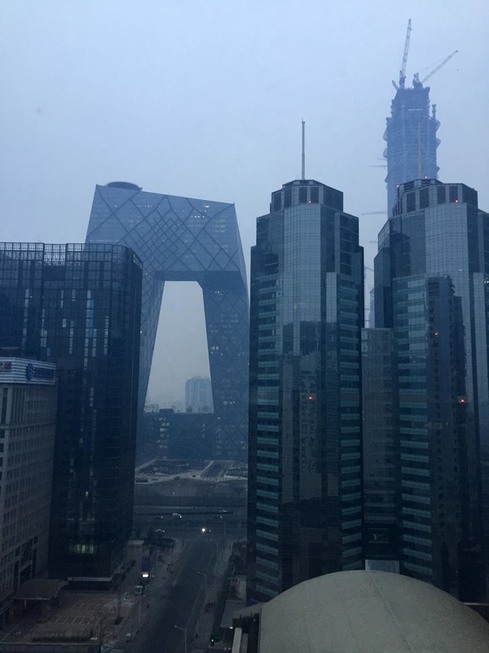 Photo Copyright Navjot Singh 'Explore the Hutongs' - Article in August 2016 Issue of QRYX, In-Flight Magazine of Qatar Airways8/1/2016
My latest article is about Beijing's hutongs, for the August issue of Qryx, the in-flight magazine for Qatar Airways (the world's 5-star airline). 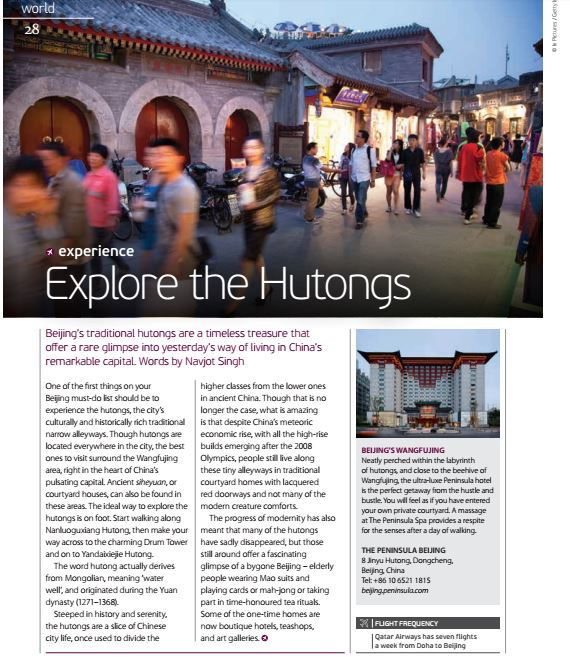  My latest article is about contemporary art in Beijing, for the June issue of Qryx, the in-flight magazine for Qatar Airways (the world's 5-star airline). 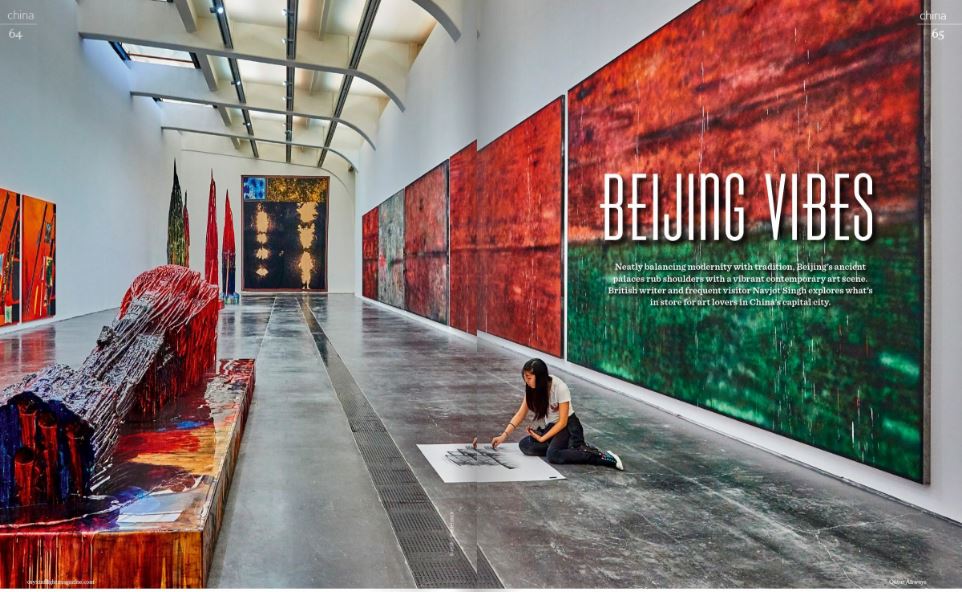  Elevation is less than 2,000 meters. The highest mountain is Mount Hengshan (恒山) with an elevation of 2,017m: Photo Copyright Navjot Singh 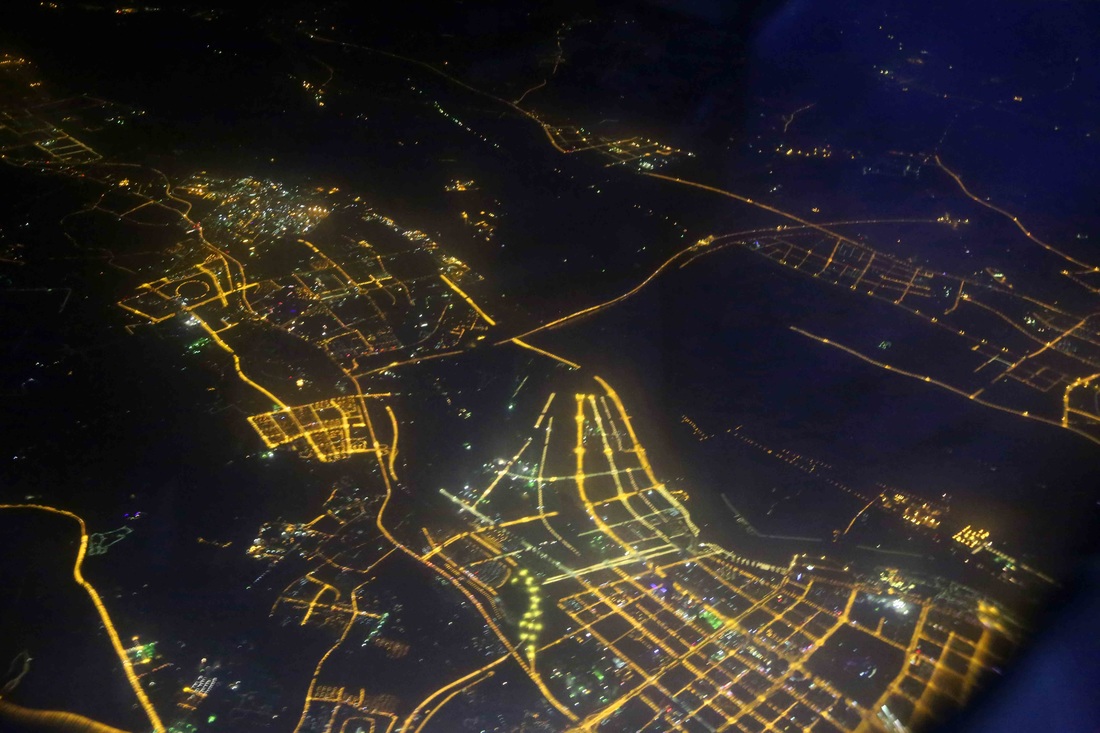 Sitting on the mighty Yangtze River, the historical city of Nanjing glitters at night. To really understand China's history, it is highly worth visiting Nanjing on your next trip to China: Photo Copyright Navjot Singh 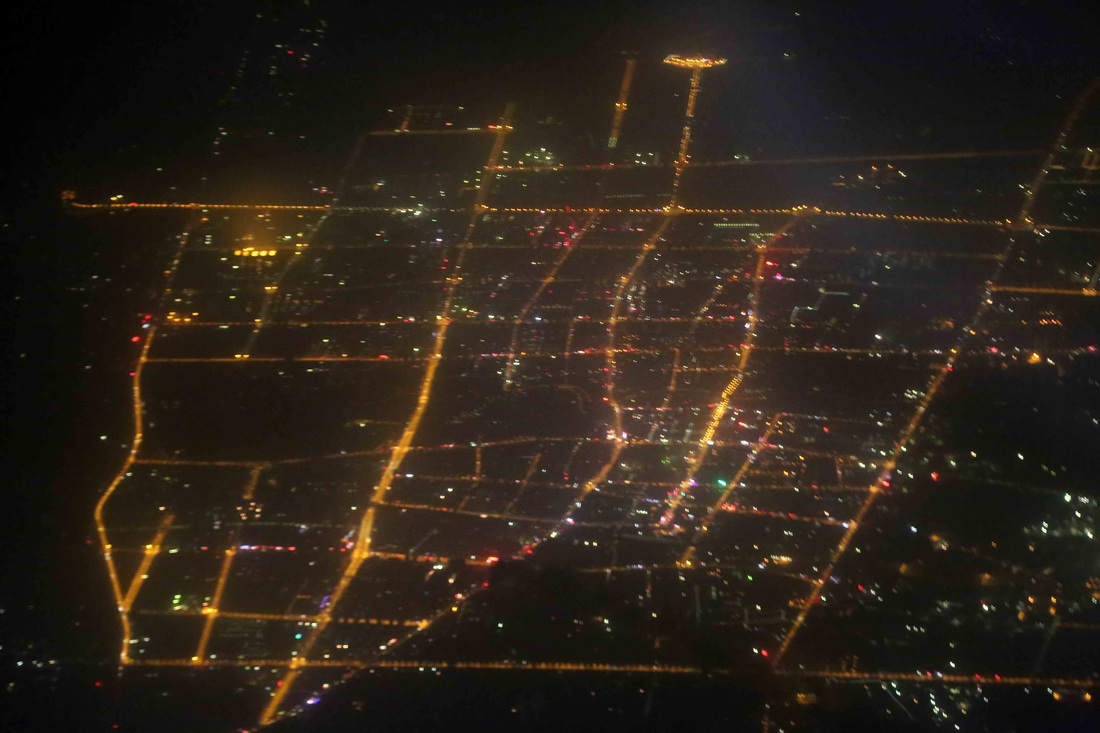 Tianjin city, home to around 10 million souls, lies close to Beijing: Photo Copyright Navjot Singh Whirlwind visit to the HQ of China'a CCTV station for a meeting provided the opportunity to experience the capital city for a few hours. A few welcoming changes to the city's infrastructure...though the haze still looms... 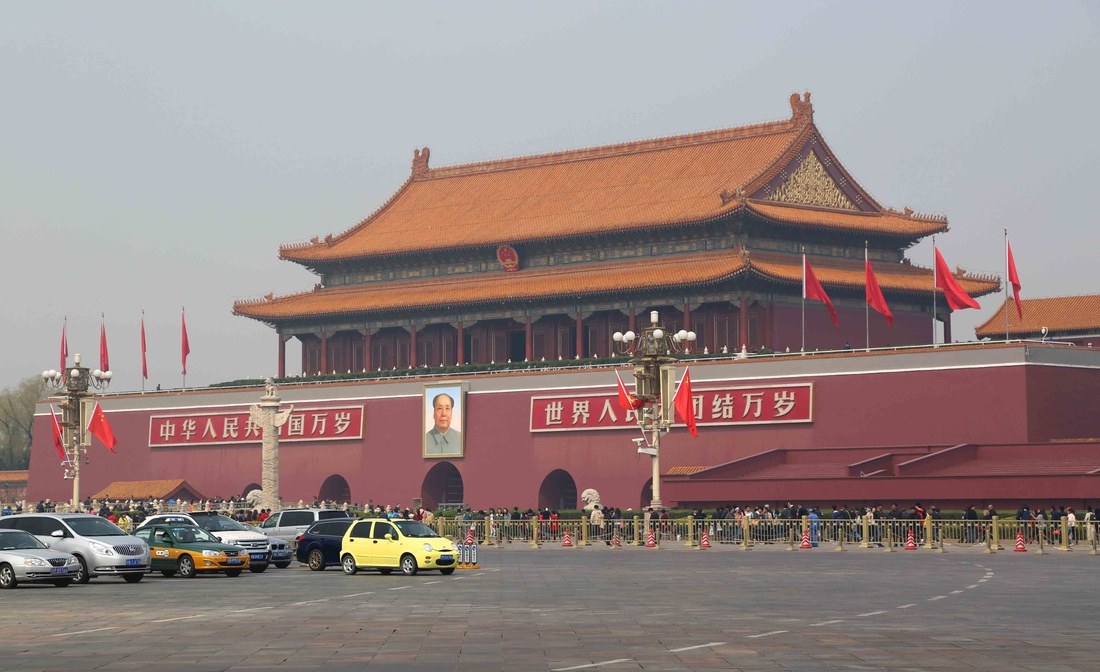 Tienanmen Square: Photo Copyright Navjot Singh 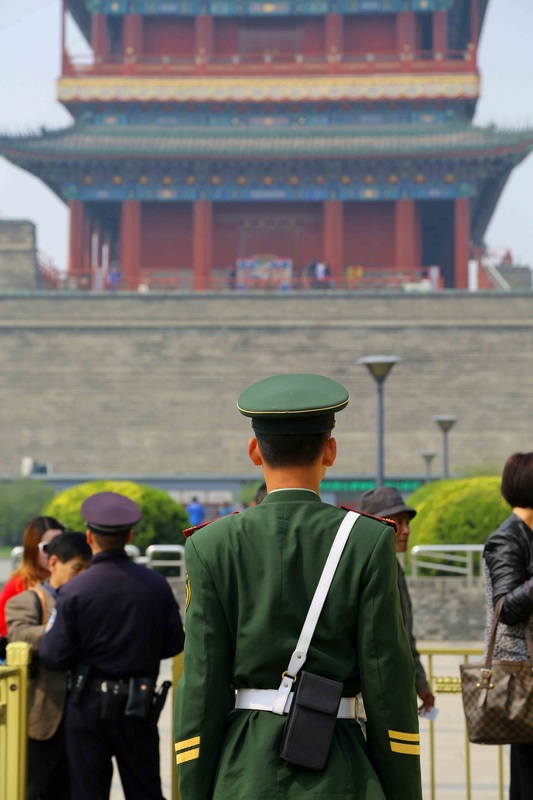 Guard stands to attention at Qianmen, near Tienanmen Square: Photo Copyright Navjot Singh 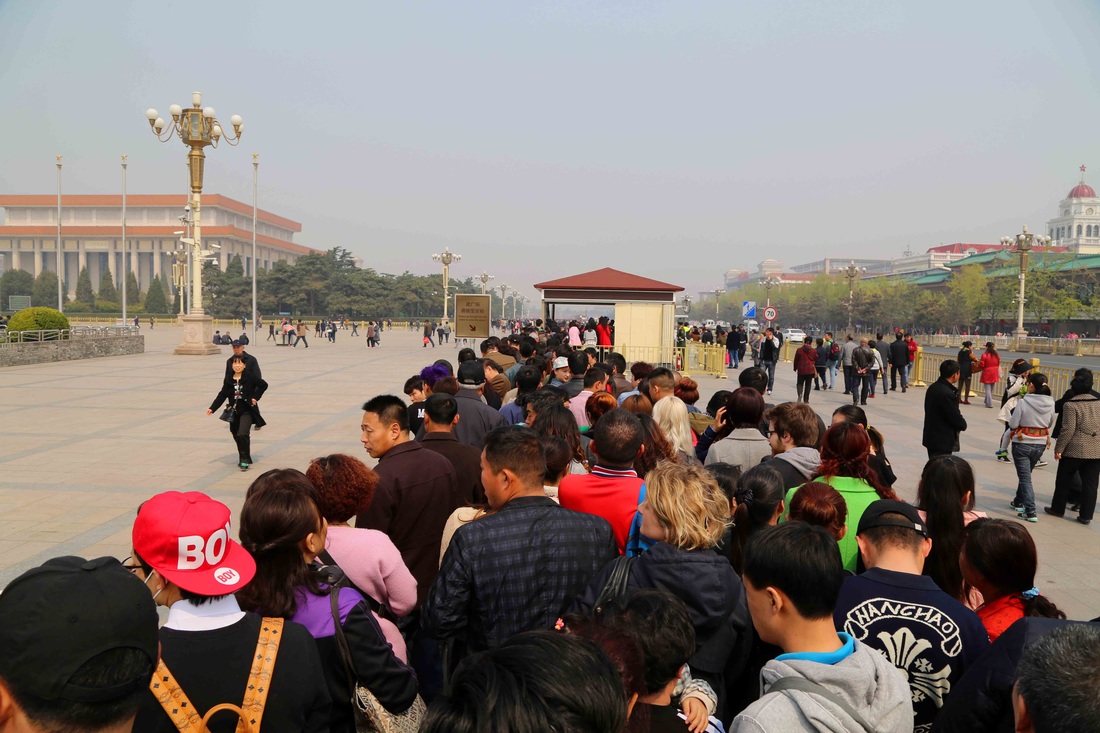 Morning crowds at Tienanmen Square...security these days is super tight...not like back in the days when you could just stroll into the square without any checks: Photo Copyright Navjot Singh 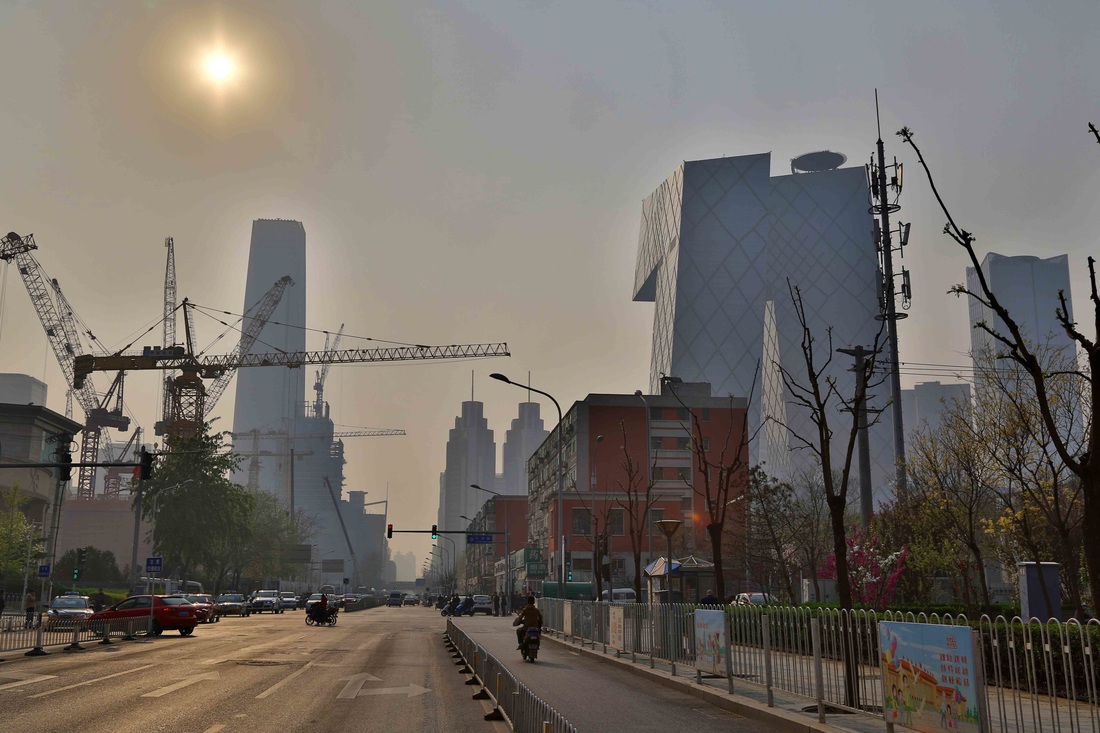 The sun struggles to come through the capital city's haze in Guomao: Photo Copyright Navjot Singh 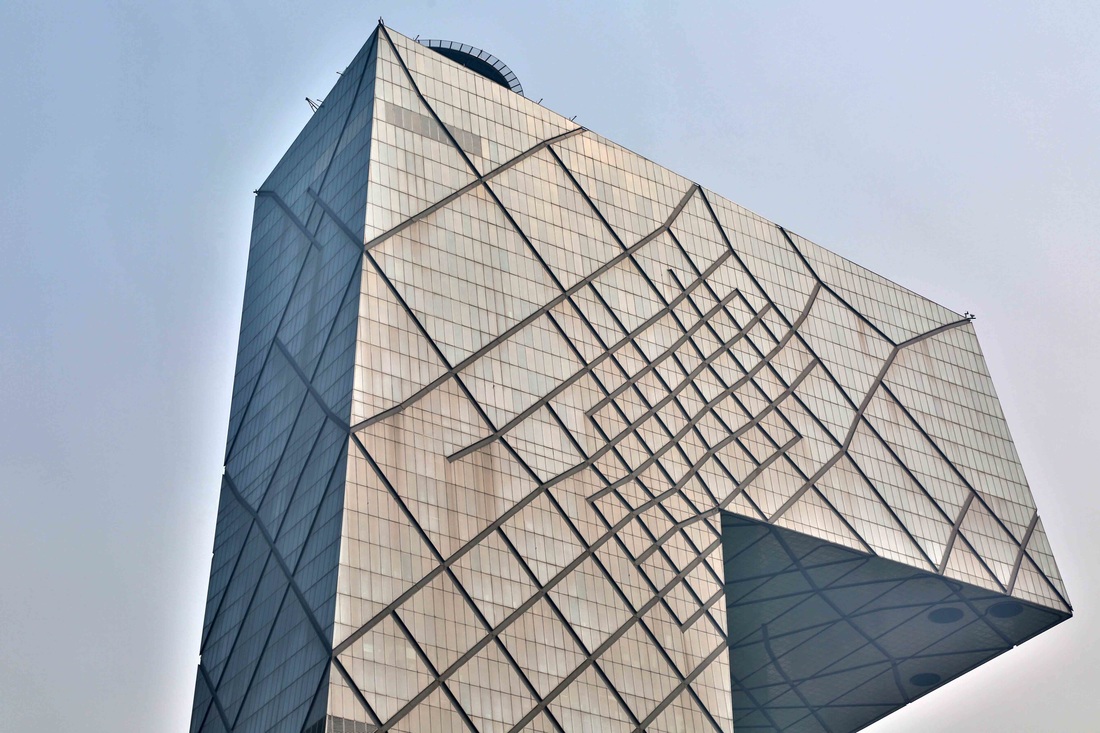 The trouser building- also doubles as the HQ of China's CCTV station: Photo Copyright Navjot Singh 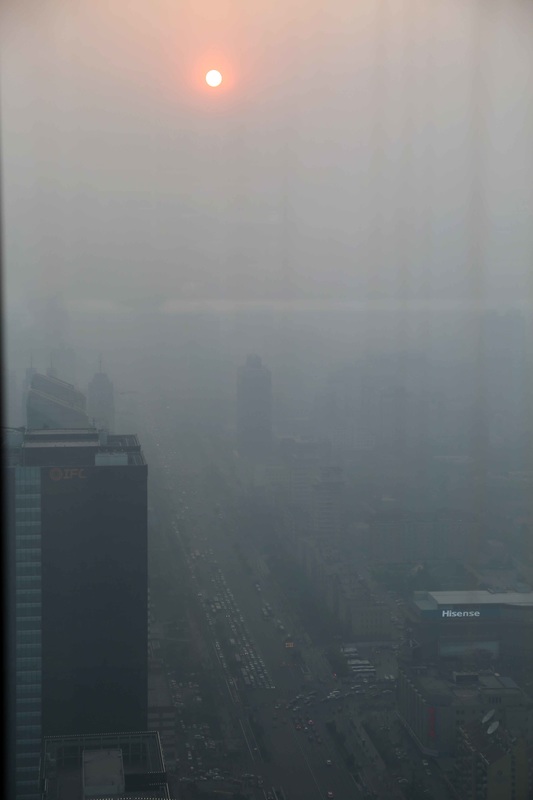 The smog...never fails to leave: Photo Copyright Navjot Singh Ridiculously delicious...and only 4 RMB (about US $0.60)...but EACH bite is worth a million dollars. Shame that even the BEST Chinese restaurants outside of mainland China don't serve this. The chefs at this company cafeteria in Hangzhou deserve more attention than they get. 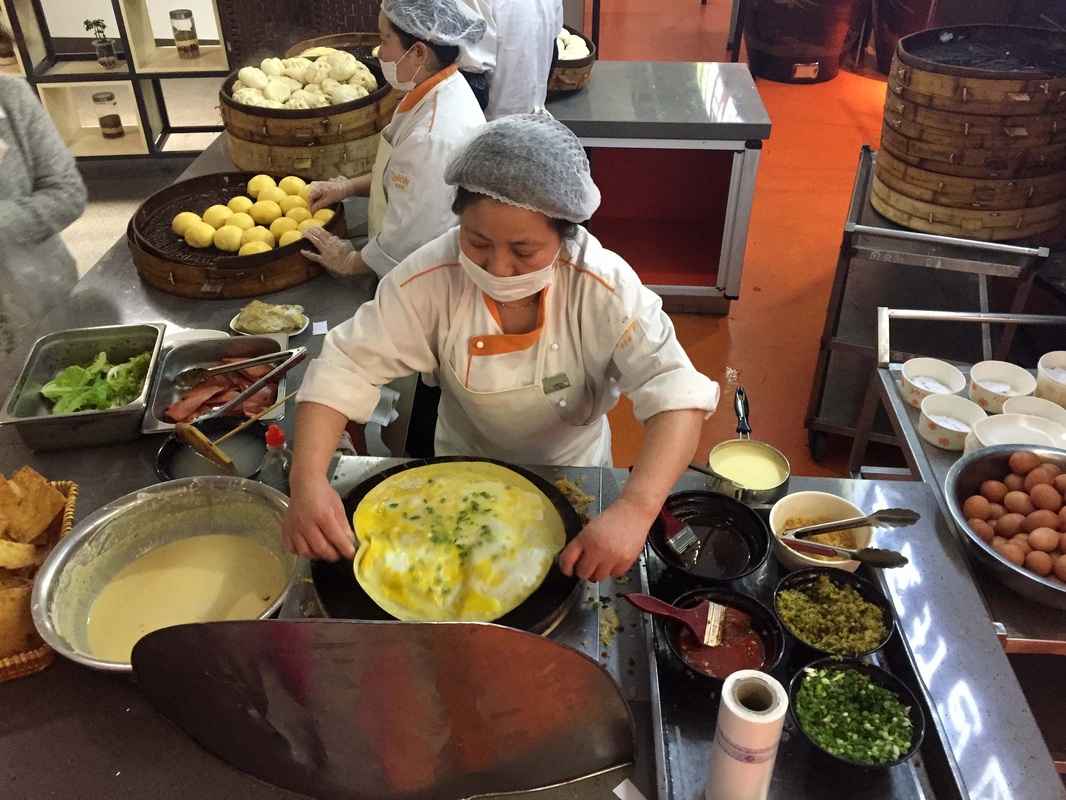
Cooking a Beijing Jianbing (北京煎饼) with two eggs: Photo Copyright Navjot Singh
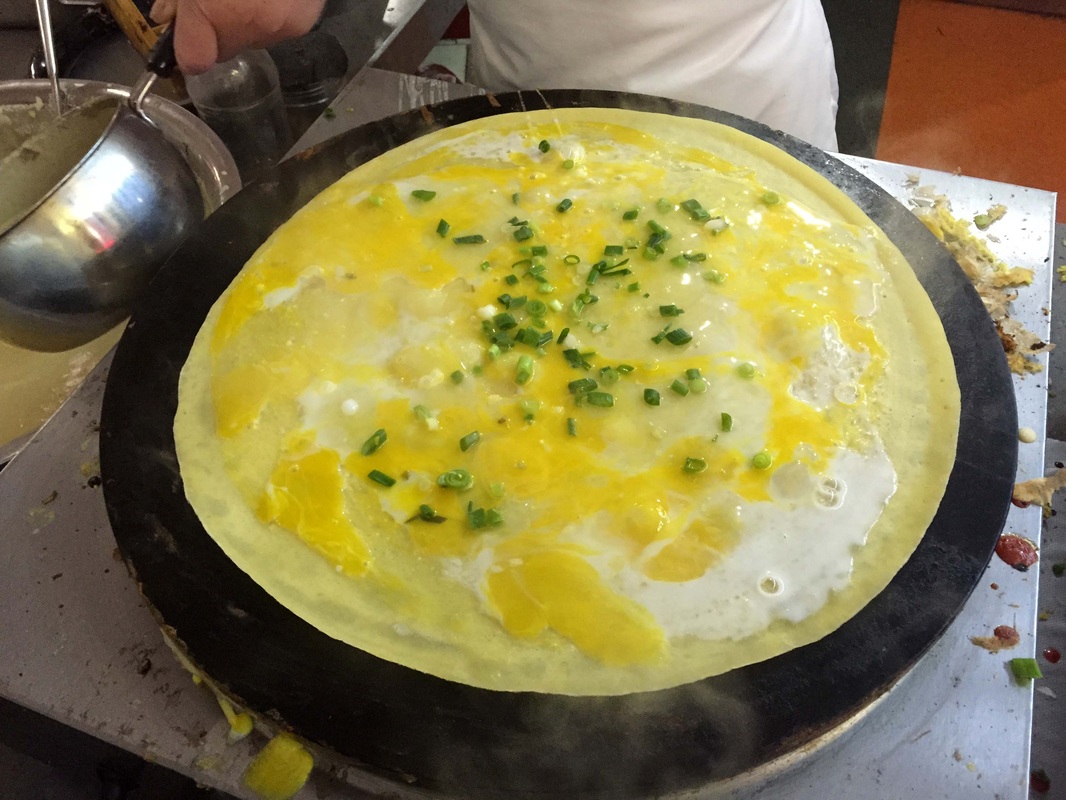
Cooking a Beijing Jianbing (北京煎饼) with two eggs: Photo Copyright Navjot Singh
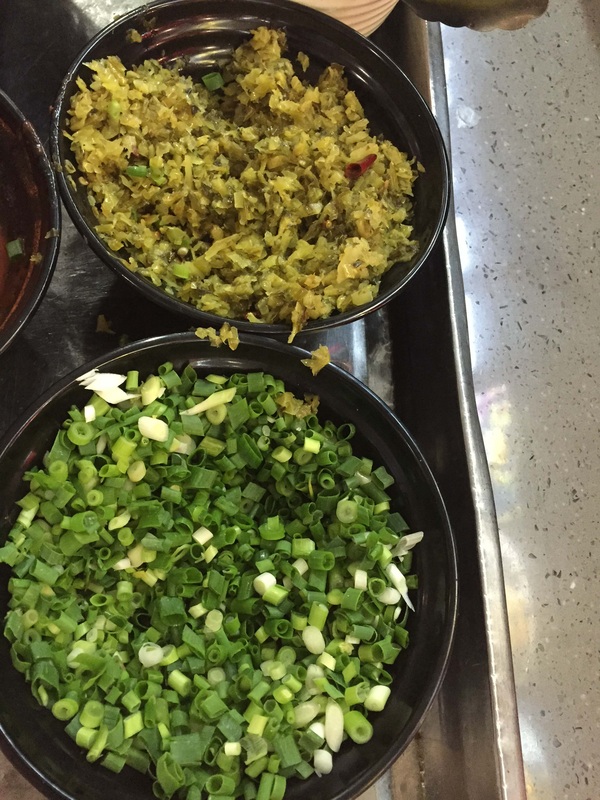
Ingrediants used to make a Beijing Jianbing (北京煎饼): Photo Copyright Navjot Singh
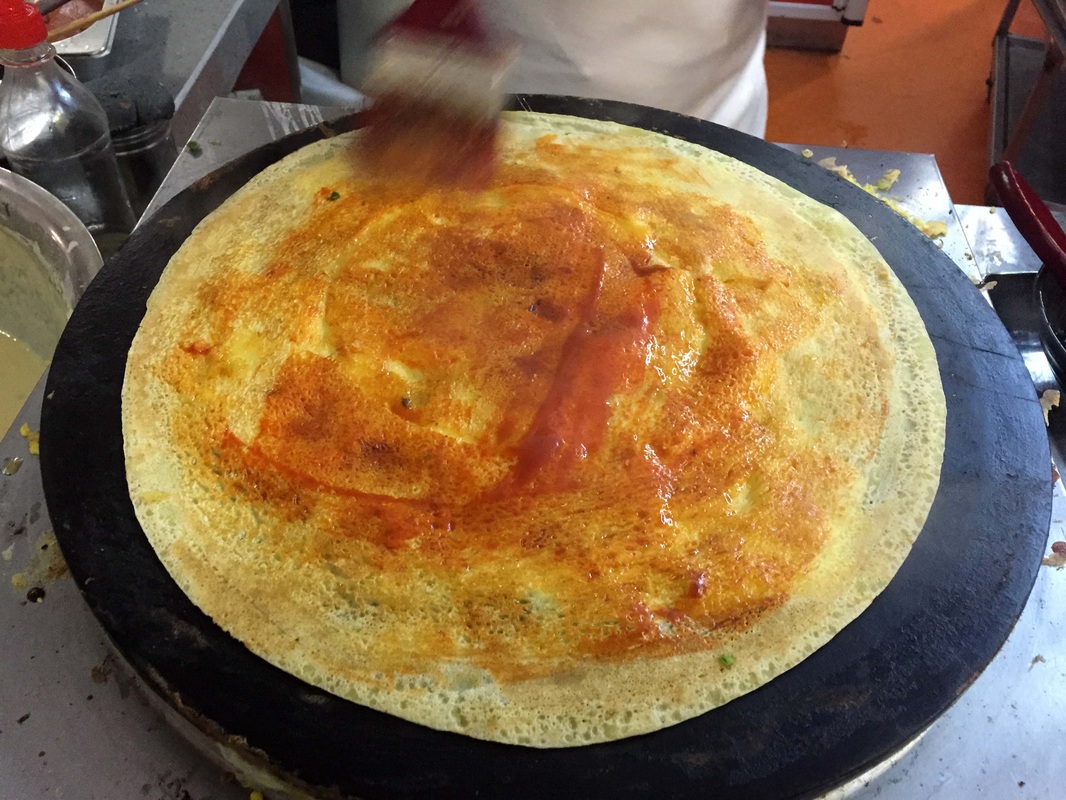
A Beijing Jianbing (北京煎饼) with two eggs: Photo Copyright Navjot Singh
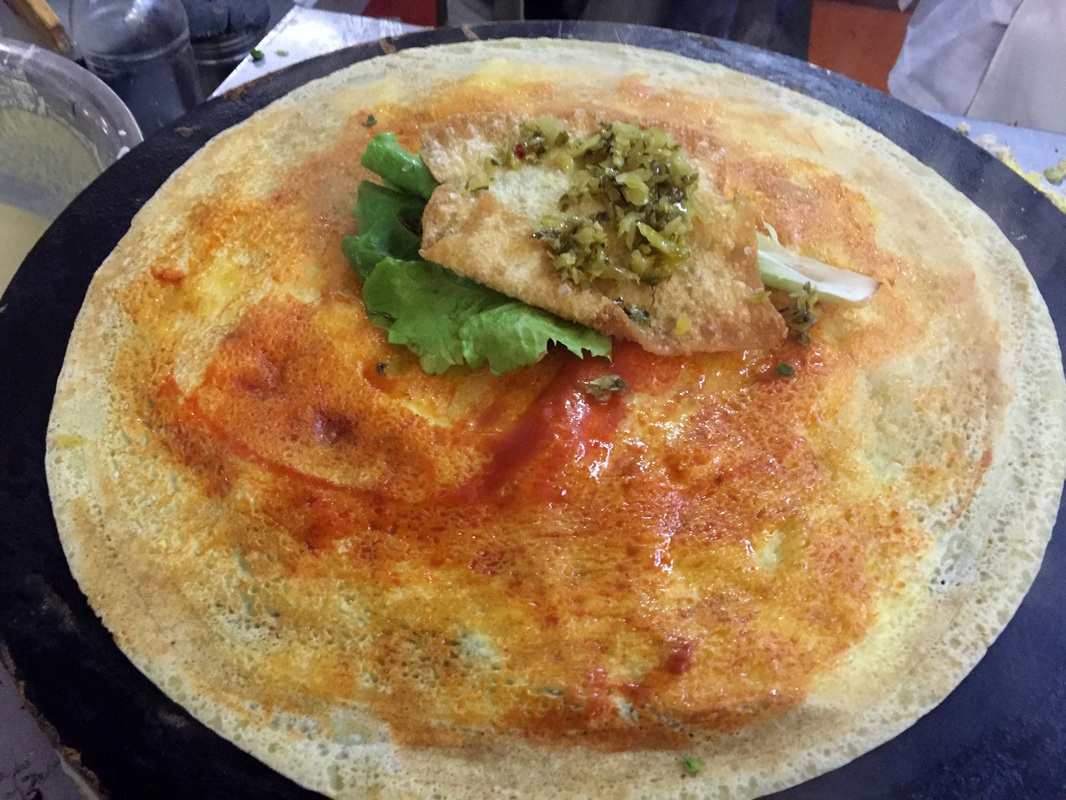
A Beijing Jianbing (北京煎饼) with two eggs: Photo Copyright Navjot Singh
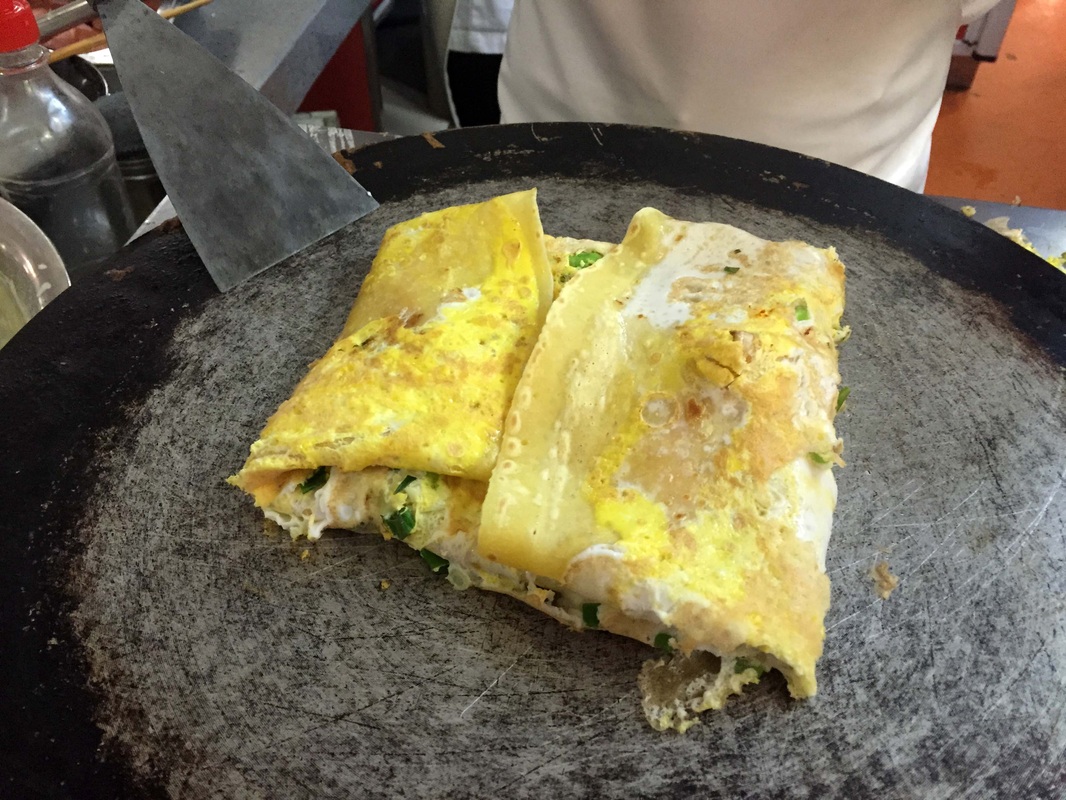
A perfectly made Beijing Jianbing (北京煎饼) with two eggs: Photo Copyright Navjot Singh
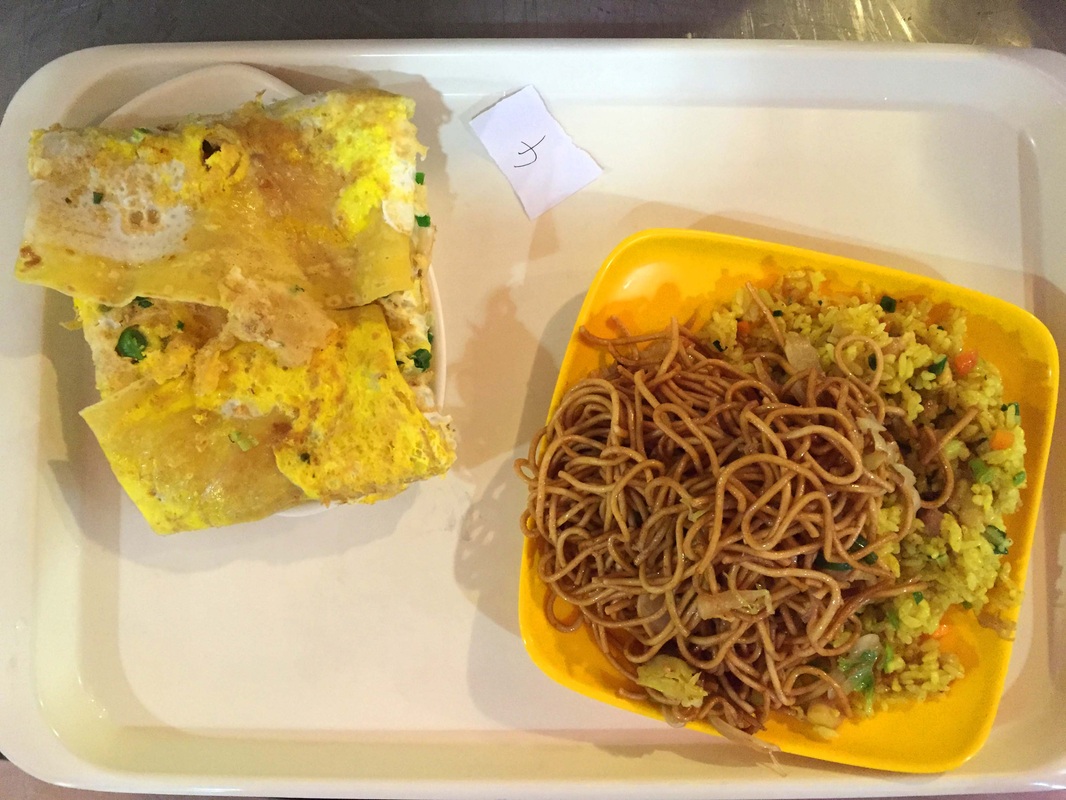
A Beijing Jianbing (北京煎饼) served with 扬州炒饭 and 新洲米粉: Photo Copyright Navjot Singh
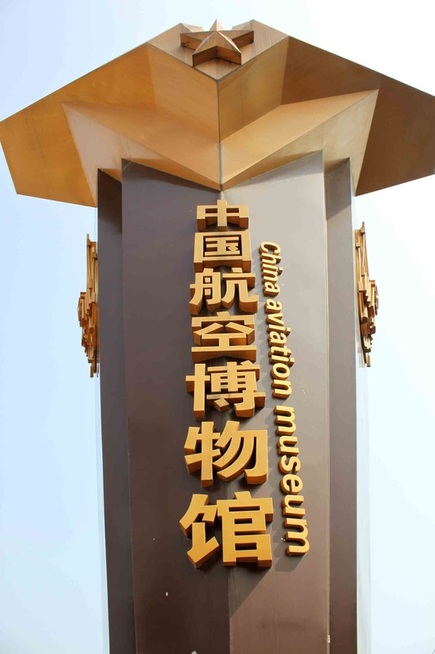 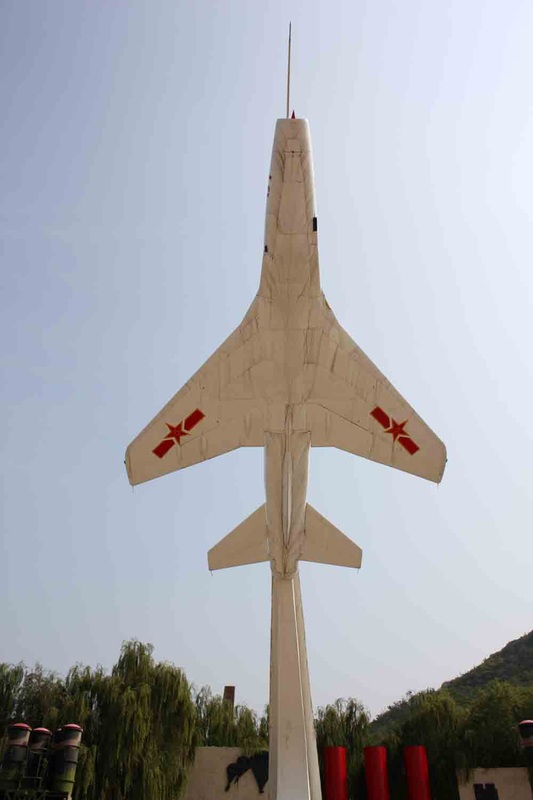 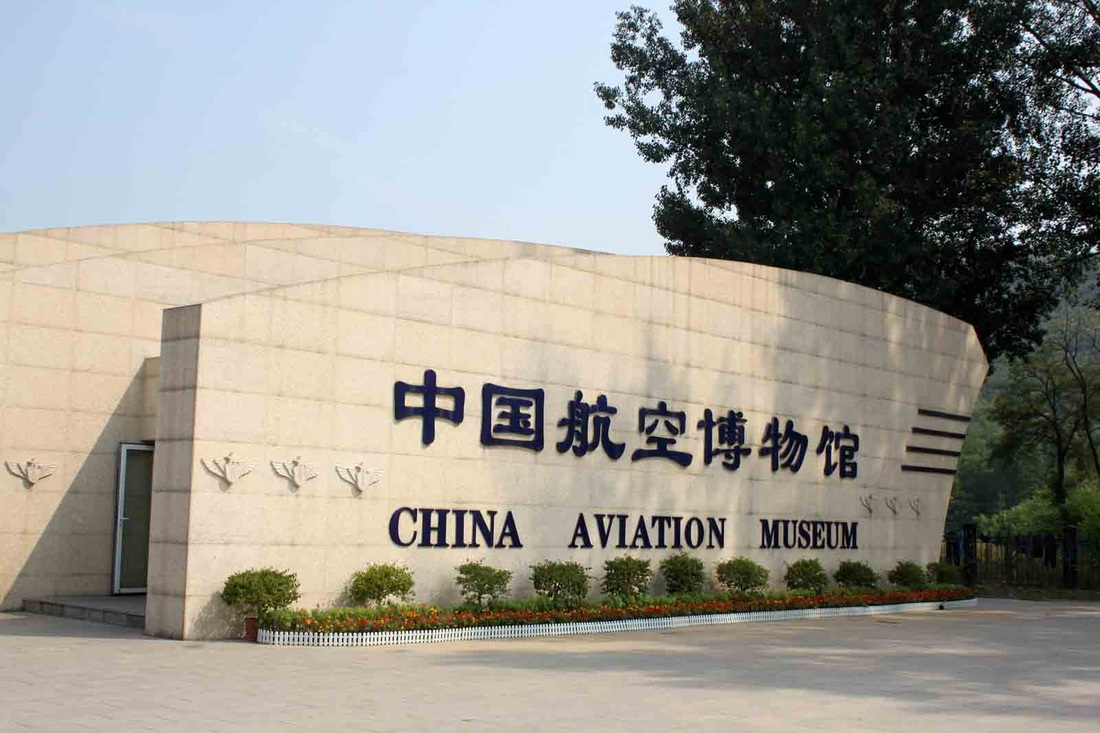 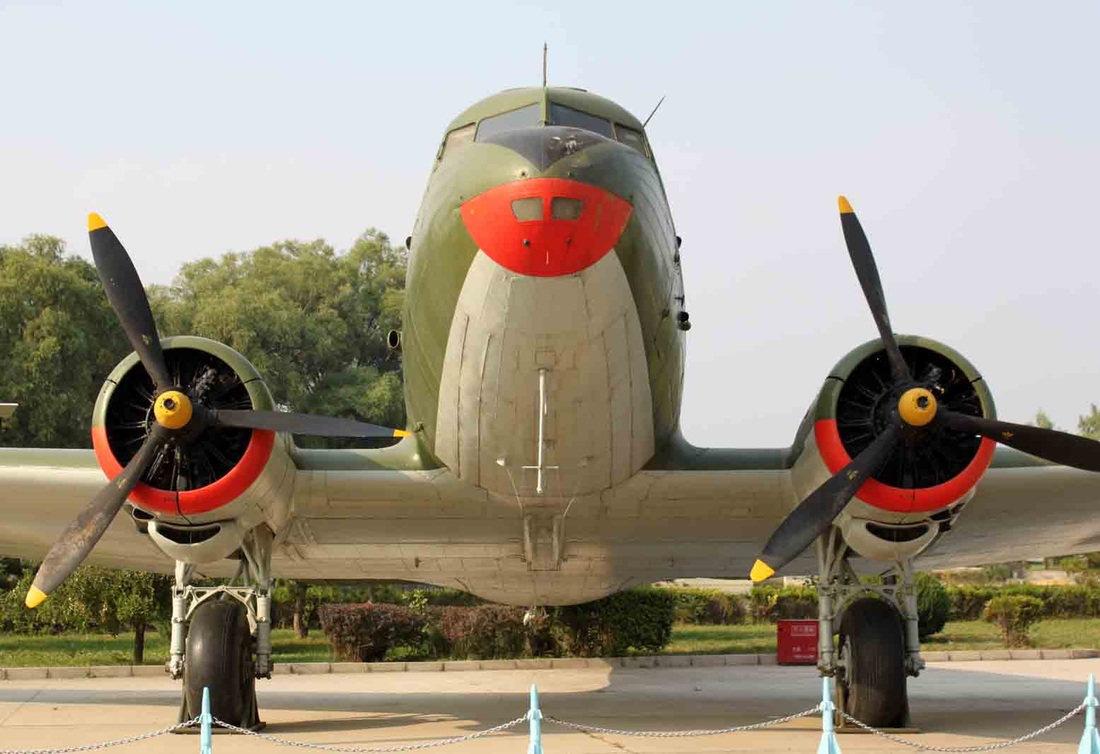 The beautiful C-47- a military version of the DC-3: Photo Copyright Navjot Singh 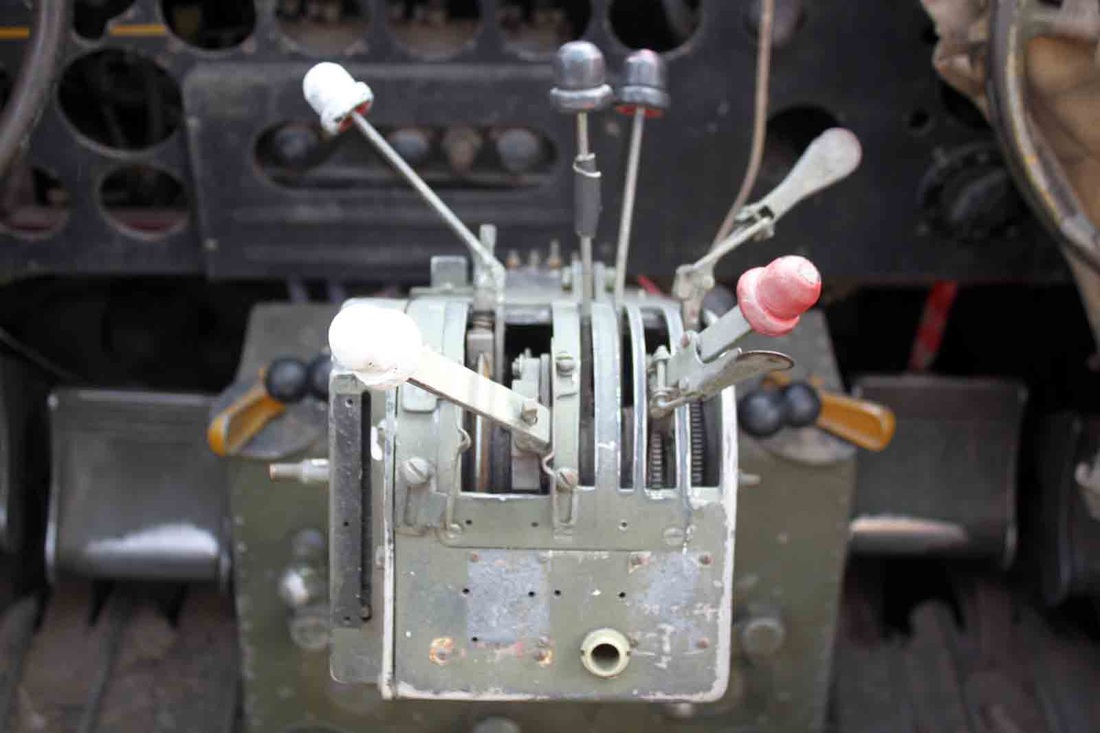 The throttles of the C-47 (Military version of the DC-3): Photo Copyright Navjot Singh 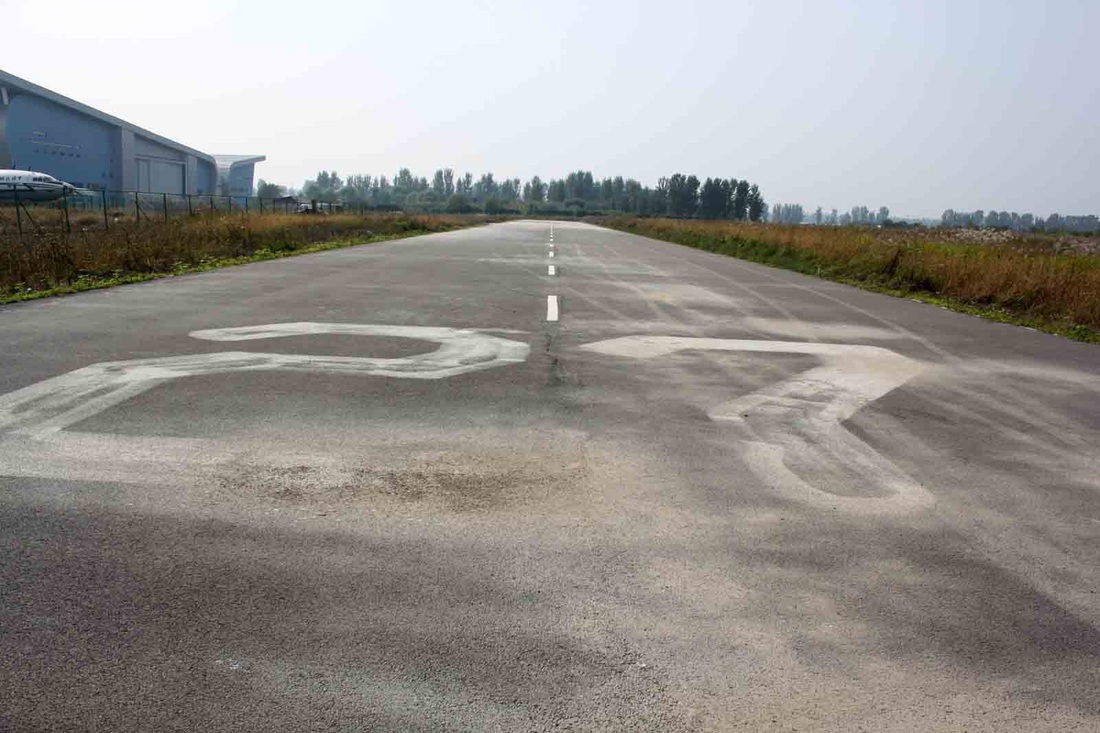 Practice runway 27: Photo Copyright Navjot Singh 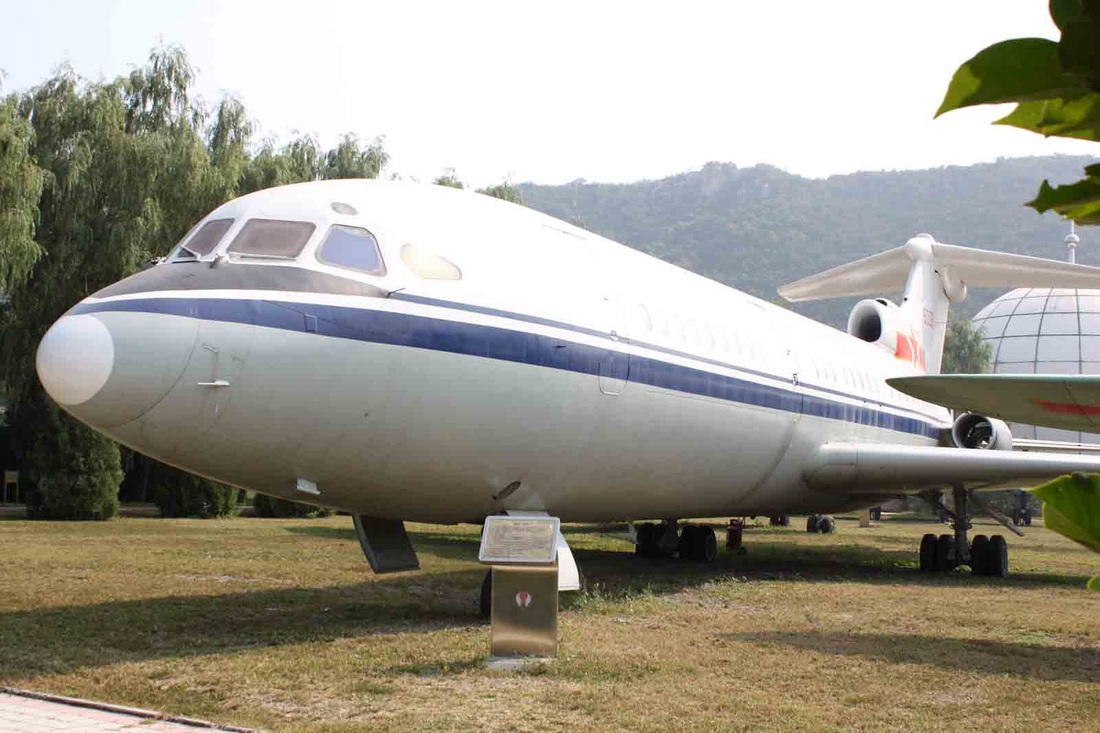 The Trident: Photo Copyright Navjot Singh 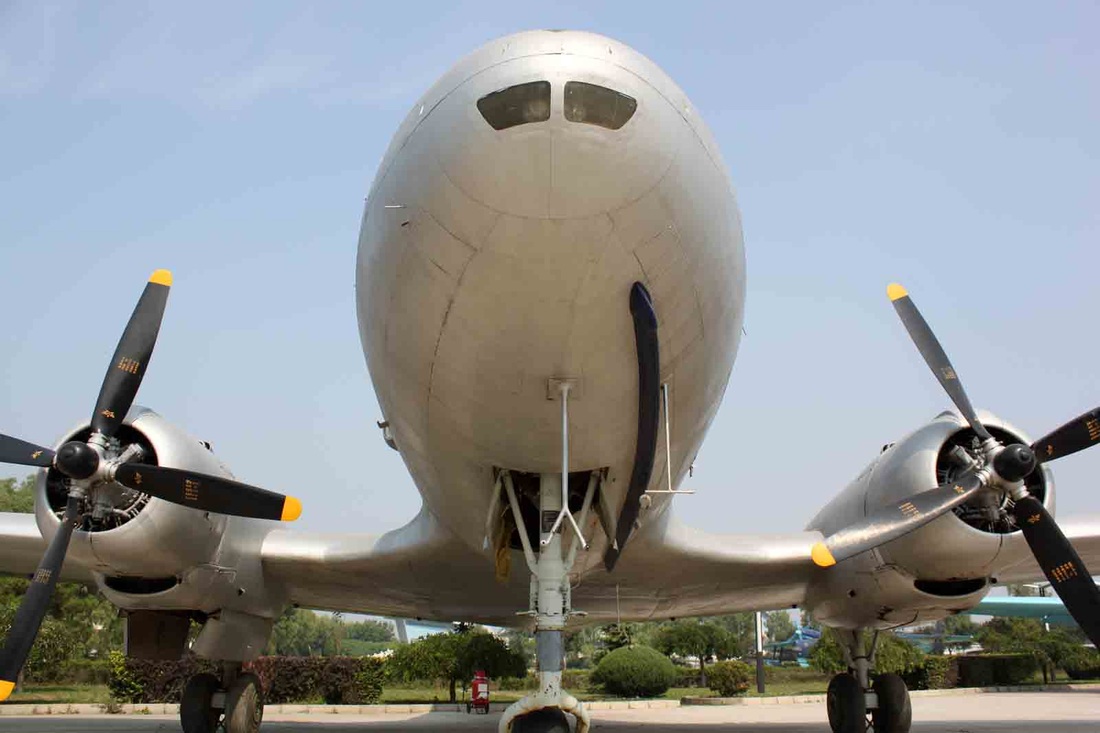 4202 parked: Photo Copyright Navjot Singh 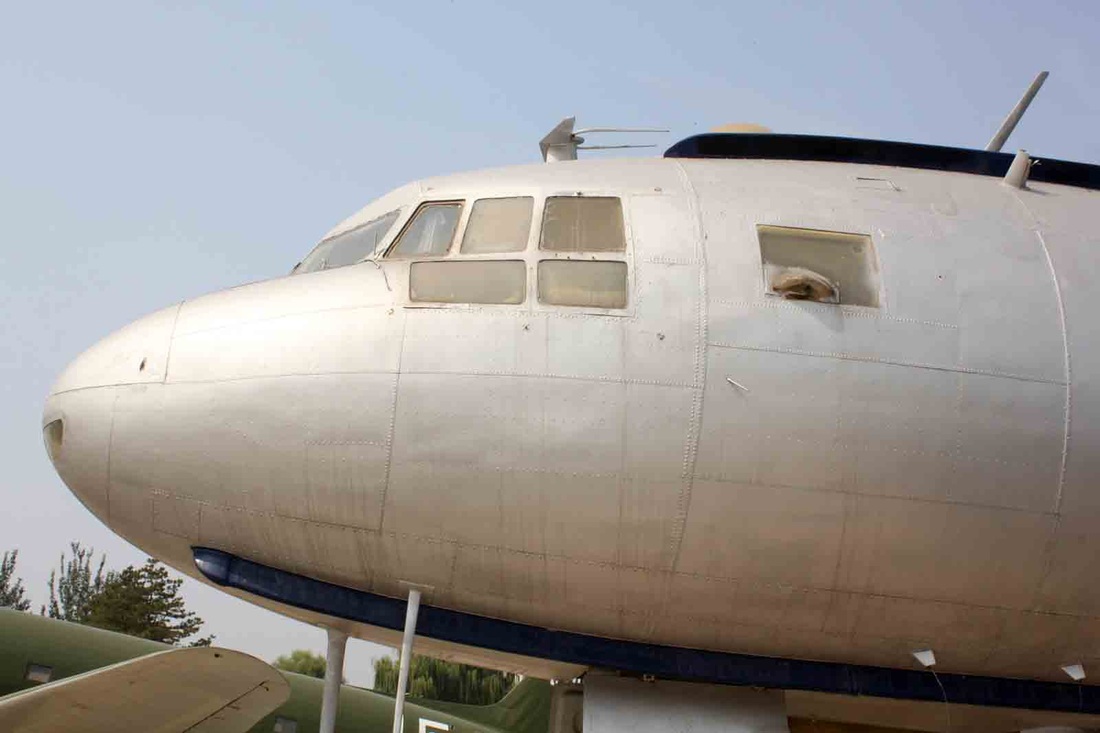 The sideview of the 4202: Photo Copyright Navjot Singh 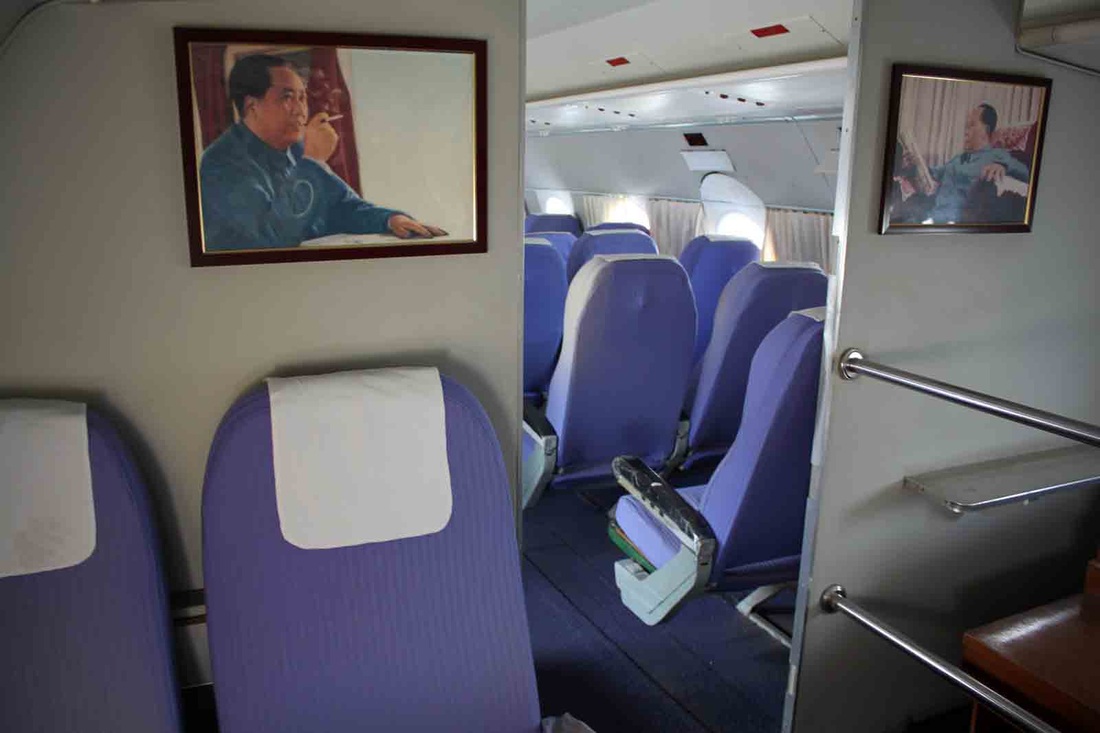 The Russian built IL-18 was Chairman Mao's plane- on July 21 1967 Mao flew his last flight on this beautiful aircraft from Wuhan to Shanghai Hongqiao: Photo Copyright Navjot Singh 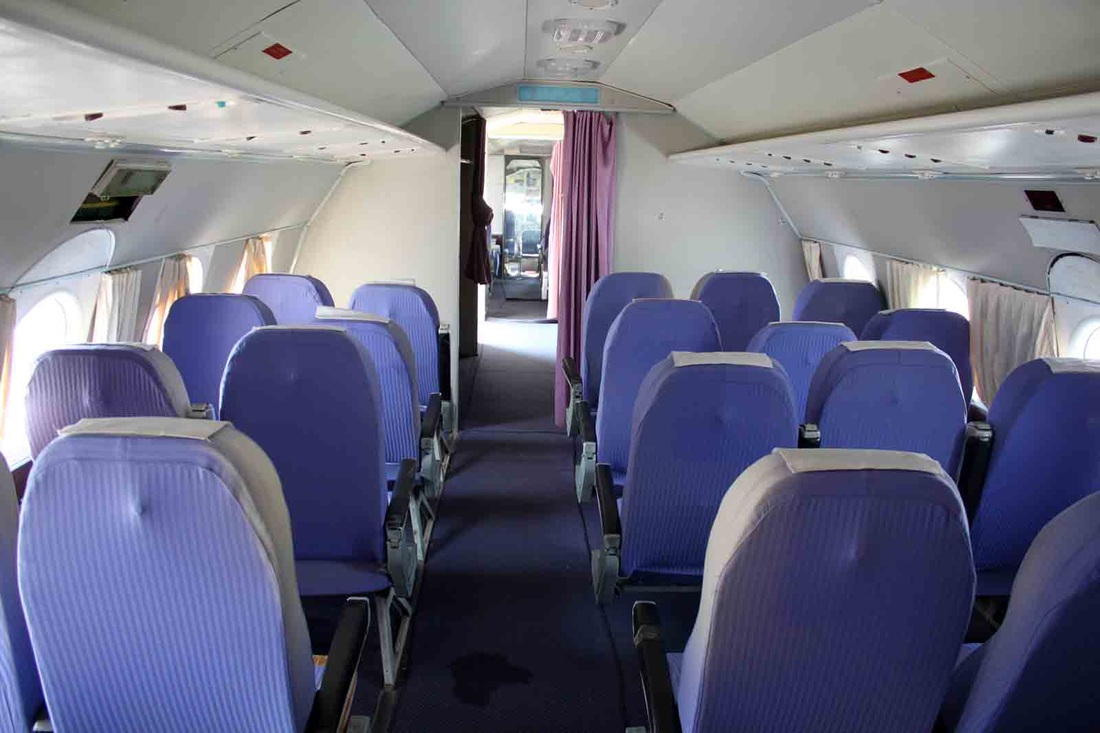 The Russian built IL-18 was Chairman Mao's plane- on July 21 1967 Mao flew his last flight on this beautiful aircraft from Wuhan to Shanghai Hongqiao: Photo Copyright Navjot Singh 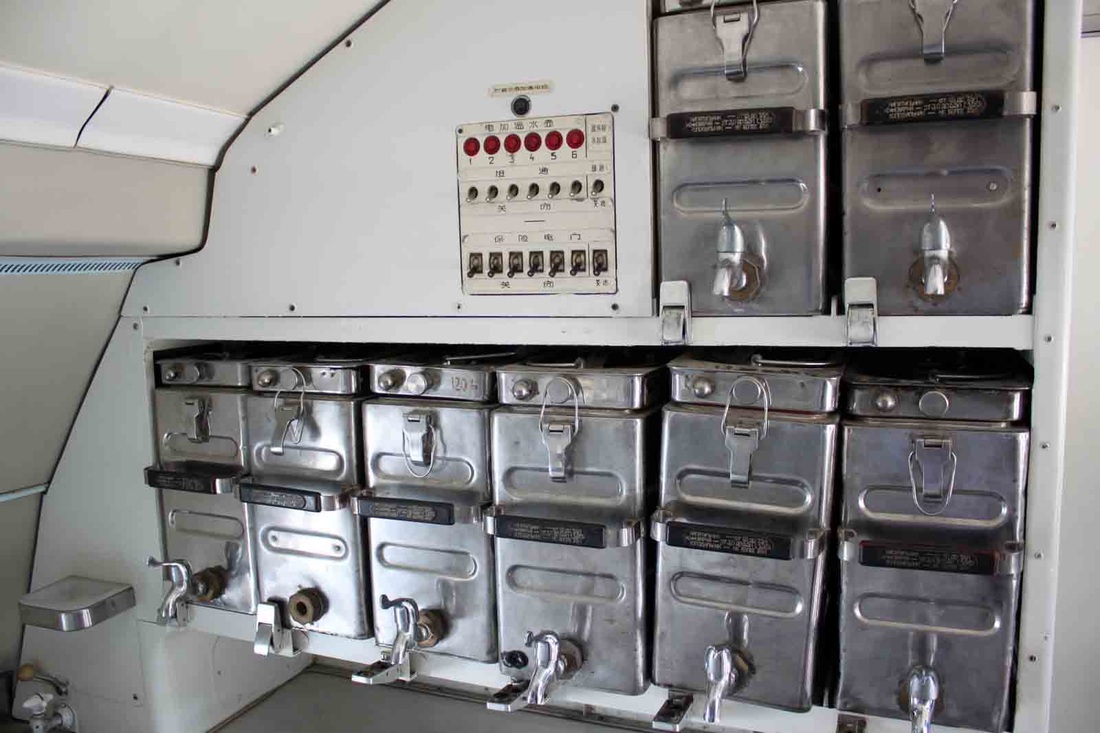 The galley of the IL-18 is still in place. Mao was provided food from these trays: Photo Copyright Navjot Singh 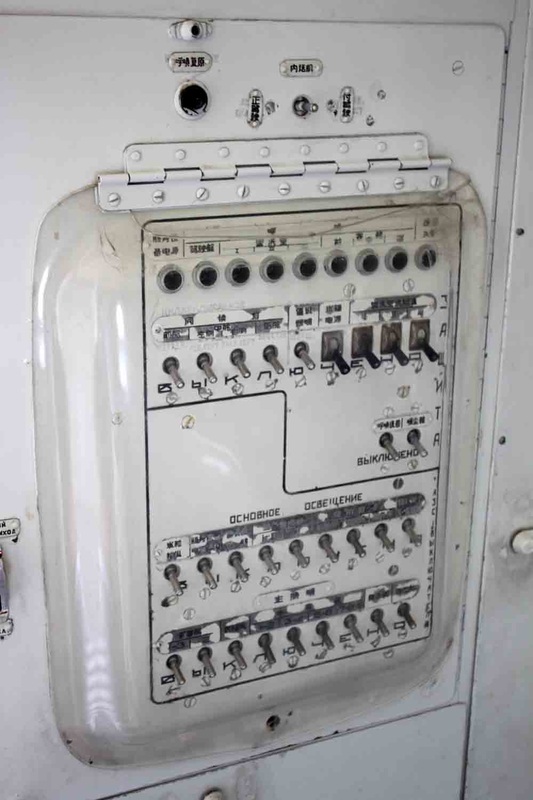 The Russian built IL-18 was Chairman Mao's plane- the controls are all in Russian and Chinese: Photo Copyright Navjot Singh 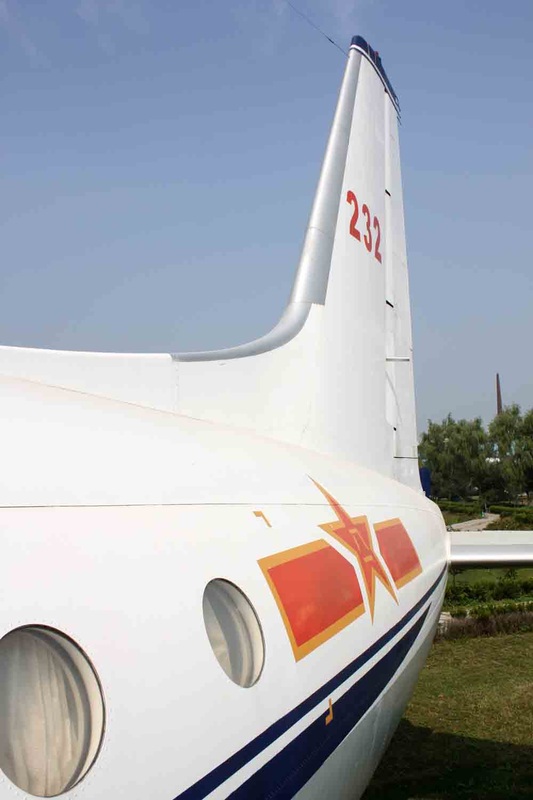 The Russian built IL-18 was Chairman Mao's plane- on July 21 1967 Mao flew his last flight on this beautiful aircraft from Wuhan to Shanghai Hongqiao: Photo Copyright Navjot Singh 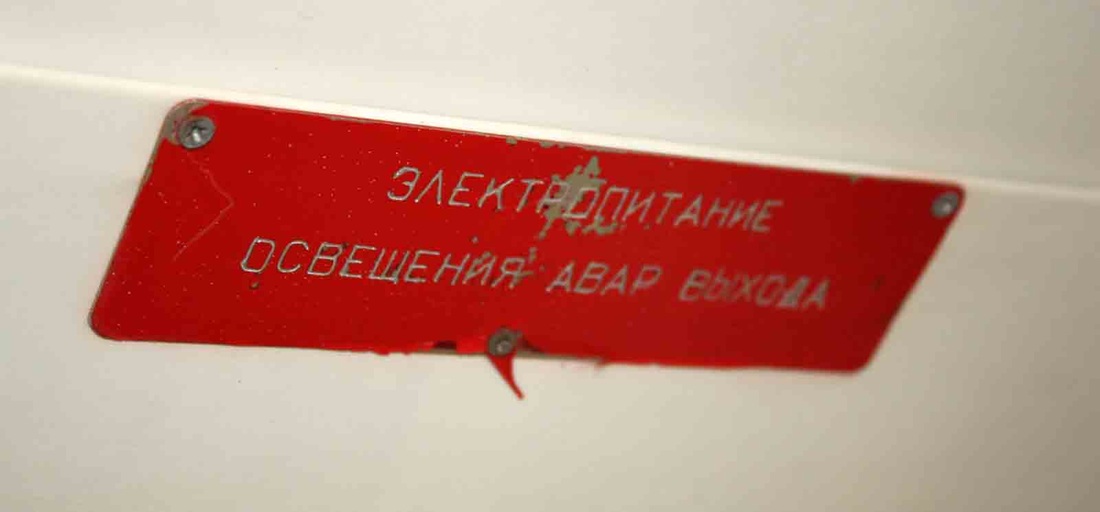 Russian controls on Chariman Mao's IL-18: Photo Copyright Navjot Singh 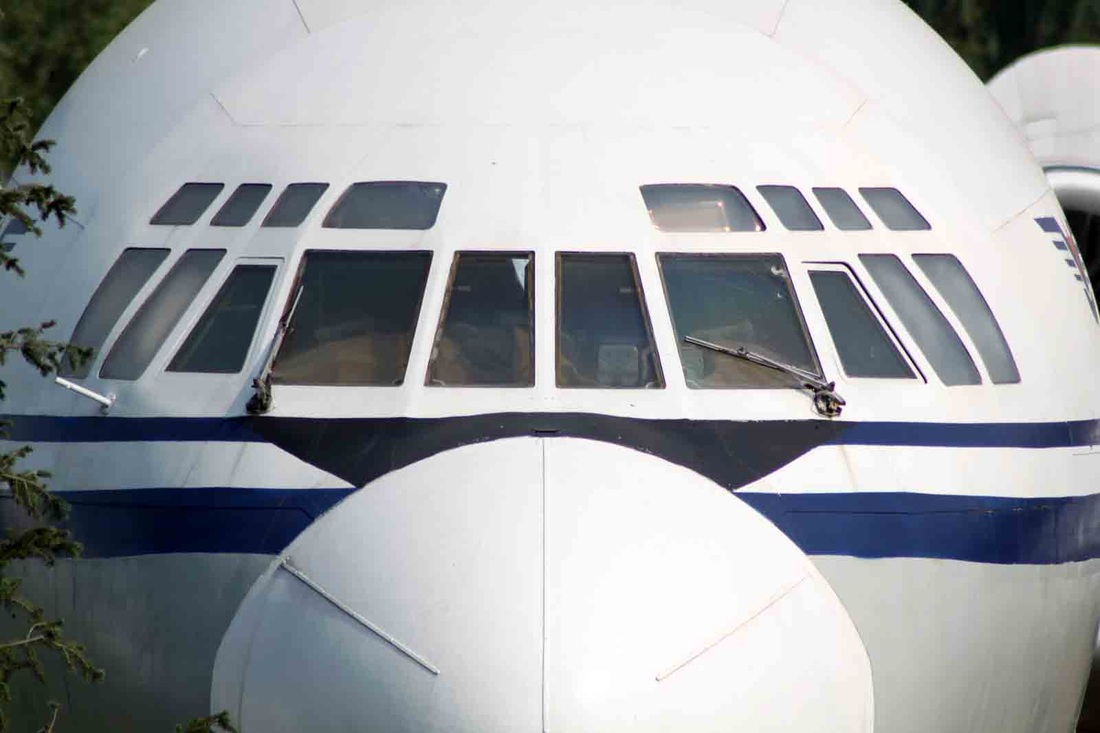 The beautiful IL-62: Photo Copyright Navjot Singh 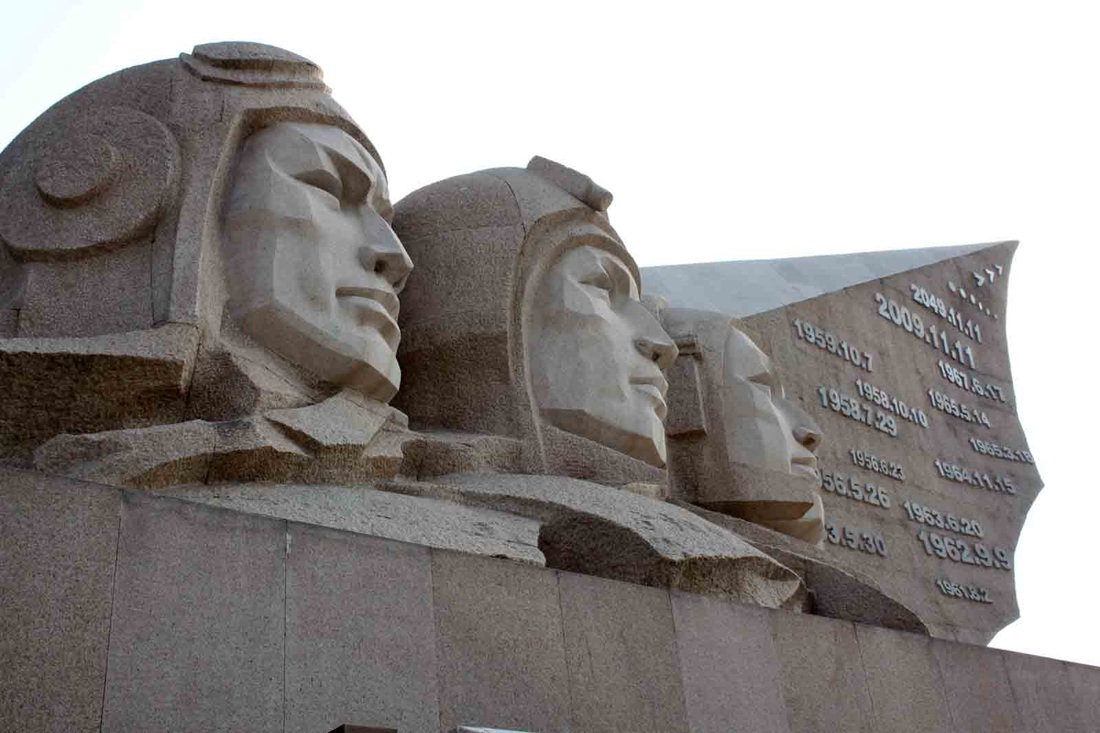 There is no hiding in the fact that I love planes. I think it is obvious when you look at my website. Therefore, when I arrived in Beijing, someone in the Chinese government I know strongly advised me to go to visit the China Aviation Museum to get up close and personal with some military aircraft! I could not resist to go and see for myself the splendour of this place. The China Aviation Museum was established in 1986. It is located in Xiaotangshang Town, changing district. Covering an area of 720,000 square meters. It opened to the public in 1989, and expanded in 2009. There is a collection of more than 300 aircraft, ground-to-air-missiles, anti-aircraft weapons, radars, with over 15,000 other artefacts. It is the only one of its kind in China where you can go close to aircraft. There is also the old plane of Mao Zedong. I must say that when I got there it was a very exciting feeling for me because of my love affair with aviation. I felt like a kid in a candy shop. If you love planes, as I do, then you would just adore this museum. It’s awesome. There is nothing like this in the rest of the country- not even close enough (perhaps even the rest of Asia!). I mean, for example, I could not believe my eyes that I was so close to a Russian built IL-62! I last flew on this plane back in 1989 on Aeroflot Russian Airlines (I would love to see how they’ve changed now in all these years), and in those days I still recall the loud engines, the steep climb and the unique smell of the kerosene oozing from the aircraft even when sitting inside it! In 1989 it was impossible to get right underneath the aircraft because of security reasons in Russia etc., but here I was in Beijing in 2012 standing right under the wings and fuselage of this Russian beauty (thanks to the China Aviation Museum). It was also fun to see that people were having a picnic sitting underneath the belly of an IL-62. Now, which museum or airport will allow you to do that? None. They also house Chairman Mao’s official diplomatic plane, the Russian built IL-18 aircraft. It’s complete with Mao’s in-flight bed and the galley. Then there is the lavish display of Chinese F-6 fighters, which were used in many wars, including the 1962 India-China war over their borders (which China won). With such great aviation military ability, countries like India seem dwarfed compared to the mighty power of China. The media hype is always to create mass hysteria. The museum houses planes from all around the world including Pakistan, the USA (actually these are captured DC-3s, C-47s, and even an Apache Helicopter), Britain, and Zimbabwe. How do I get there? You can either take a taxi from downtown Beijing, which will take around an hour, and would cost about RMB 200 to go and come back (or more depending on how long the driver will stay there). Alternatively you can take the metro to How much does it cost? You can walk into the museum for free. However some of the major attractions inside have an admission charge. These include Chairman Mao’s IL-18 (RMB 10), F-6 aircraft attraction (RMB 10), and the aviation hanger (RMB 20). There is also a small military simulator that people can try to fly in, which may cost around RMB 30 for a 5-minute experience. 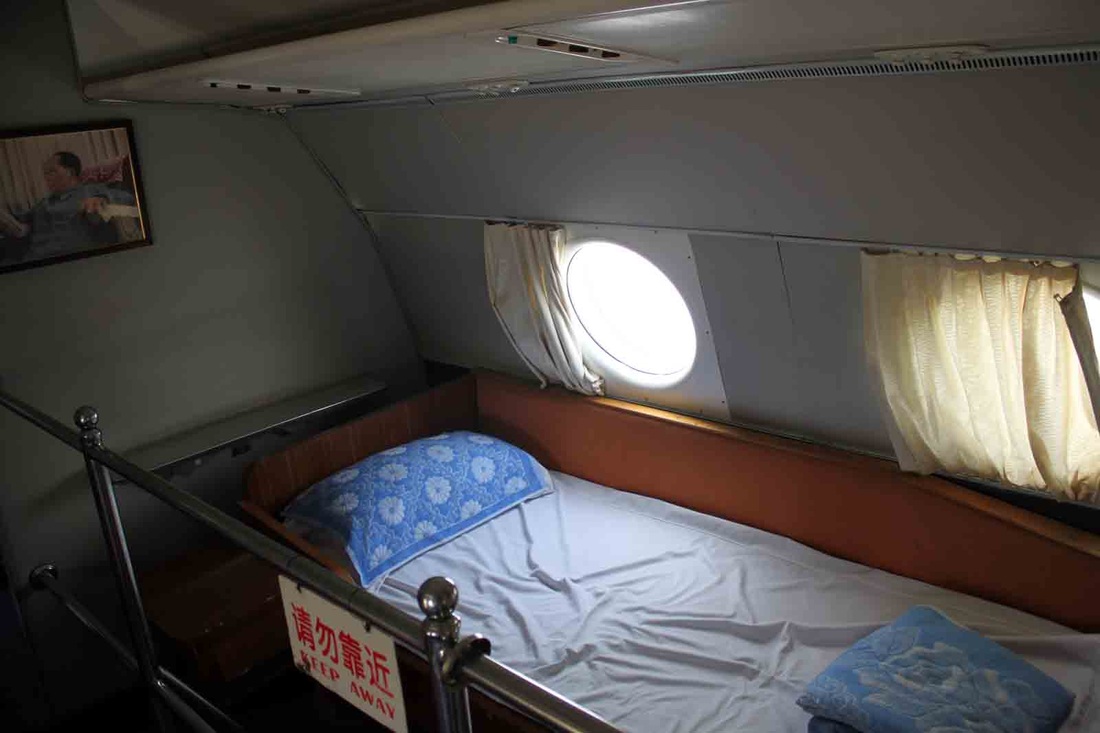 Mao's bed on IL-18: Photo Copyright Navjot Singh 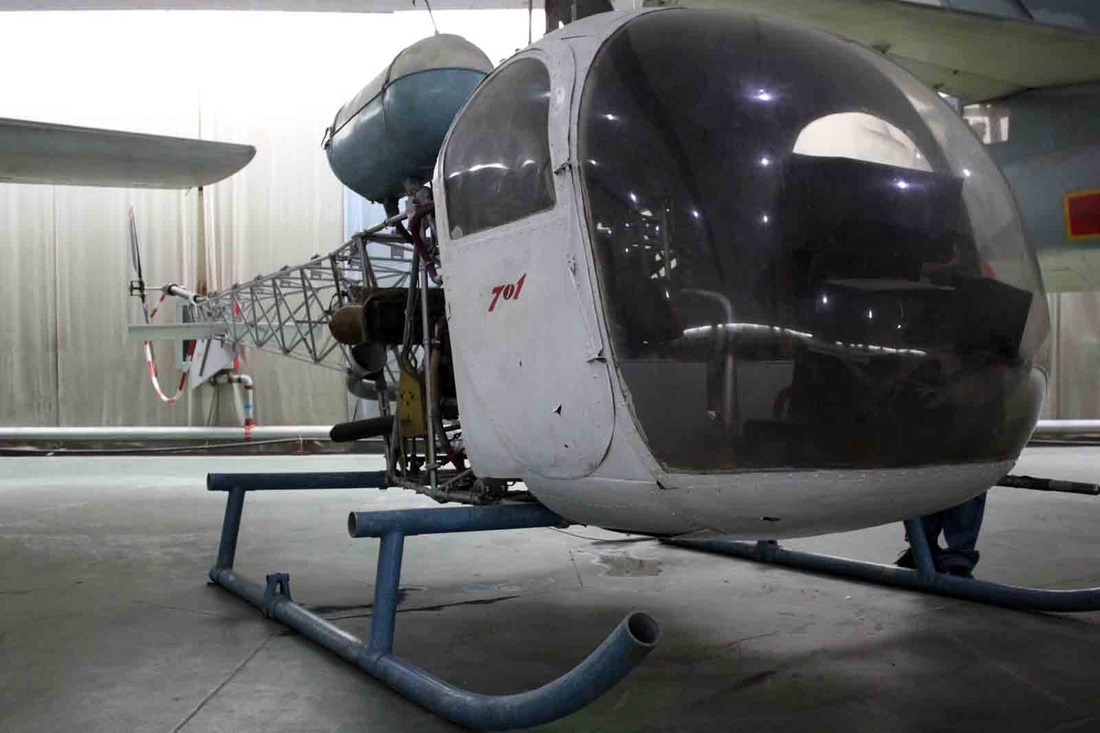 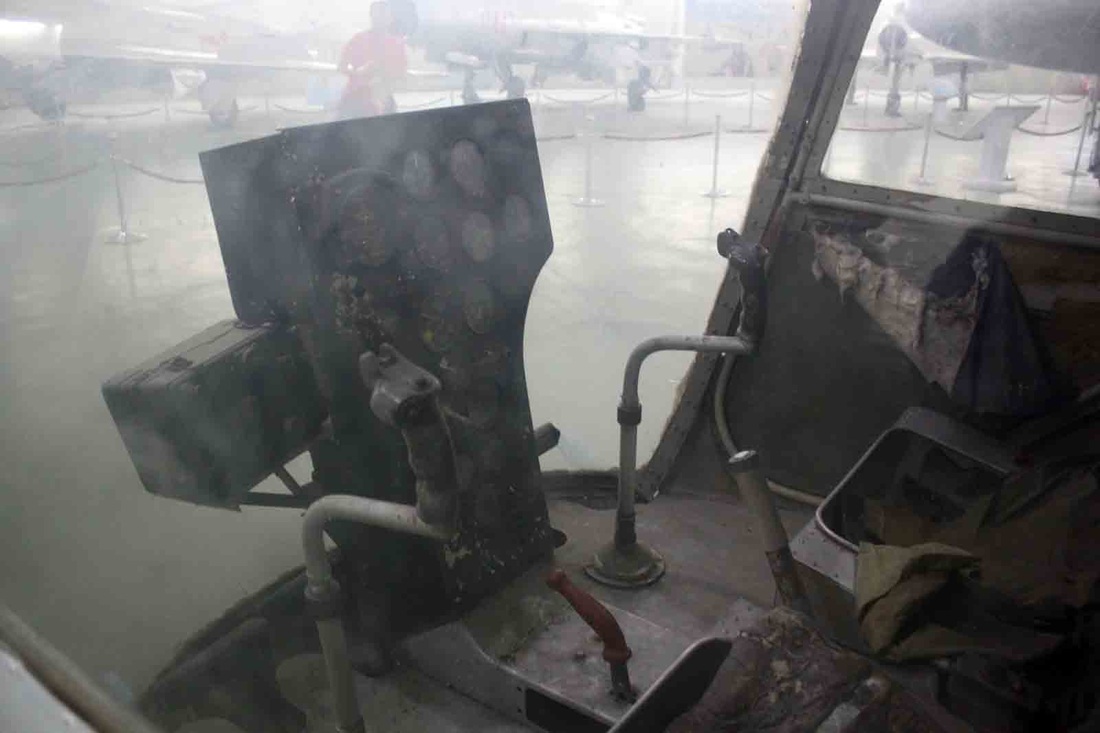 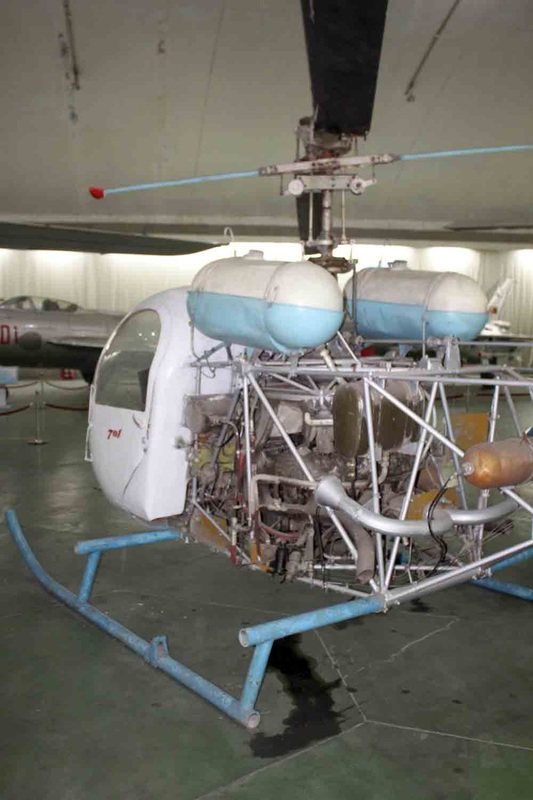 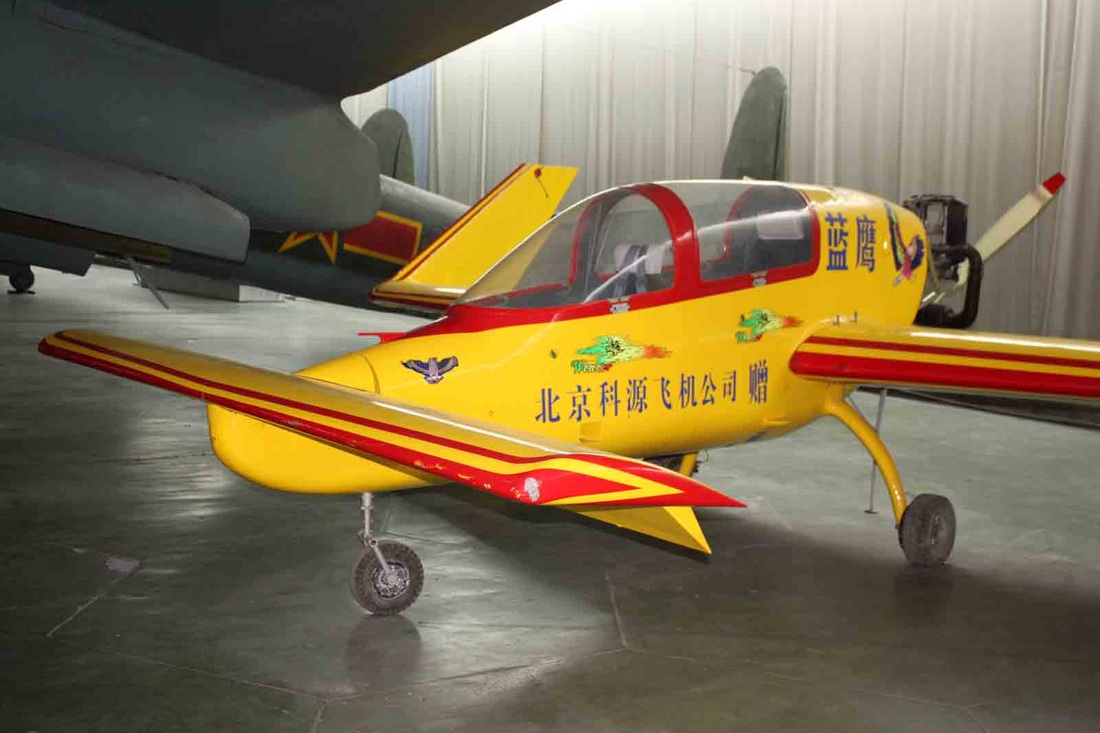  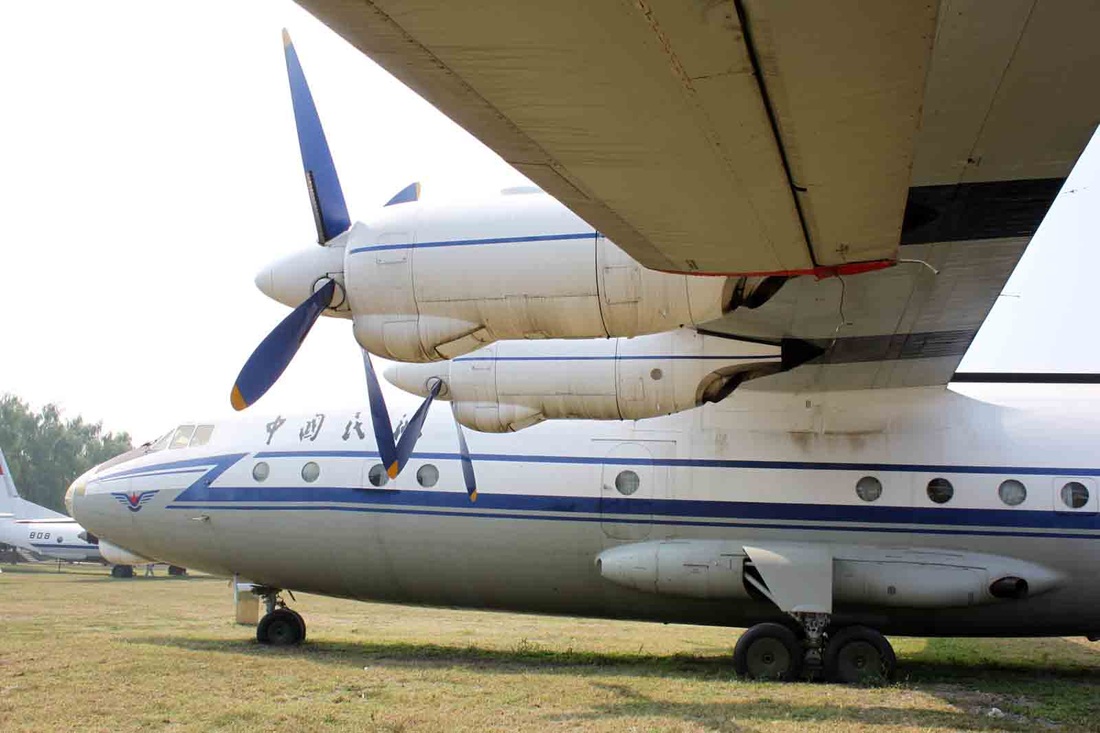 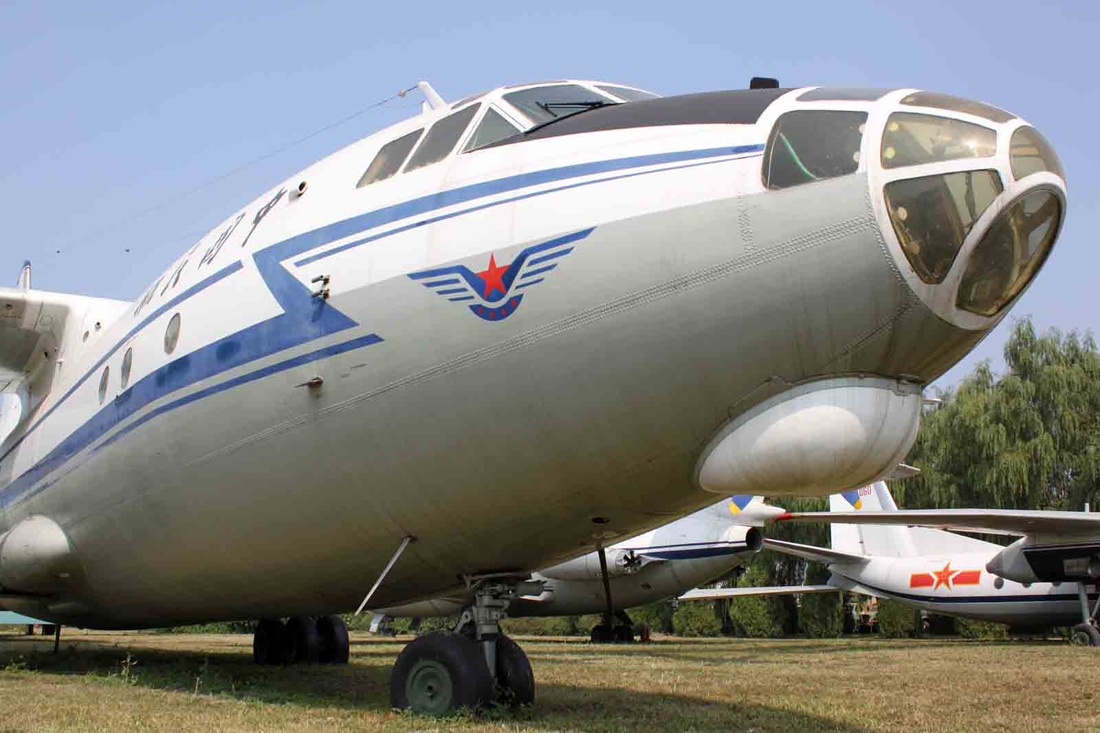 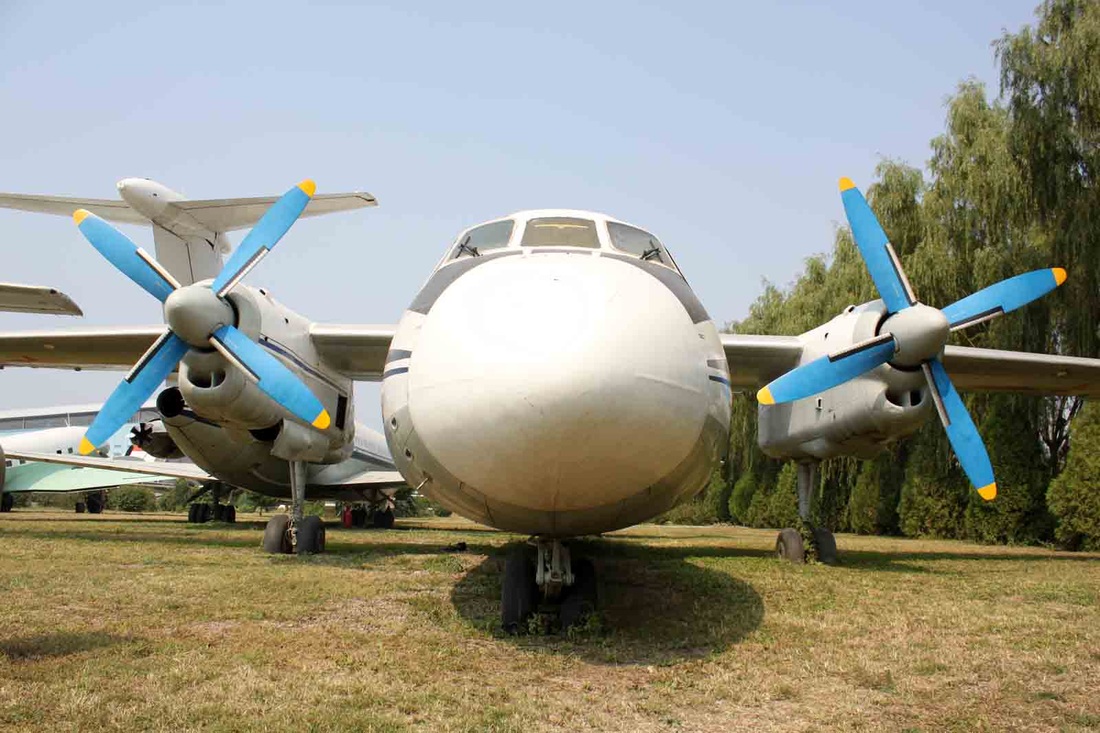   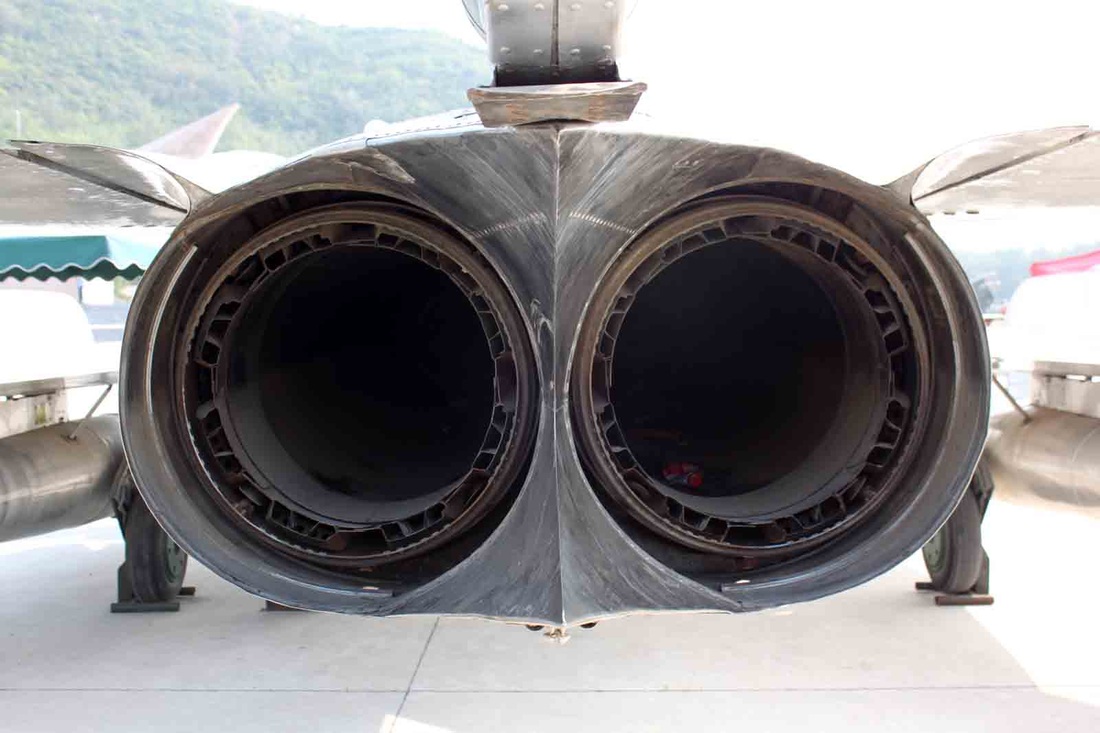 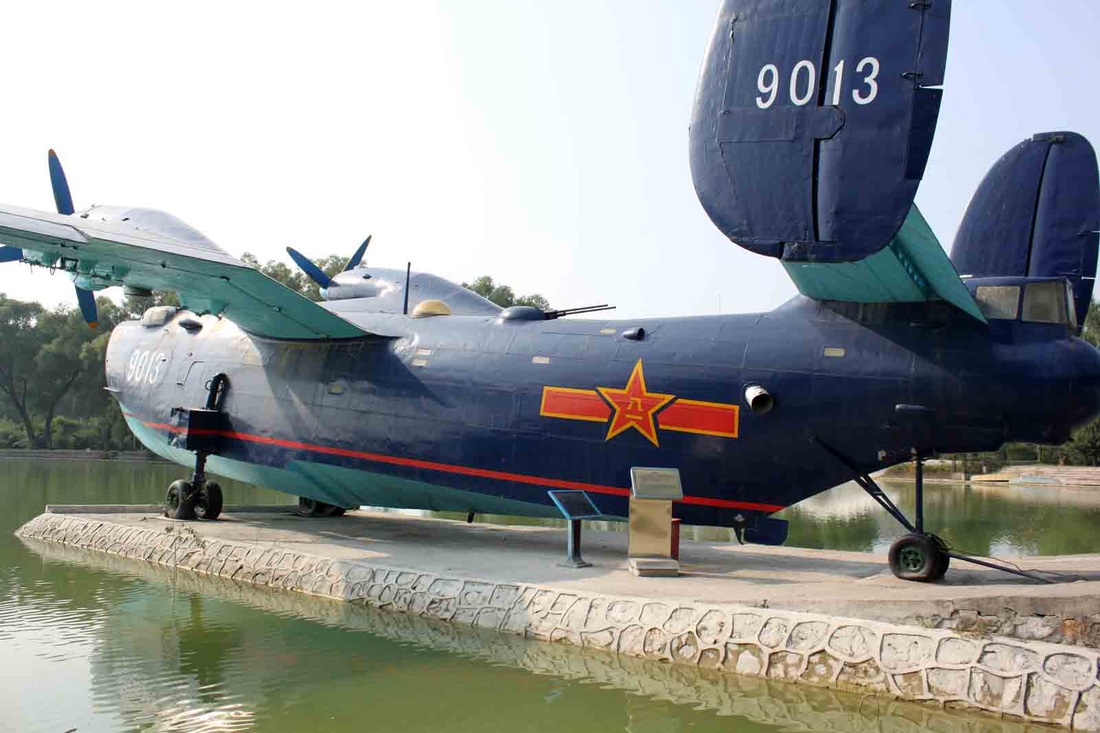 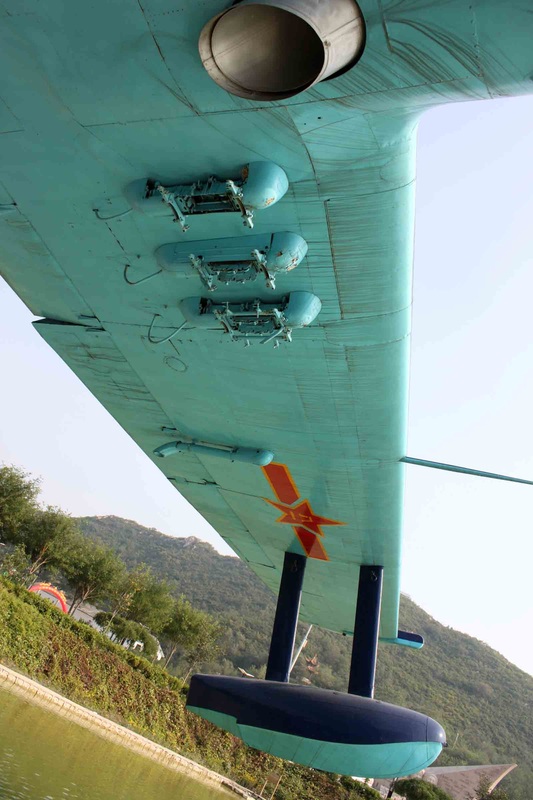 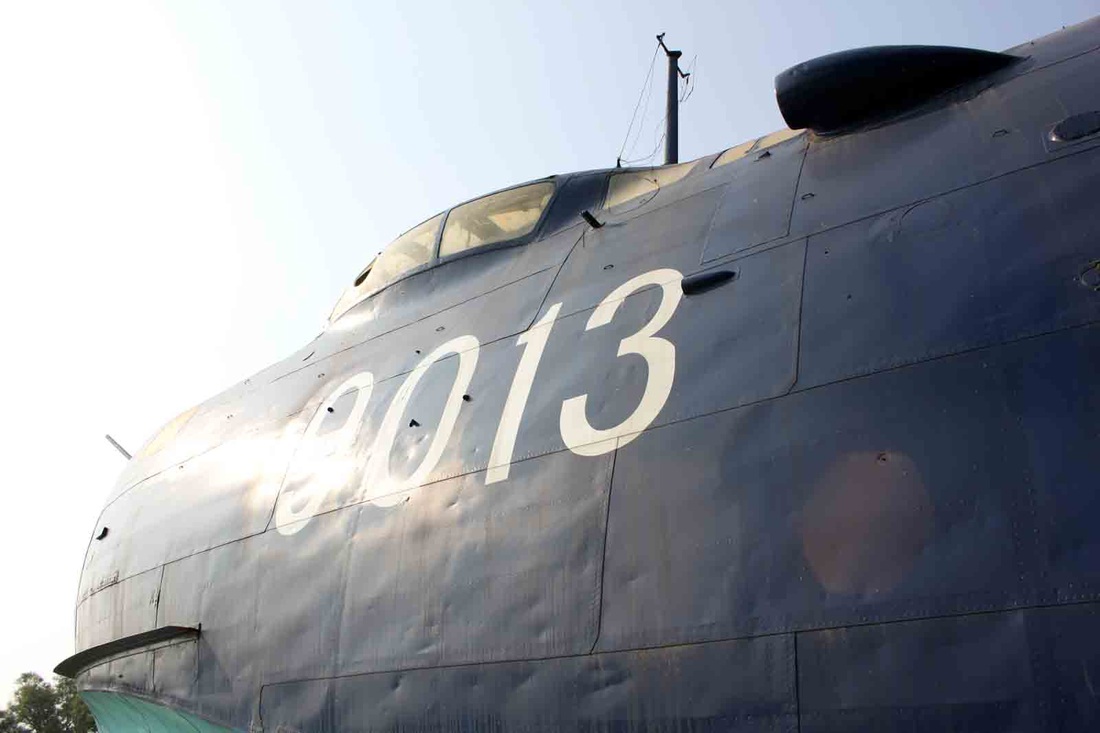 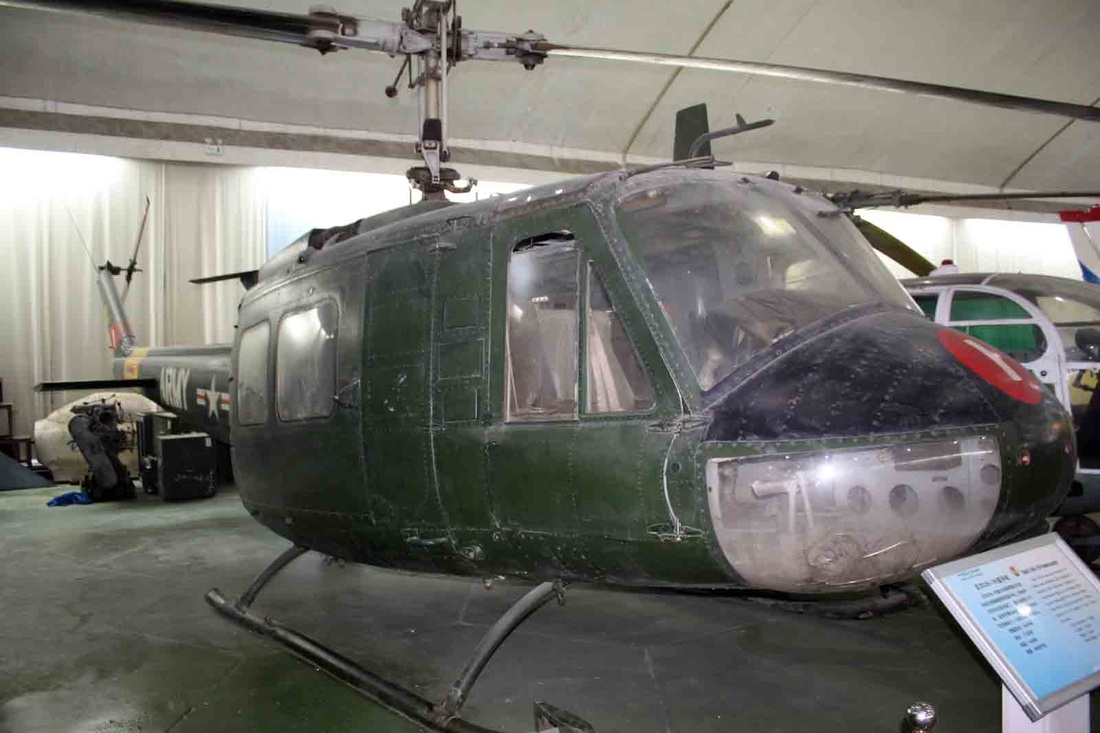 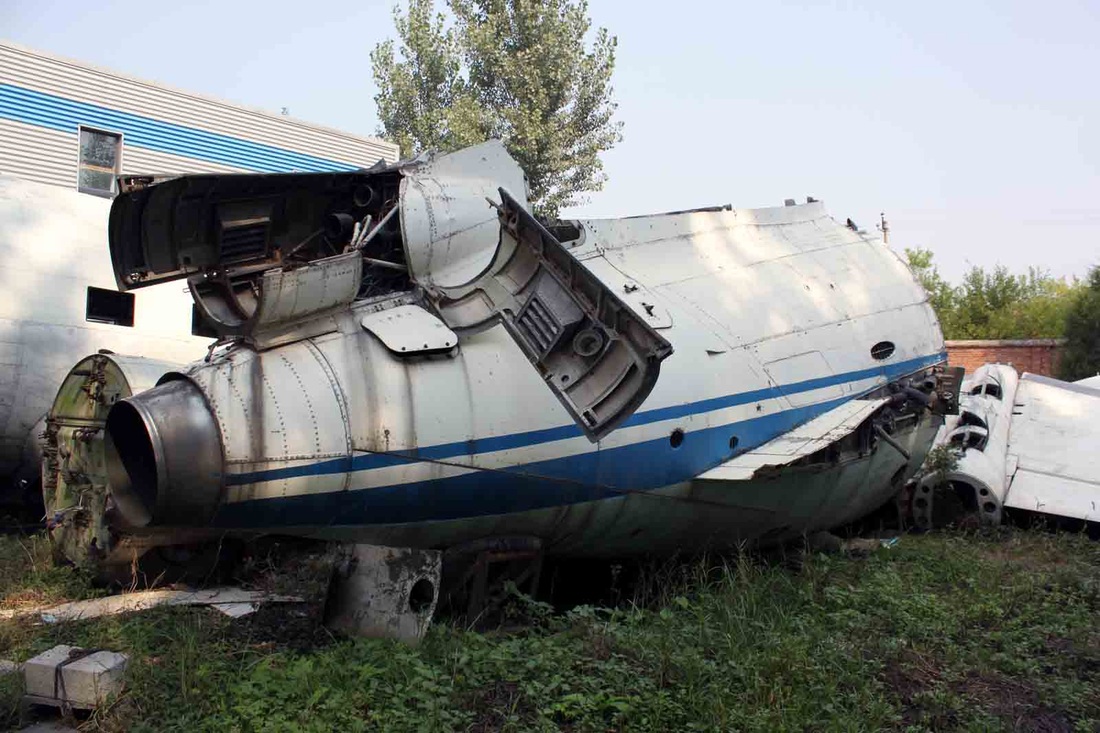 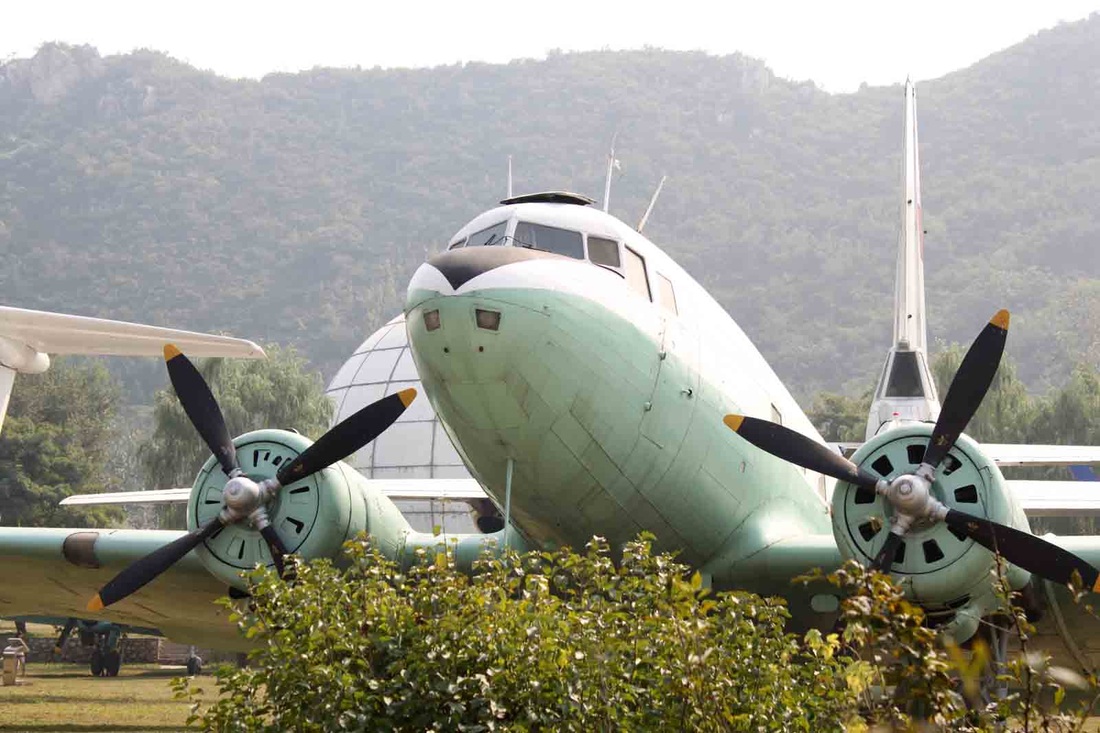 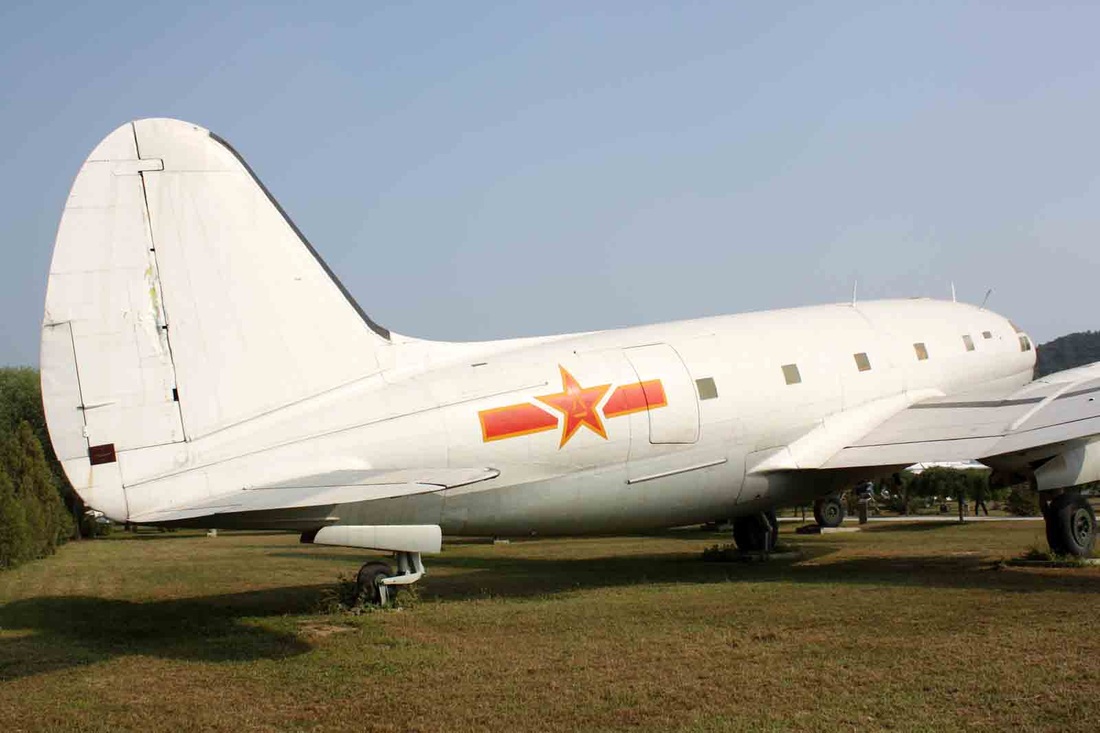  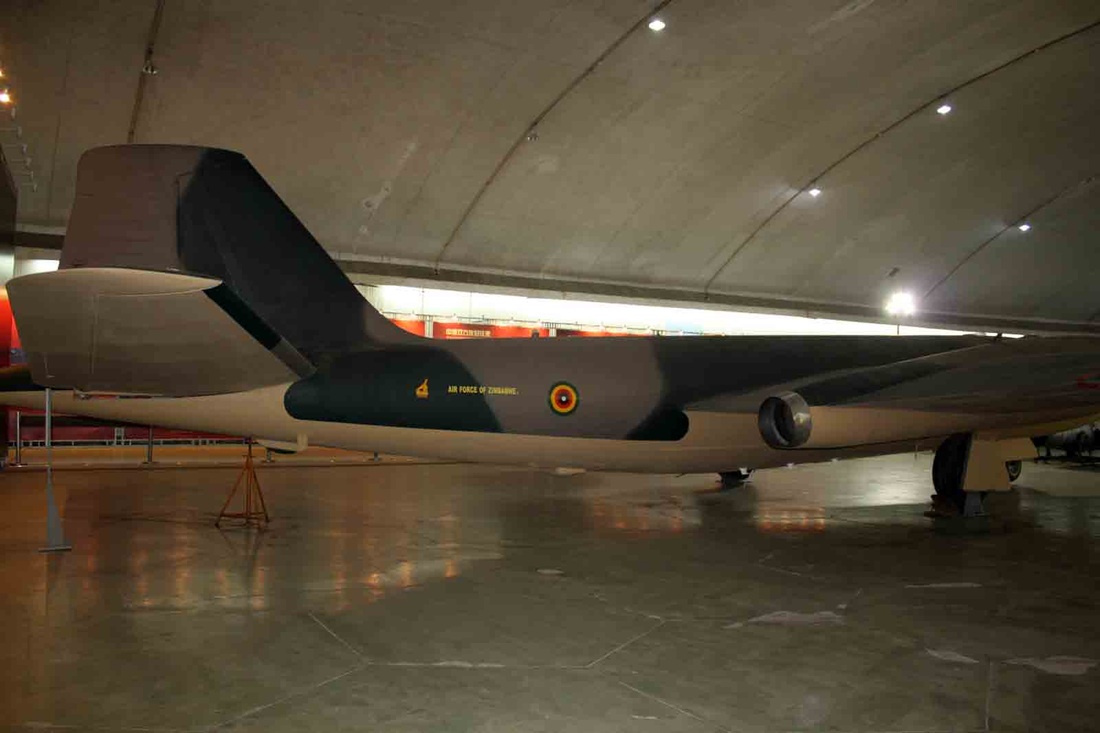  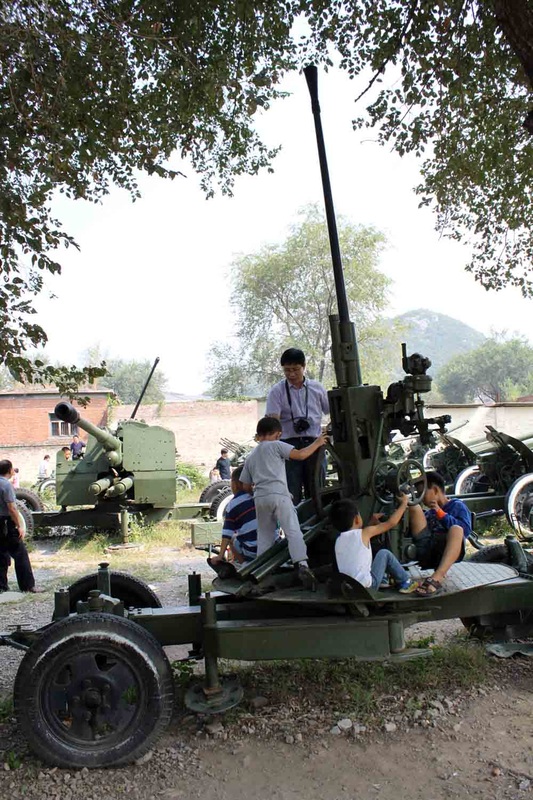   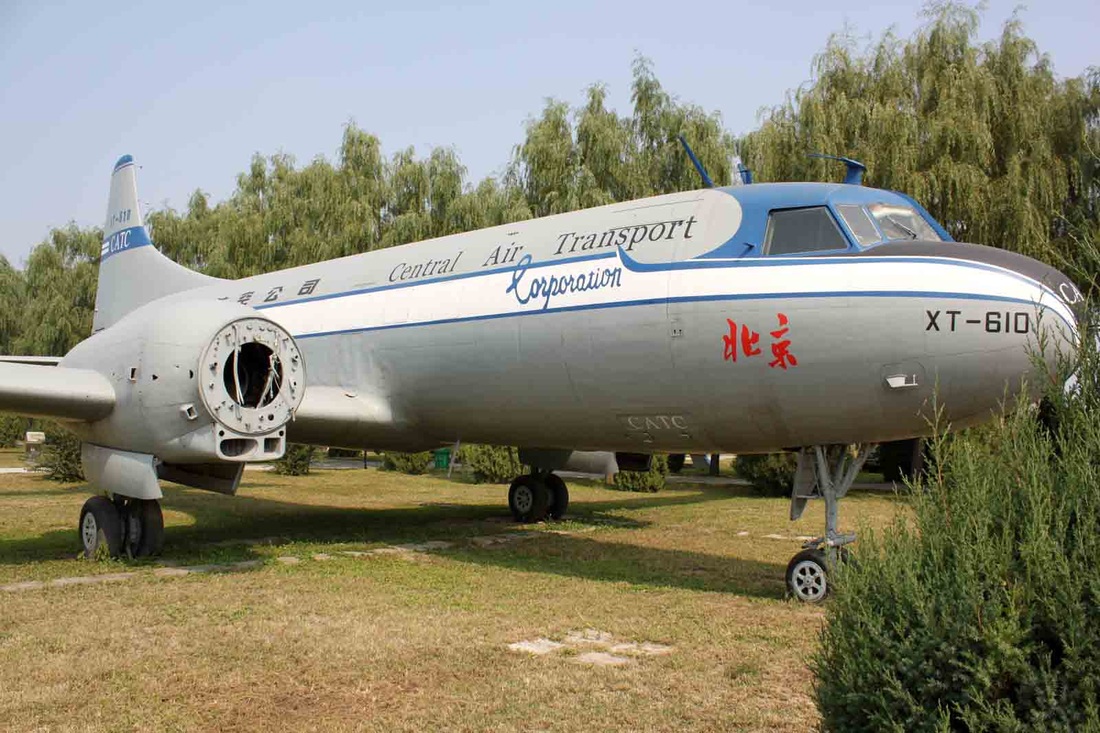          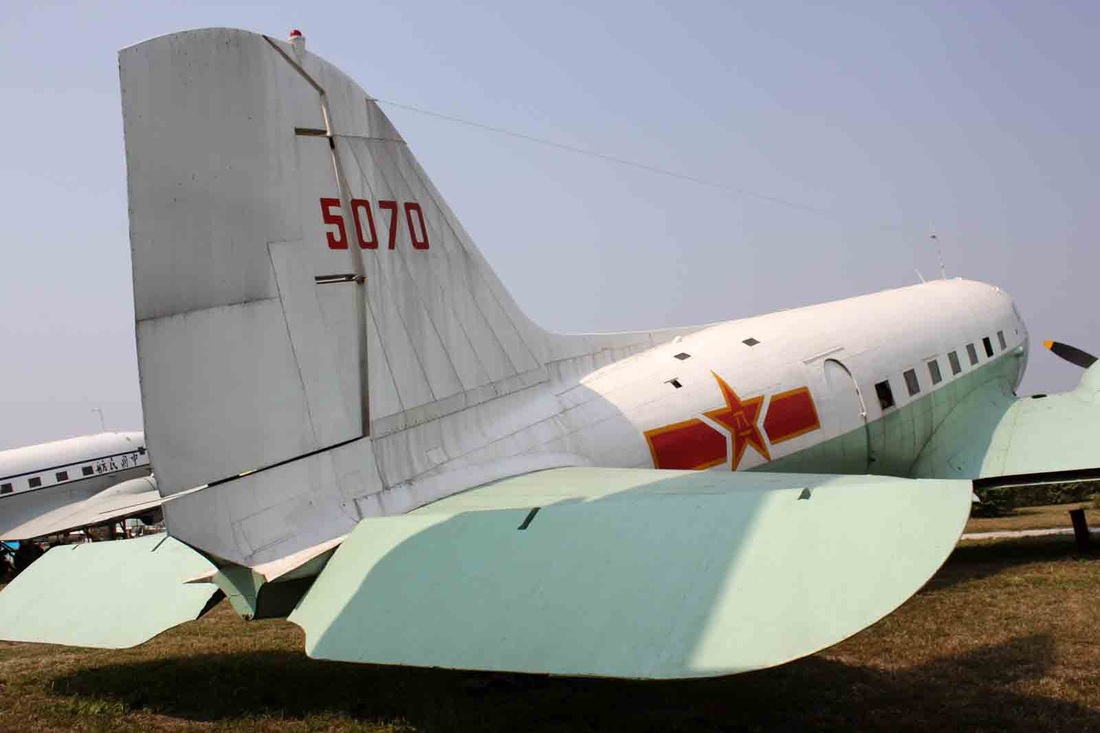 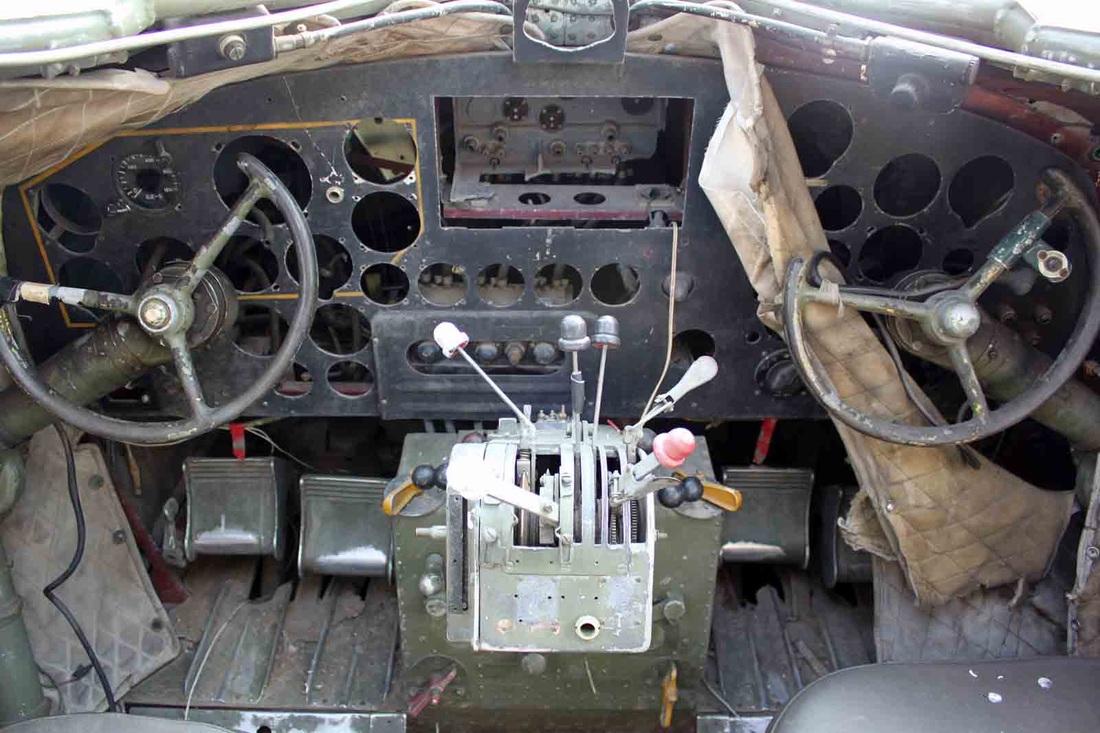  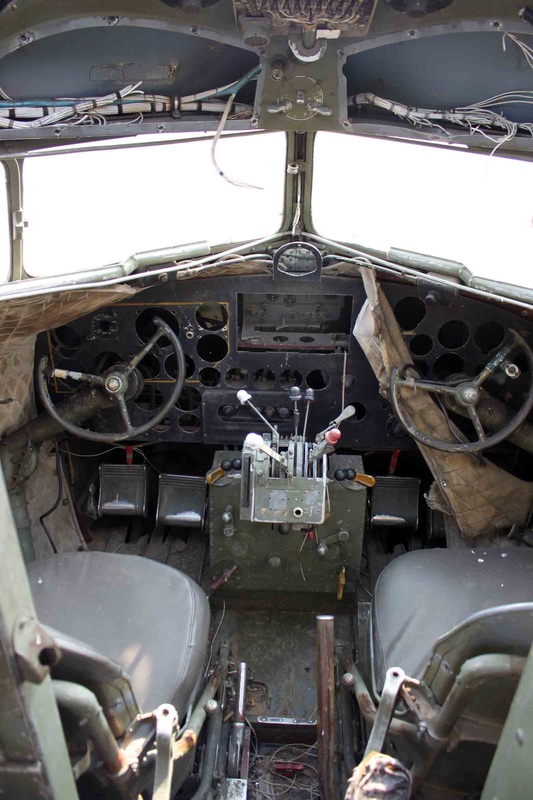 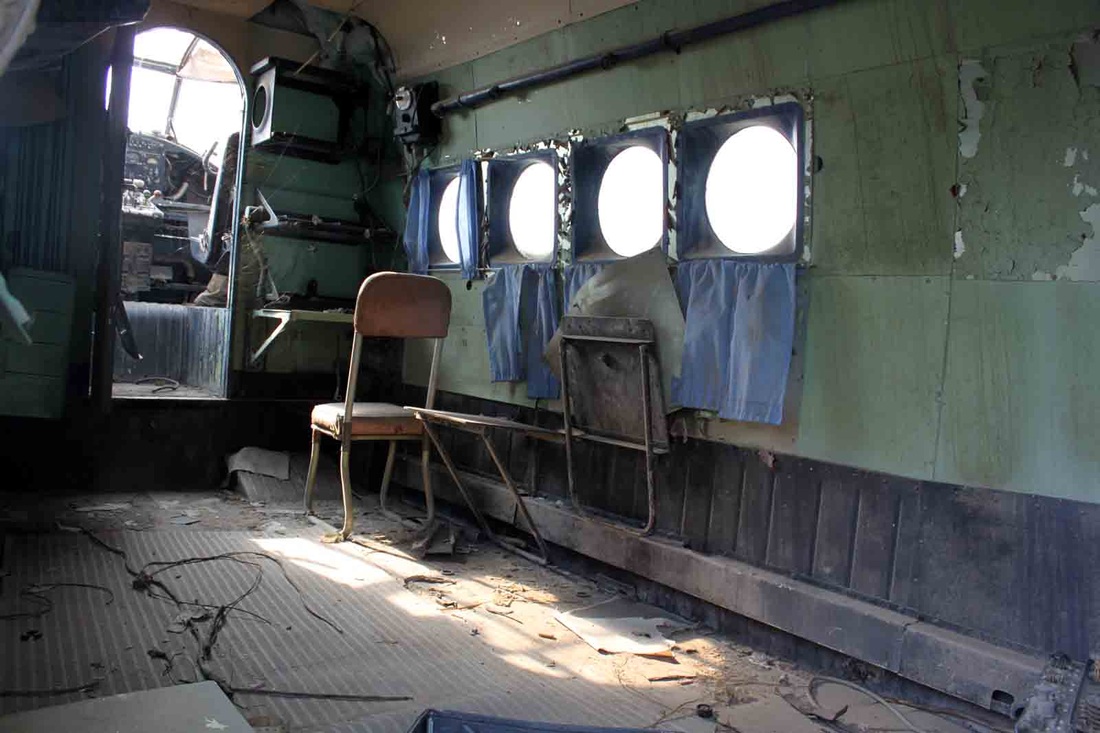 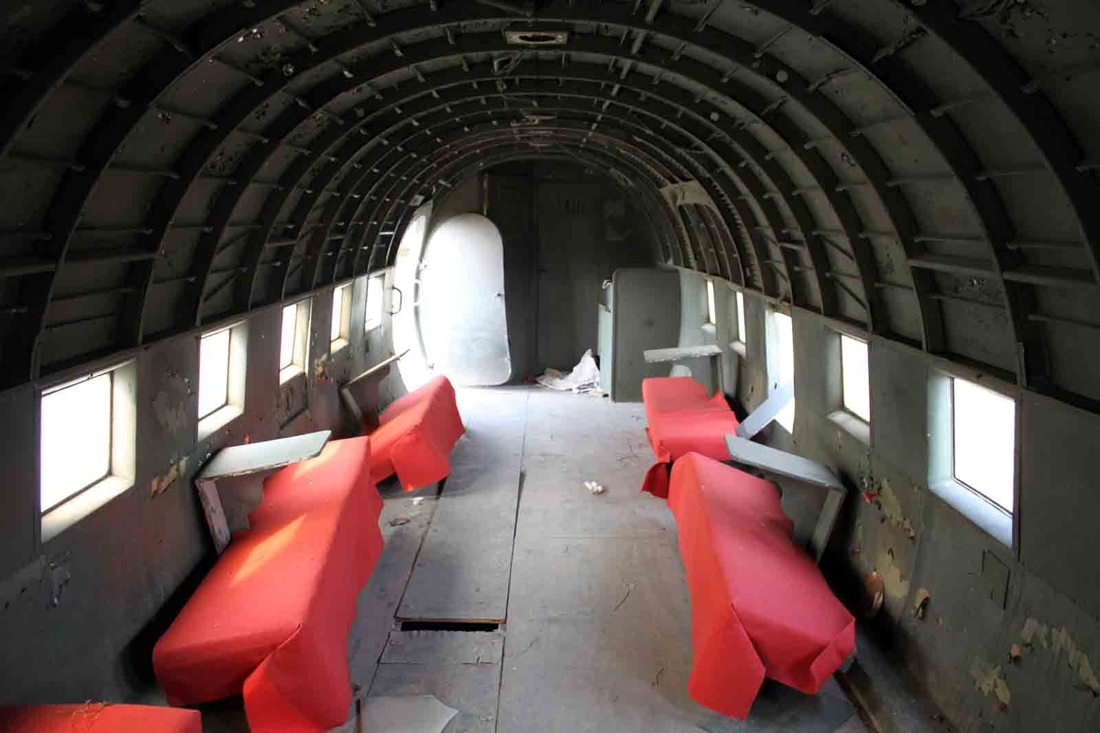   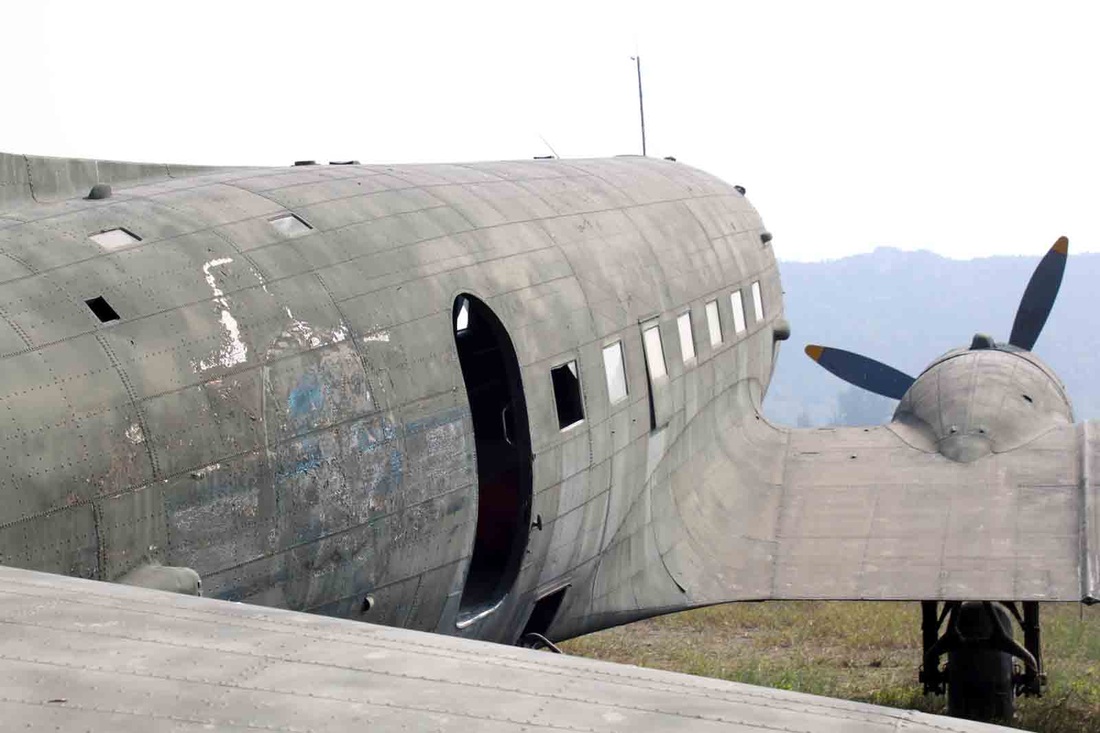 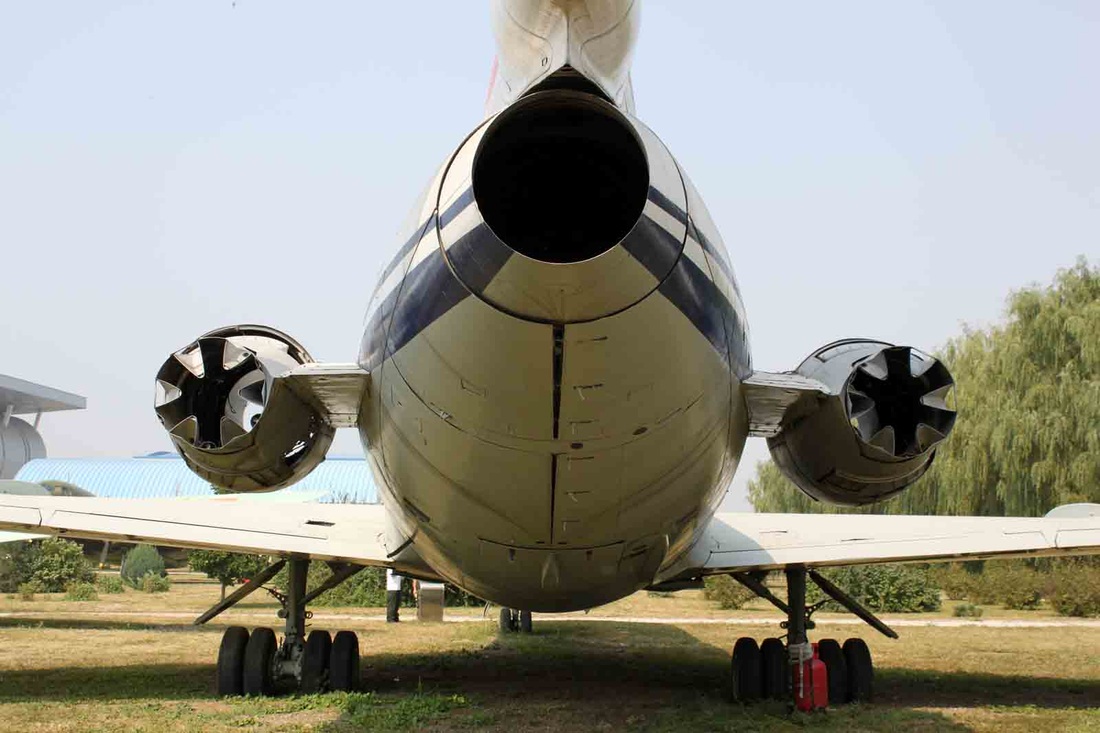    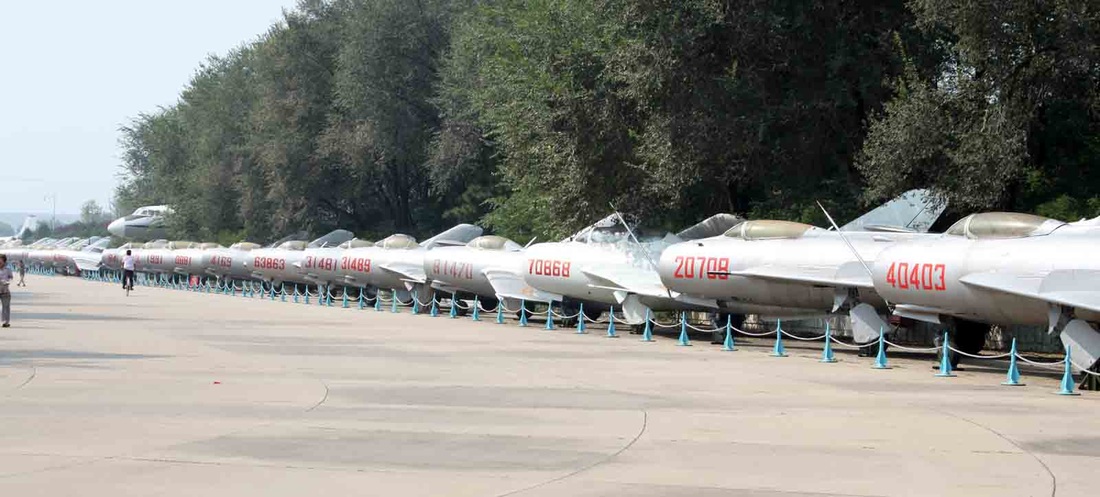 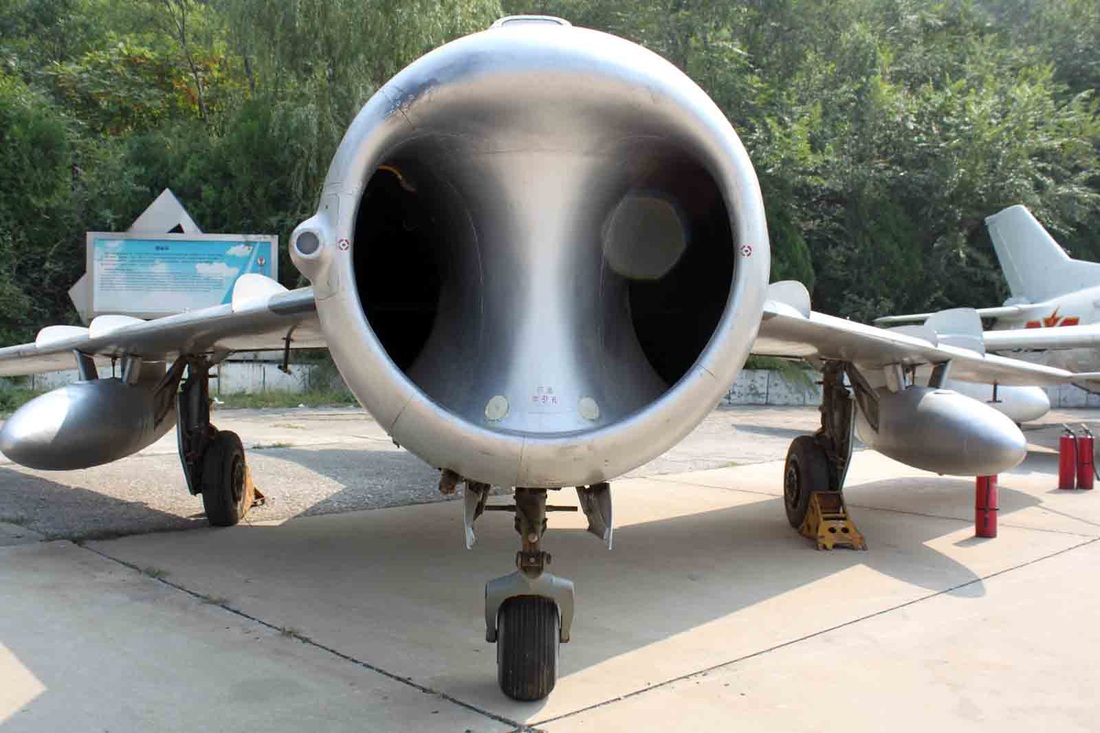 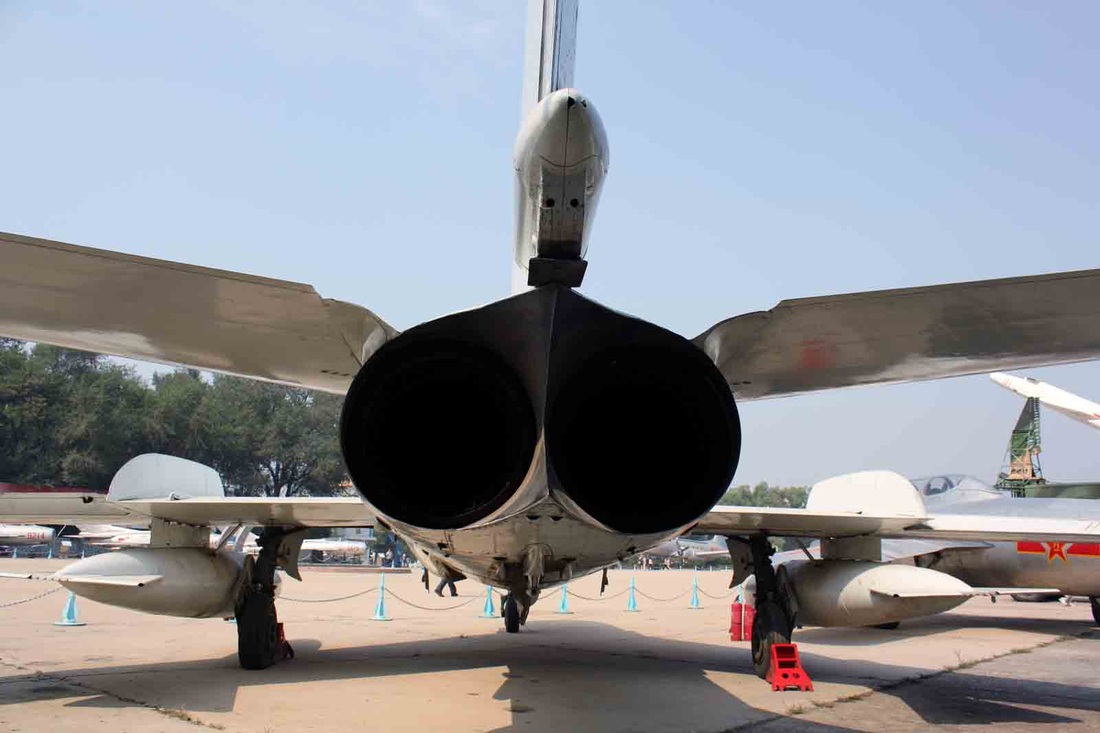    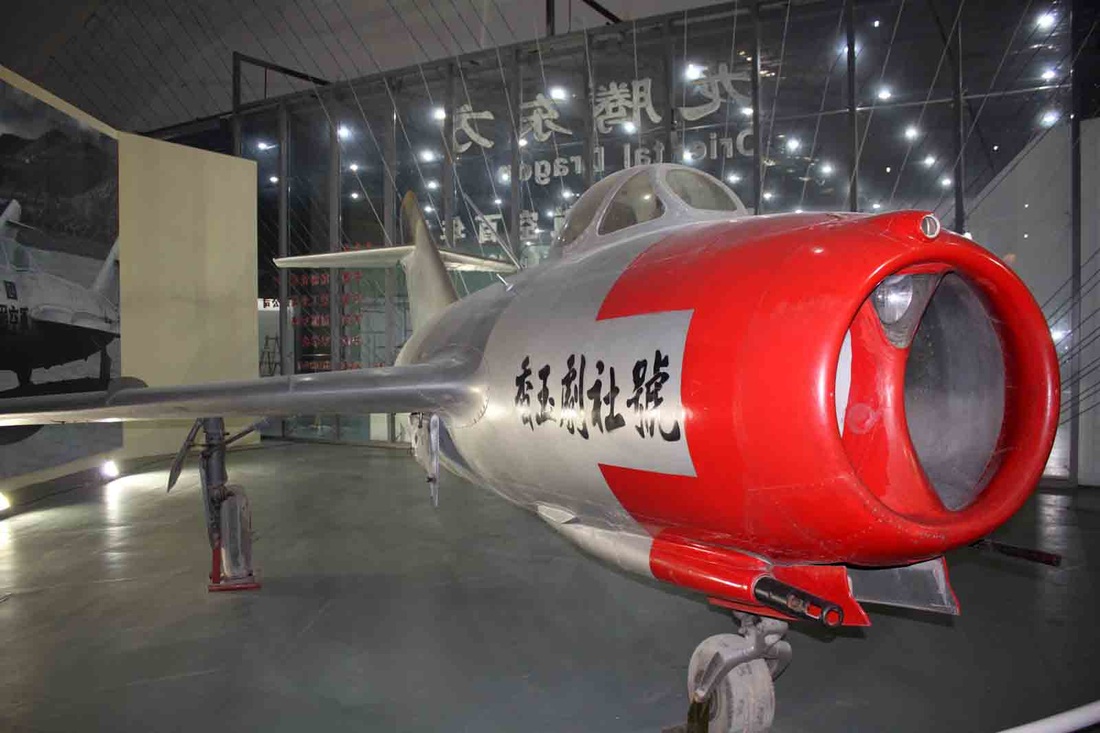  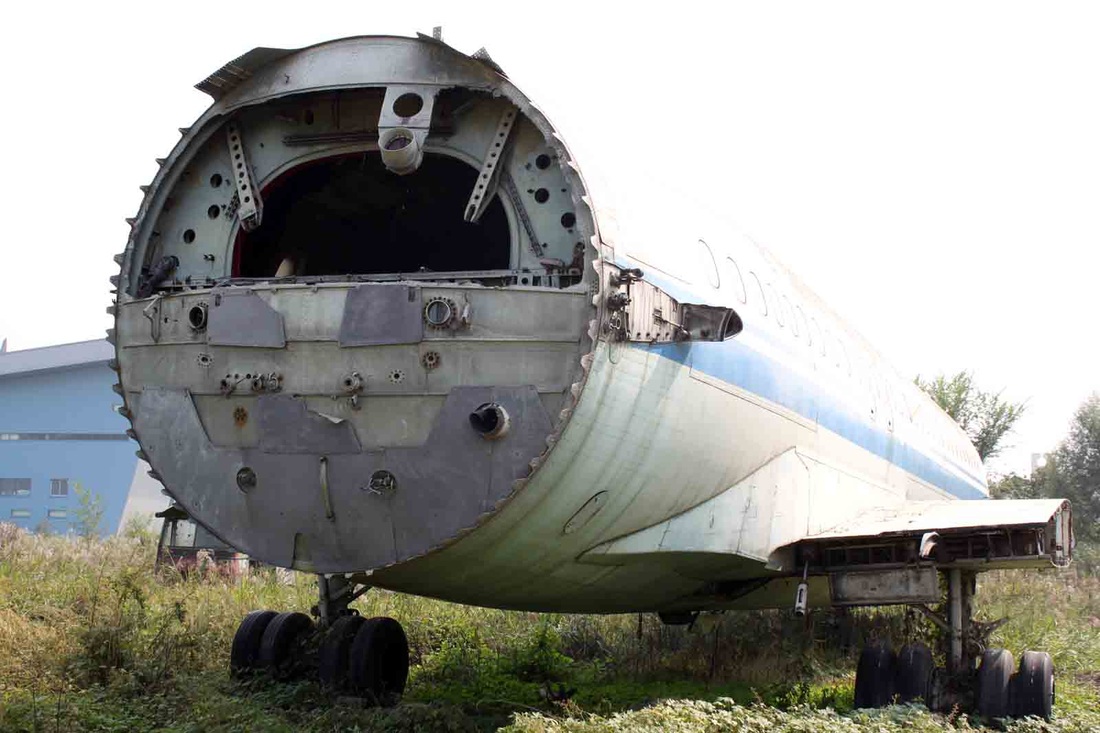 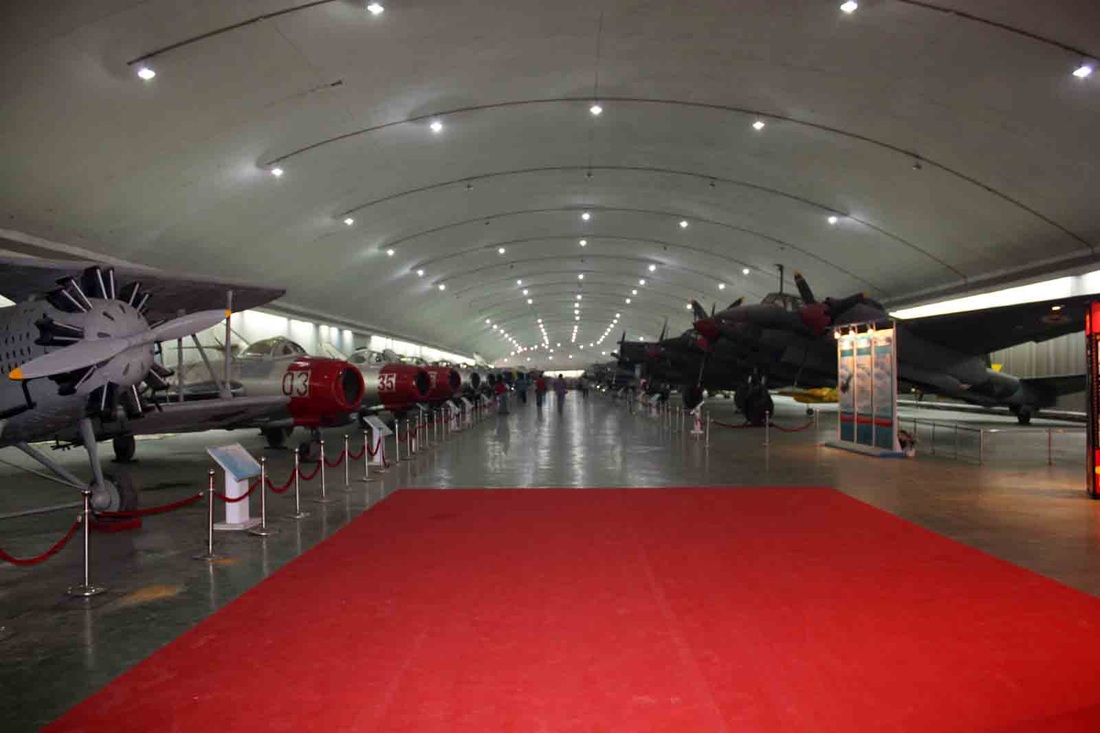 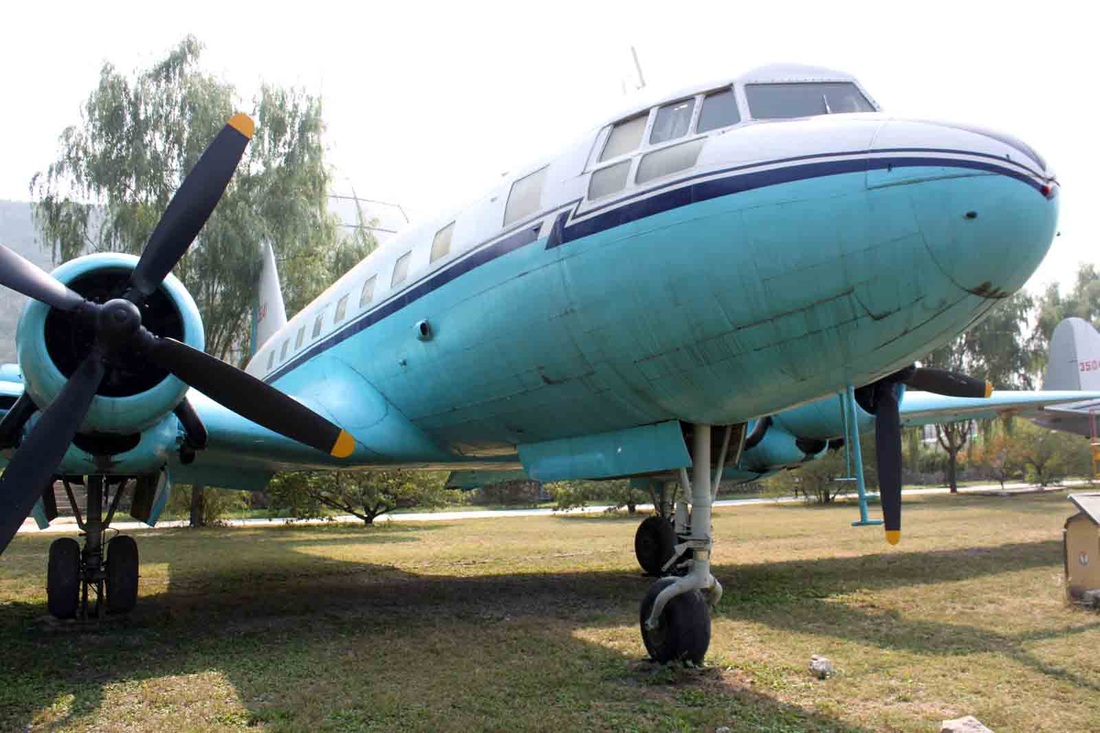 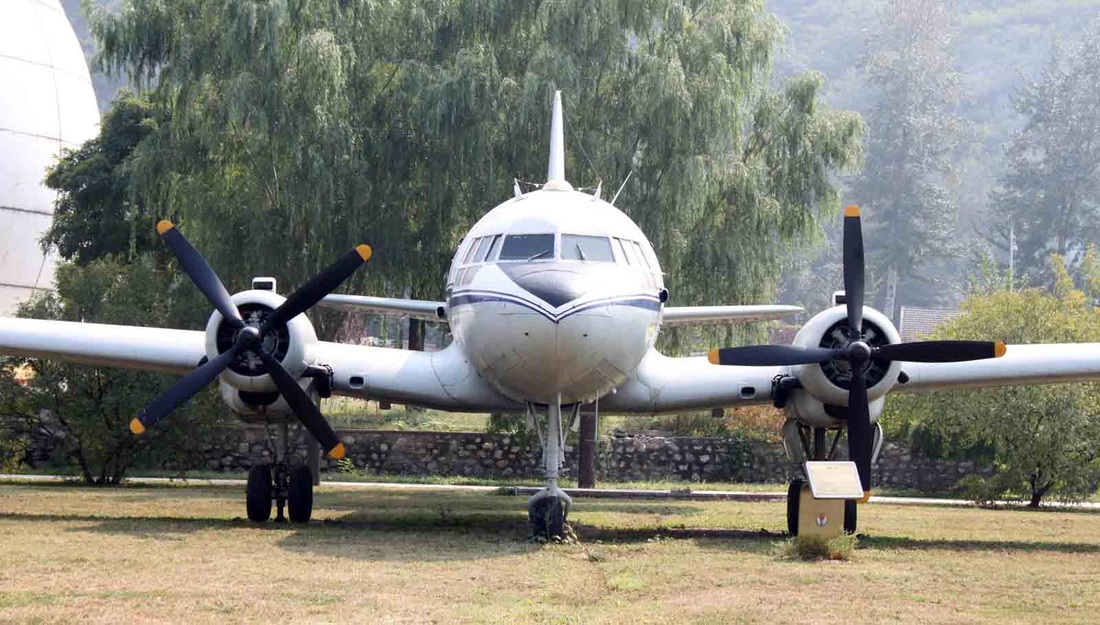 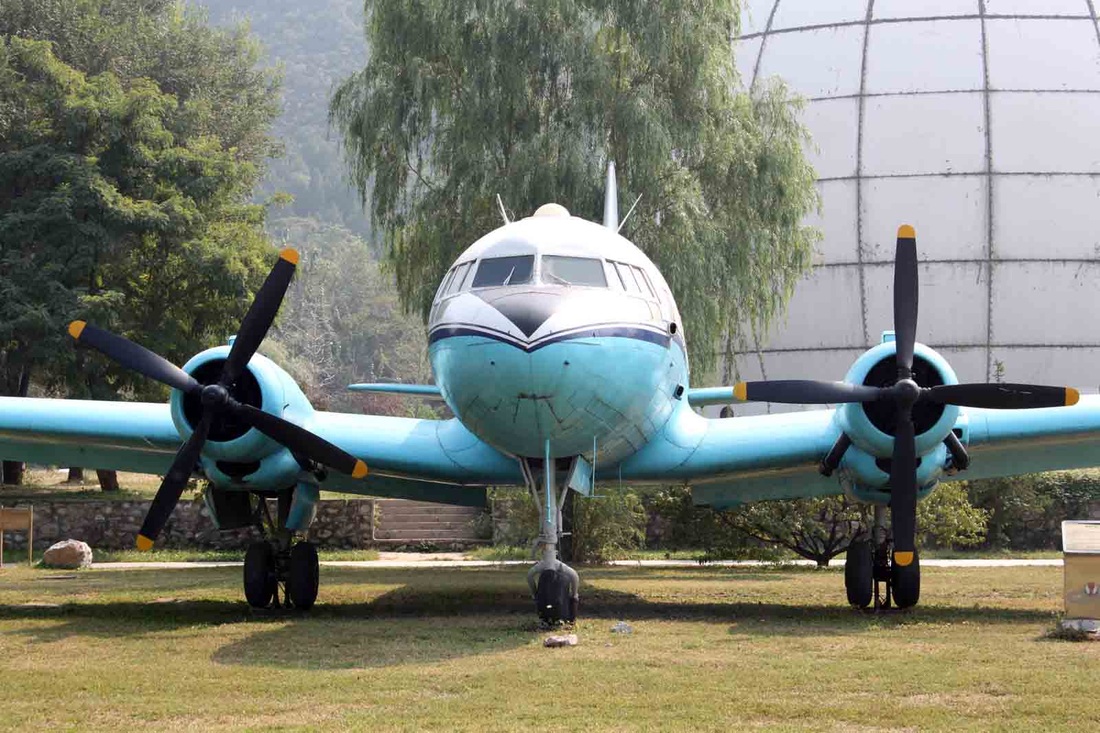  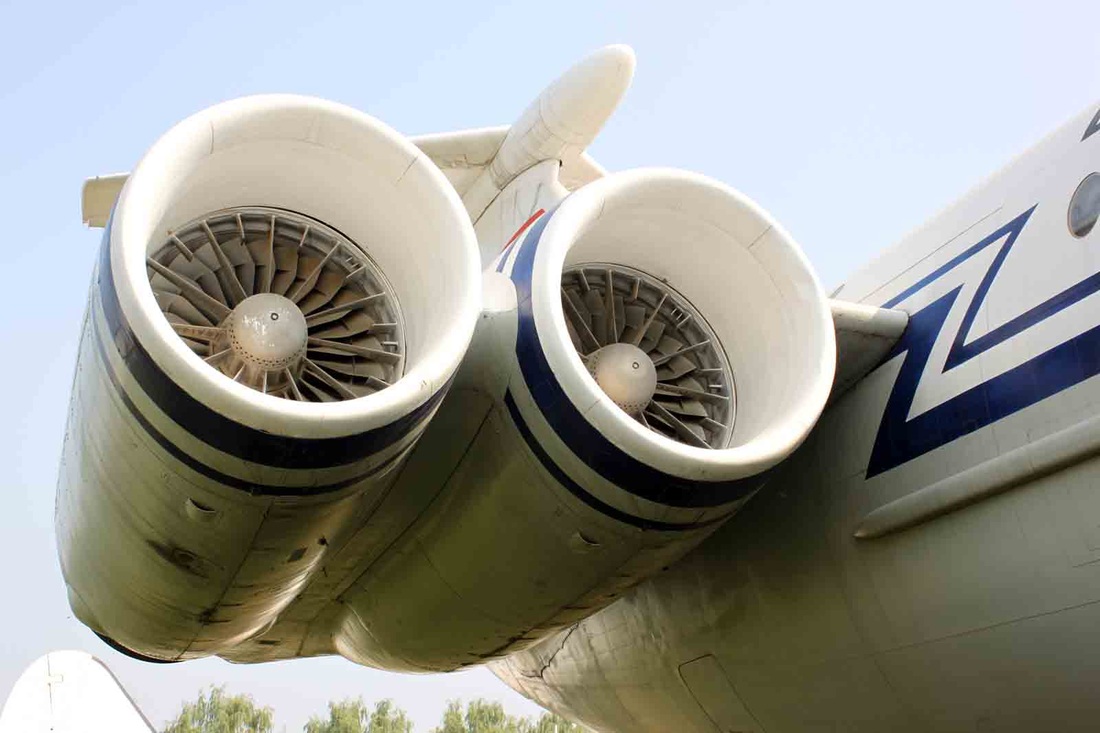 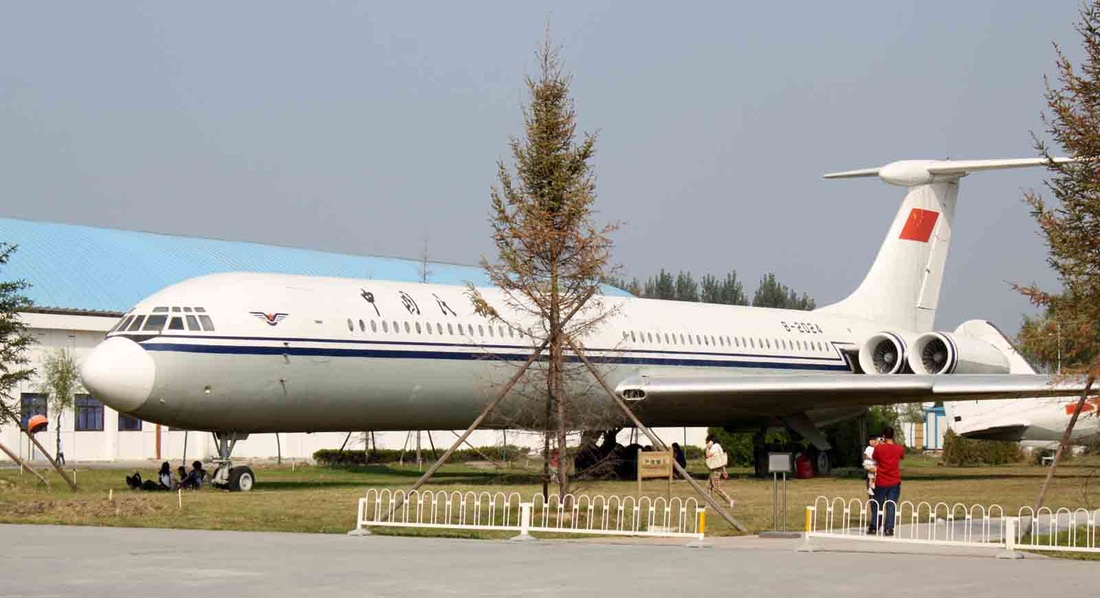 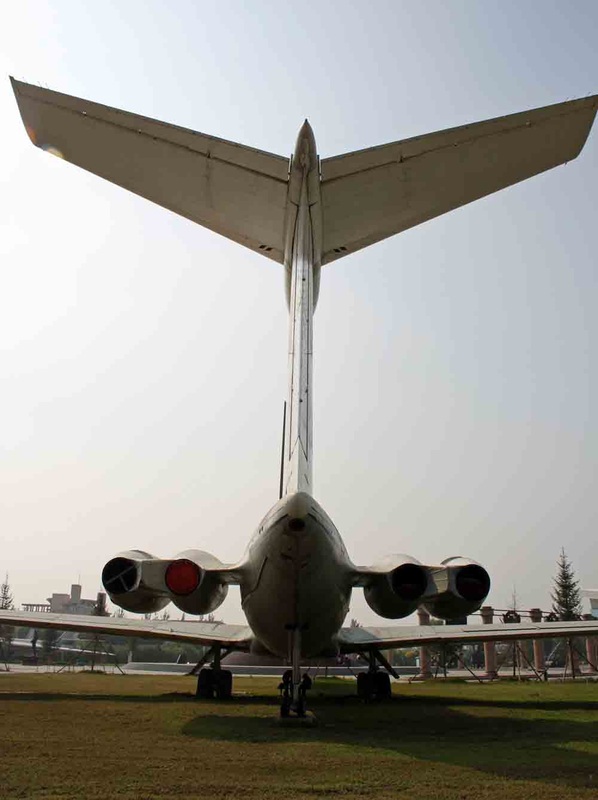 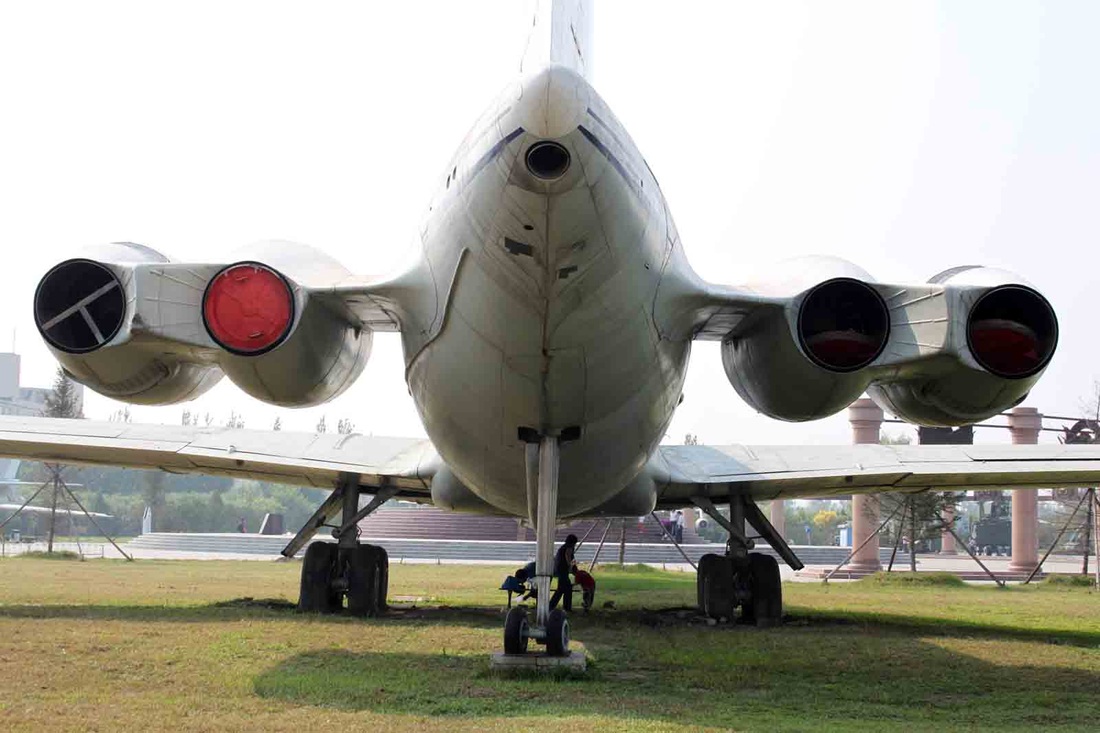 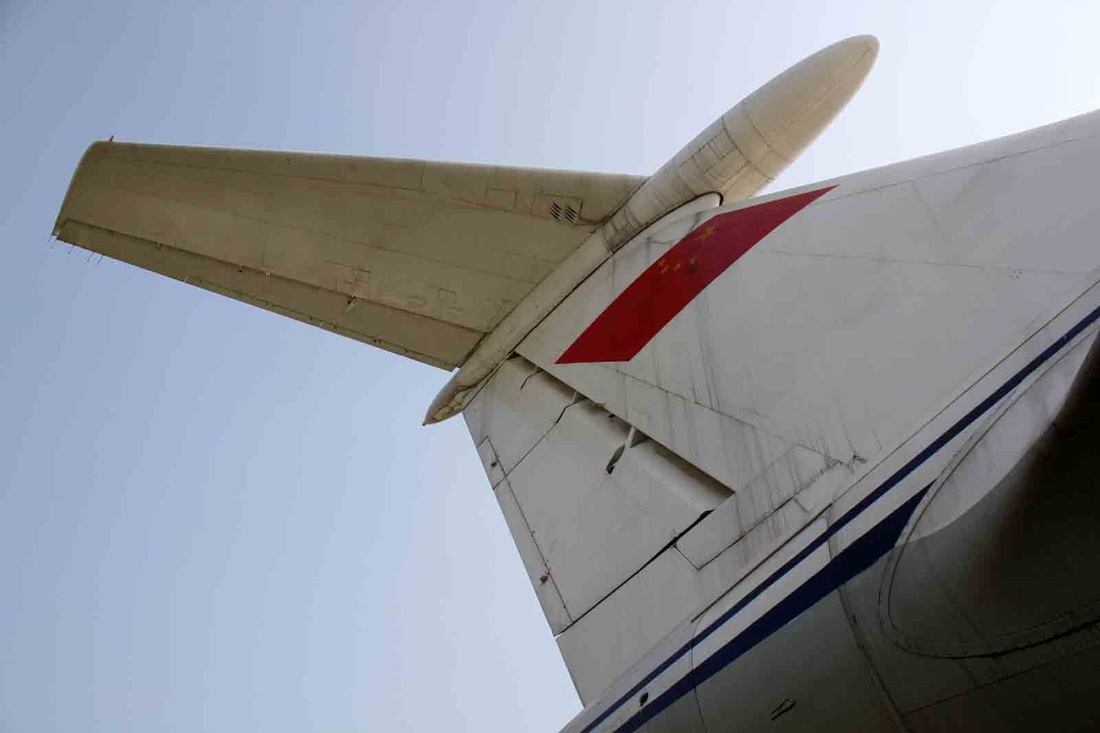 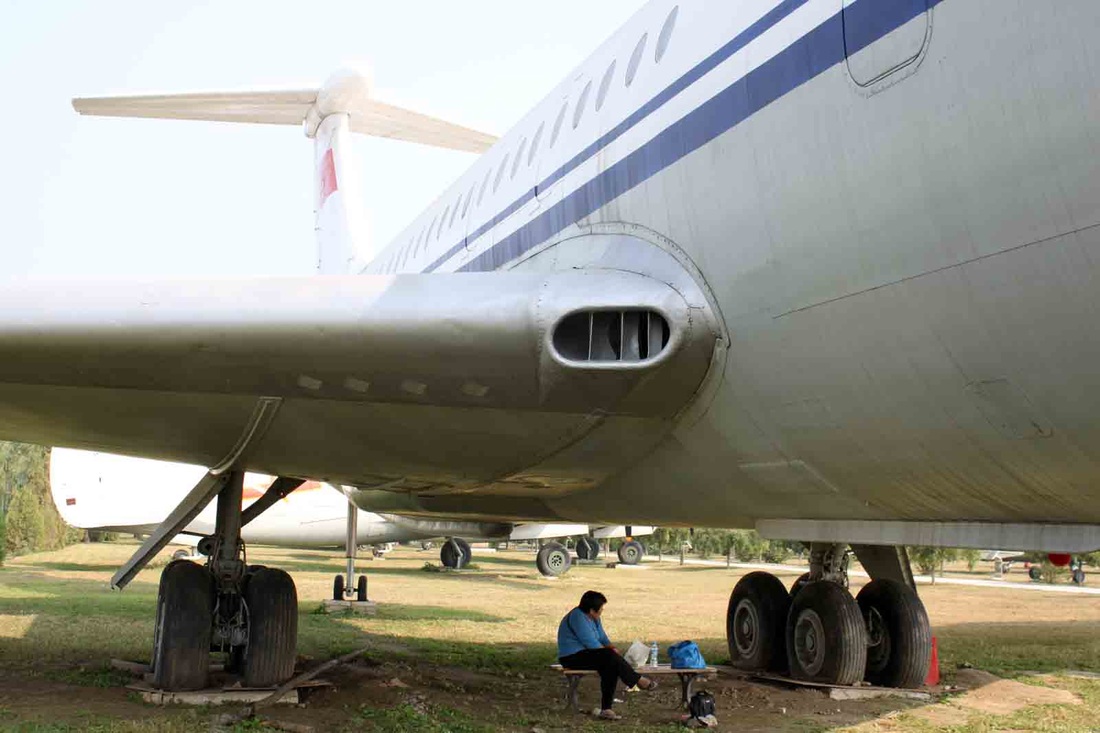   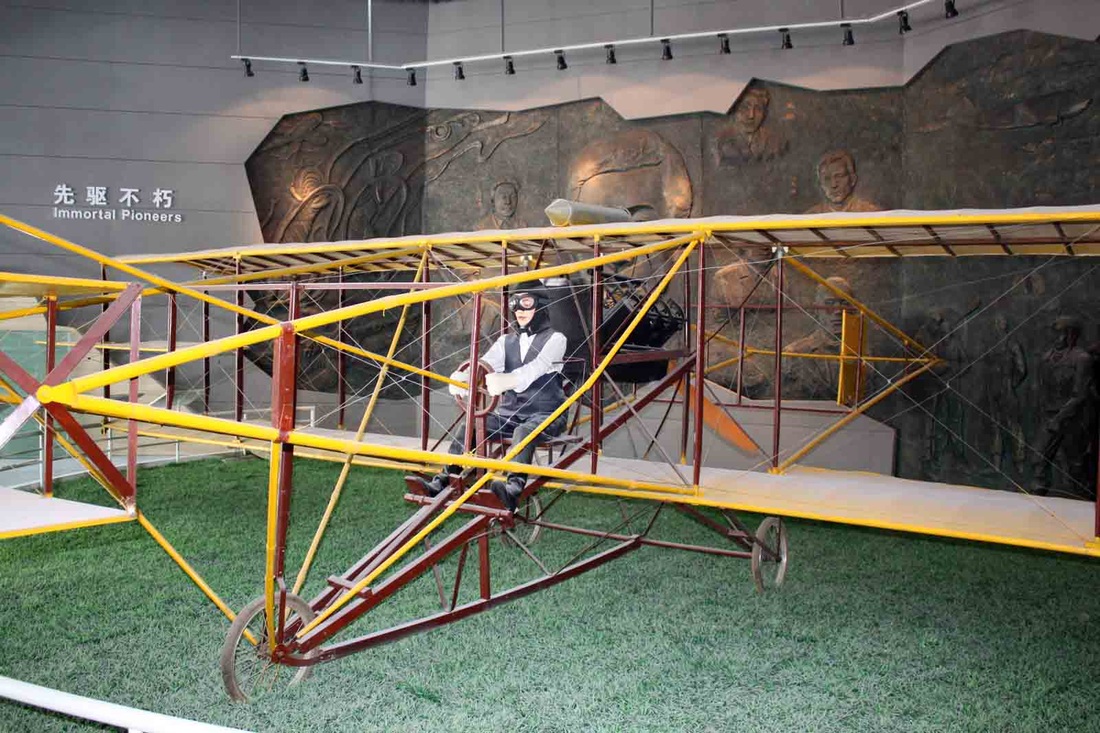 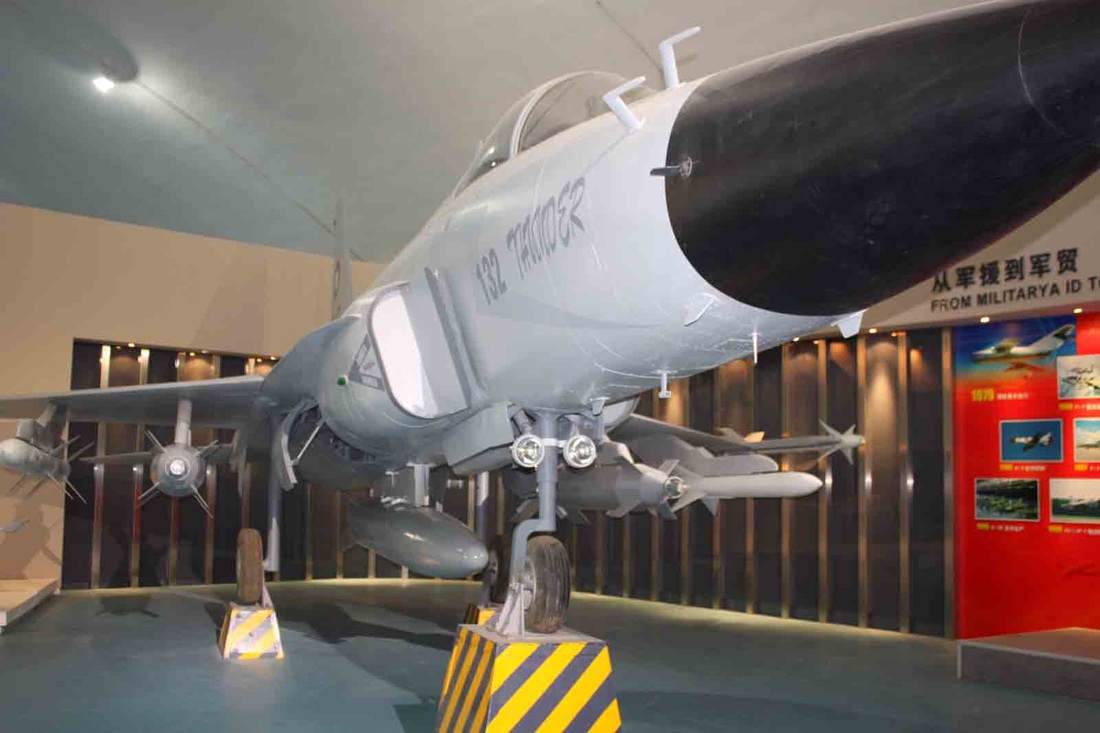  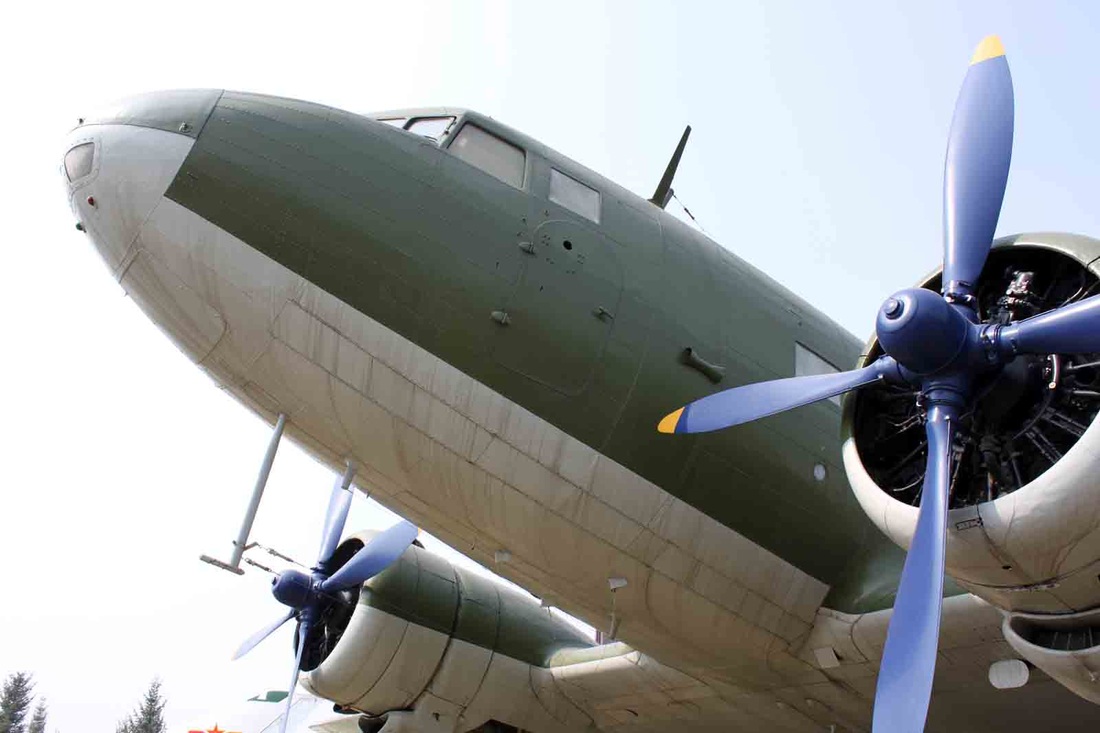 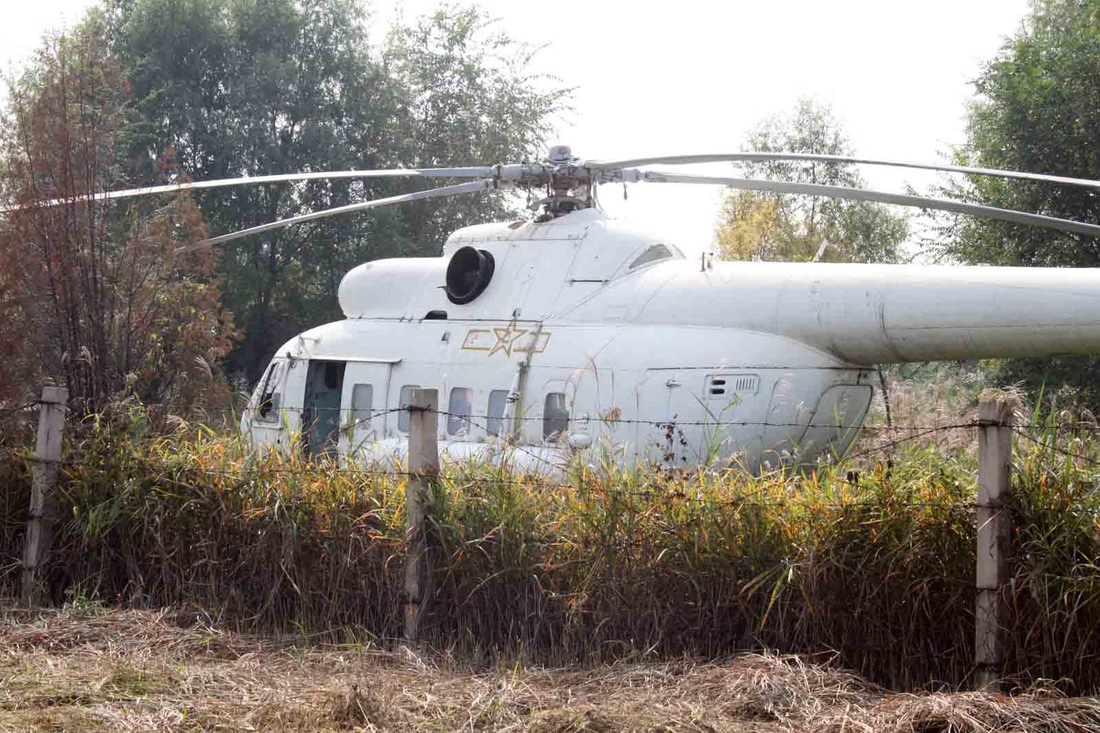 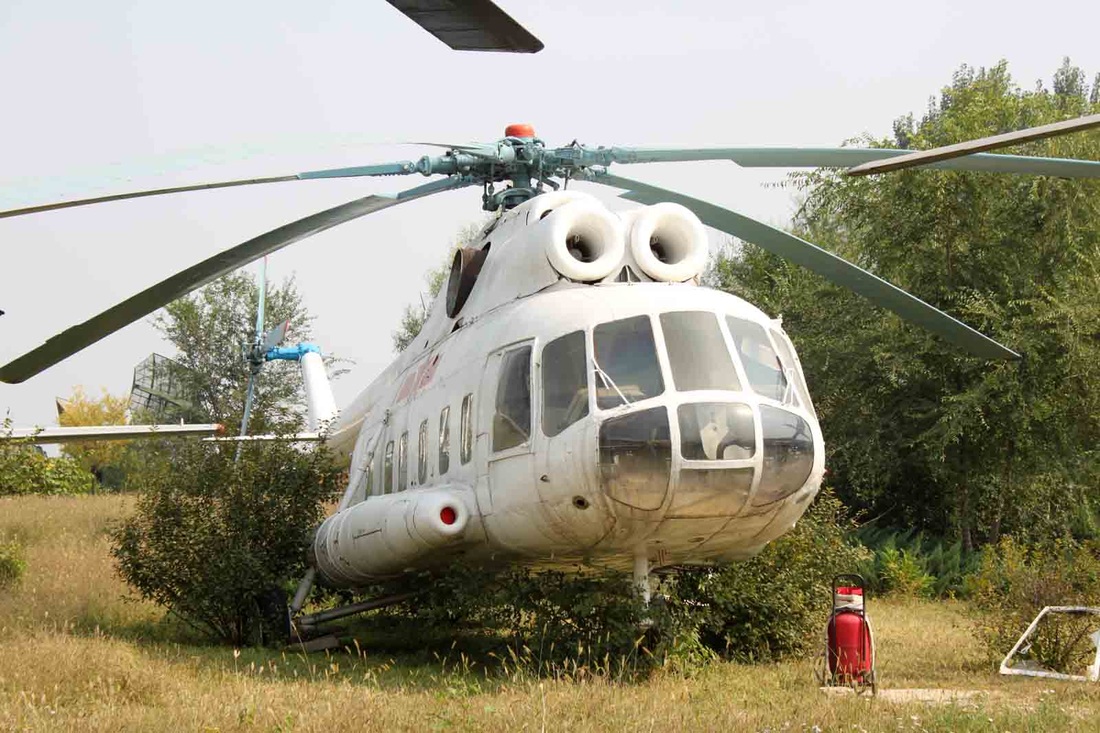      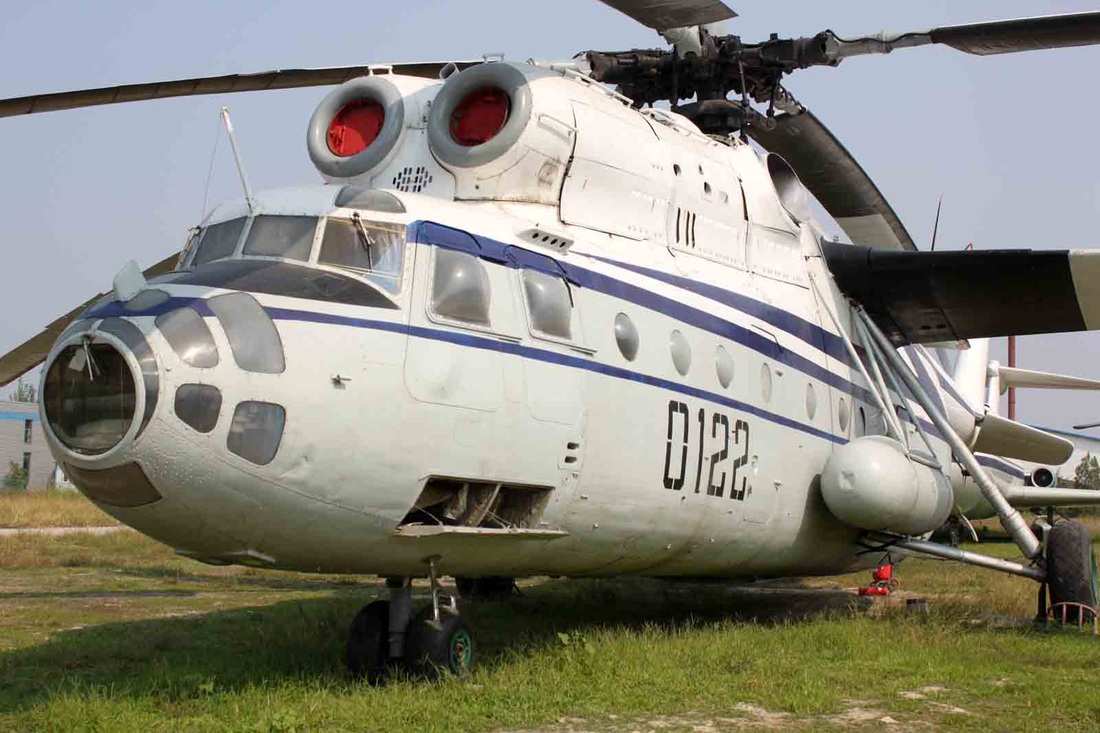 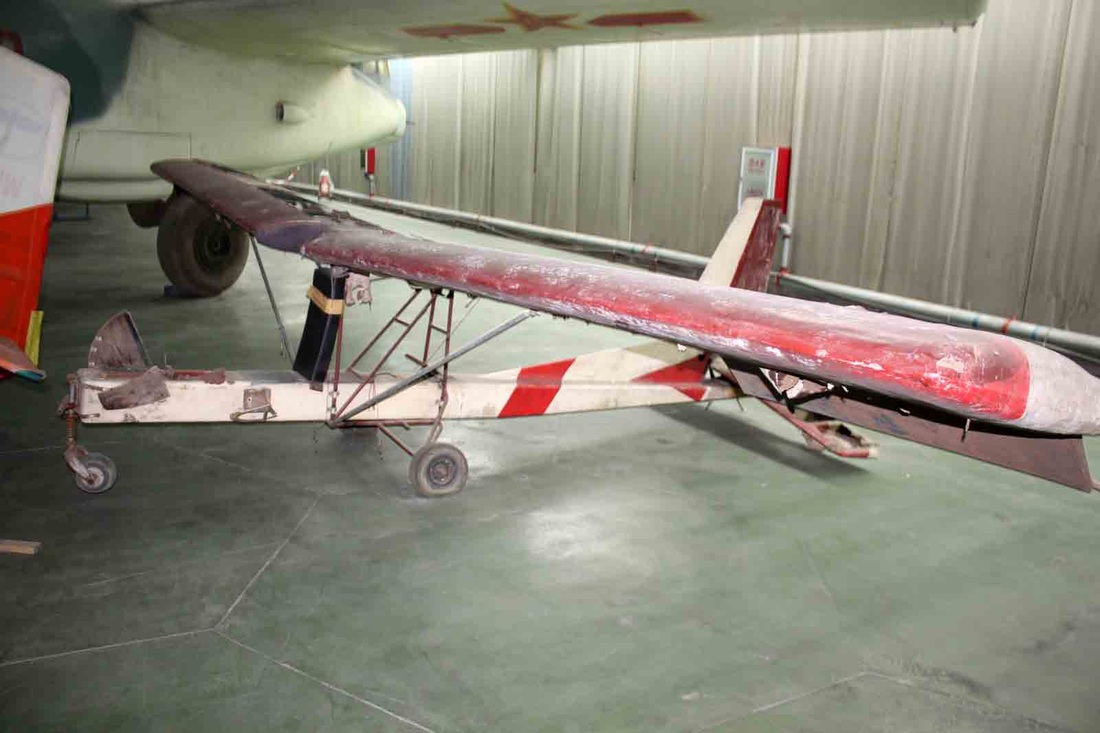    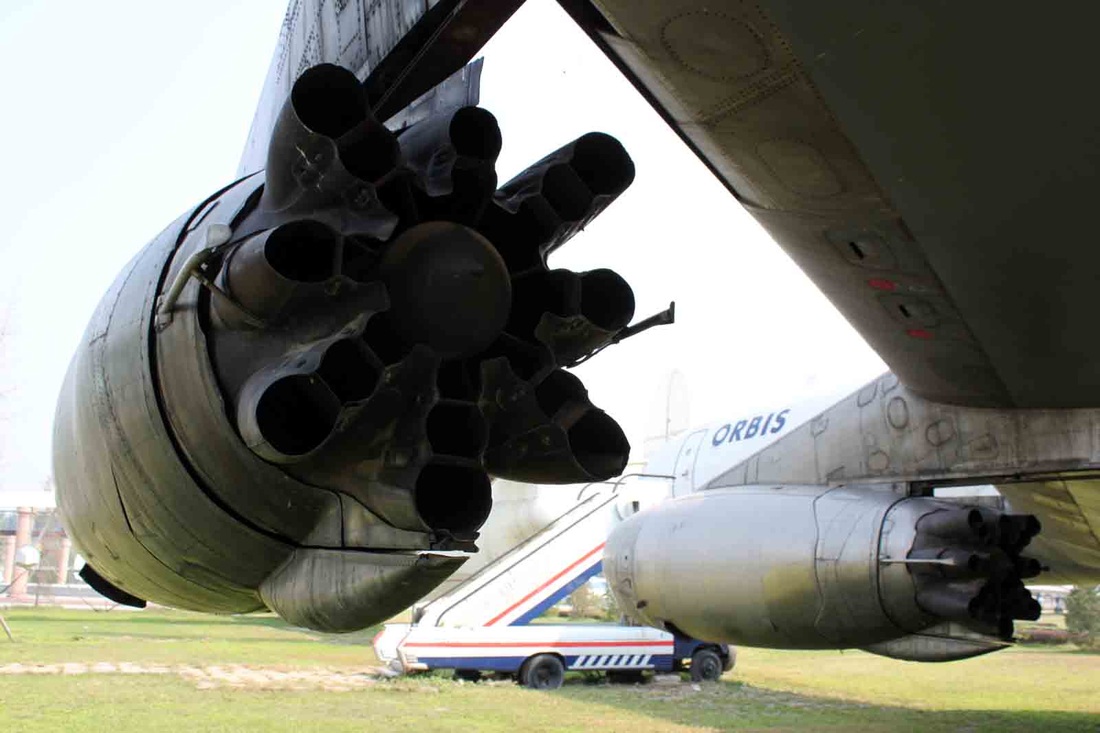   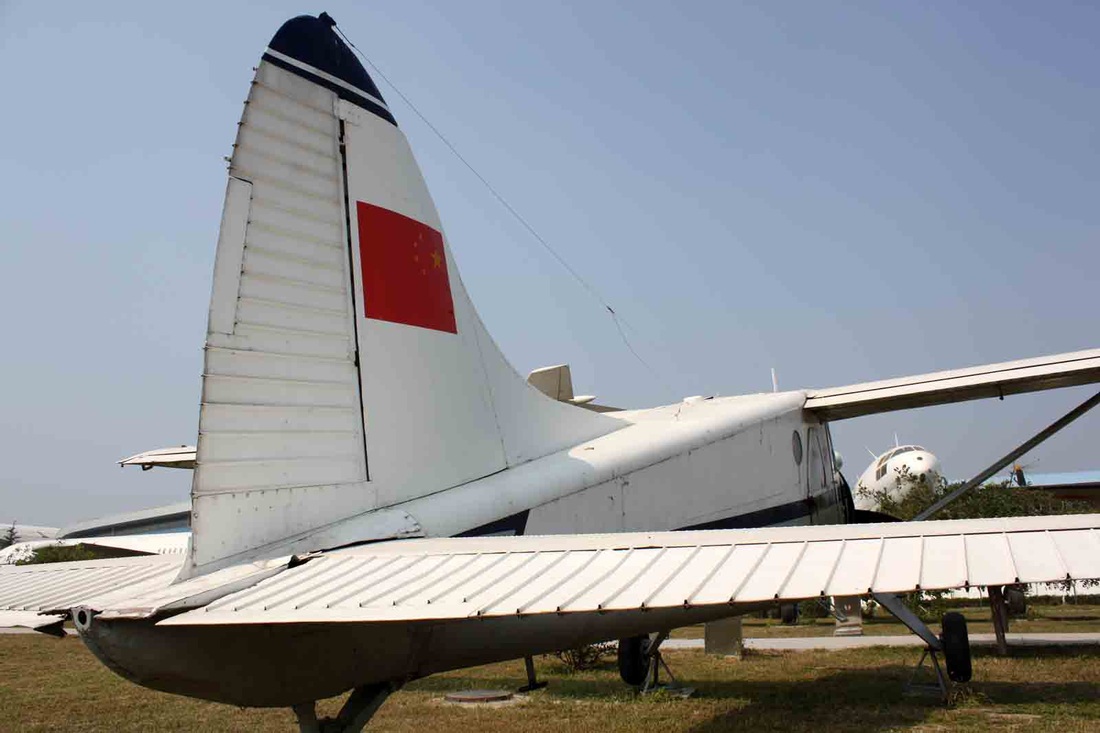  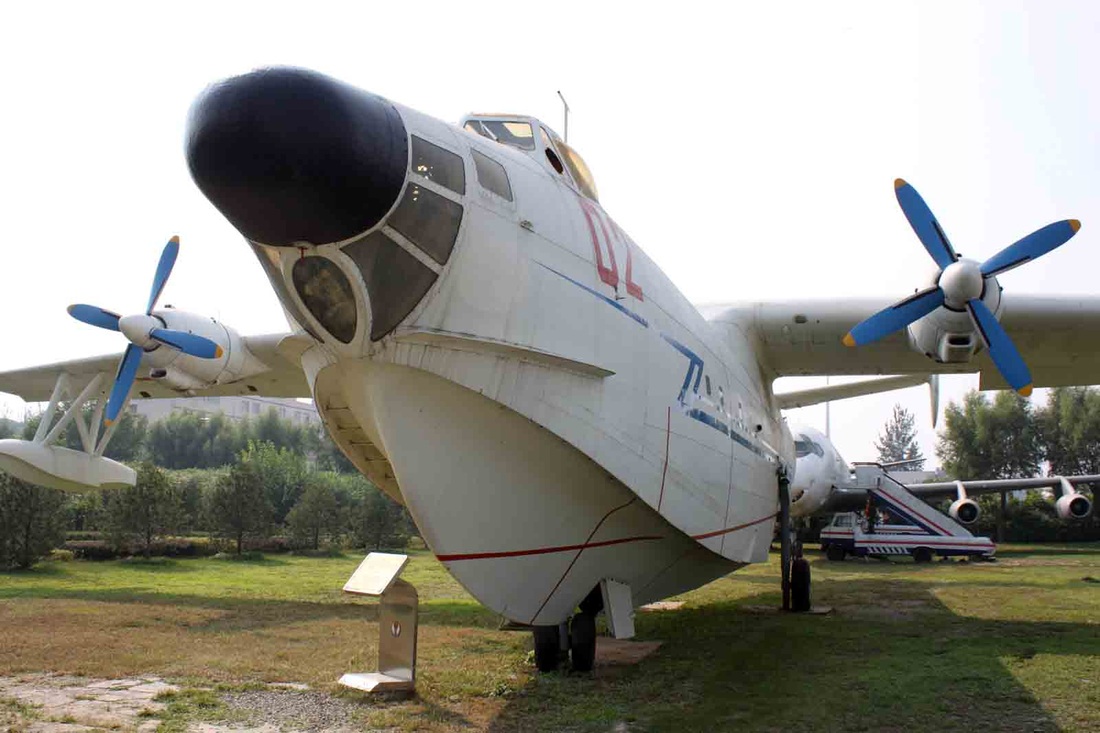 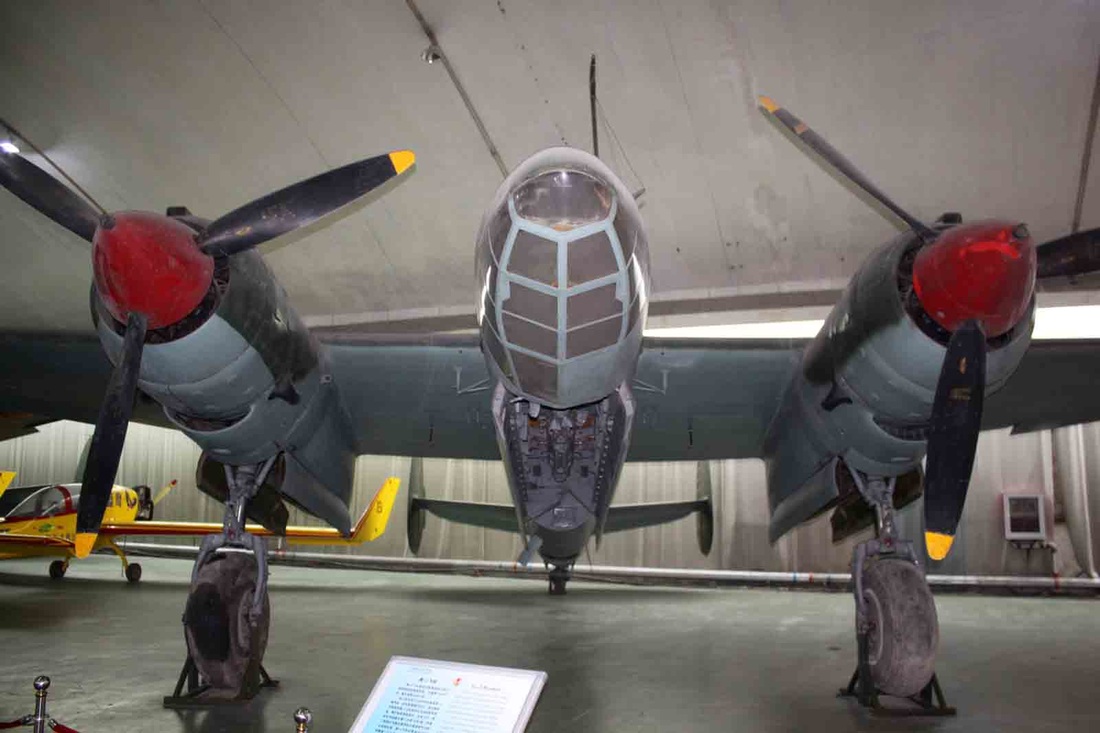 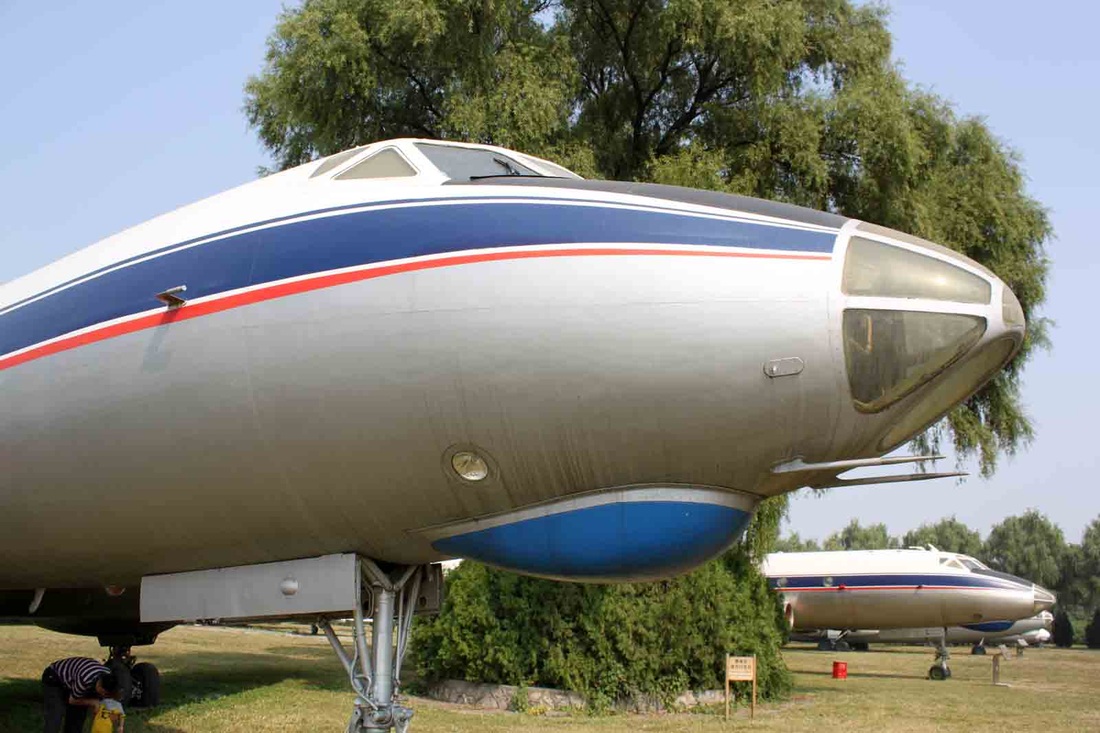 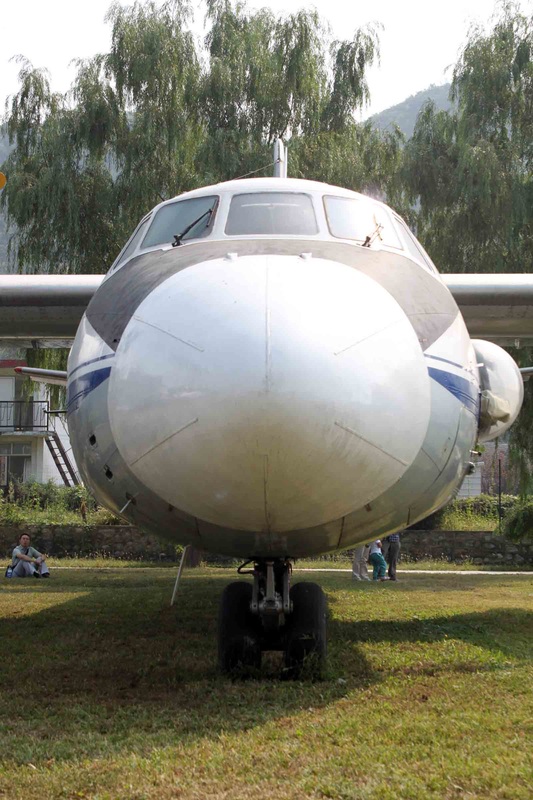 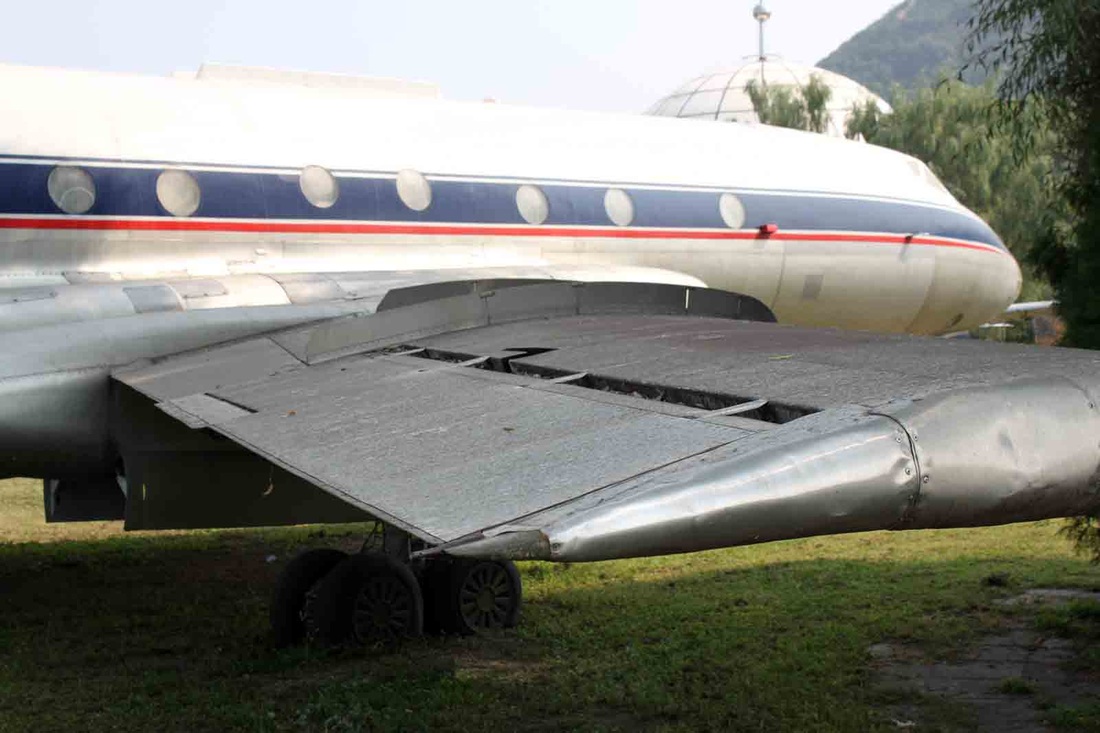 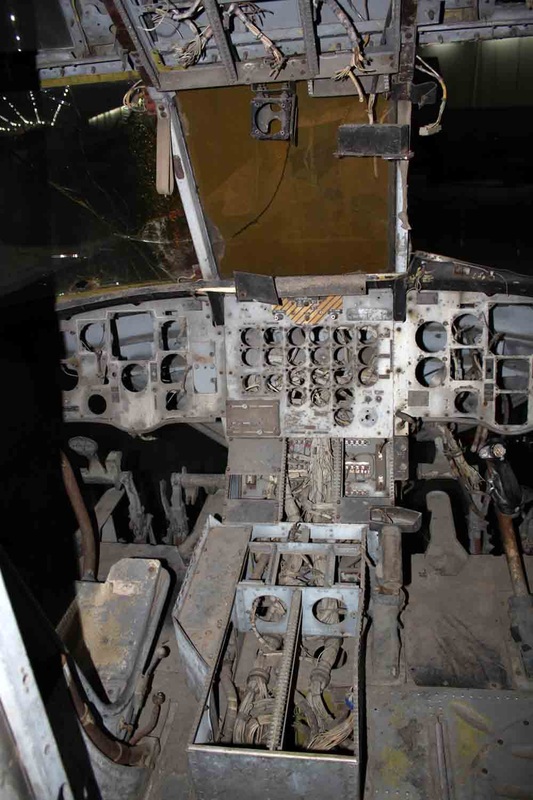 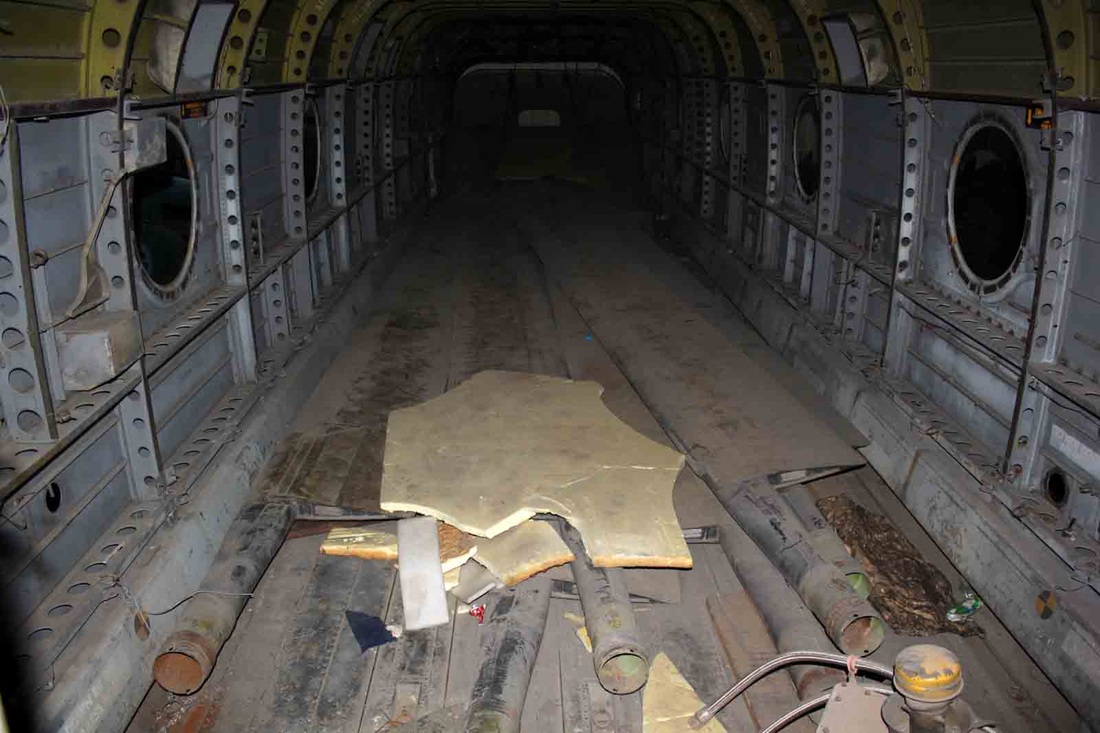 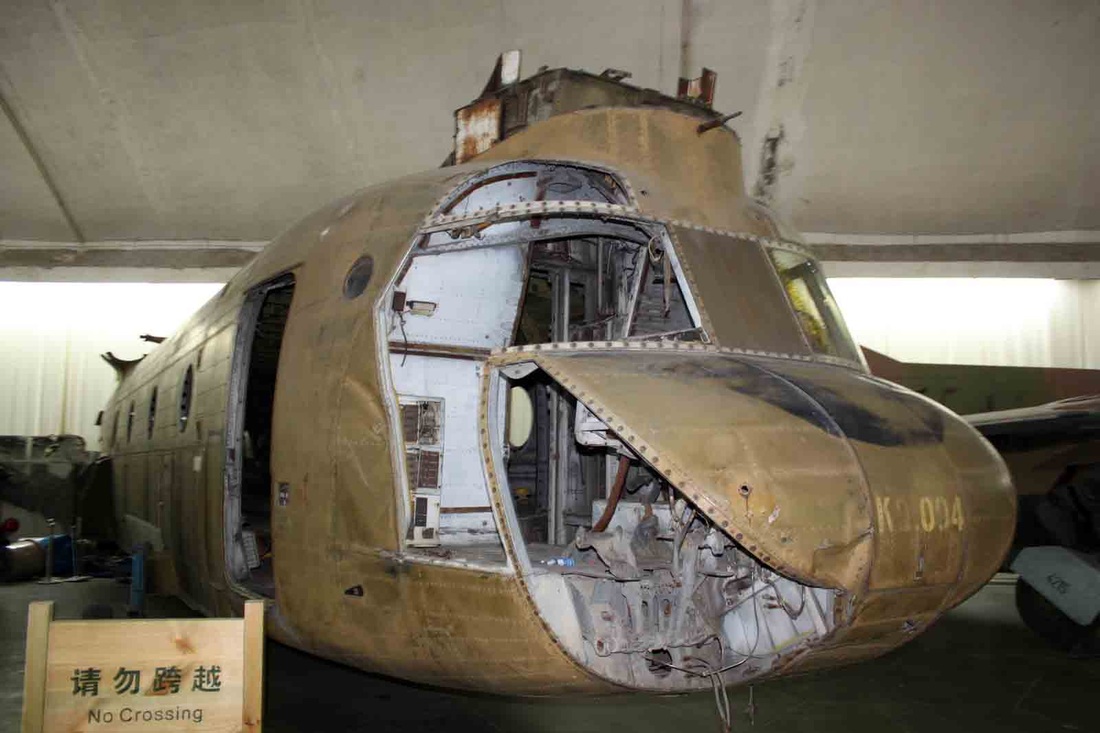  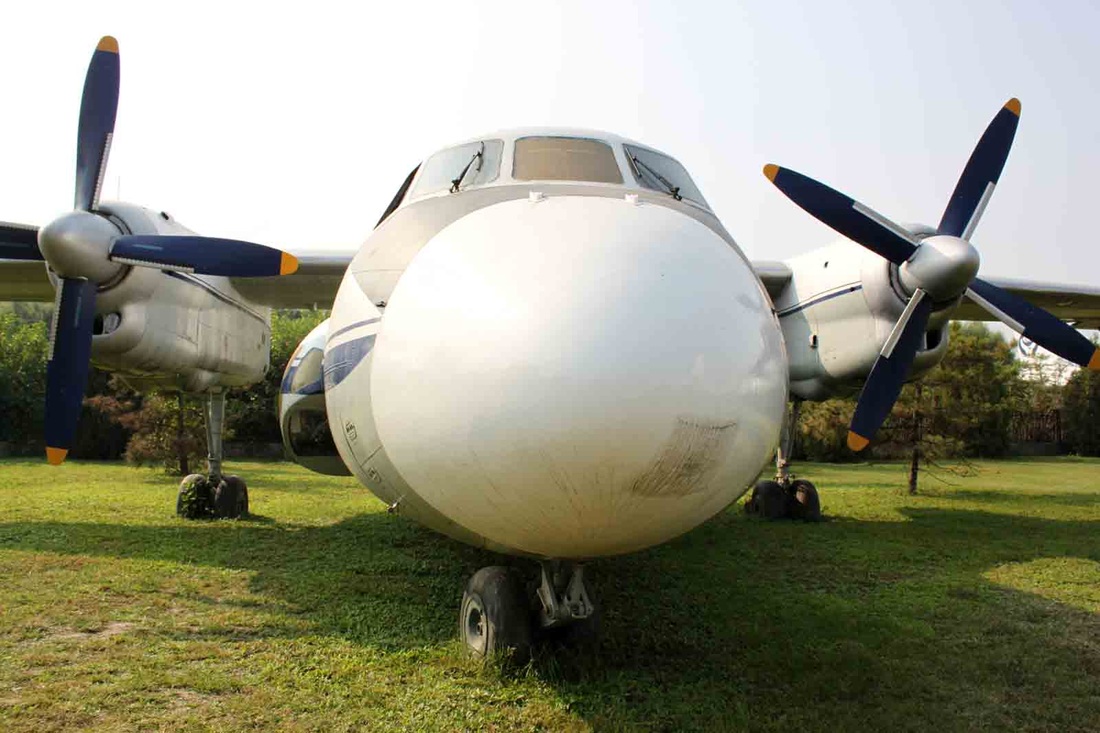  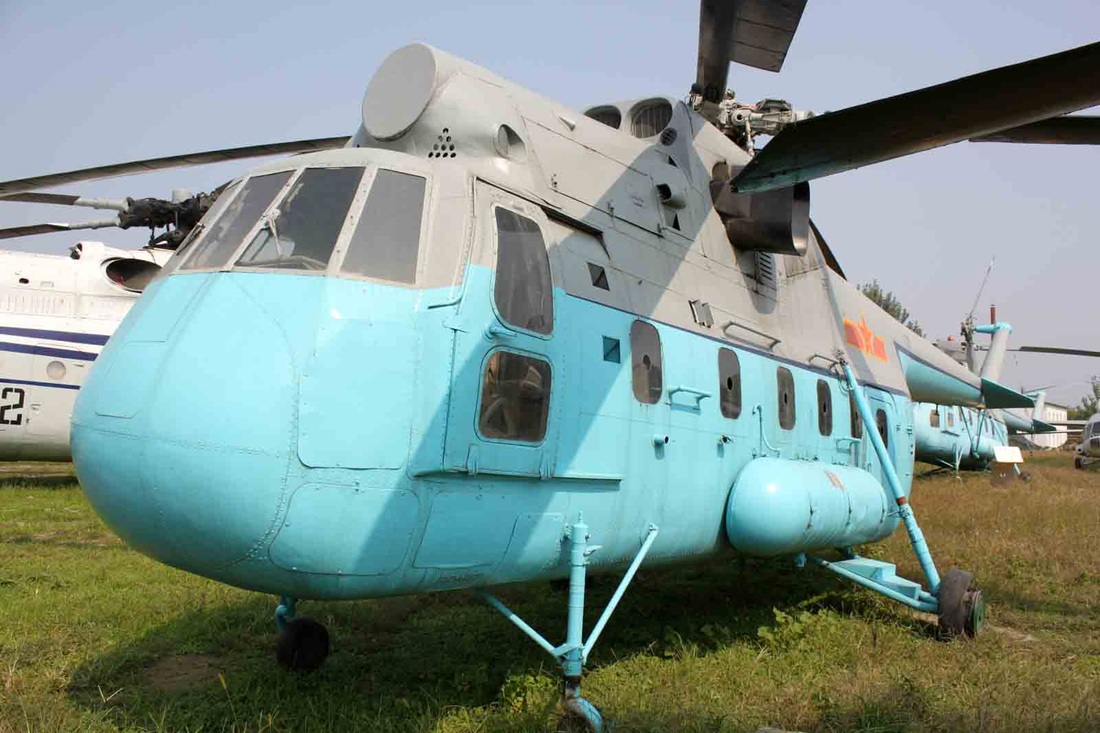 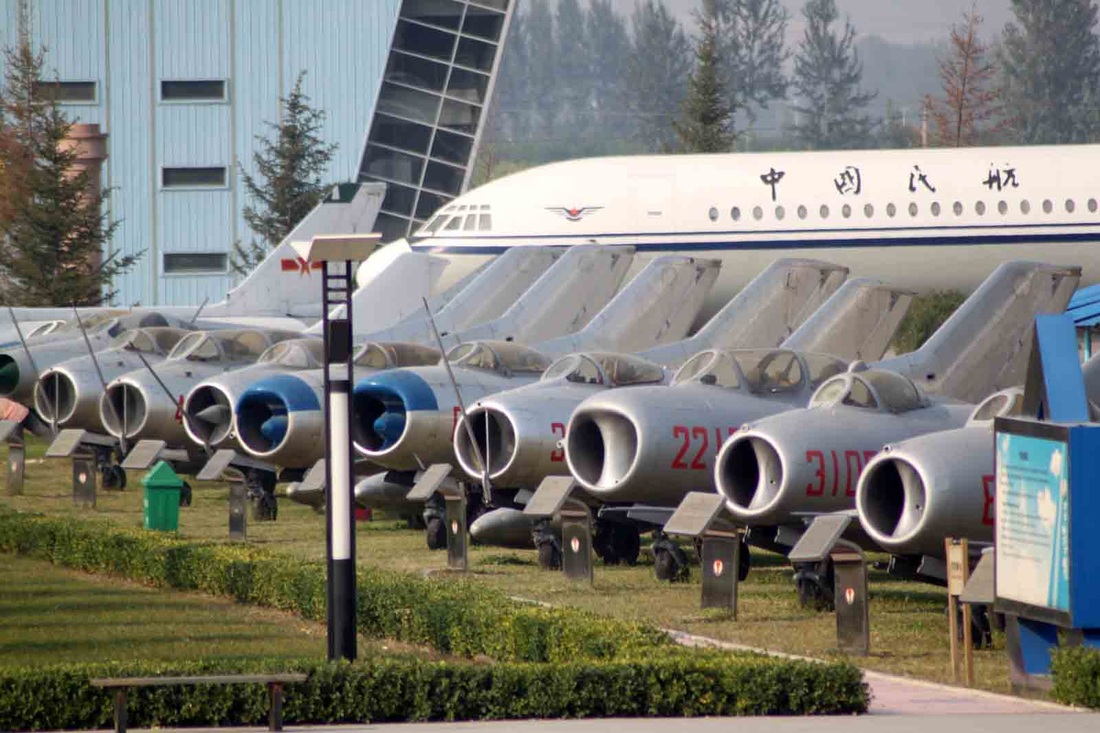 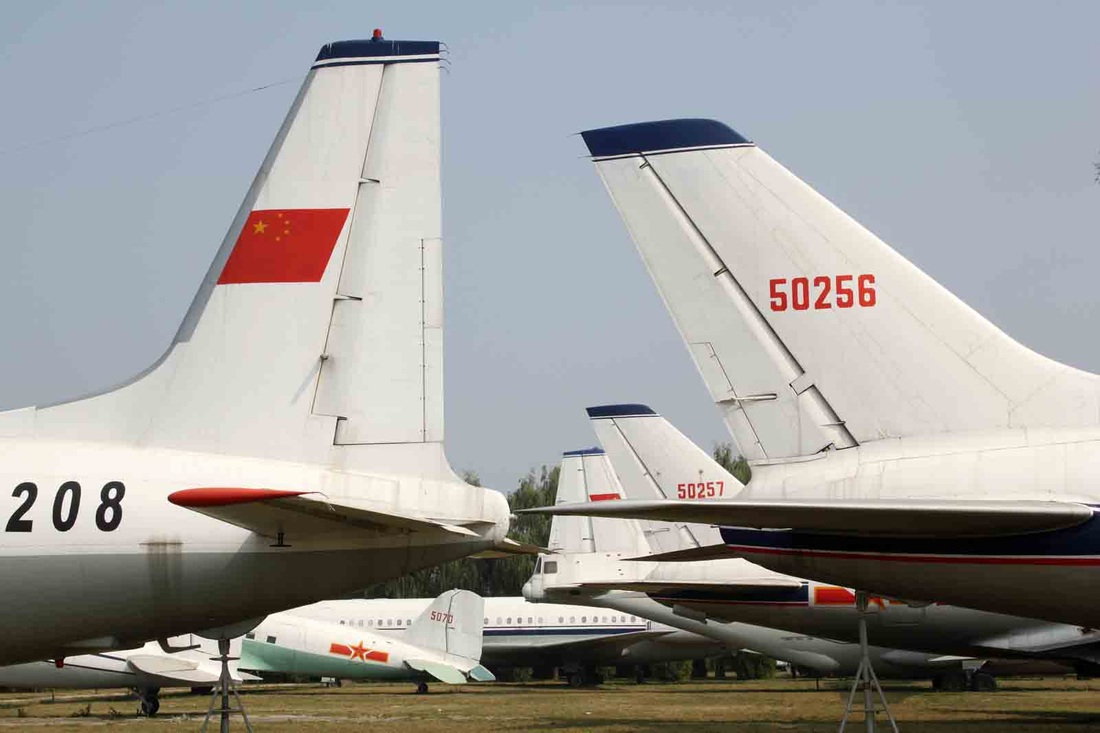 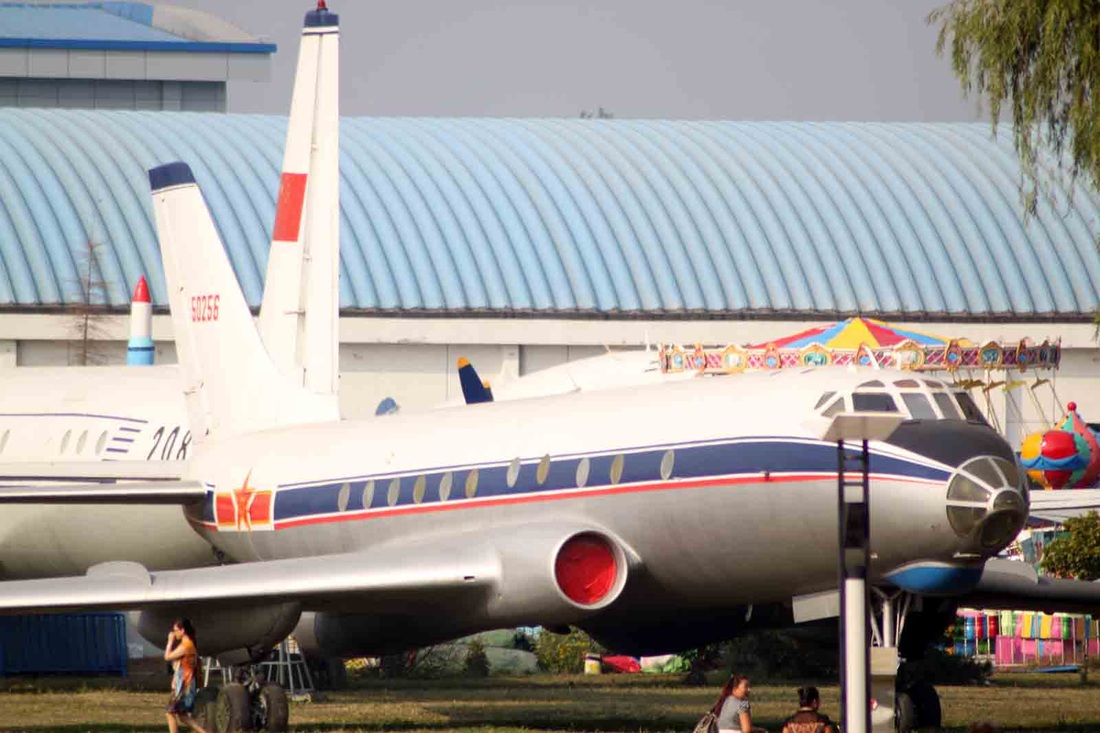 A Convair 240: Photo Copyright Navjot Singh 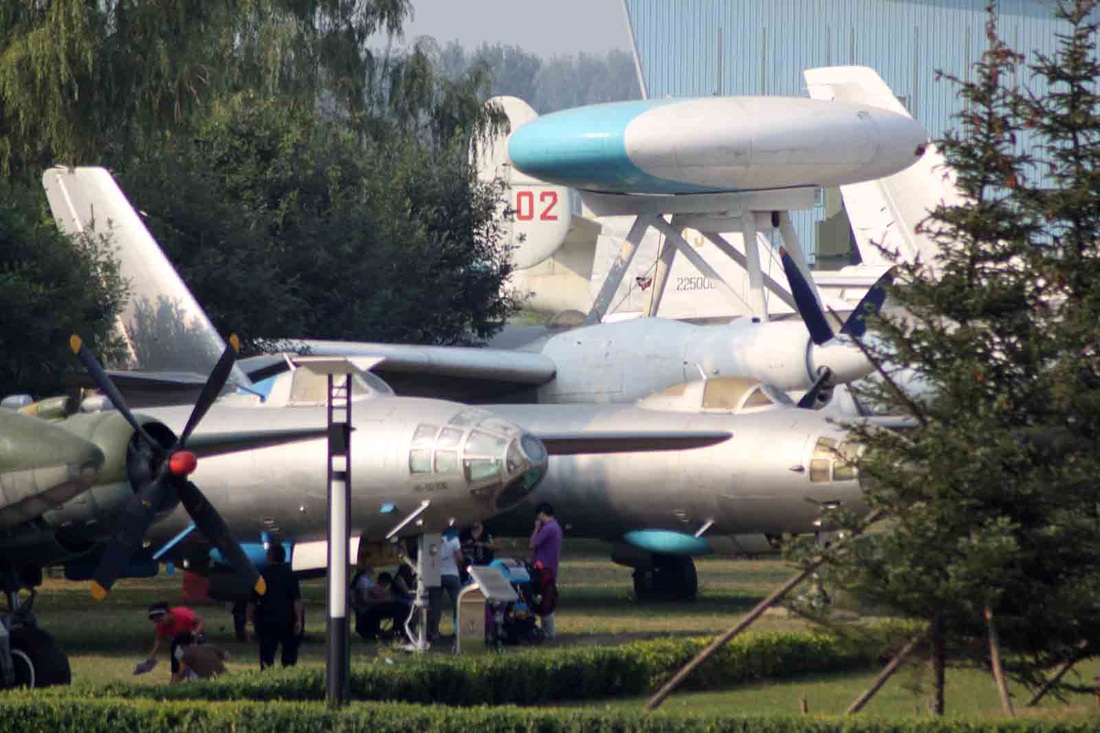 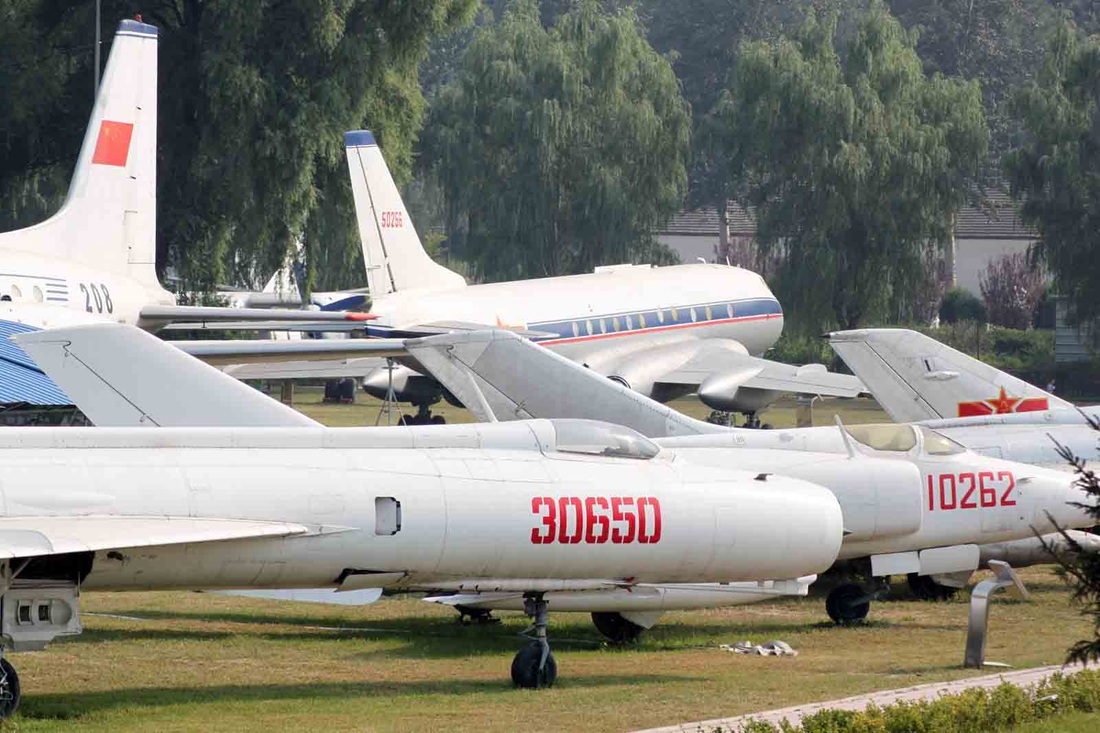 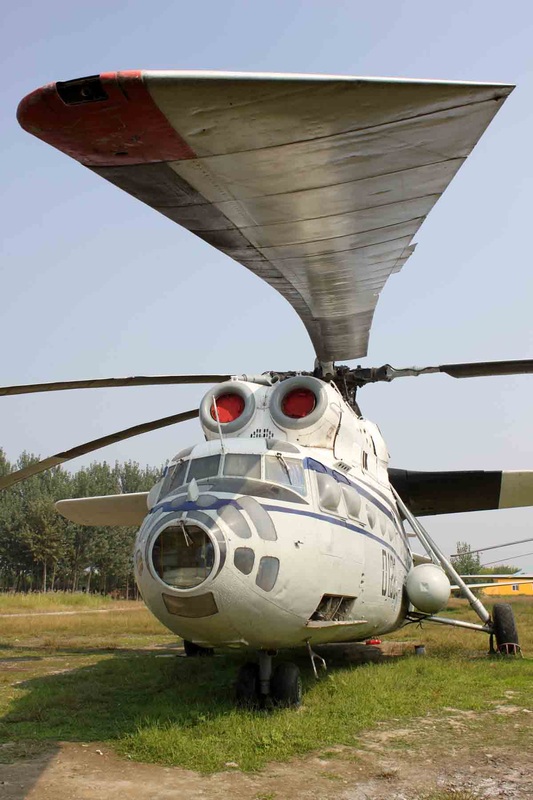 Mi-26: Photo Copyright Navjot Singh 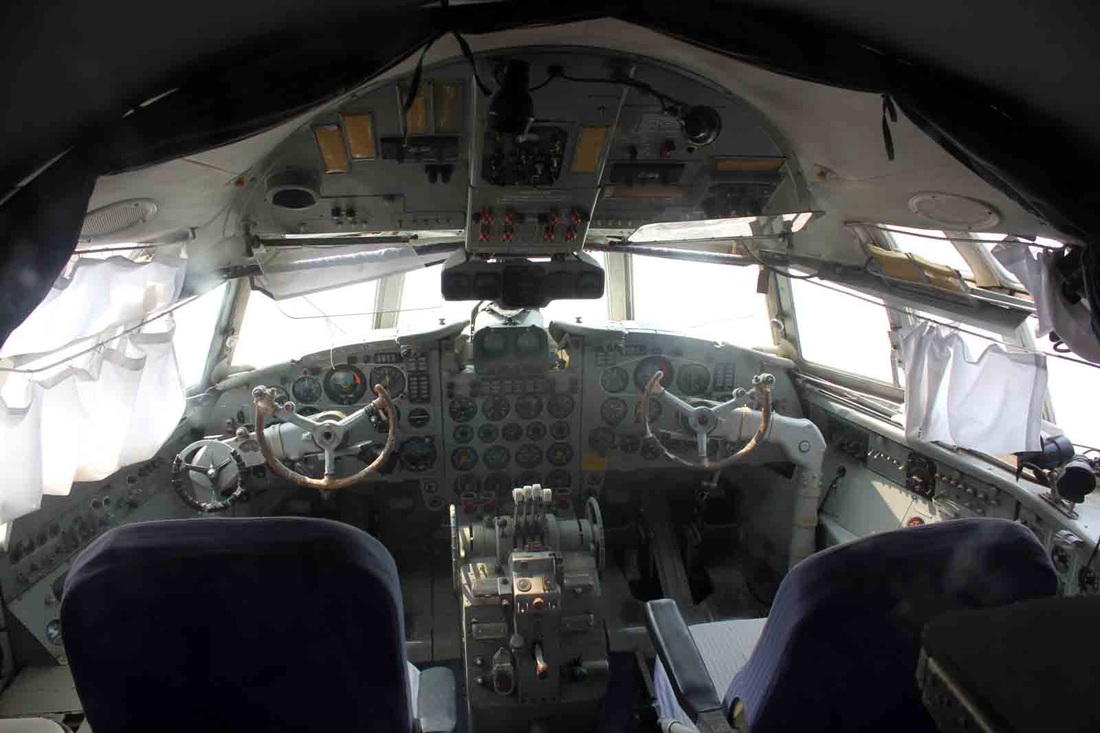 Cockpit of Mao's IL-18: Photo Copyright Navjot Singh 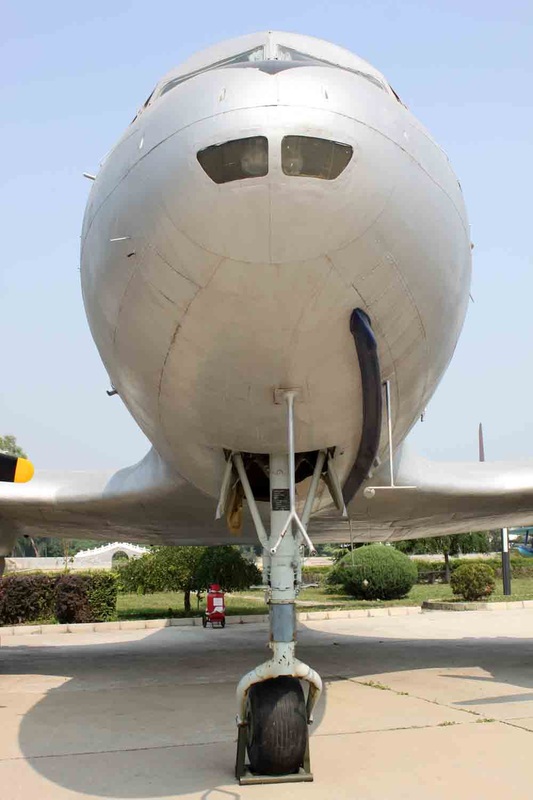 The 4204: Photo Copyright Navjot Singh 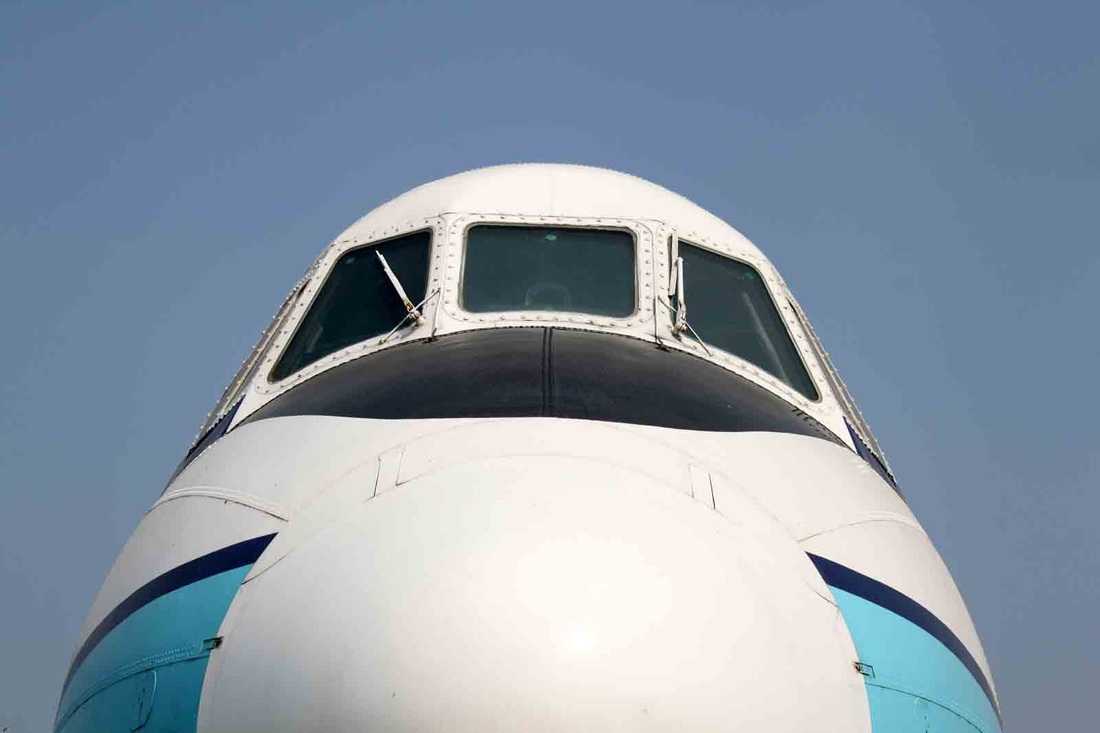 Vickers 843 - built in July 1948. This aircraft was piloted by Lan Dingshou and Zhang Jinghai when it was hijacked on July 30 1982 but landed safely in Nanjing: Photo Copyright Navjot Singh 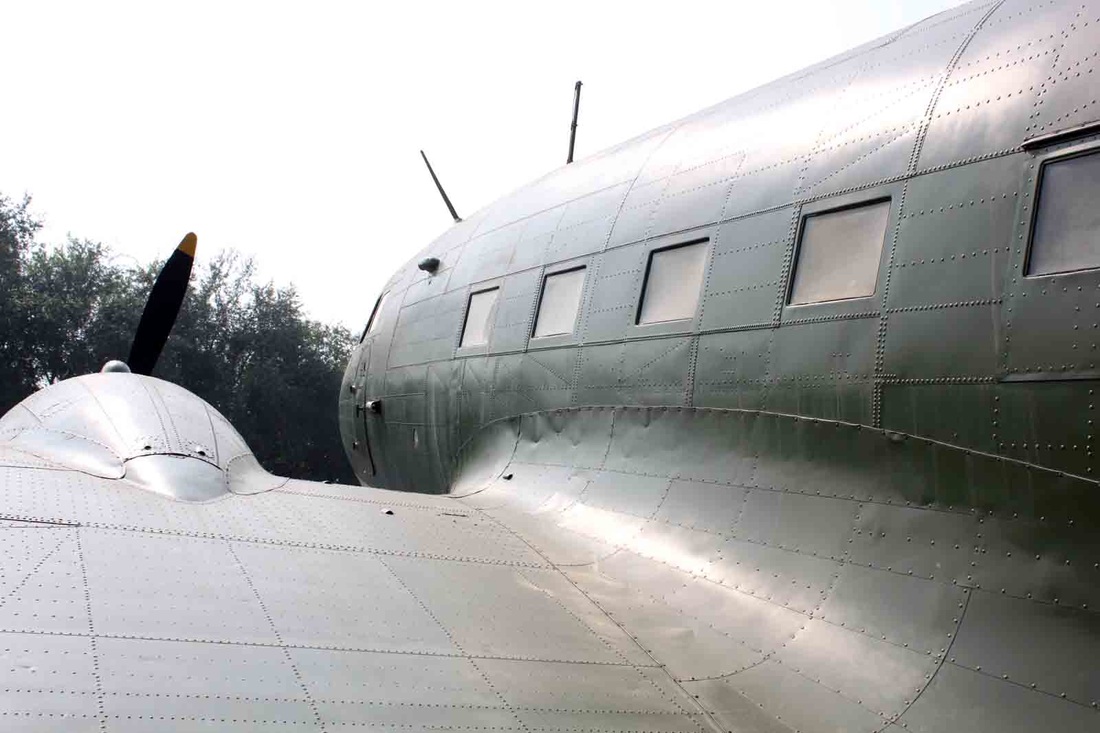 A C-47: Photo Copyright Navjot Singh 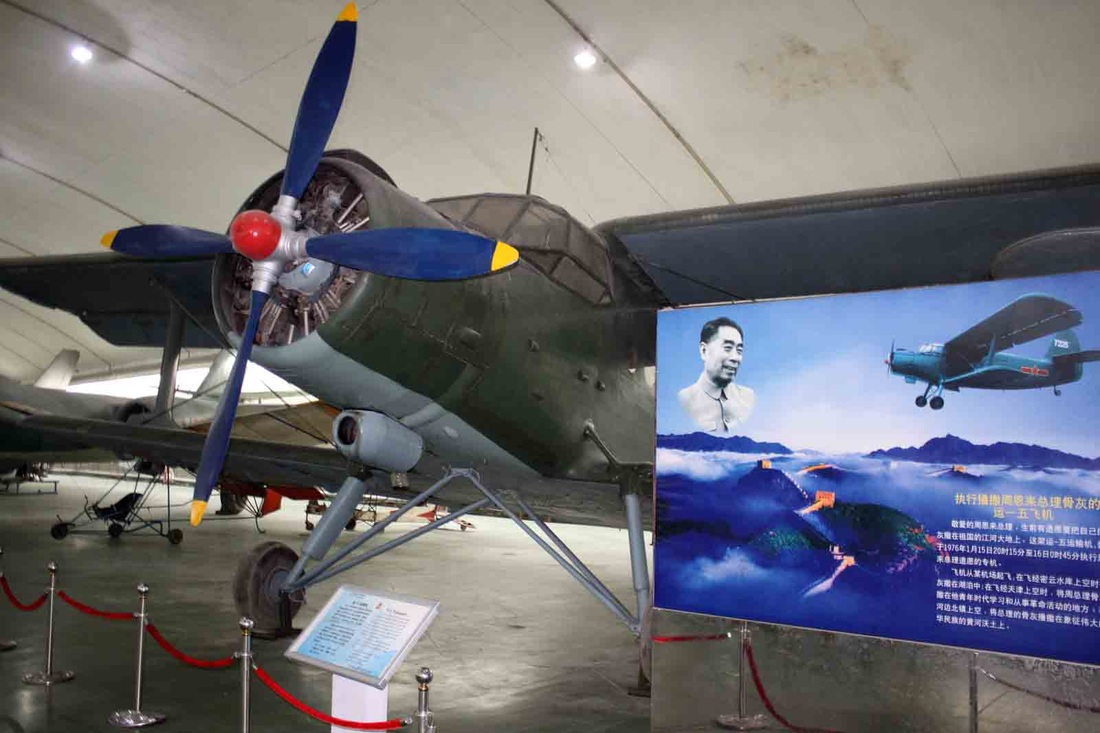 The Y-5. On 1976-1-15, the plane was used to scatter the ashes of the late Premier Zhou Enlai: Photo Copyright Navjot Singh 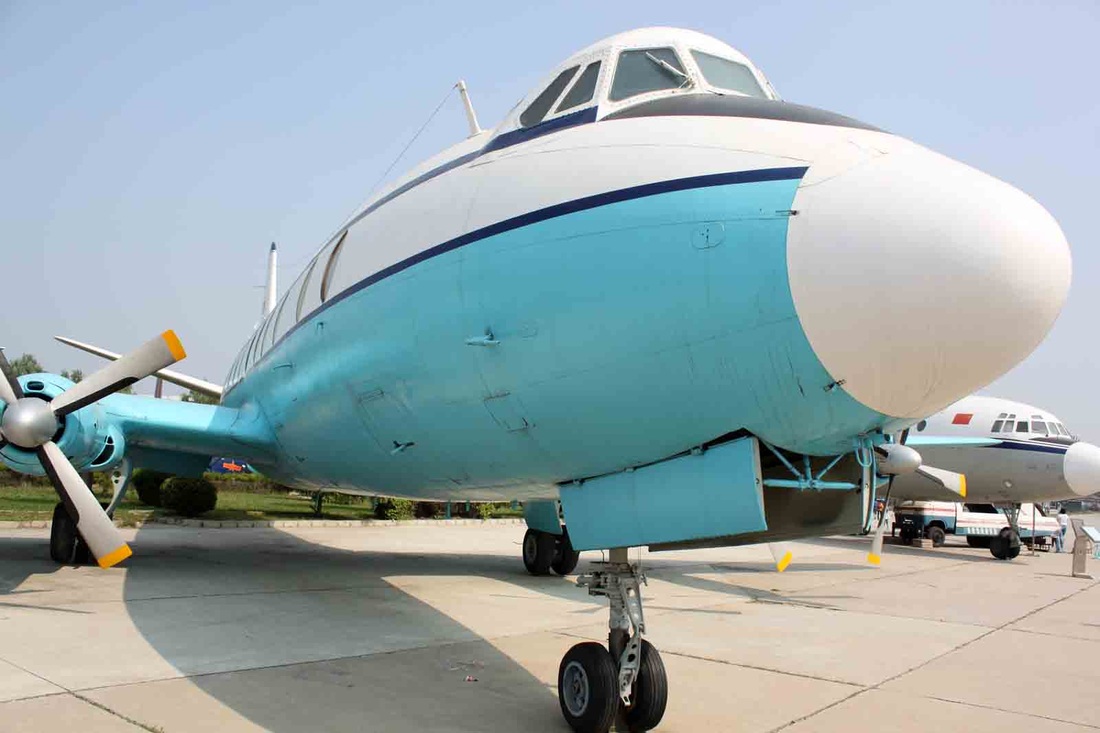 Vickers 843 - built in July 1948. This aircraft was piloted by Lan Dingshou and Zhang Jinghai when it was hijacked on July 30 1982 but landed safely in Nanjing: Photo Copyright Navjot Singh 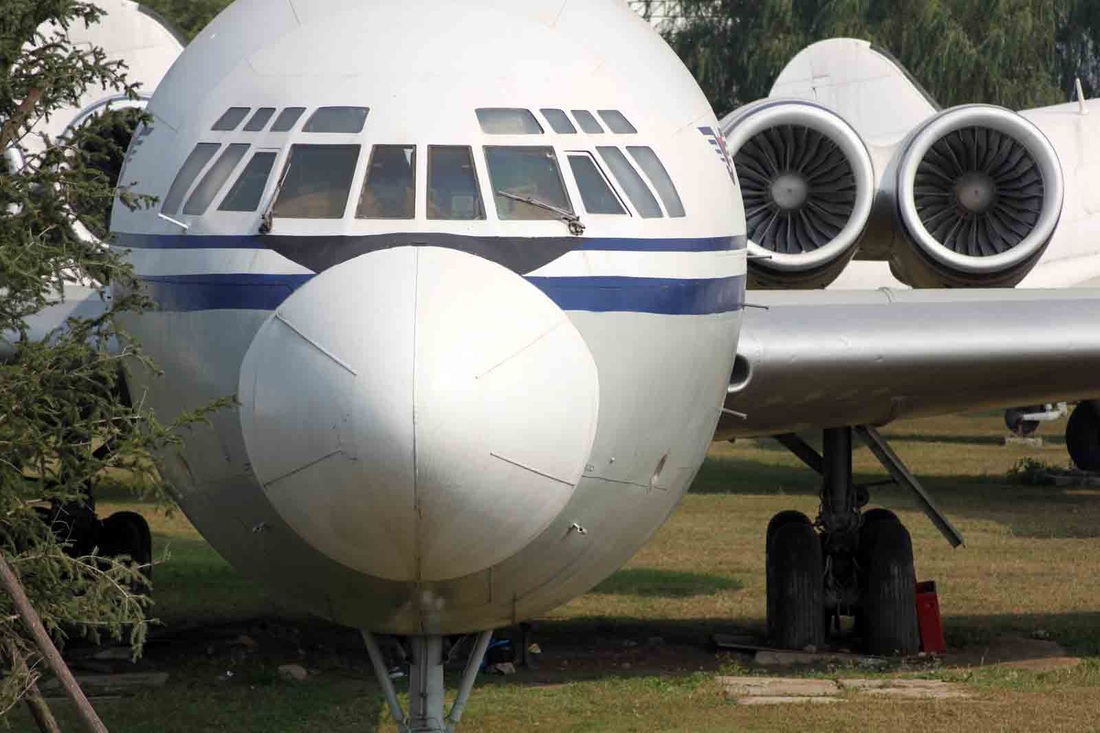 The unmistakable IL-62: Photo Copyright Navjot Singh 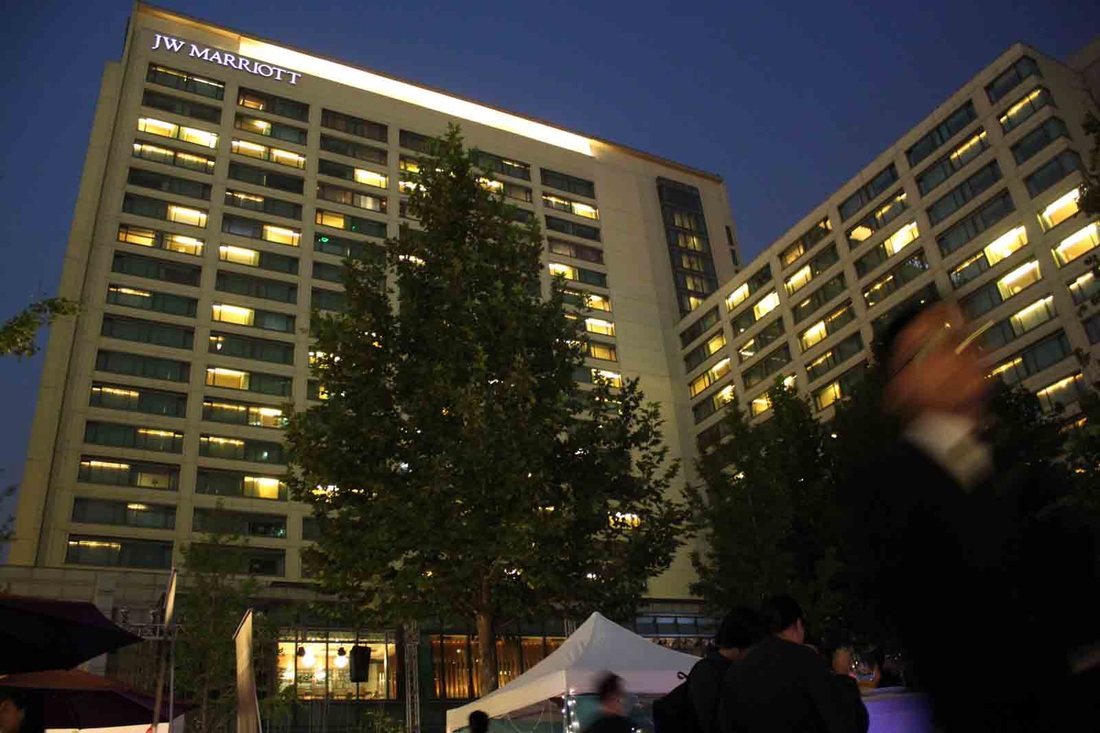 The JW Marriott Hotel Beijing is located right next to it’s more fashionable brother, The Ritz-Carlton, Beijing. Both properties are part of the same family of hotels and of the same owner; however, there are considerable open differences between the two. Located in the capital’s fashionable up-market Chaoyang District, the JW Marriott Hotel Beijing is part of the China Central Place, a impressive complex consisting of over 230,000 square meters of office and retail space. Getting to the international airport is not a problem either as it’s only a 40 minute taxi ride (pending Beijing’s notoriously horrible traffic jams) , or you may want to take the metro from Dawanglu station, which is just a stone throws away from the hotel’s lobby. It’s maybe not as flamboyant and luxurious as it’s neighbour, though the JW Marriott does excel in a class of it’s own. Take the lavishly decorated lobby for example which complete with a tea tasting section where guests can experience some true Chinese customs while they are waiting to check-in, or even if they are just whiling away the time. One of the key physical aspects that connect the two properties together are their MICE facilities (Meetings, Incentives, Conventions, and Exhibitions) with over 1,240 square meters of Grand Ballroom space which can be connected to halls of The Ritz-Carlton Beijing next door. The 588 well-appointed guestrooms and suites form part of a refined oasis that offers adequate customer service in a family-friendly atmosphere. The JW Marriott Hotel Beijing tends to cater more for families rather than captains of industry, so therefore, I believe, this is one of the reasons why it is not so expensive. Guests at the JW Mariott Beijing who stay any one of the seven executive floors can enjoy the various facilities of the Club Lounge, which is open until midnight everyday – provided you manage to get a seat as it can get busier than the hotel’s restaurants sometimes. While the views from across the windows of these cosy rooms may not be as beautiful as you would assume- do you really want to stare that at that factory chimney? – it’s the décor inside that makes you feel welcomed. The rooms are themselves are something to marvel at. Just some of the highlights include but not limited to: exquisite marble bathrooms with separate tub and rain shower, 42-inch flat screen televisions, bedside BOSE stereo system, designer bathroom amenities by Aromatherapy Associates, designer mouthwash by ‘Whisper’, iPod connectors, flat screen television in bathroom, twice-daily maid service, and Nespresso coffee machine. The best part of the rooms are the beds. Thick, ergonomic mattresses neatly cast to your body, lined with a plush 7cm, natural dove feather mattress topper with pillows that you can comfortably hide yourself at night like a baby inside a womb. A few jewels to marvel at lurk around too. Occupying over 250 square meters, the spectacular health club, 24-hour gym, spa with 9 treatment rooms, and the breathtaking heated swimming pool provide a sense of tranquillity even on the nosiest of nights in the city. During our stay, there was a lavish (and understandably loud) wedding party outside the lobby area, while inside the spa and swimming pool people were treating themselves to treatments as if they are on a paradise beach. The contrasts were enough to prove how well the management organised and had everything laid out nicely. The hotel’s three restaurants, Asia Bistro, Nobu Japanese restaurant, and CRU Steakhouse provide many opportunities to explore the various gastronomic pleasures on offer. The former offers a festival of open kitchens offering a variety of dishes from around the world including Indian, Japanese, Malaysian and local Chinese dishes. While the CRU offers one of the best oysters and steaks in town. The hotel’s restaurants are designed in such a way that once you complete your meal, the path leads directly to either the ultra chic Loong Bar, or you can sit and do people watching at the equally smart Lobby Lounge and count the number of Louis Vuitton bags you see going past. 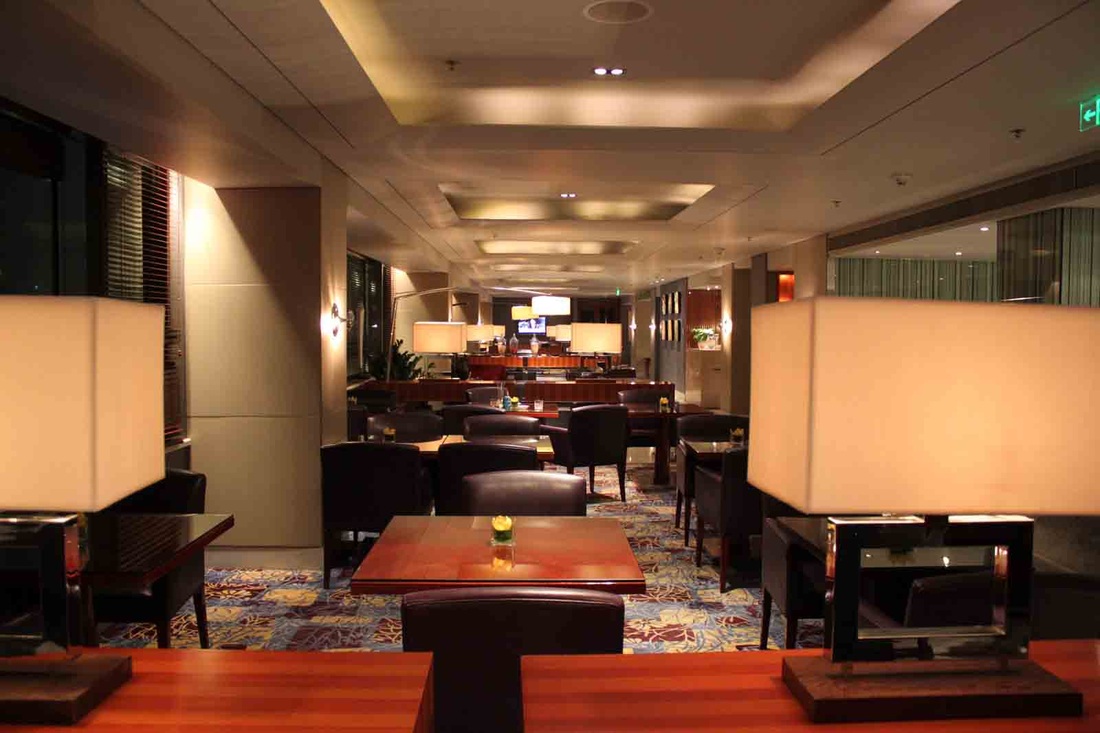 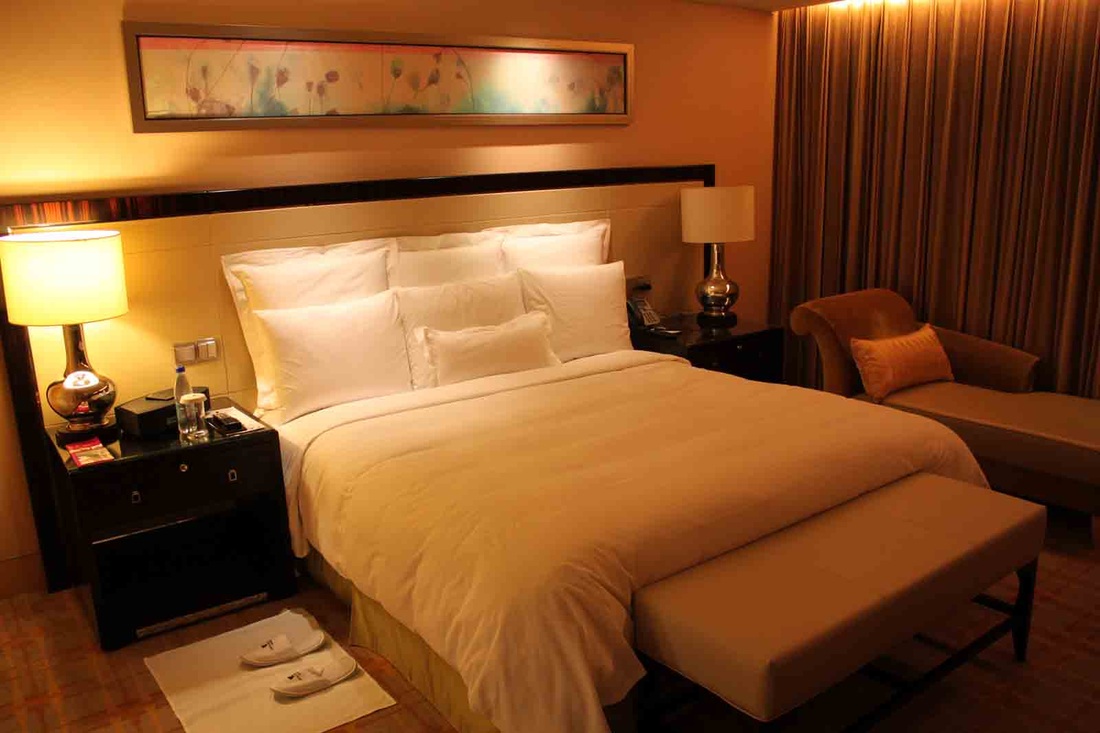 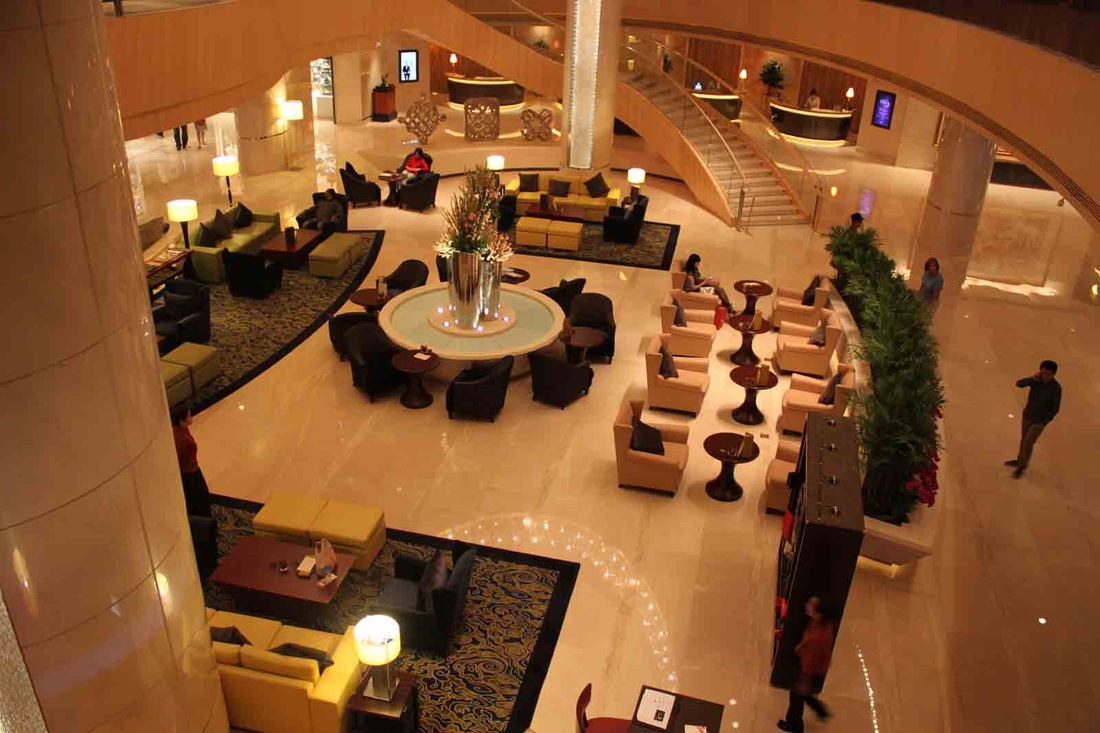 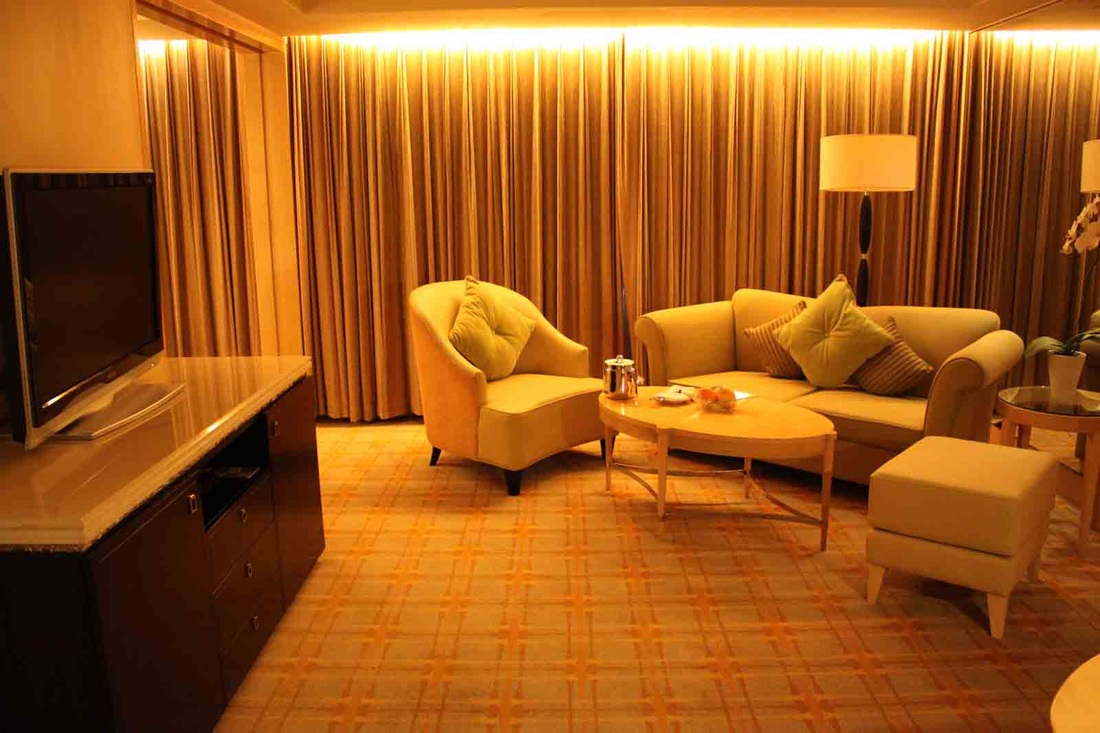 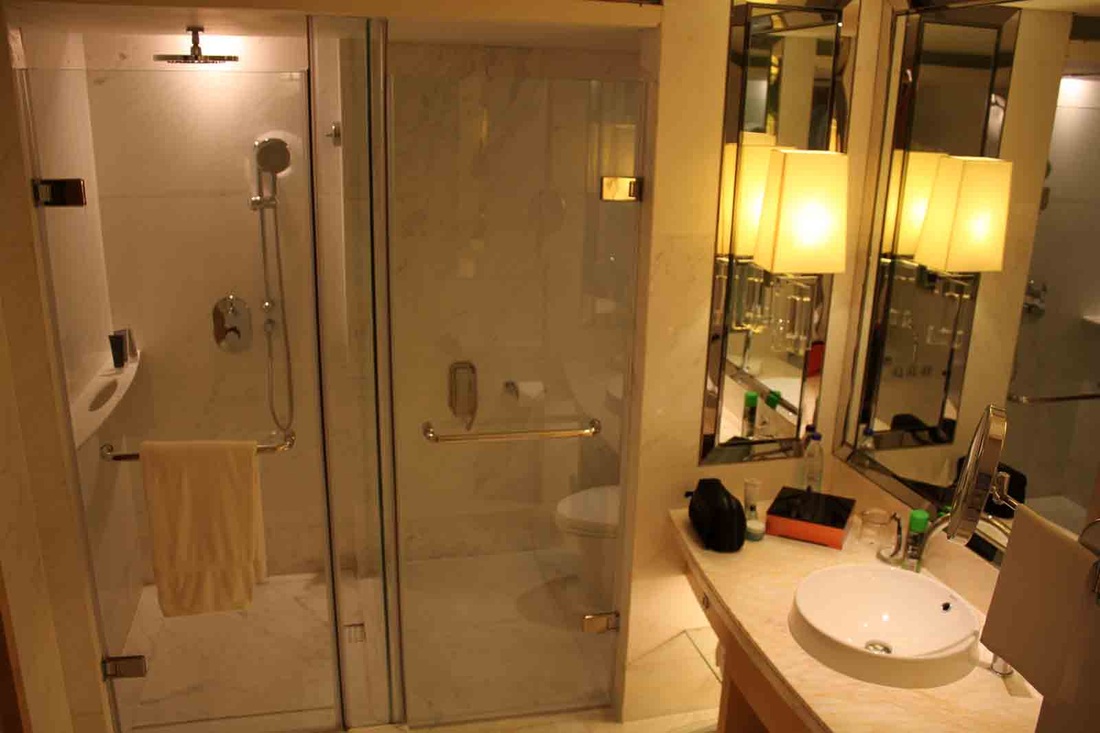 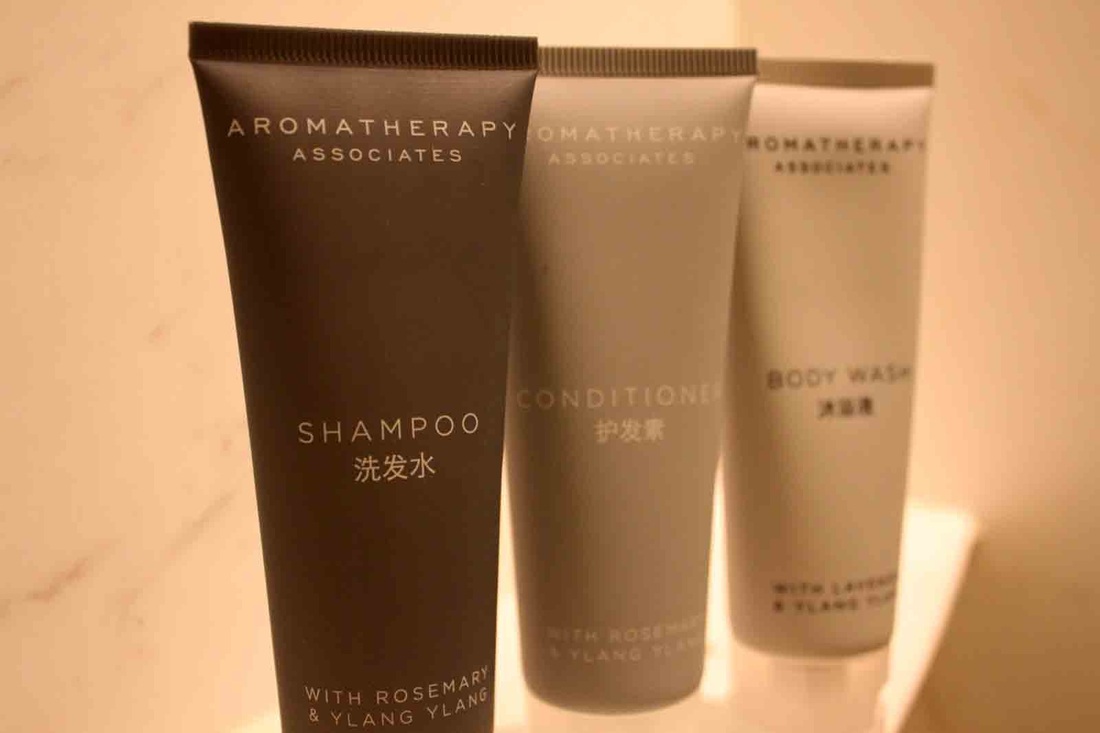 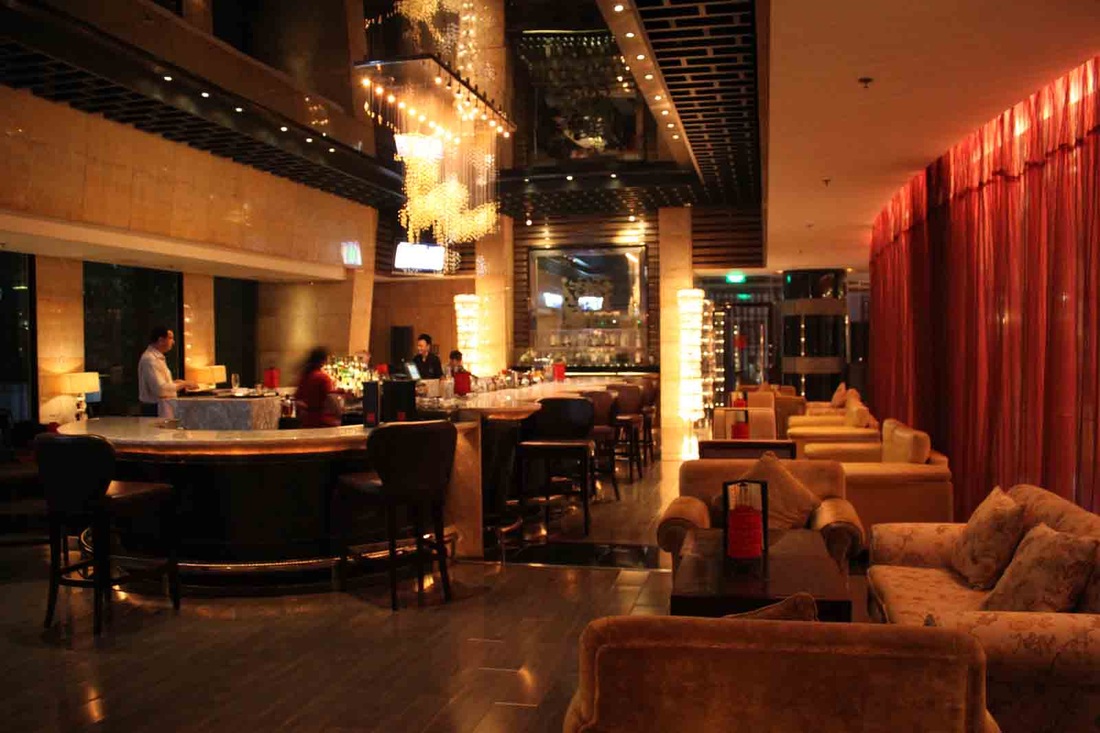     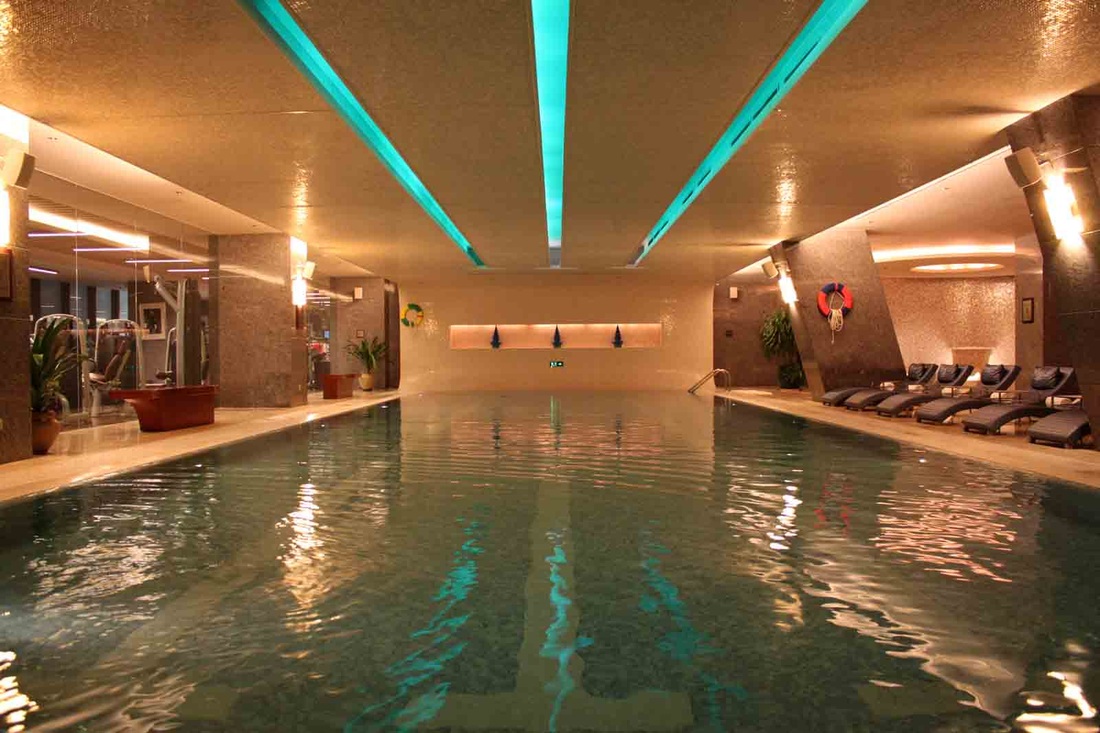 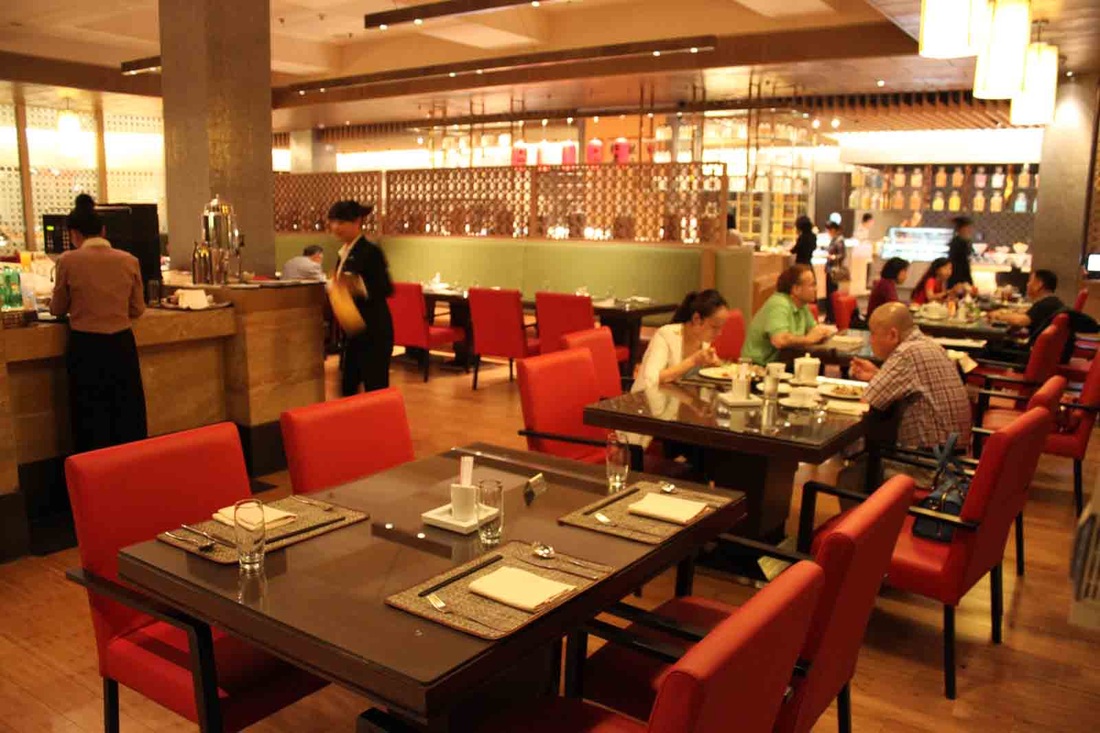    CRU Steakhouse - a review While some of Beijing’s steakhouses might put on airs and graces, CRU at the JW Marriott Beijing has that scruffy, laid-back charm that it wouldn't be in a 5-star hotel had the food not been as good as I had experienced. Tentative and polite staff are always at hand to make sure that the few customers that are present at the otherwise quiet restaurant are provided the best possible service that they can. The main events to savour at this 144-seat restaurant are beef, which hails from either Australia or Qingdao, and oysters, which hail from the fresh waters of France. The whole fusion of this Euro-American crackles on the elaborately large charcoal grill. Its best to go easy on the starters; a handful of freshly imported ‘gillardeau French no 2 oysters (marennes oleron)’ and the ‘CRU crab cake (blue swimmer crab with caper berries & remoulade sauce), was a mere distraction from the steak which was to follow suit. The oysters at the CRU steakhouse were really fresh, almost as if the chef had just brought them from the beach. The taste, smell, and the texture of the oyster meat was the key to success here. Slightly salty in taste but that’s a very good thing because it means it is rich in omega-3, EPA, and DHA- the natural ingredients inside the fish oil. If you eat food like this everyday, not only you’ll be healthier, but there would be no need to purchase fish oil supplements and what have you in the market these days. The high-end service was brilliant, meanwhile, most notably from the restaurant manager, Murphy Cui, who himself is also a sommelier managed the rare double of being infectiously passionate (small wonder: the wine list is superb) without being snobbish or interfering. For the oysters, Mr. Cui recommended the finest ‘Matua Valley, Hawke’s Bay Sauvignon Blanc 2011’, and for the steak the experienced sommelier recommended a fine glass of ‘beringer Califoirnia’. The fruity luscious taste of the white wine goes well with the fresh oysters. It’s a very healthy approach to life as they say in the French coast and in the Mediterranean. The steak ribeye was soft and juicy on the inside and slightly charged on the outside, and truly rich in flavour. The side parts that accompanied it were shallots, cherry tomatoes, butter bean and a side order of rocket salad. Steak fans may not be too pleased with the lack of presentation paid to the plate when the steak was presented – compared to some of the best steak I have had, the side dishes are equally important as the steak itself. Having 2 or 3 shallots and a few butter beans is not suffice for someone who wants pure quality, as well as quantity. The dessert dish in the end was a winner. A garnish of three desserts- tiramisu, walnut & vanilla ice-cream, and a mango & strawberry sorbet to die for. If you love a good steak, and oysters – like I do- then go and try a nice meal at the CRU Steakhouse. It’s probably one of Beijing’s finest.  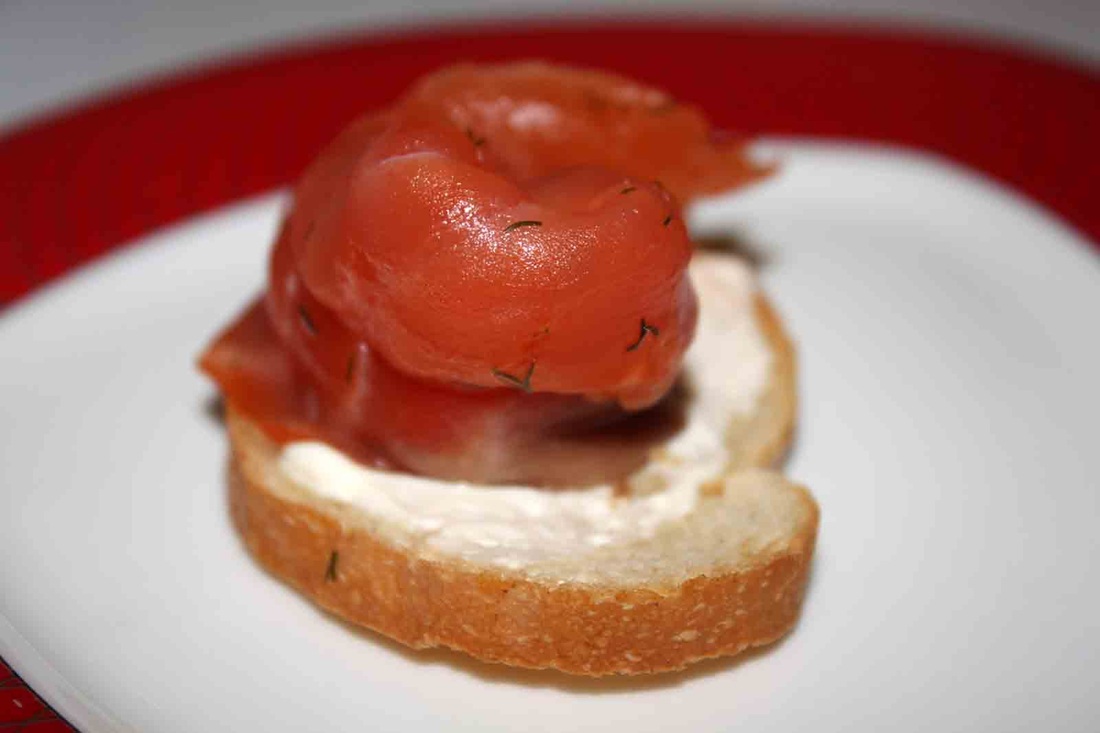 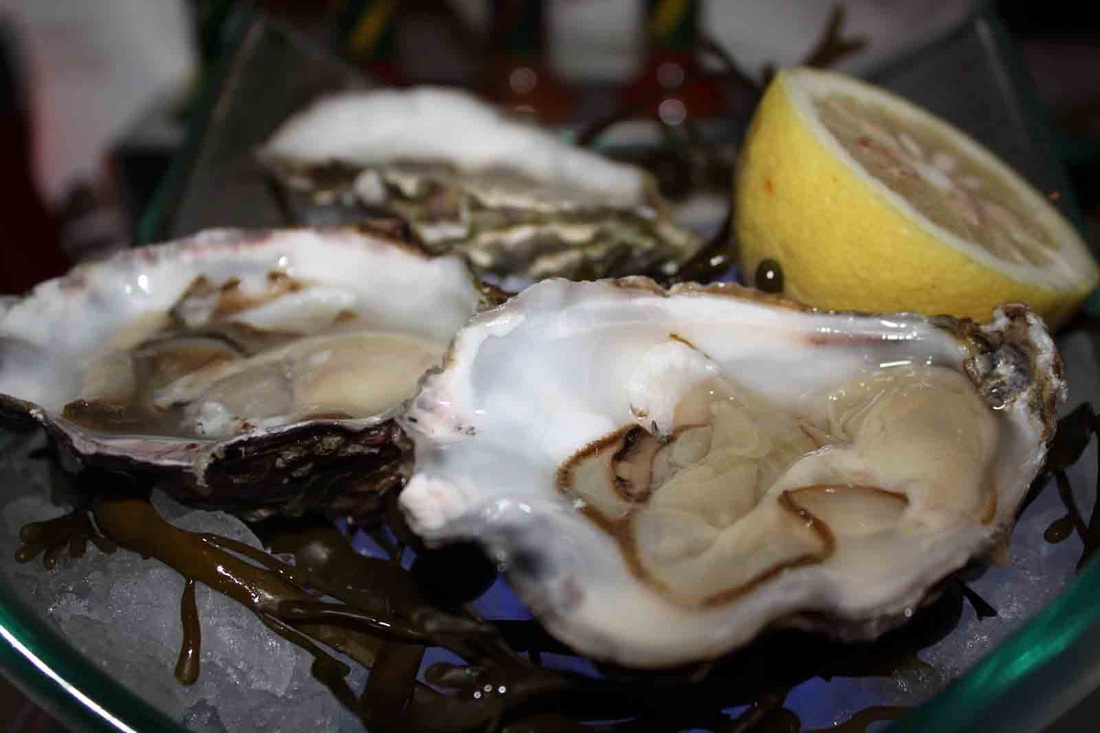 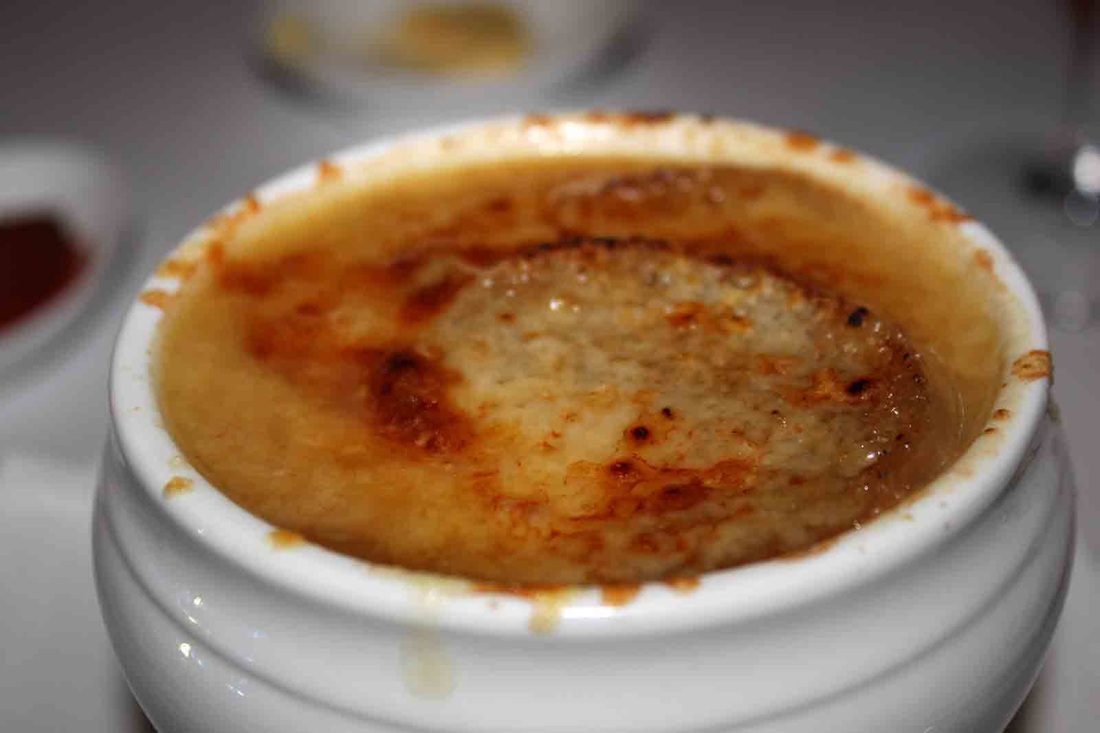 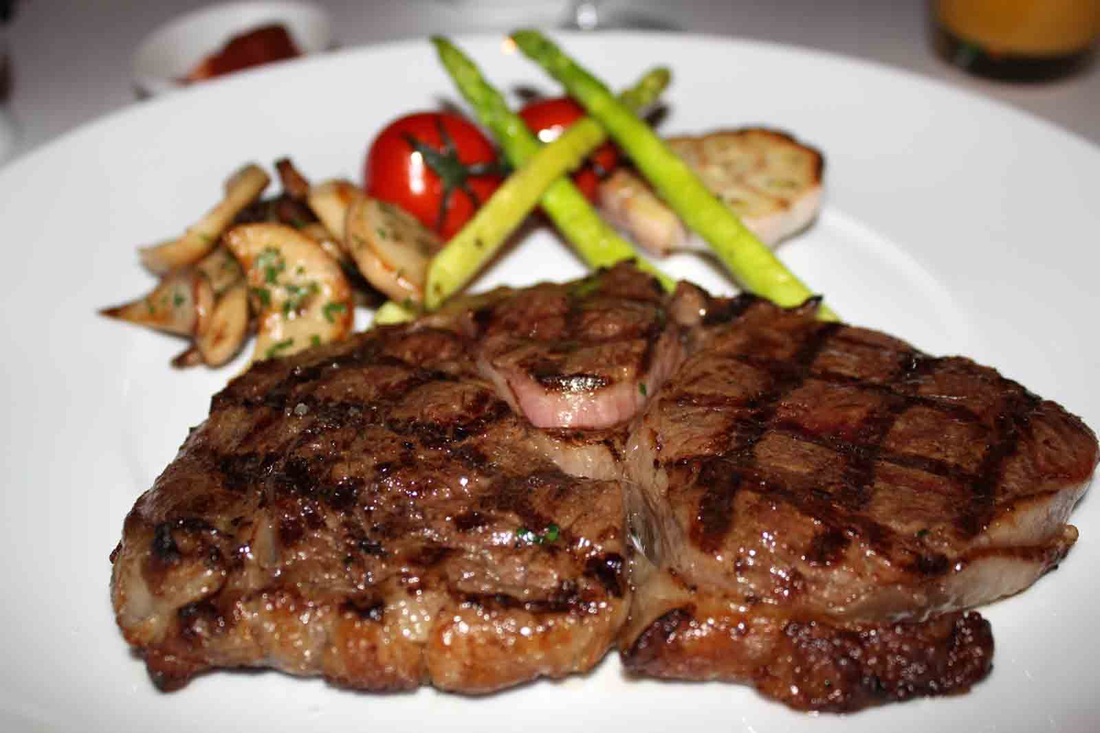 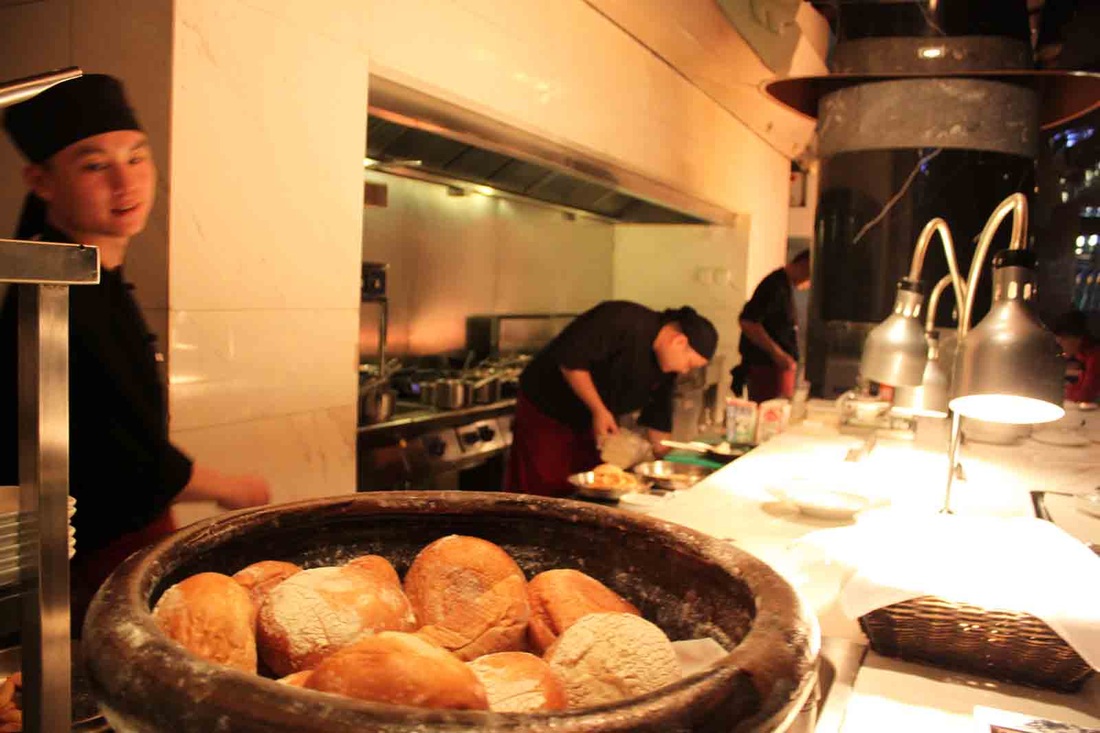 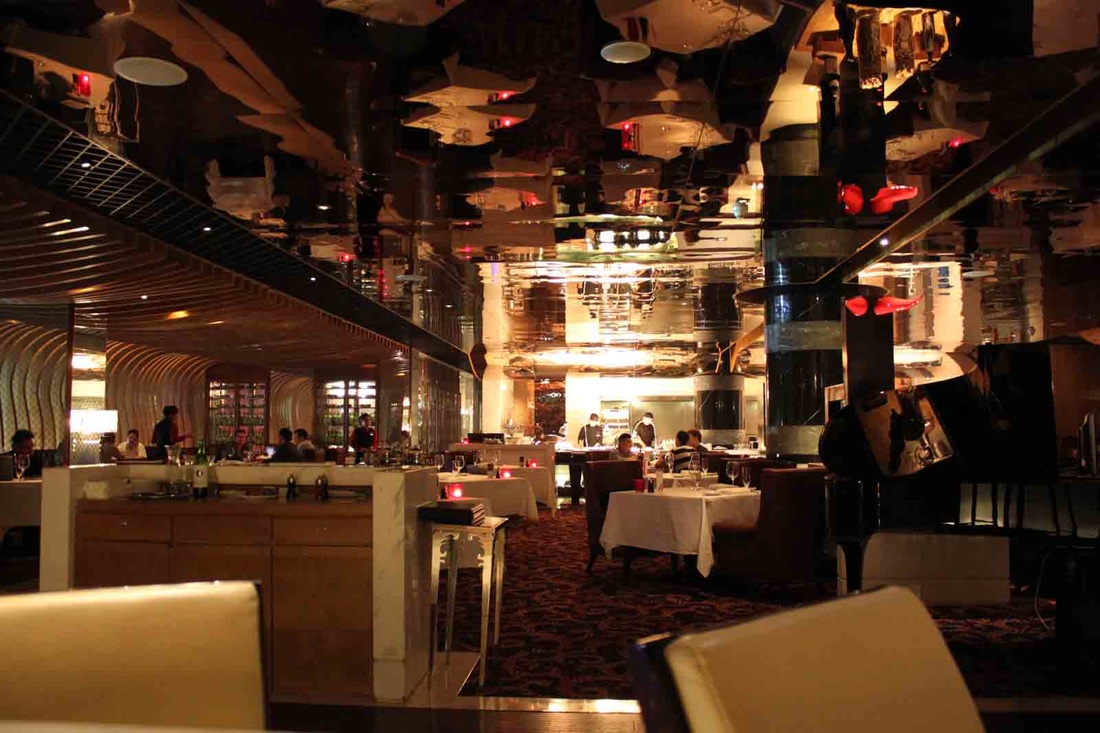  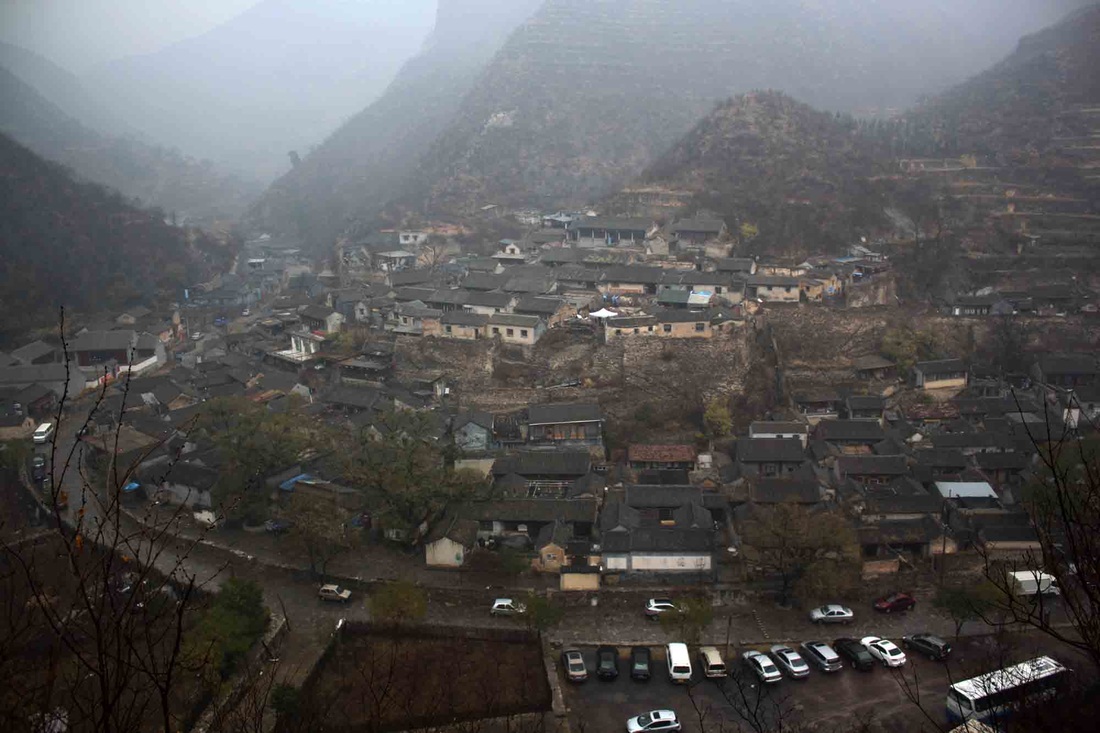 A view of Cuandixia: Photo Copyright Navjot Singh 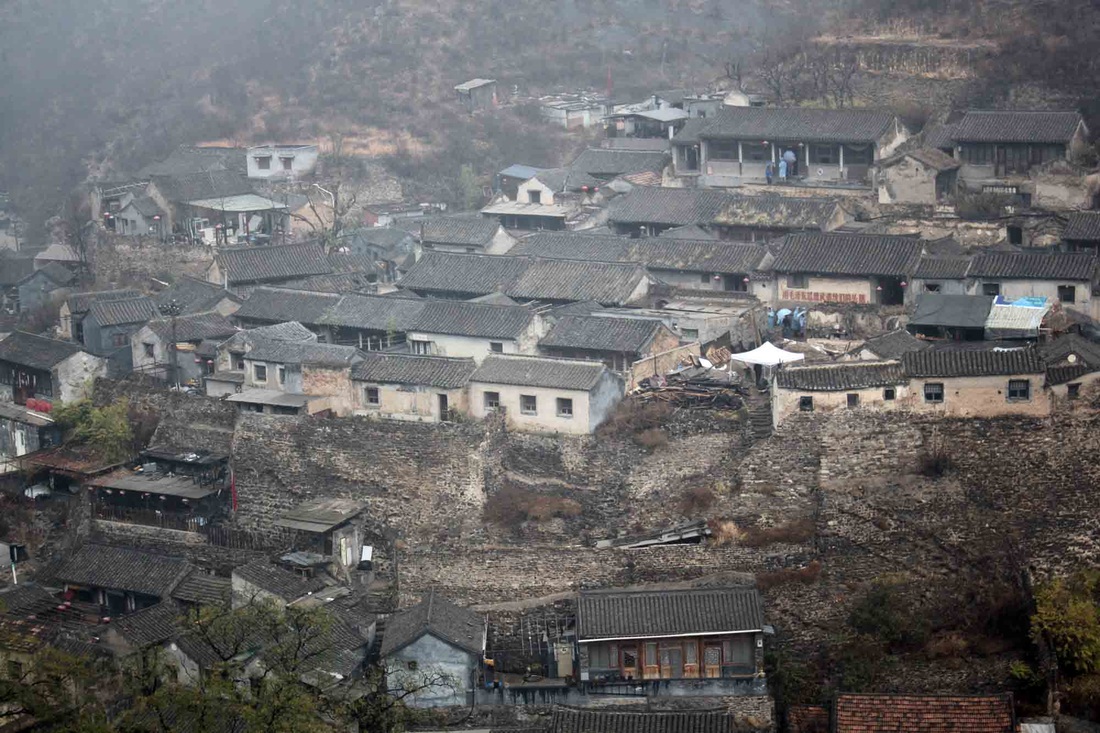 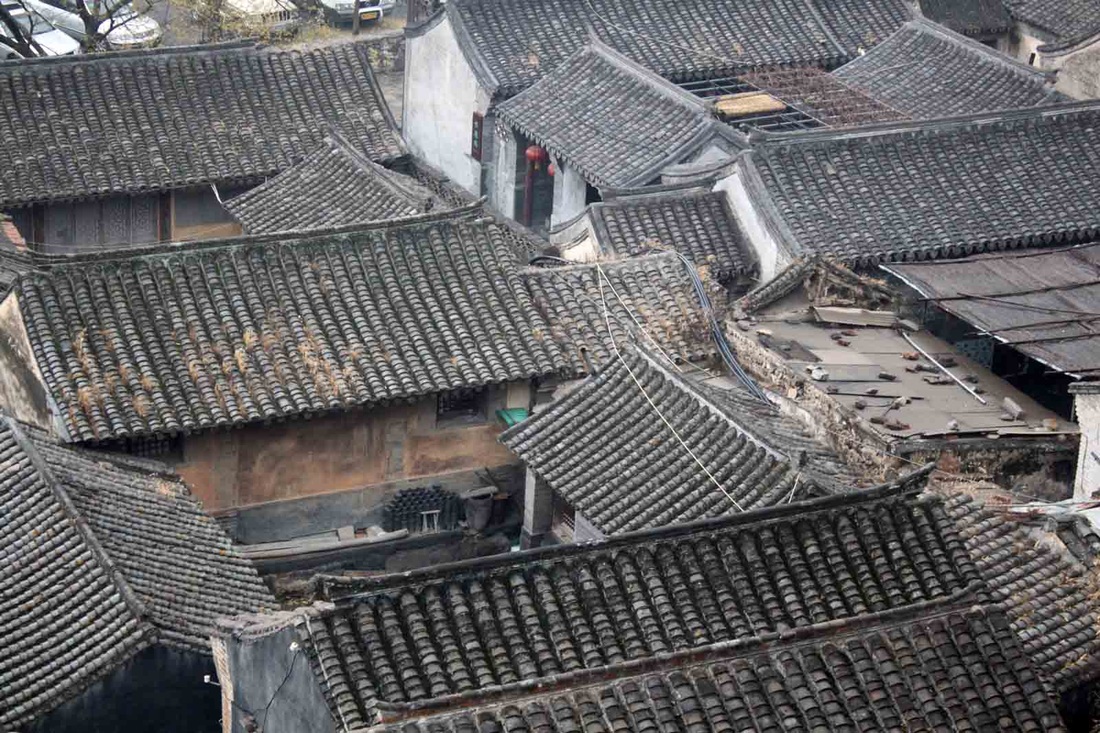 A view of Cuandixia: Photo Copyright Navjot Singh In all my years that I have been visiting Beijing, I never had the time to go and visit the relatively unknown and beautiful Cuandixia Village, located around 60 kilometres on the outskirts of the city. That time finally came last weekend when I had a day to while away my time. I vowed to myself that I would get up early and go to see this gorgeous village. Not even the windy weather would have stopped me going there. With a rich history going back to the Ming and Qing dynasties, Cuandixia is a small village of old stone cottages well placed on the curve of the great ‘Western Road’ that led from Beijing to the great mountains of Shannxi Province (and onto Xi’an etc.). Since 2009, the village has been turned into a tourist attraction. You pay RMB 35 to enter the village, and almost every house either is a little shop selling souvenirs, or will put visitors up overnight or serve meals. The village is very pleasant to visit, and though the people who live there go about their daily lives they are very welcoming and open to host tourists for overnight stays or meals. It’s not artificial as is the case with the vast amount of historic attractions in China. It’s a real village with lots of rich history and culture (and you may even get to hear many myths and stories from the locals if you can converse in Mandarin), but one which the local government decided to turn into a business so that everyone can enjoy its benefits. Thankfully, there is none of the background Chinese music that you normally hear in most Chinese tourist attractions; and there are no touts that you normally see either. And most importantly, Cuandixia is thankfully not a beehive for tourists (yet), and so there is none of the artificial ambiance that we sadly see in places like Yangshuo (which has sadly lost its sense of the real Chinese culture I am sorry to say- do you really want to see a Starbucks, KFC, MacDonald’s in a national heritage tourist site?!). I spent around three hours wandering around the narrow passageways and looking at the cottages, and ended up having lunch by myself in one of the homes. The chicken and other meat are cooked fresh. So if you order a chicken then most probably the chicken has been killed and cooked in front of you. It may not a beautiful sight, but its fresh and healthy. Many of the homes (including the one where I had lunch) are constructed as four tiny buildings around a central courtyard. It’s best advised that you take a good pair of sturdy shoes to walk up and down the hilly lanes. In fact, if you want to get a panoramic view of the whole village then its best to go up the hill on the opposite side. The journey takes around half an hour to the peak, and depending on the weather the view can be magical. The whole area surrounding Cuandixia is known as the ‘Cuanbai Scenic Area’. It’s situated in Zhaitang Town, in the Mentougou District, covering an area of 46.6 square kilometers. Apart from Cuandixia Village, there is the Double Stone Village, the Boyu Village and the Huanglingxi Village. Cuandixia comes across as the most atrarctive to the eye. As mentioned that the village lies on the great ‘Western Road’. During the Ming and Qing dynasties, the "Western Road" from Beijing led through the mountain ranges and connected to far-off Shanxi. Along this road were small villages that catered for tired travellers, and this included Cuandixia as well. In those days the villages would act as ‘bed & breakfast’ pit stop stations. The Cuanbai Scenic Area is also a fascinating place to visit for anyone specializing in history, culture, architecture, or sociology. There is so much to absorb, more than just your average mud hut. These days the highways have replaced the ancient dusty roads, yet the people are living in a similar fashion (albeit with some modern creature comforts such as good working infrastructure of water, sanitation, gas, and electricity). The people living in the village do have televisions, radios, hot water, and heating systems to protect against the harsh northern winters. However the facilities are, of course, not glamorous as one may find in the cities. What used to take a day on a horseback ride from Beijing to Cuandixia, now takes around 3 hours by car. If there is any hint of what life must have been like in ancient Beijing, then this route to Cuandixia would be the perfect answer for you. Arriving at the village still gives some sense of the same kind of feeling that might have provided the ancient travellers, as a mountain curve is drawn back suddenly by a neat curve of the road and the village appears on the right hand side, wedged securely against one side of the valley. There is no hustle & bustle of touts running towards you as you arrive, and it’s all very tranquil and calm. It’s just the perfect way to start a small holiday if you want to get away from the noise of the city. The majority of the artwork that remains in the village dates back to the Qing Dynasty (1644-1911); while the importance of the science of Fengshui was adapted from the Ming Dynasty (1368-1644) era. Getting there Cuandixia can be reached by car on a weekday in approximately two hours, depending on the traffic. The best way to get to Cuandixia is to take a metro to Pingguoyuan Station (last stop at line 1), and then hire a cab. The cost should be RMB 300 for a round trip. The driver will take you there, wait for you there, and then bring you back. I spent around 3 hours at the village, and the trip cost almost the whole day. I happened to come here on a very cold, and wet day (it was raining cats and dogs). But I had to make the most of it. The people are nice here. If you are nice enough then they may even lend you an umbrella. From Pingguoyuan Station you can take bus number 929 if you wish. However, despite it costing much less than a taxi the bus will be a hassle for you. This is especially true if you have kids or if you are a photographer and want to stop to take photos on the way (which you can only do if you hire your own car). The bus makes frequent stops, will take a long time, and its just not a comfortable ride. Where to stay It’s best to book an overnight stay in one of the many courtyards that have rooms available for rent. Accommodations are basic but generally clean. The prices per person per night range from RMB 60 to RMB 80 depending on the family who is renting the room. 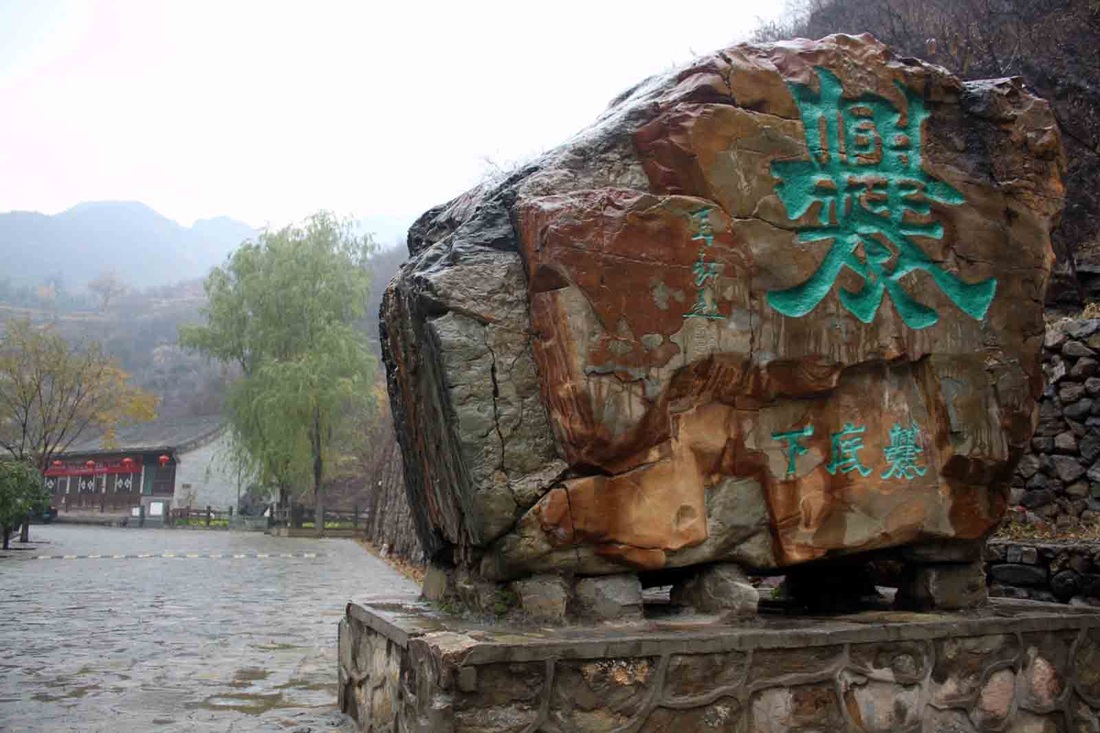 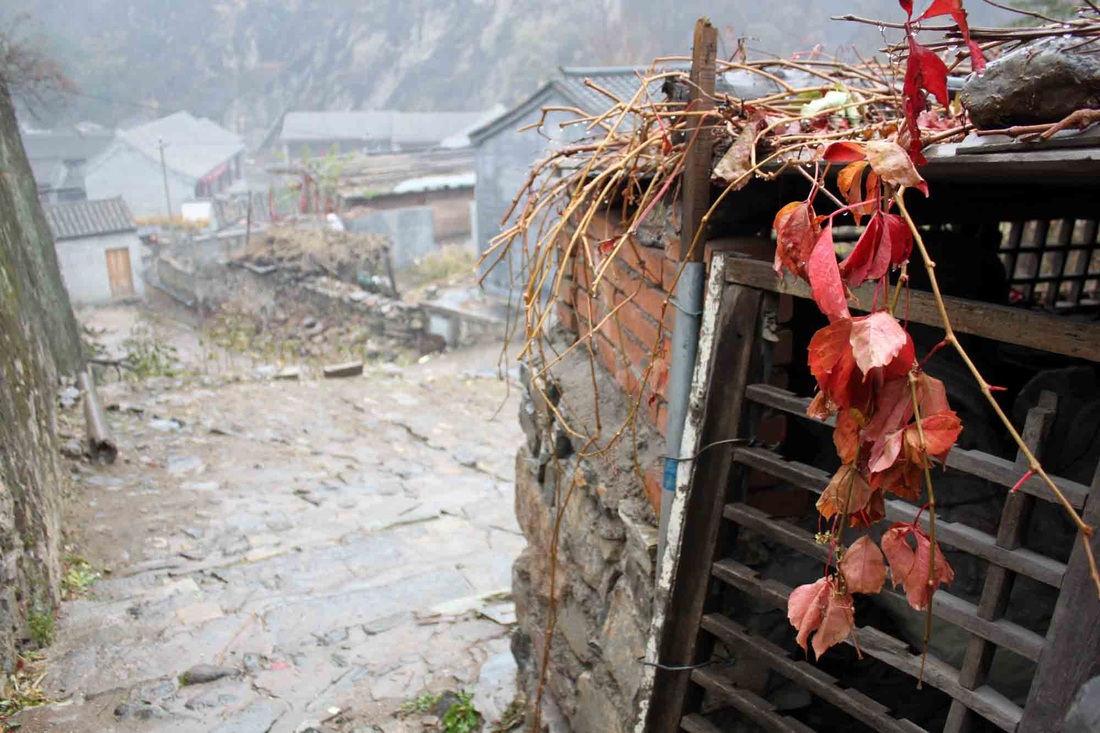 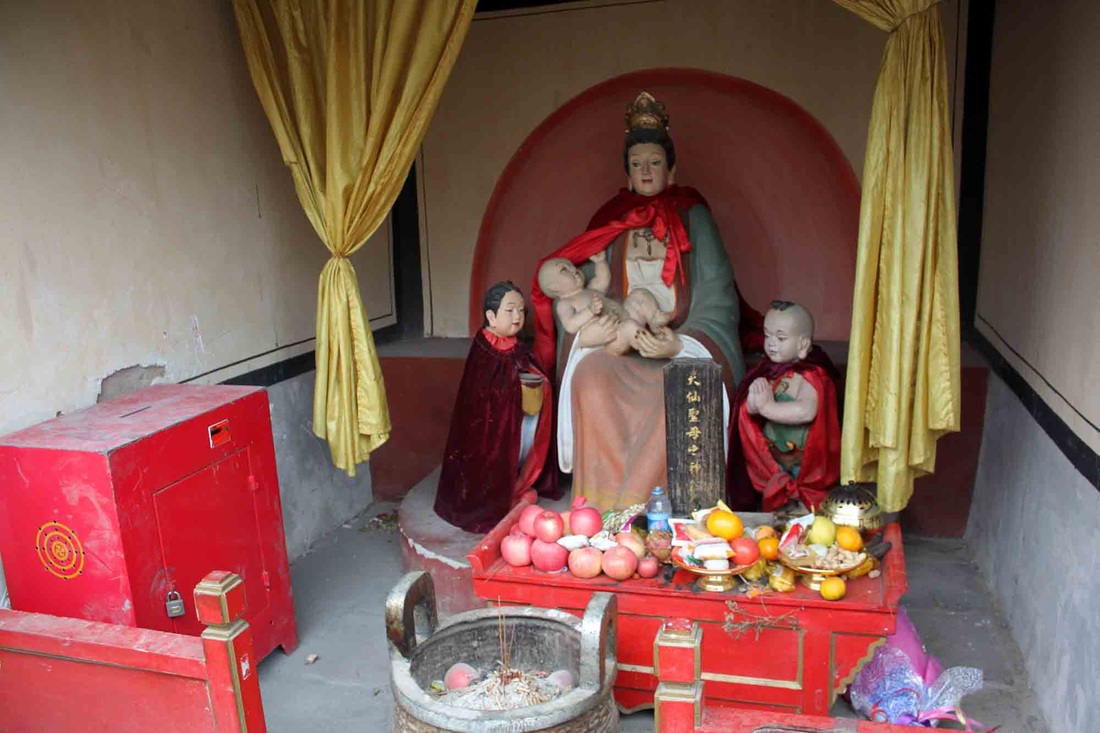   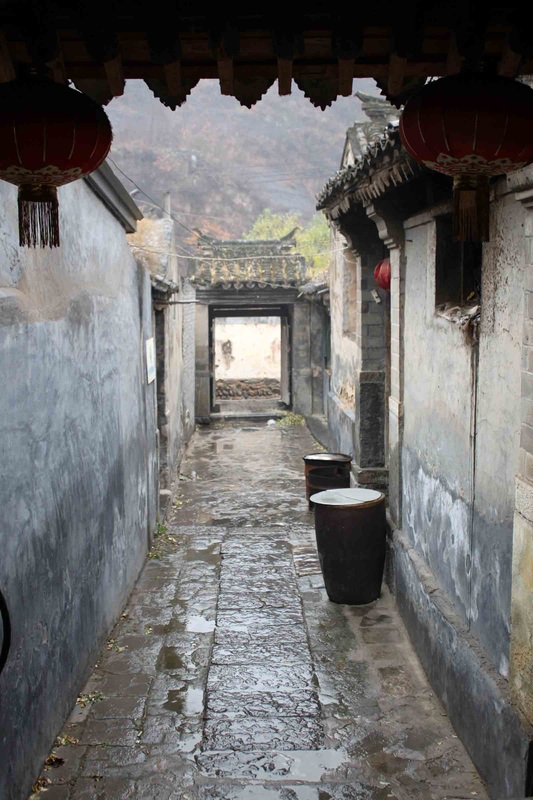    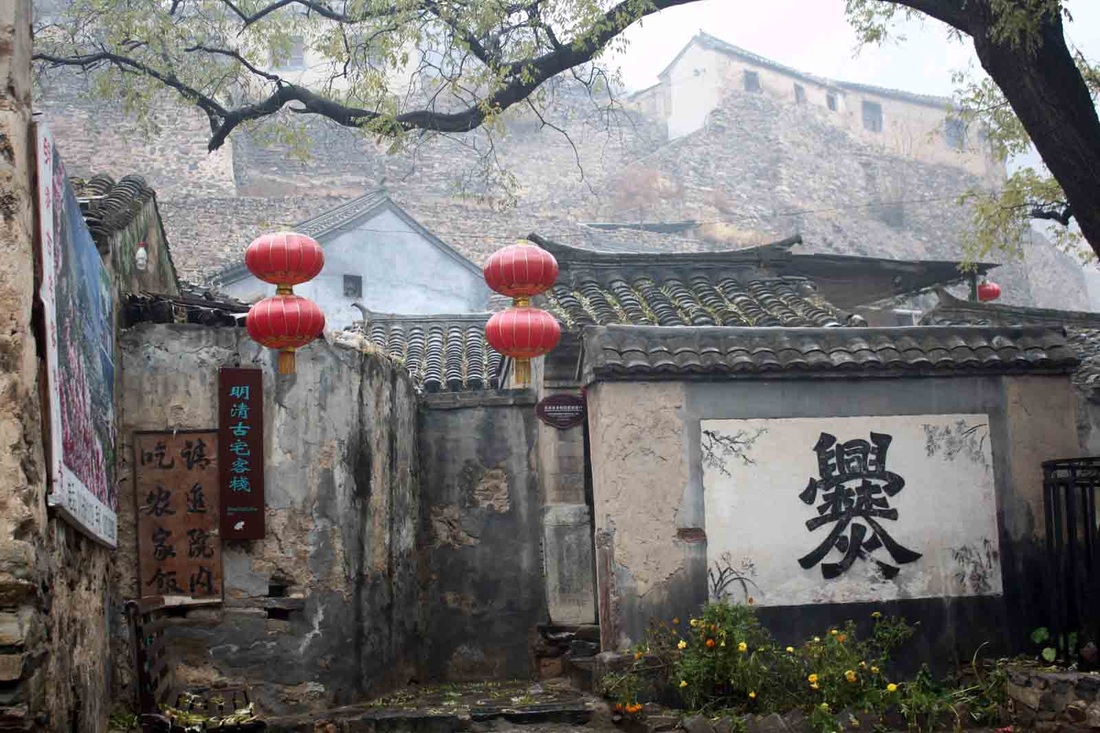 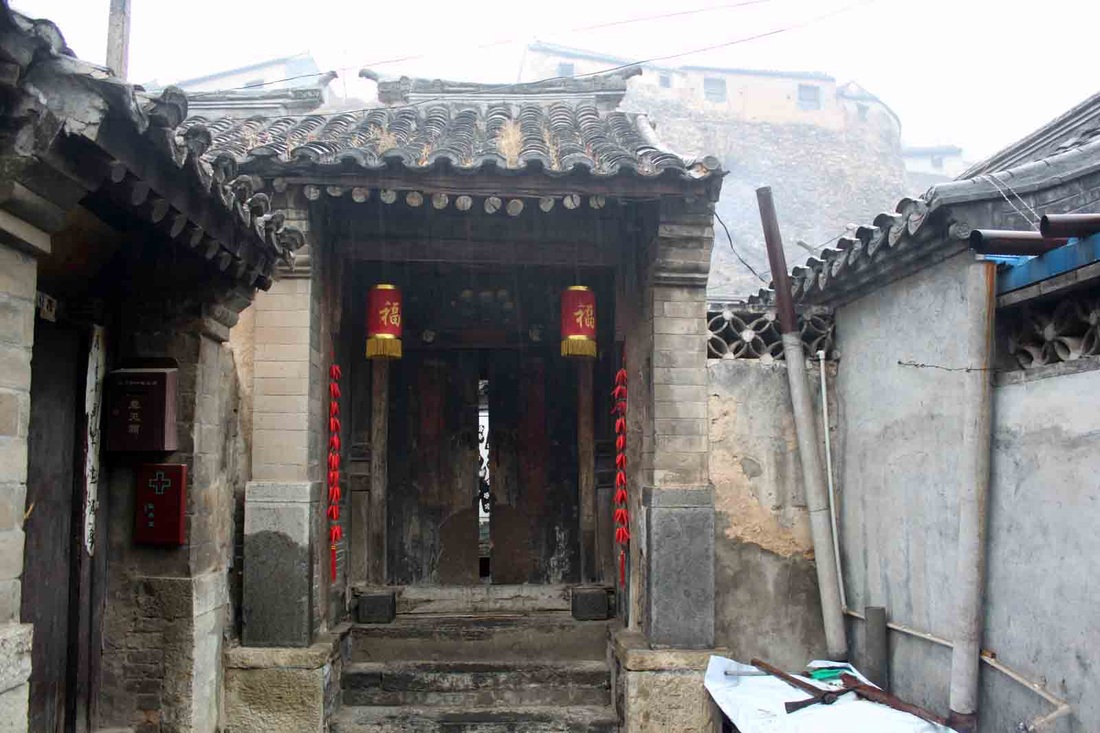  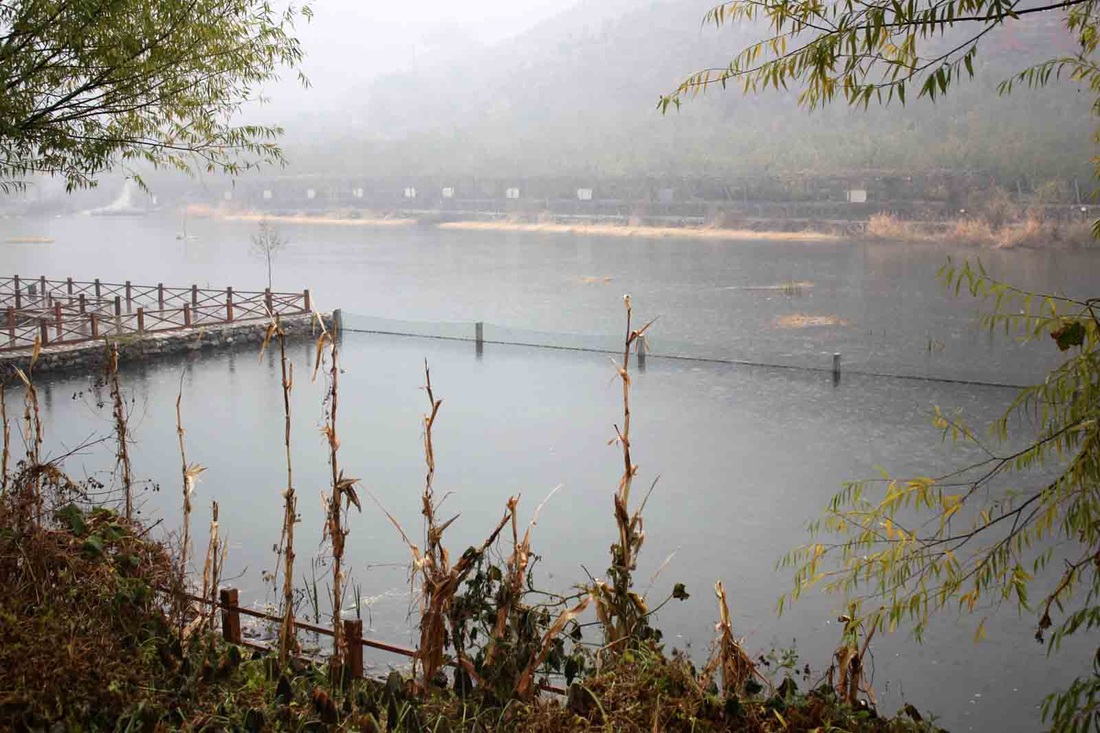  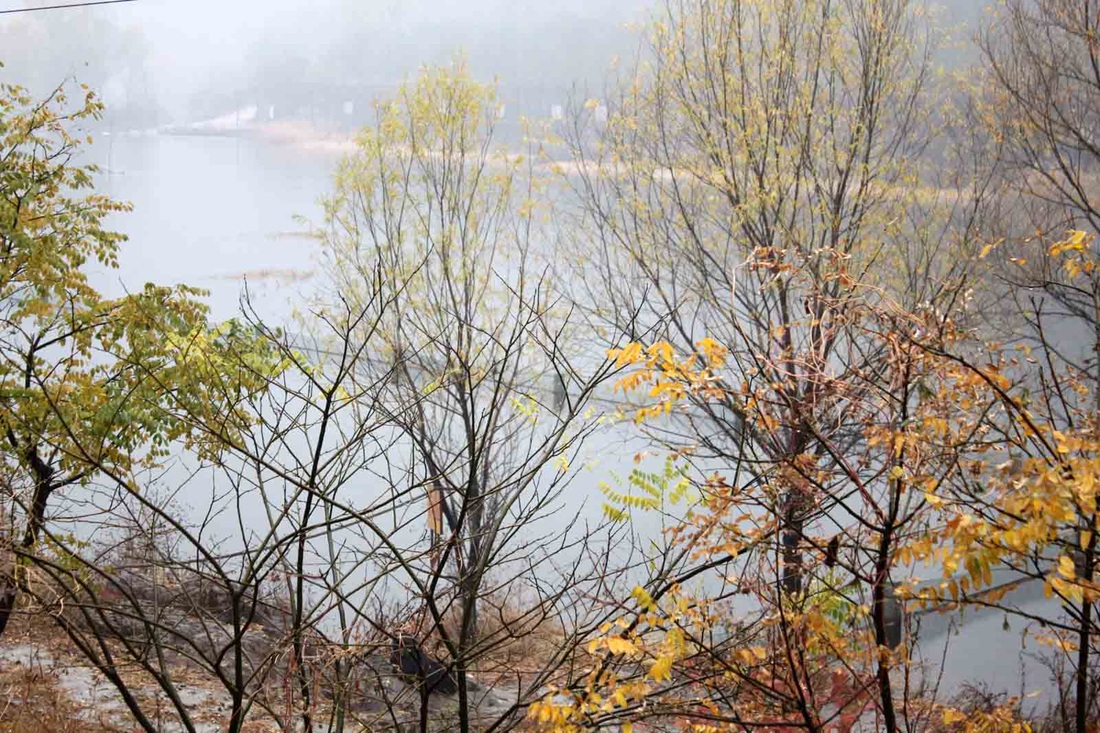 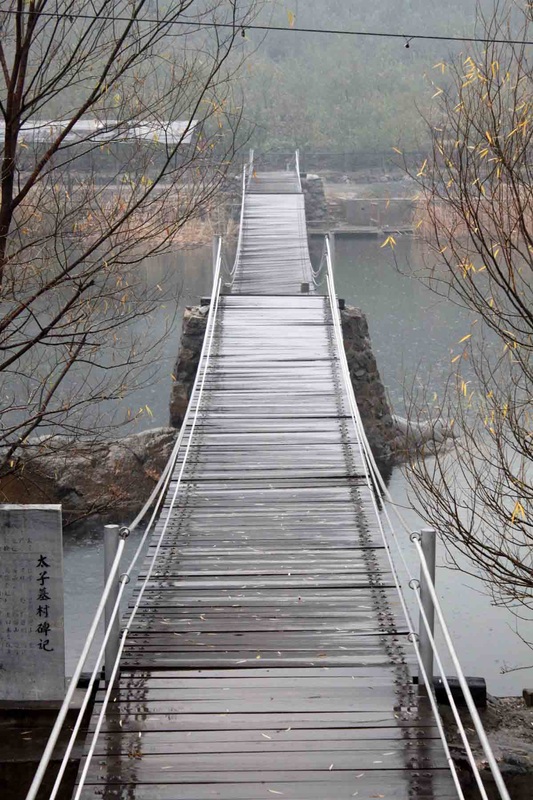 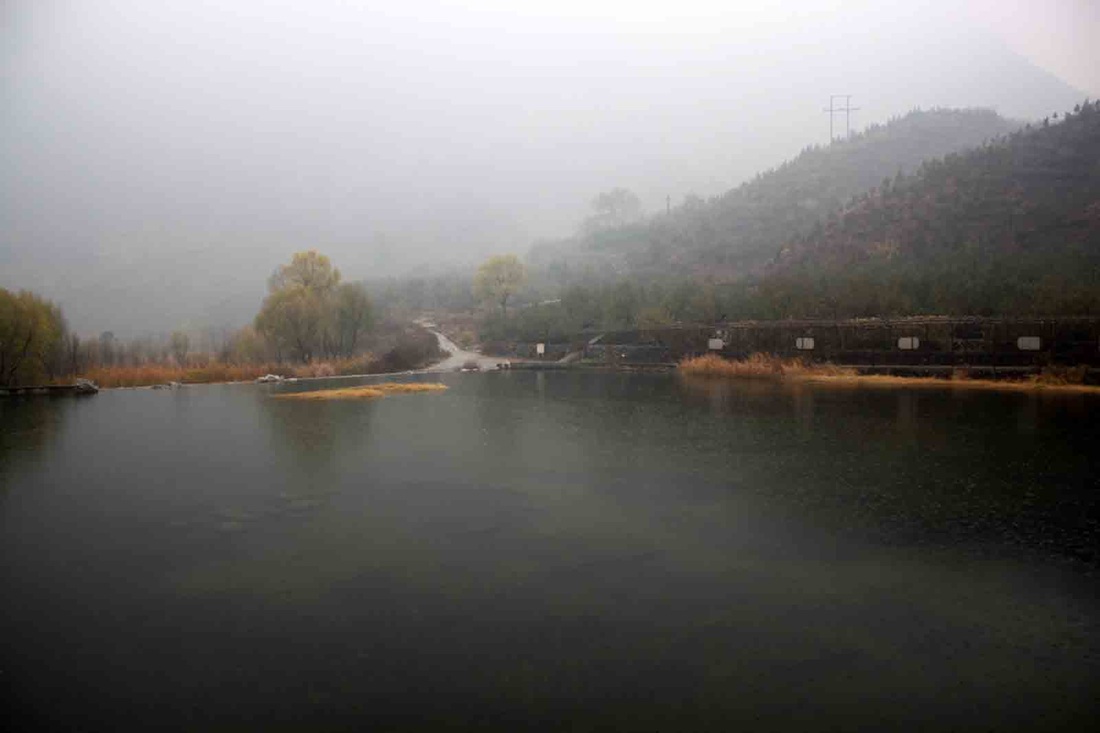  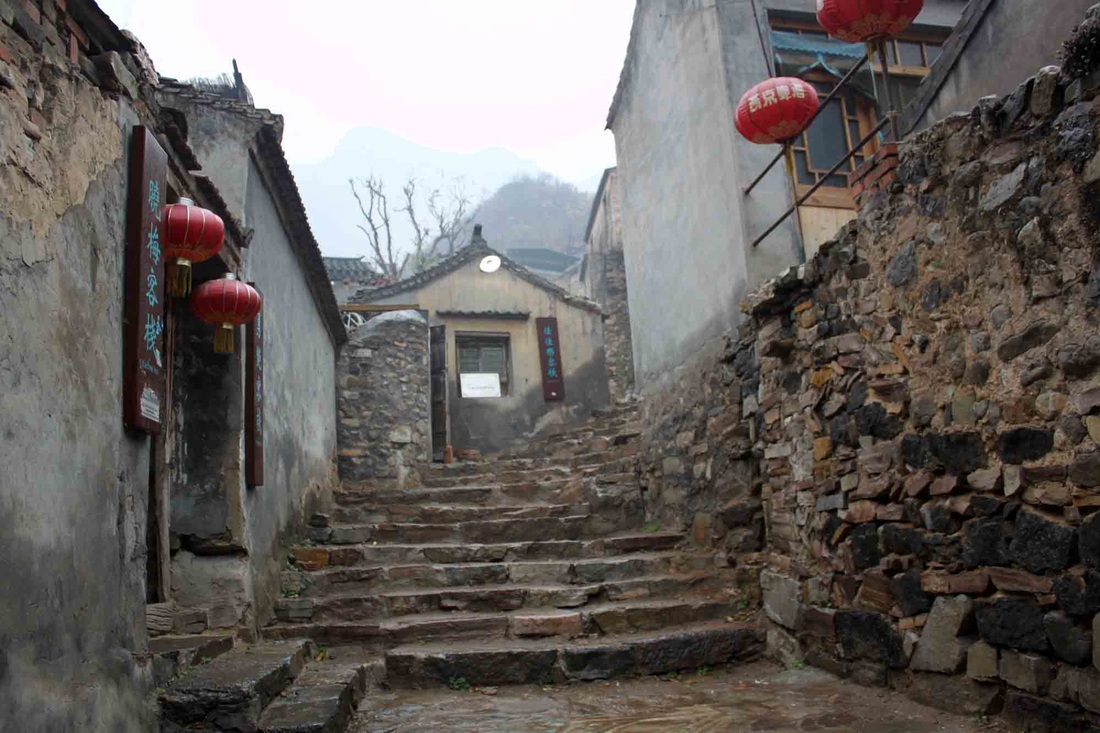 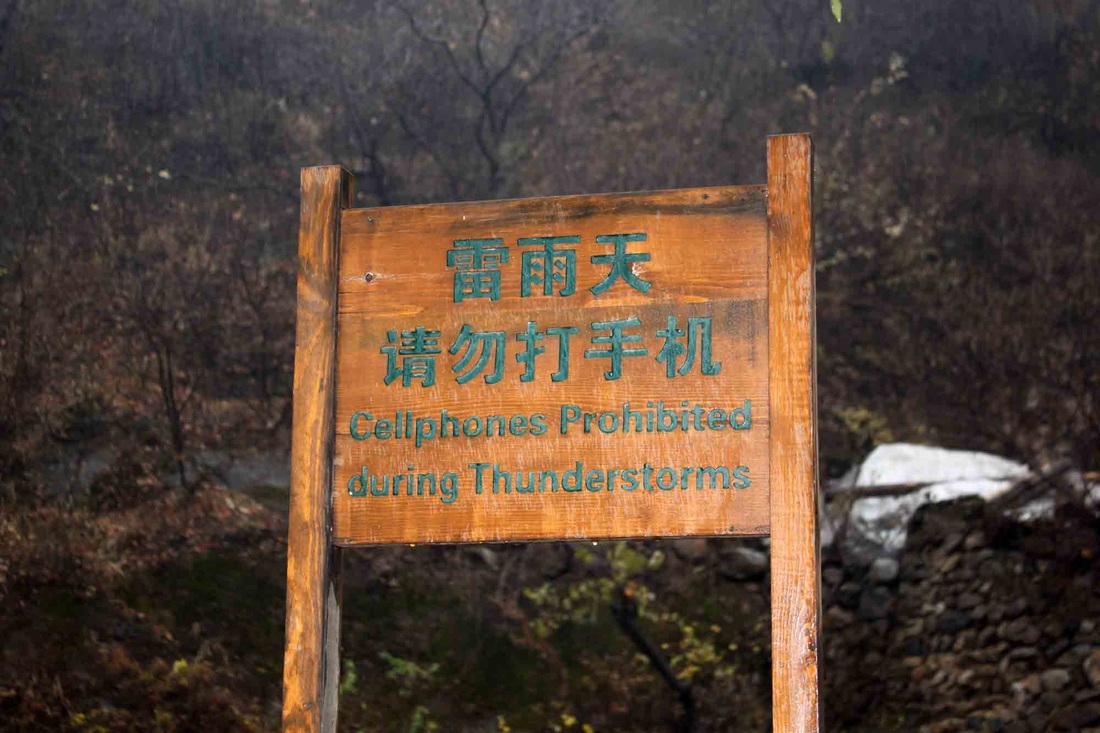 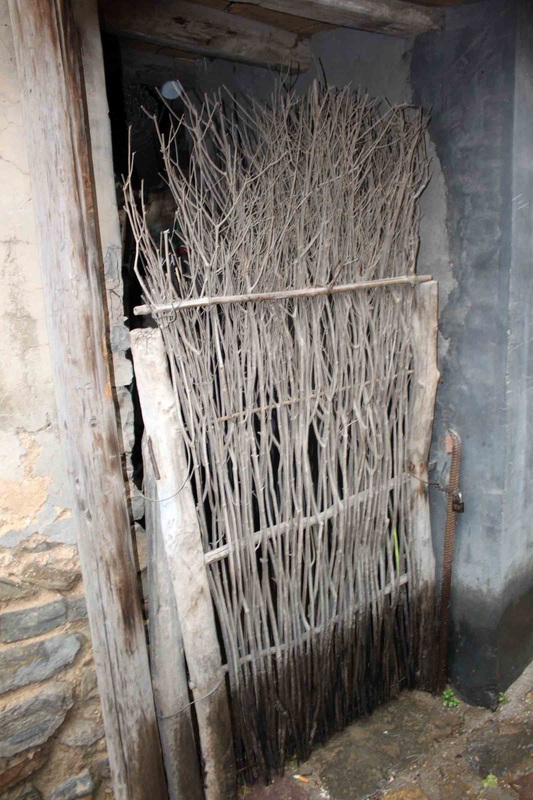 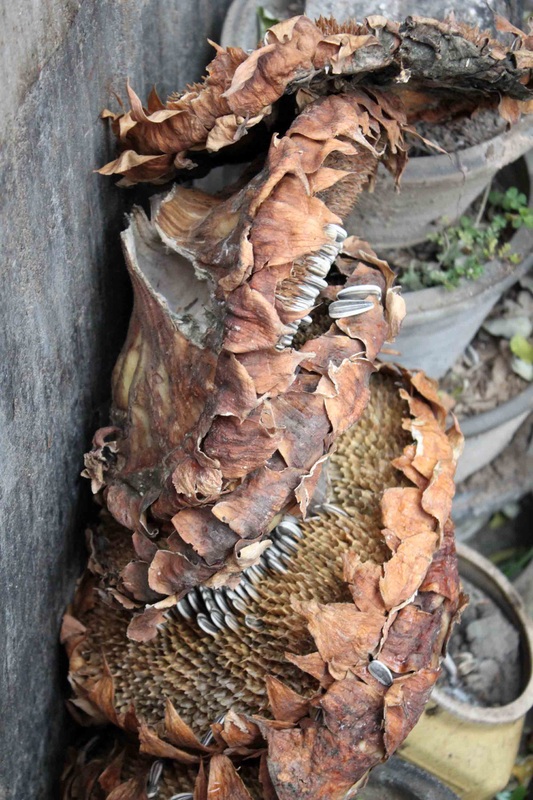 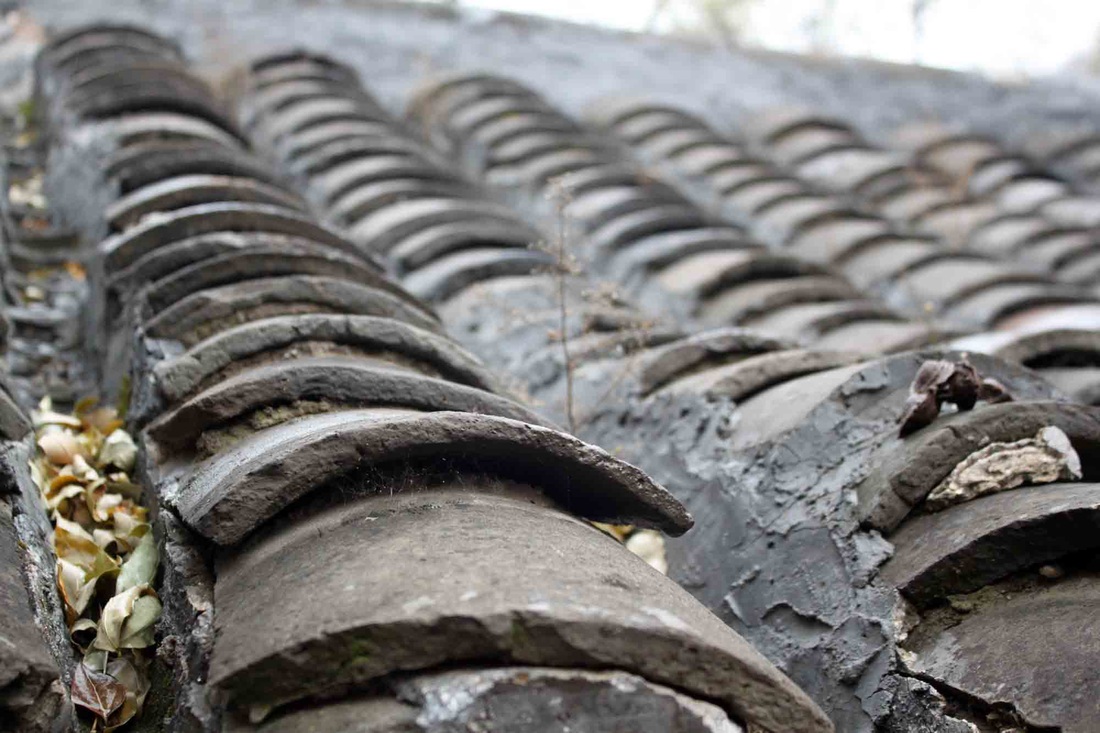  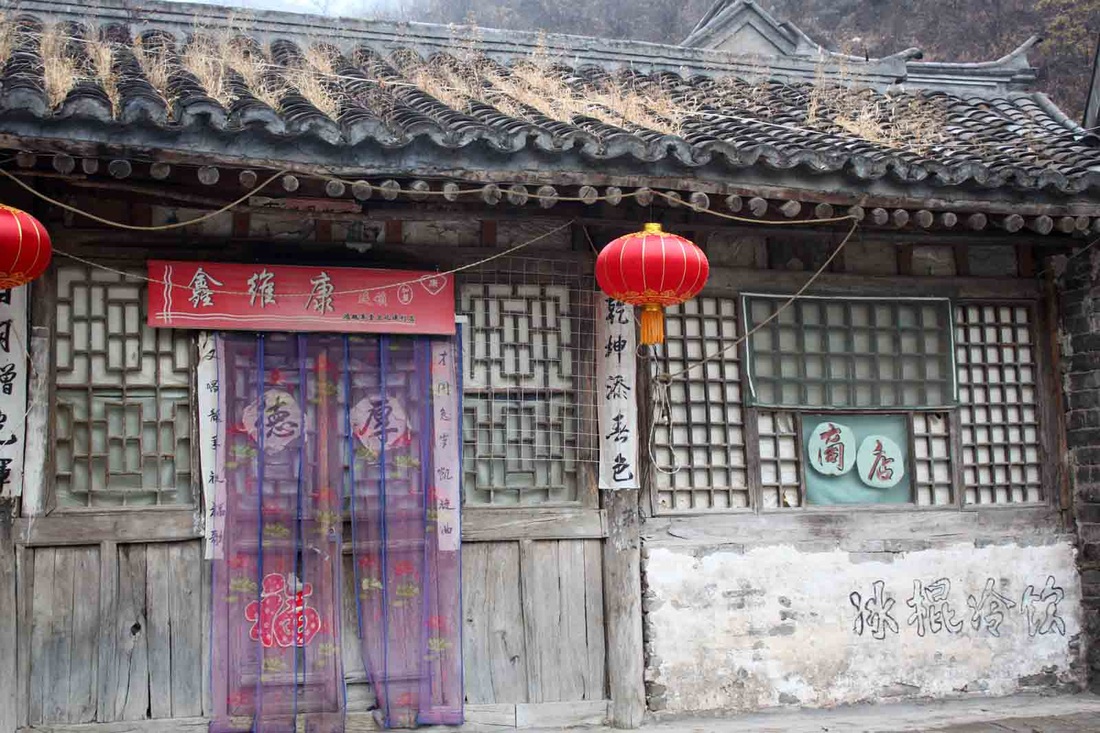 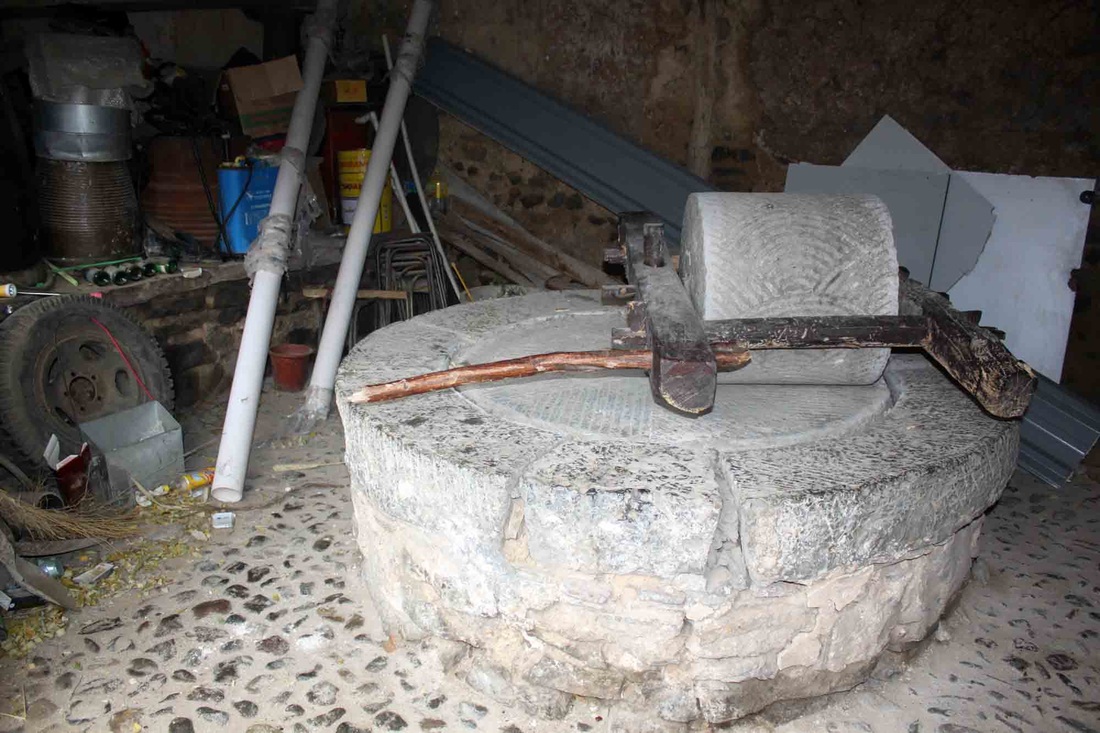 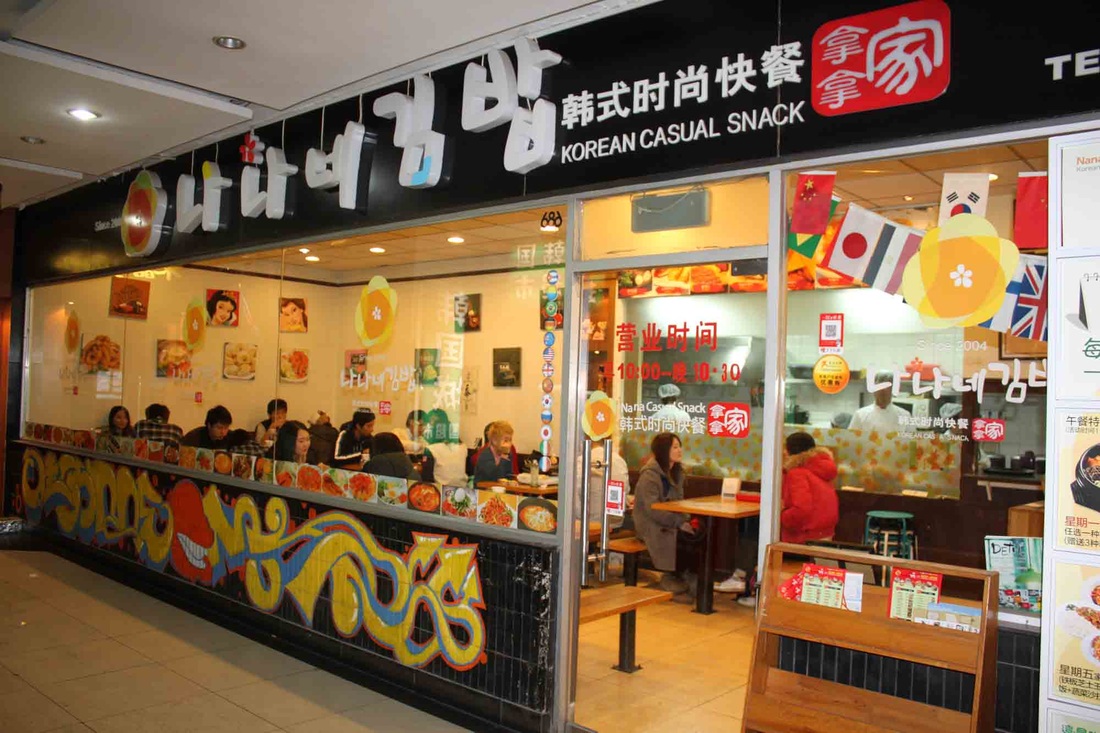 Restaurant Nana Casual Snack in Wudaokou: Photo Copyright Navjot Singh I arrived at a miserably cold and wet Beijing from a warmer Shanghai a few days ago, and could not wait to go back to Wudaokou. Back in 2004, and 2005, I used to live close to Wudaokou in a place called Shangdi (Beijing's silicon valley). When I went back this time I could hardly recognise the place. It's become all westernised with KFC, Macdonalds, Starbucks, Pizza Hut- you name it, every international food chain brand under the sun is present here. There is hardly a whisker in sight of any real authentic Chinese culture left here (sad...very sad). Wudaokou is close to Beijing University, and Tsinghua University (the Oxford and Cambridge equivalent of China), and so there are a large number of students, including foreign students. The area is also has a strong community of Korean and Japanese people, and along with their culture they bring excellent food to the area. While I was here, I really wanted to try an authentic Korean cuisine since I had not tried it for such a long time. Back in the days in 2004-2005 Wudaokou was not that well known internationally. There was a popular bar called Propaganda next to the Wudaokou station on line 13, which is still around and still provides the same excellent service it did back in the days. I tried one of the best Korean restaurants in this part of the city. The Korean restaurant is called Nana Casual Snack, and offers some of the best Korean food around. The staff are very tentative, and exceedingly welcoming. I ordered a dish of Korean style dumplings, and a dish a kimchi rice with a fried rice. To wash it all down I ordered some Korean style orange juice, and some nice Korean Chamisul Soju (Korean Wine 19%!). The restaurant seats around twenty people at the most, and because it is so good so there is sometimes a queue to get a table (but its well worth waiting for). The ambiance is nice, its clean, and above all else the food is just awesome…it will blow your mind away. I am very careful on where I eat and drink when I am travelling on a holiday, and I must say that if you love Korean cuisine, then Nana Casual Snack is good stuff. Oh, and the menu is in English as well as in Korean and Chinese. Normally what you find is that most Korean restaurants in China have a menu only in Korean and Chinese which drives away the western dinars. However, Nana Casual Snack does a good job. I was pleased, and I am proud to say that I left with a nice smile on my face, and a belly filled up with good delicious food. How to get to Nana Casual Snack? Nana Casual Snack is located behind the Wudaokou metro station on line 13, and is surrounded by many other Korean restaurants and bars. If you get lost then give them a call at 010-8237-0500. Try it, you won’t regret it! 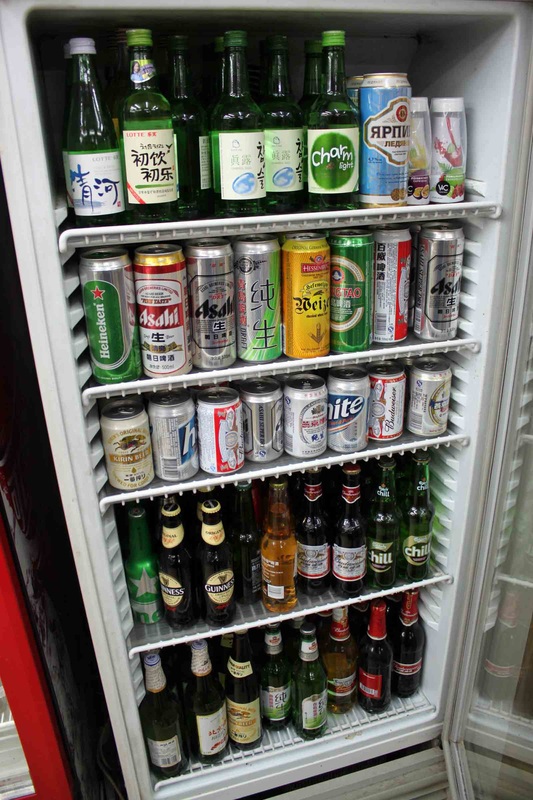 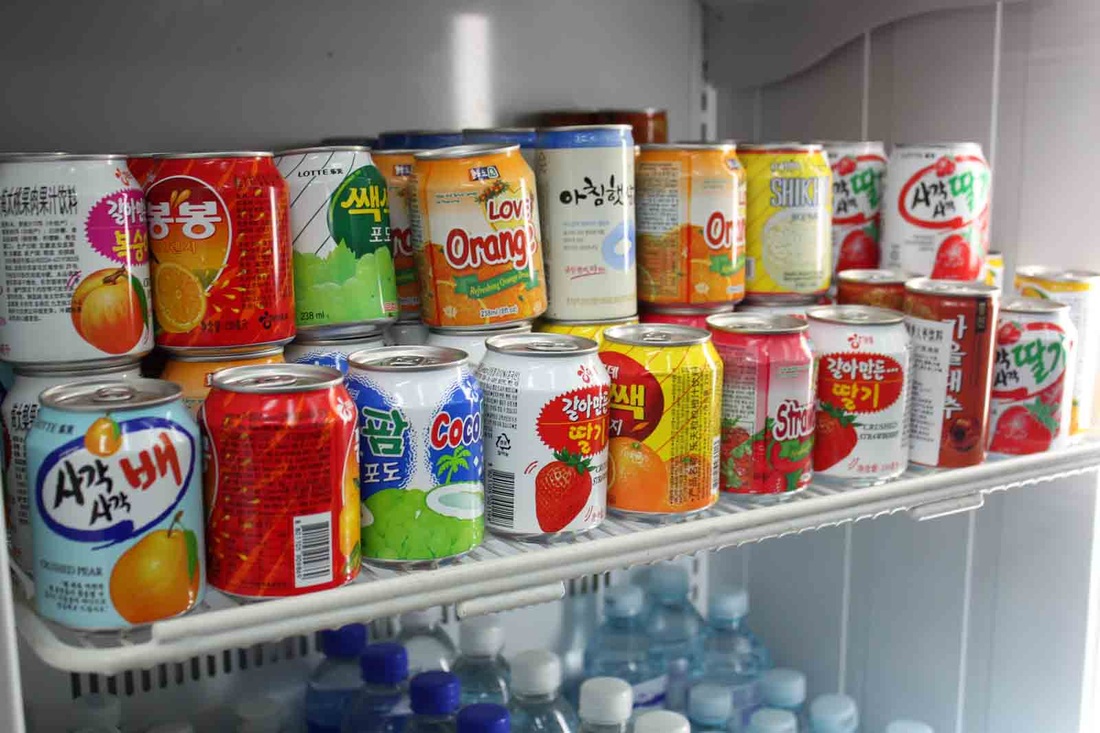 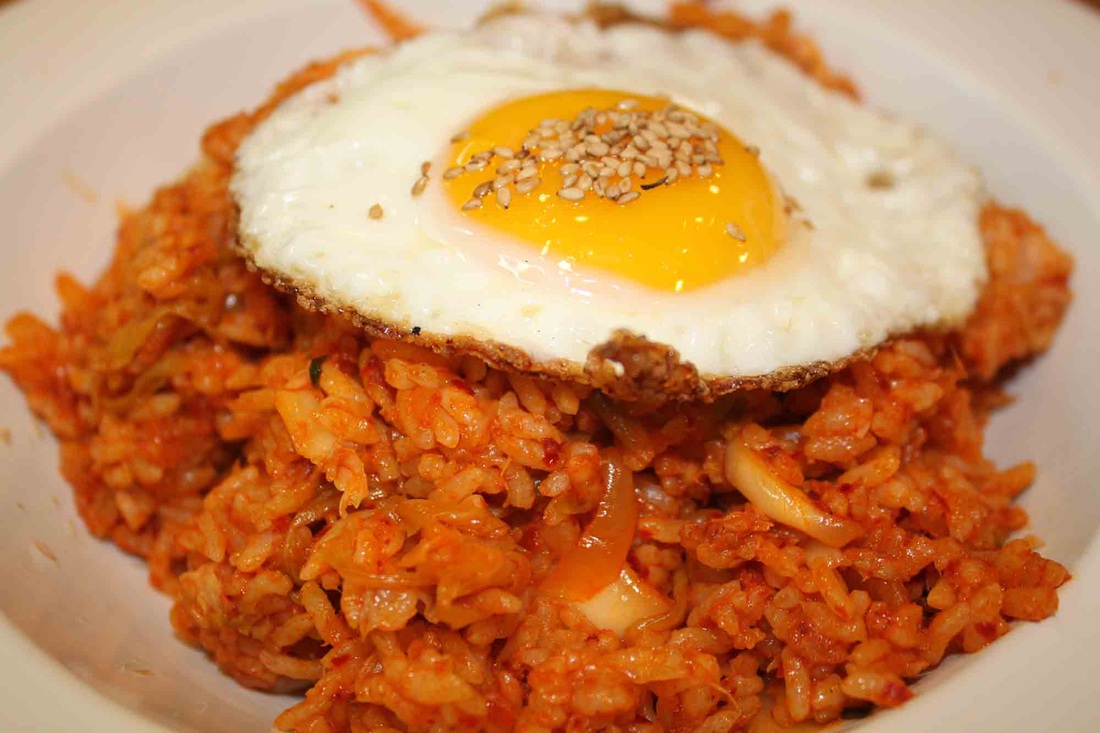 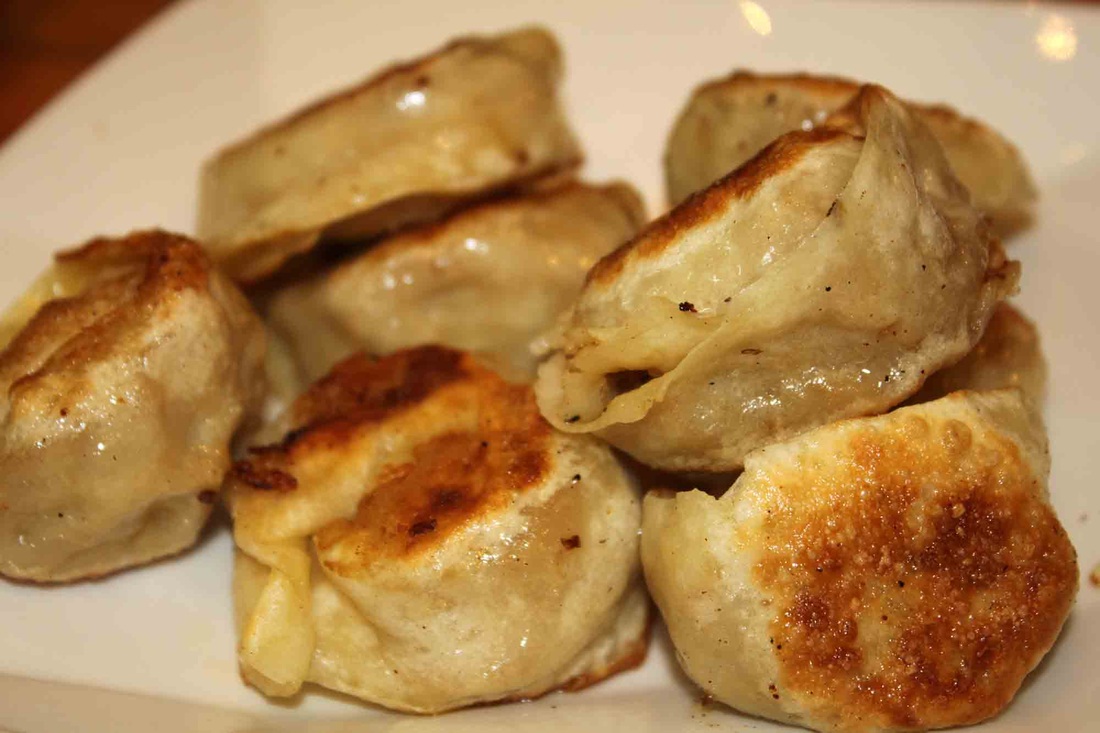 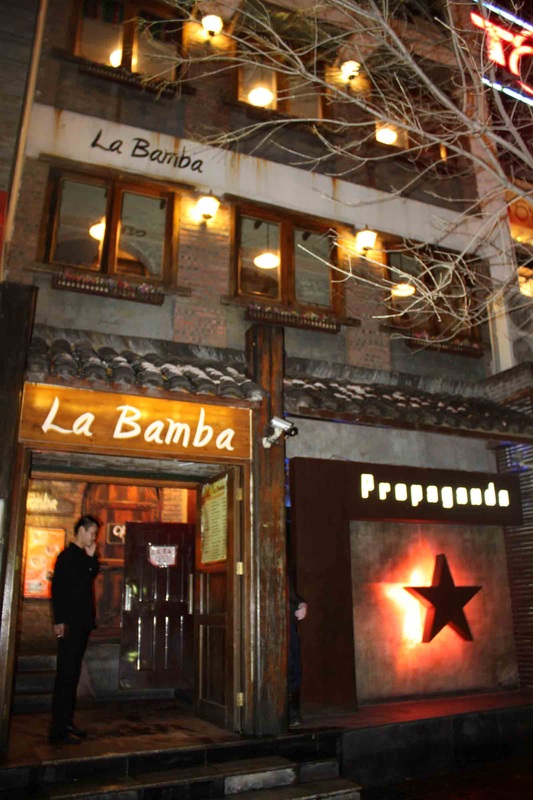 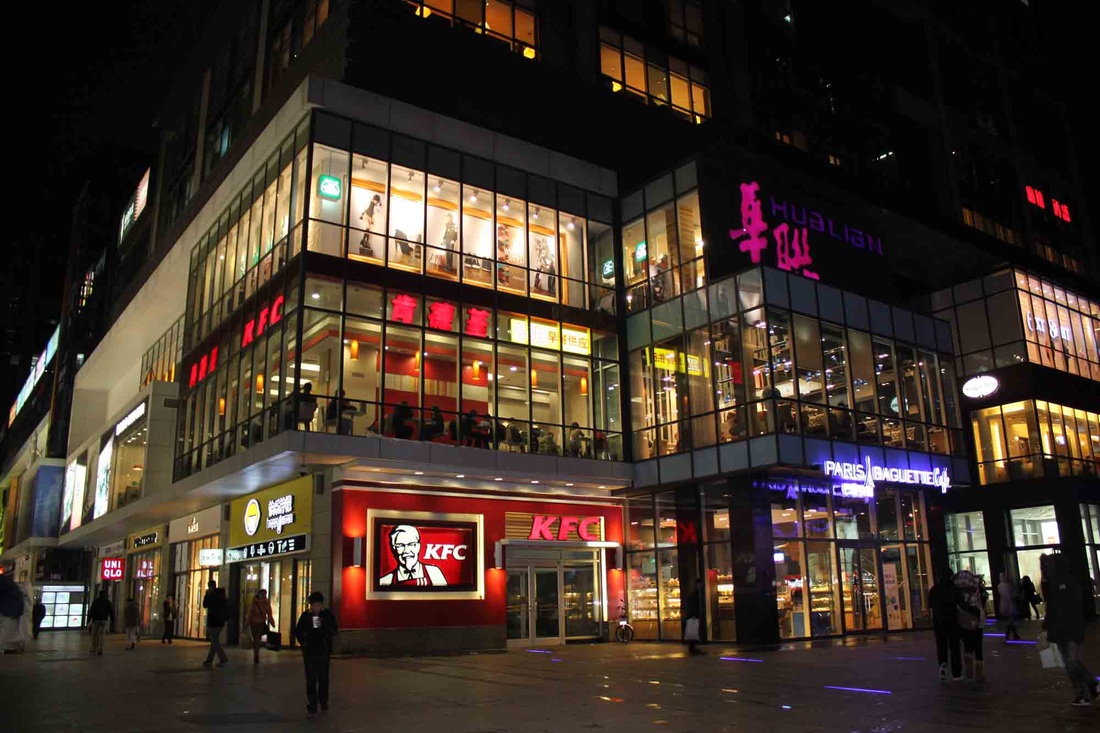 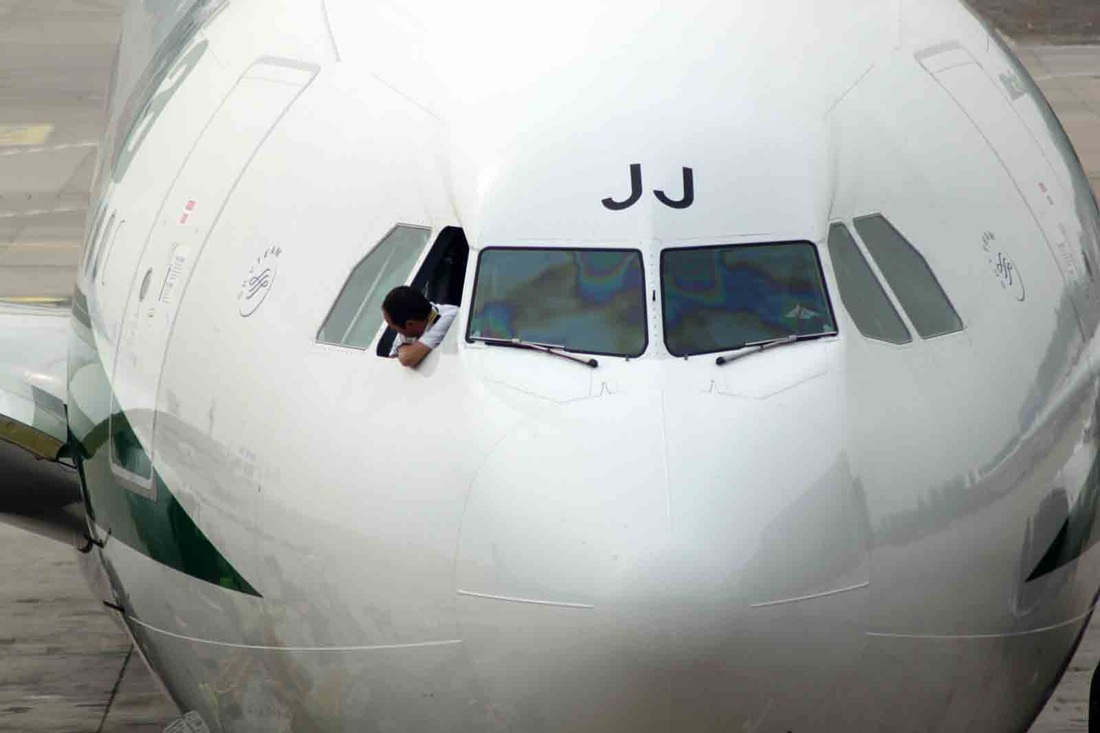 Alitalia's 'Juliet Juliet' having some interesting problems at Beijing Capital Airport. The Italian First Officer lost his temper and started shouting at the ground staff from the window....'Hurry up guys!' (of course, he wasn't using such polite language)...in an era when time is money in the aviation industry there is seldom room for failure...so, therefore, next time you are delayed....there is no point blaming the pilot (he's on your side!)...
 I have always wondered what the Lufthansa Centre in Beijing is all about. I have been to Beijing many times but never got the chance to go and have a look at this widely talked about building. ‘Lufthansa Centre? In Beijing?’ naturally such questions were constantly being popped up in my mind. So finally, earlier this year I had a chance to go and see the famous area. Apart from being popular for being the China Headquarters for Lufthansa German Airlines, this building, which is owned by the Lufthansa Group, is also well known for the 20-year old award-winning Kempinski Hotel Beijing. The location could not have been any better as its located only around 40 minutes away from the airport by taxi, and around a similar time by the metro. The airport express train is only a one-station hop away from the Lufthansa Centre. The lavish lobby is one of the few in Beijing that provides natural light to enter the foyer through the huge glass roof. It’s marvellous décor is complete with mahogany, teak, as well as expensive designer leather sofas. Able to accommodate up to 1,200 people, the hotel possesses 526 well appointed guestrooms and suites, including 4 executive floors. The hotel was built to highlight the best of German hospitality and to make it home away from home for German and Swiss executives coming to Beijing for a business trip. Indeed, because of the hotel’s close proximity to the foreign embassies, and airline offices, so therefore it makes sense that most of the guests are diplomats and other similar professionals. Which is one of the key reasons why the hotel has been the crew base for Swiss International Airlines, and Lufthansa German Airlines. However, it can be safely said that the hotel’s rooms seem to have seen their hey days in yesteryear. The ambiance, the smell, and general aroma has faded in time, and it’s clear to see. Of course, there is that flair of elegance. The rooms themselves decor appear to have been renovated but it all looks ancient compared to the sheer modernity of the newer 5-star hotels that are cropping up in Beijing and other cities in China. The staff are very tentative and caring, and it’s not their fault if things don’t go well as planned. I had to change my room as the one I was offered smelt of cigarettes- now that was surprising as the hotel is meant to be smoking free. The beds are comfortable, which is perhaps the most important thing about any hotel. On saying this, the hotel’s management are doing a splendid job in making sure that the quality of the Kempinski brand is kept going strong, and especially with the challenges that they are facing in the booming hospitality industry in China. All of the rooms have modern amenities such as a master control box, which allows you to switch on or off the electricity, call for the concierge, and even control the television from the comfort of your bed. Then there is wireless internet, and Kempinski’s own branded amenities. The views are not all that great from the windows, and what’s makes it challenge is the myriad of high rise building erupting around the hotel that block the beautiful skyline which guests in the early days used to enjoy from their rooms. The mini-bar is well stocked, and contains German, and Swiss goodies such as Ricola, and Weis Schwarzwalder Kiefch Waffee. The crème of the hotel are its superb food & beverage outlets. There are a total of seven distinctive restaurants and bars offering everything including traditional German cuisine at the much loved Paulaner Bräuhaus, Japanese cuisine at Honzen, Dragon Place for Chinese cuisine, and even Italian cuisine at the Trattoria la Gondola. The thing that differentiates the Kempinski Beijing from all the others is that this is one of the few hotels in China that offers something else apart from just a typical Italian, Chinese or Japanese cuisine because that’s what all the other luxurious hotels in the market offer. Those with a sweet tooth would love the Kempi Deli, an award-winning German style delicatessen and coffee bar offering home favourites such as ‘schokokuchen mit kirschen (chocolate chip cake with cherries)’. It’s well worth a visit. 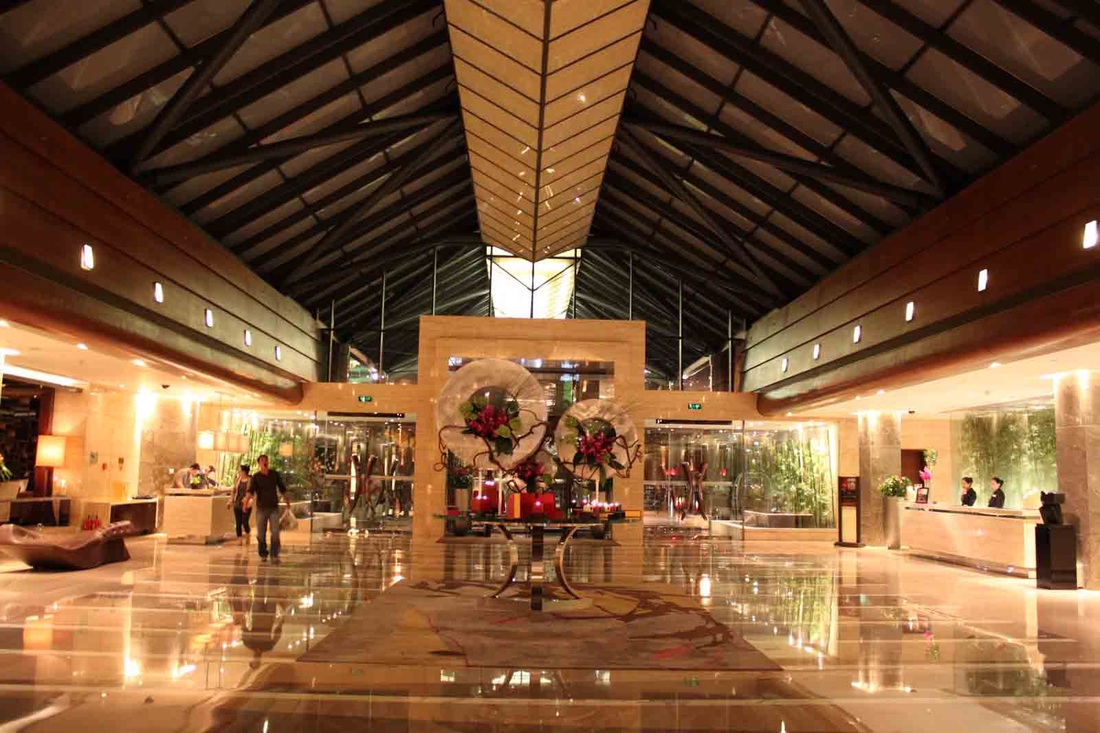 The beautiful lobby of the Kempinski Beijing: Photo Copyright Navjot Singh  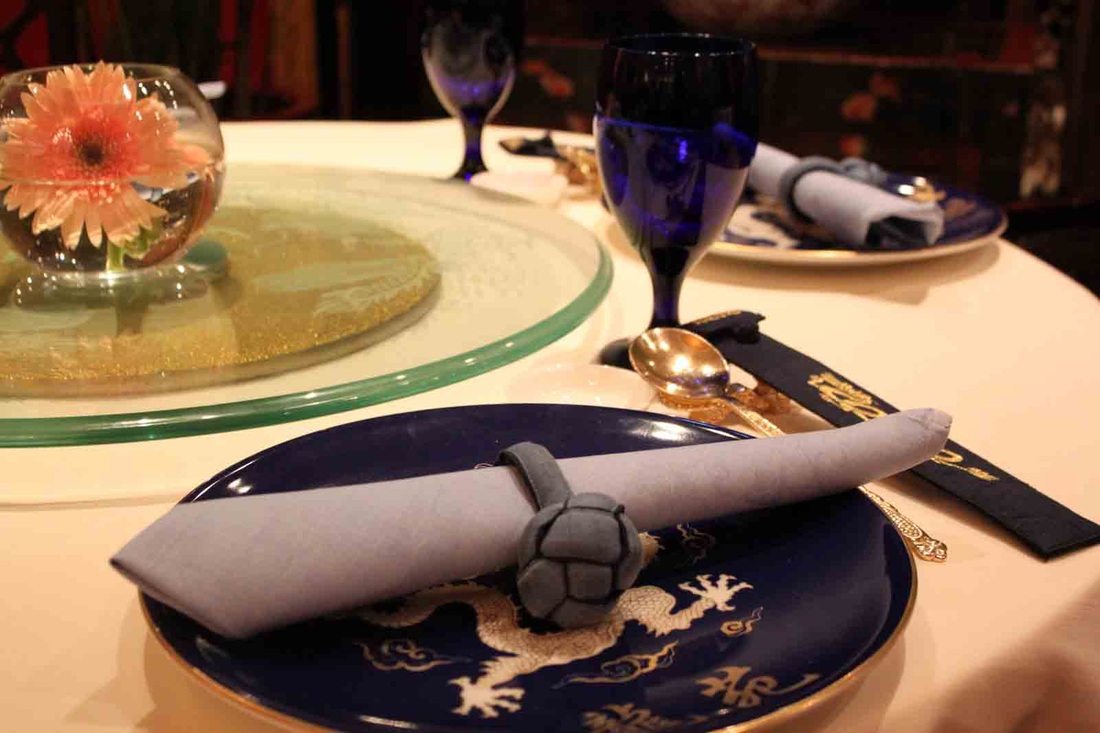 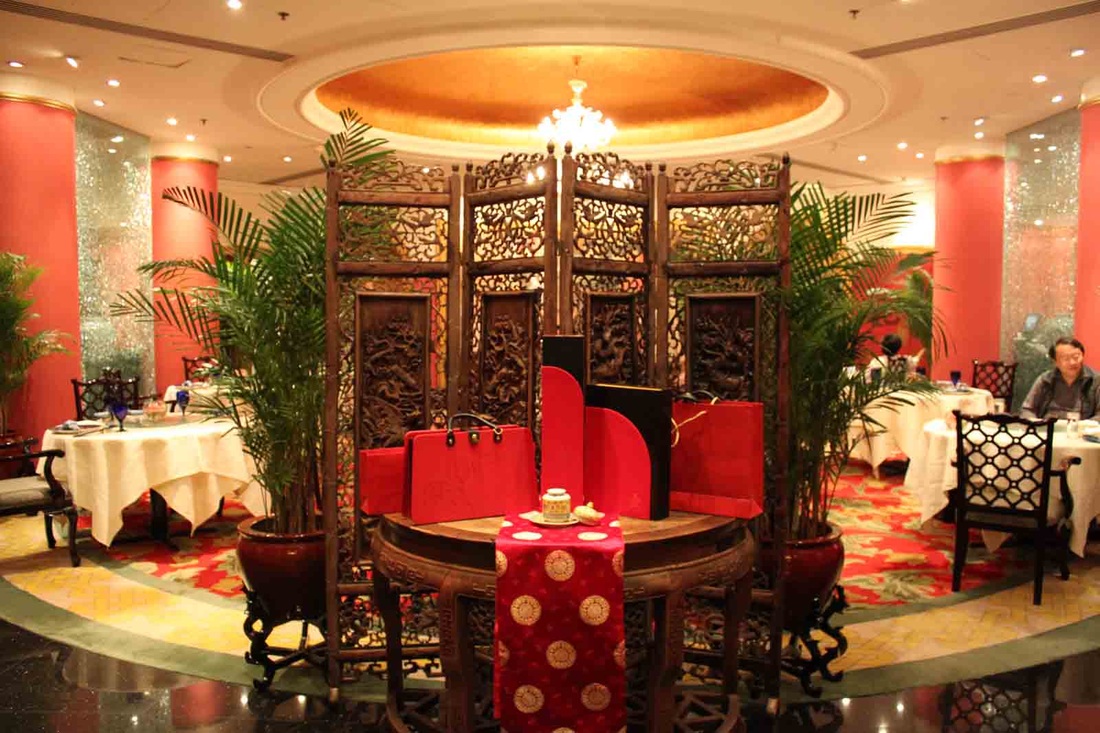 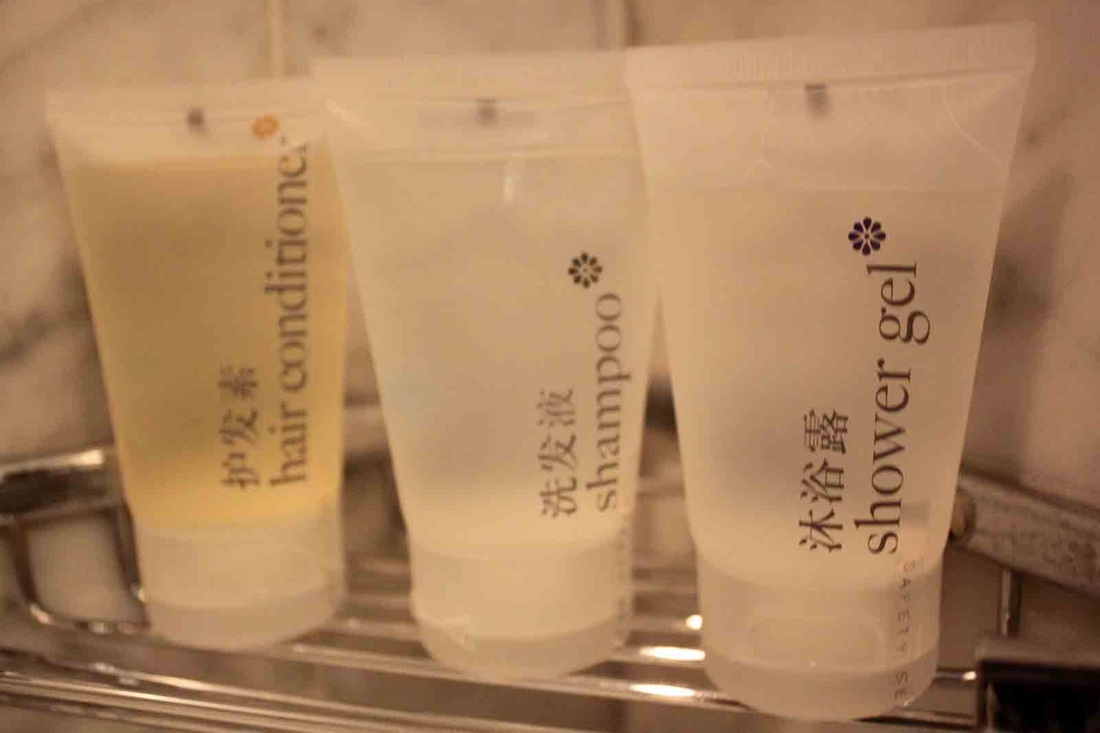 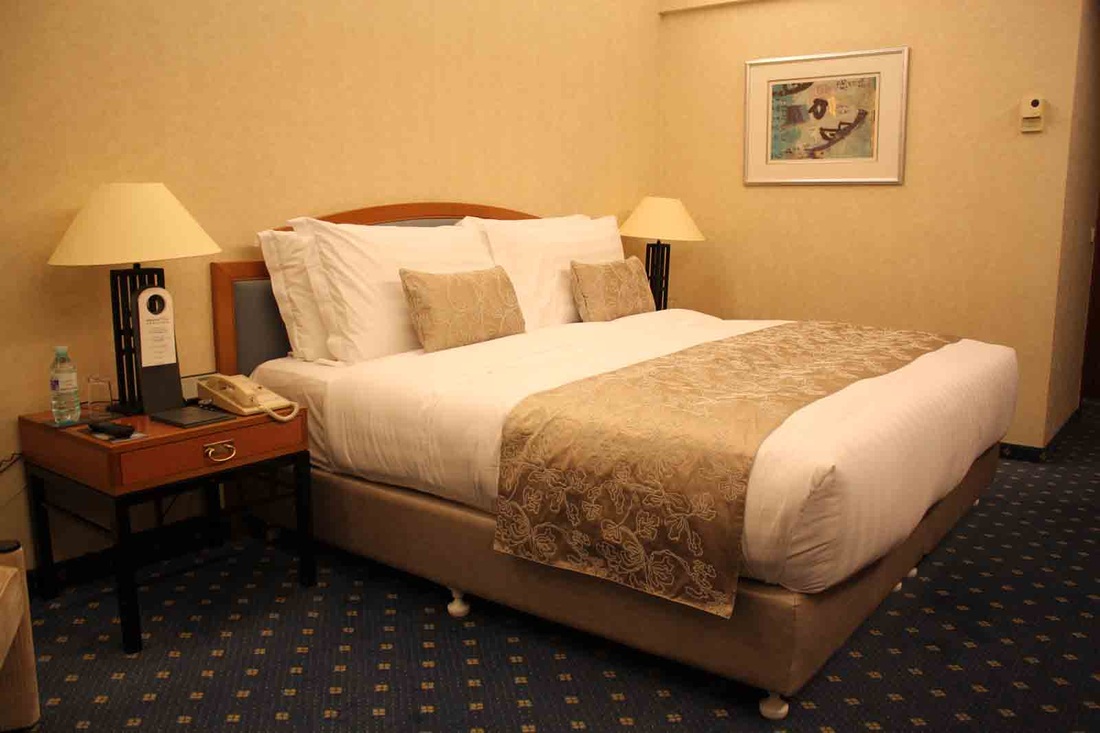  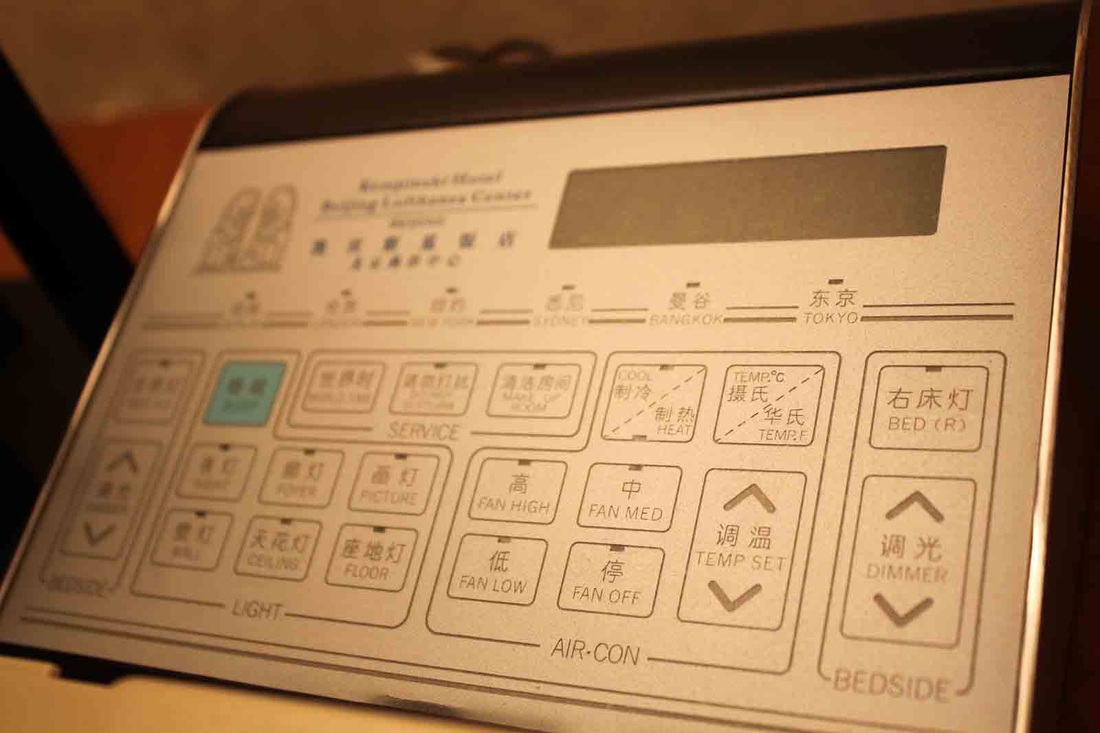 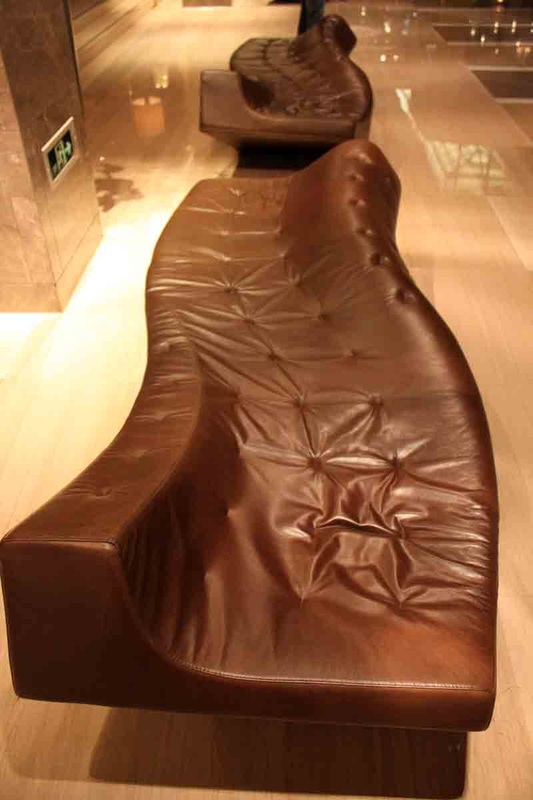 Paulaner Bräuhaus at the Kempinski Beijing Located in the beautiful gardens of the 20-year old Kempinski Hotel in Beijing, the Paulaner Bräuhaus, which is as old as the hotel itself, is configured to look like a German beer garden cum a restaurant. The whole complex is owned by the Lufthansa Group, and hence it’s name also is ‘The Lufthansa Centre’. The area is an expat haven for Germans living in Beijing. The German School of Beijing, and the German Embassy are very close too. So it’s no surprise that slap bang in the middle of it all is one of the most German restaurant’s. It’s best to book a table in advance as it does get crowded fairly quickly, and especially during the weekend and evenings. The food is better than fine, though certainly not light, by any means. The chefs at the Paulaner do feed like there is no tomorrow. Though mainly an expat enclave, the Paulaner is actually more popular with the local folk. I would hate to generalise, however on the whole it is a fact that Chinese people adore beer, or anything to do with beer. Take China’s Snow Beer as a prime example of that. As of 2009, it is officially the best selling beer brand in the world, with annual sales of 61 million hectolitres, despite largely being sold only in China. Therefore, it is no surprise that Paulaner is doing so well with the city yuppies from across the road. Paulaner’s elegant, expensive interior, impeccable service, and regular live music add on to the attractions that this place offers. Every dinar is presented with a breadbasket containing typical German style bread rolls, and also a plate with three types of bread dressings that include butter, ham paste, and cottage cheese. The menu is purely German, with a slight hint of Austrian and Swiss cuisine. For starters, I went for the ‘linsensuppe mit frankfurter (lentil soup with frankfurter sausages cut into pieces, bacon)’. Considering that the restaurant was busy when I got there, I was surprised that the dish arrived within 4 minutes of me ordering it, and seemed to be just waiting to be served to anyone who wanted it. Equally well, I was not surprised that it was almost cold too. Now, either the chefs at the Paulaner have a remarkable talent for creating quick fire dishes, or it was made in advance and waiting in a pipeline to be served. Having a German restaurant in China would not make you feel as if you are in Germany, nevertheless, in terms of taste; I had to admit that the food was good. The staff wore the traditional German costumes, and were very friendly and assisting, but sometimes it came across as dinars had to remind them and ask for minor but important things like salt and pepper. Sticking to the German theme, I ordered a 1-litre glass of Halles beer, which sadly I did not end up finishing. I think I personally overestimated my ability to drink such large amounts of alcohol. However, more importantly of all, there was no way I could hold that massive beer glass with just one hand. Even a medium sized man like myself with an average sized hand felt like a baby holding a beer glass with two hands! But then again, I was in a German restaurant and it was all part of the good fun. If the beer was not enough to fill me up on its own, then the next dish up was nothing short of a mammoth dish to eat. The ‘regenbogenforelle müllerin art (pan-fried rainbow trout with tomatoes, lemon juice and vegetables, sour cream dill sauce)’ did not look too pleasing, as it tasted. The presentation was dull and all you could see was a sleeping fish along with a few bits and bobs of vegetables. However, as you move away the skin gently then it tends to reveal the delicious pinkish meat of the fish, which is not only a feast for the eyes but also for the cake hole. While Paulaner has branches in most of the bigger cities of China, where there is a considerably large amount of expats, the branch at the Kempinski Hotel in Beijing is the oldest and perhaps the most well-known because of its connection to the hotel and the Lufthansa centre in Beijing. 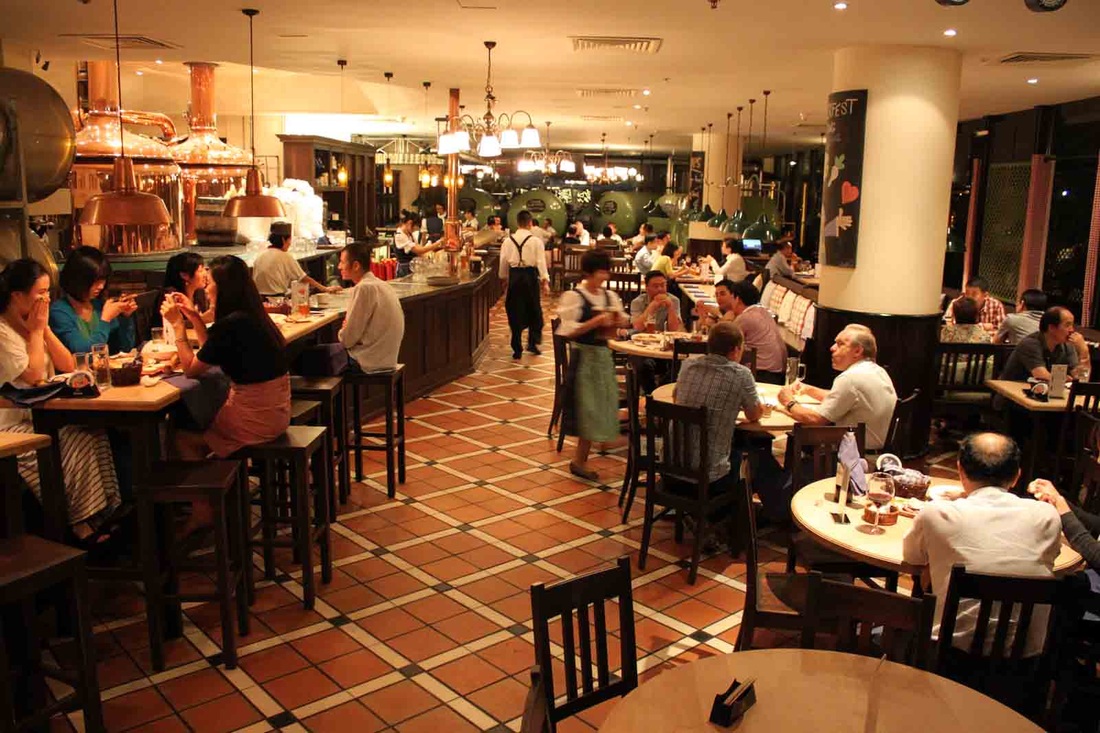 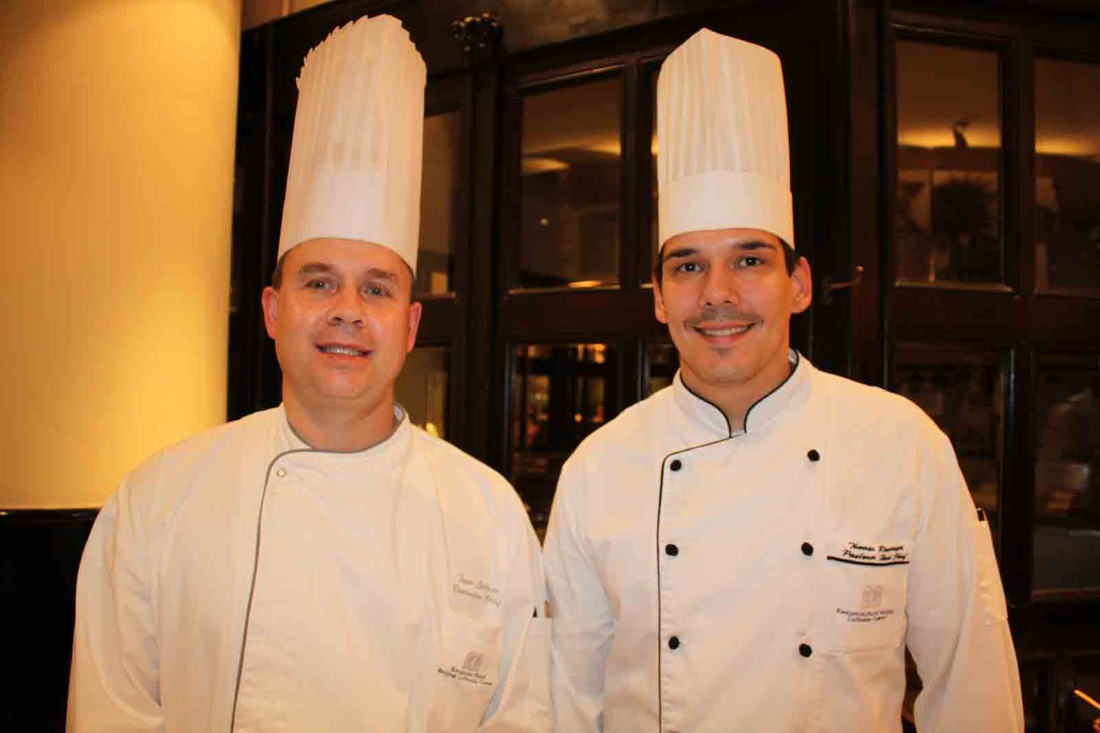 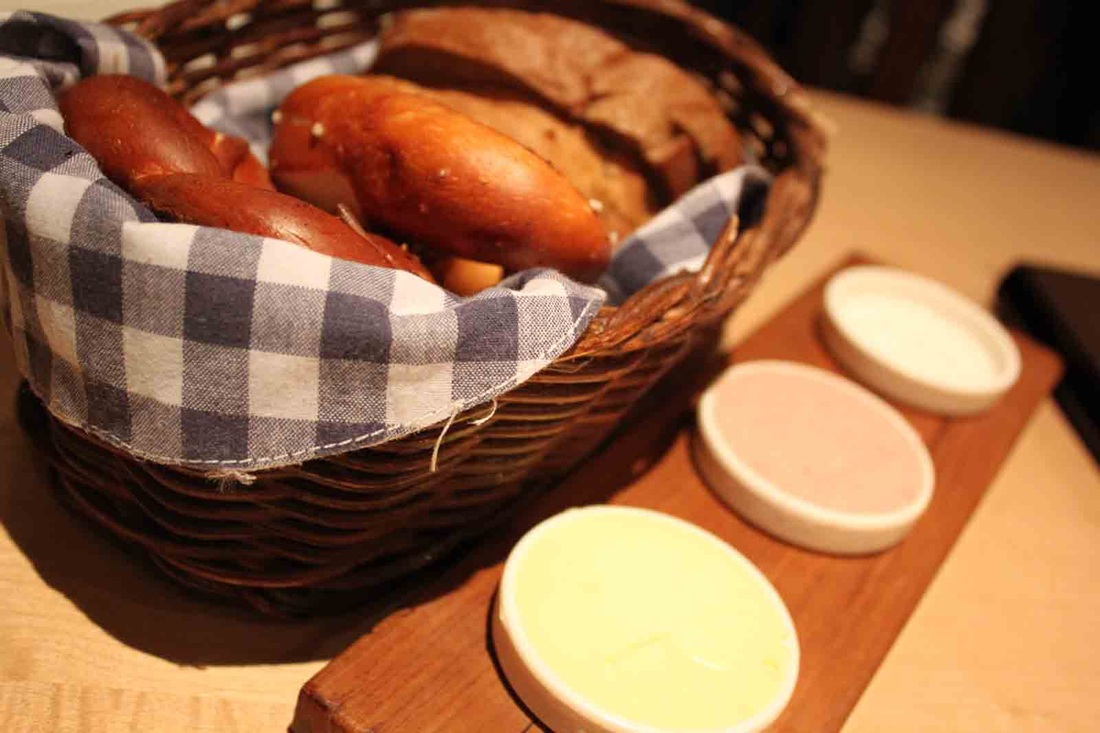 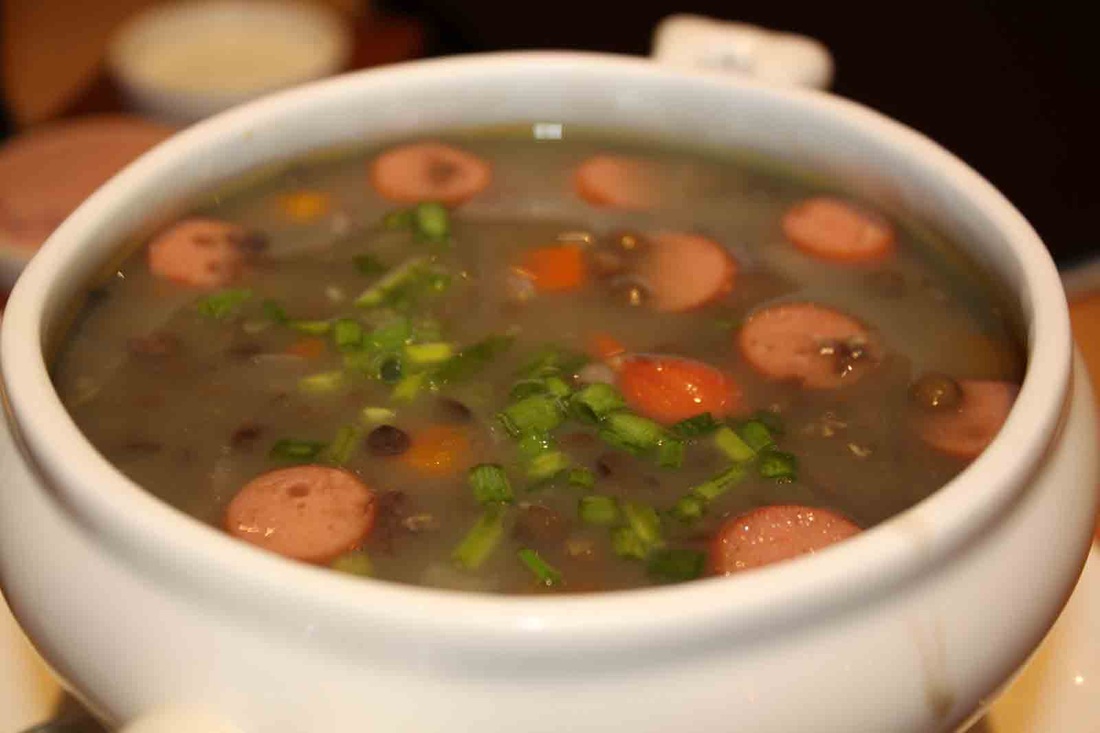  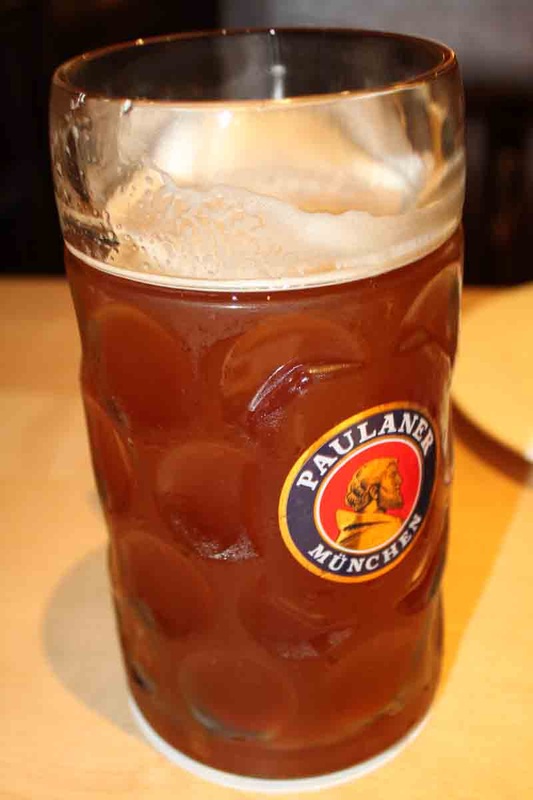 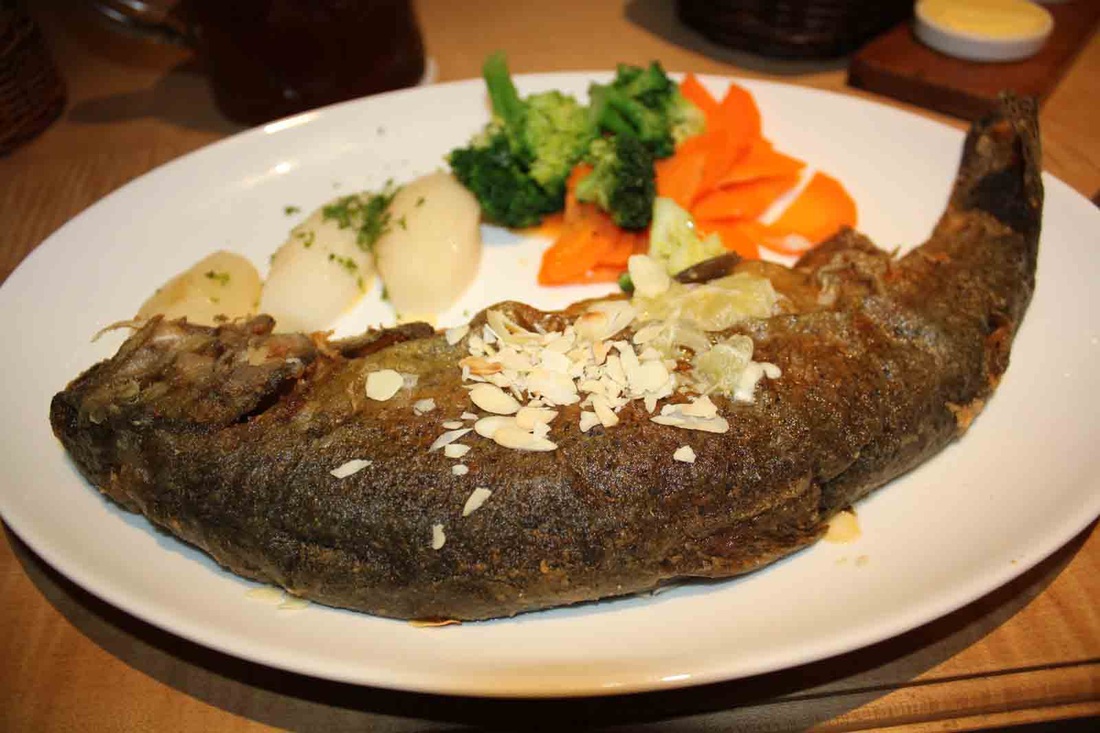 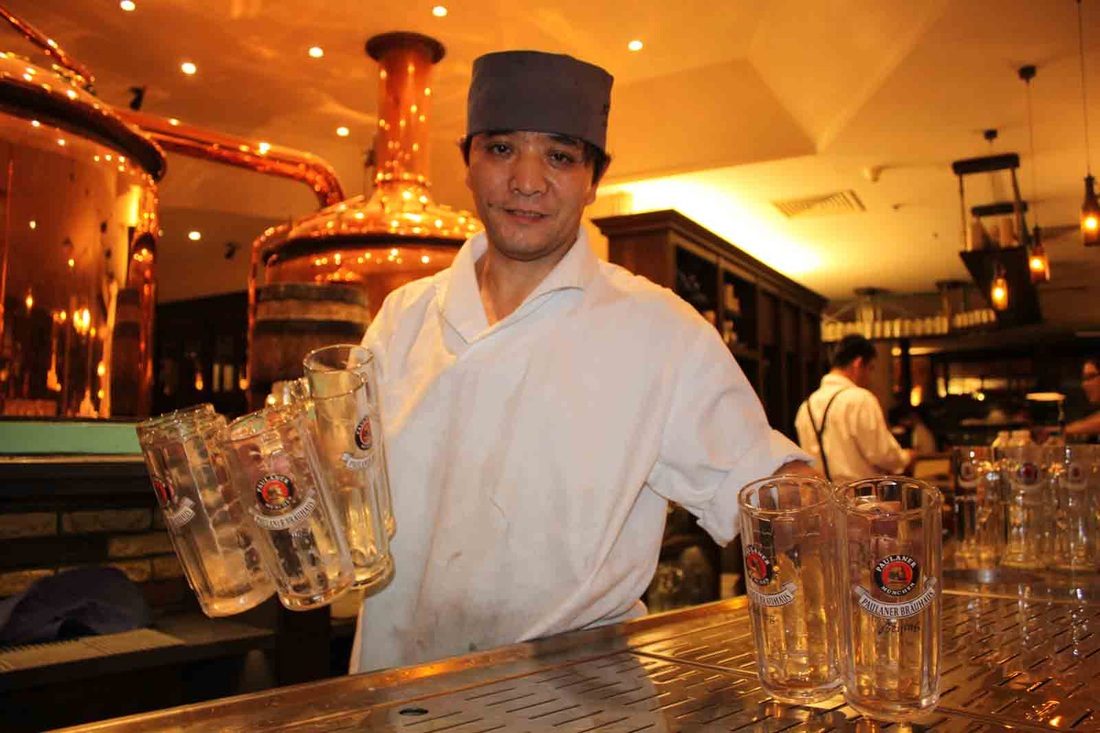 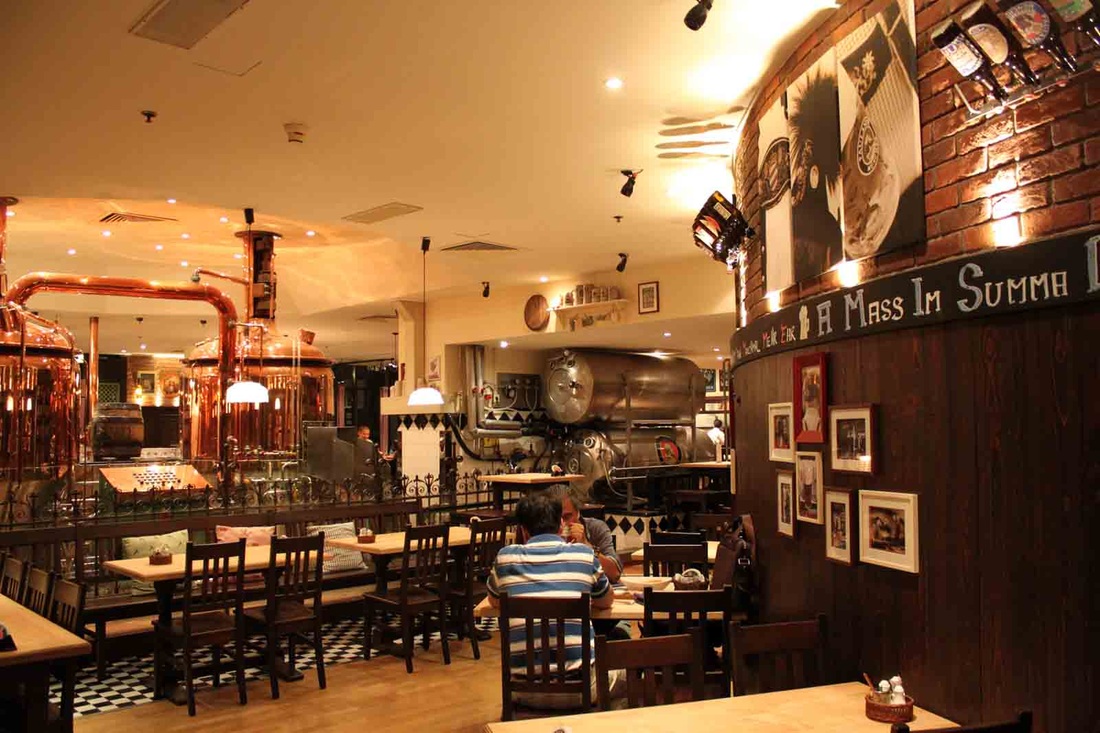  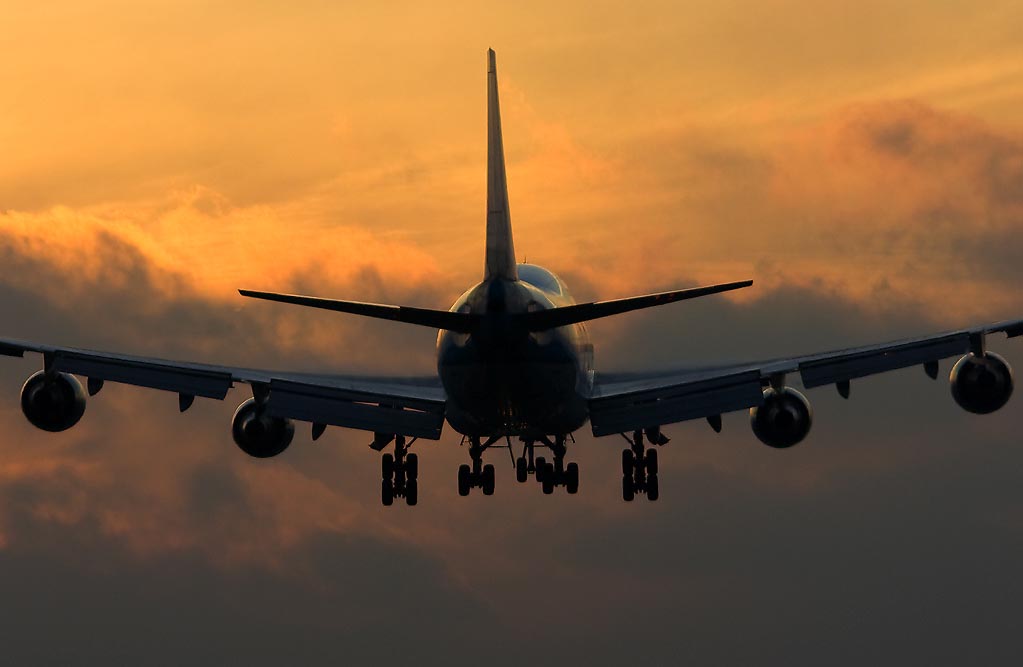 Nothing beats seeing a beautiful plane land in the sunset. Caught this beauty landing at Heathrow the day I arrived back in the UK on the 23rd January 2012: Photo Copyright Navjot Singh I landed in London on the 23rd of January (a week after my birthday!). Last year I managed to fly back to London from China on four occasions, though I could easily have stayed in China to do more travelling. This time I was planning to stay back in Suzhou for the Chinese New Year festivities, however at the last minute I decided to go to London for personal reasons (via 1 night in Shanghai, and then 4 days in Beijing). It's great to be back though! It actually made up for the time I missed being with my parents during Christmas and the New Year festivities last year. The great thing about working in China is that you get to enjoy national holidays (and annual leave) while the rest of the world is working. It’s a lovely feeling because it’s not so busy in the UK. as it would be during the festive season like Christmas or the New Year. It’s also nice landing into Heathrow Airport, especially if you have westerly winds because then you get to fly right over Central London. The views are just magical as the majority of London’s famous landmarks were visible. As the photos below illustrate, I also got beautiful glimpses of some cities from the sky (Doha, Kuwait as examples shown). It was also nice to be invited by the team at Resonance FM 104.4 on the 31st of January to give a talk about China Culture and how my books are assisting expats in adjusting to life in China. The presenter was the evergreen veteran Journalist Rakesh K. Mathur who managed to present the programme despite being heavily jet-lagged and also suffering from a cold. Click HERE to listen to the recording. They also played music by Sayaka, a Japanese jazz musician and pieces from the modern and traditional Chinese opera. 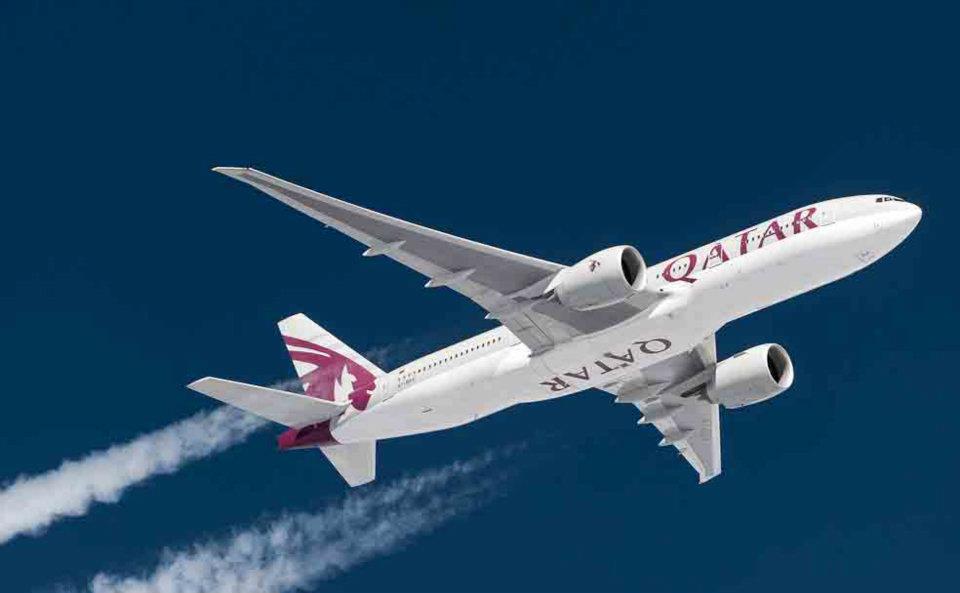 There’s nothing better than sneaking past another airliner. Makes getting-up early for the morning flight to London worthwhile! Seen here at Qatar Airways Boeing 777-300ER somewhere over Basra, Iraq- we didn't let him win!: Photo Copyright Navjot Singh 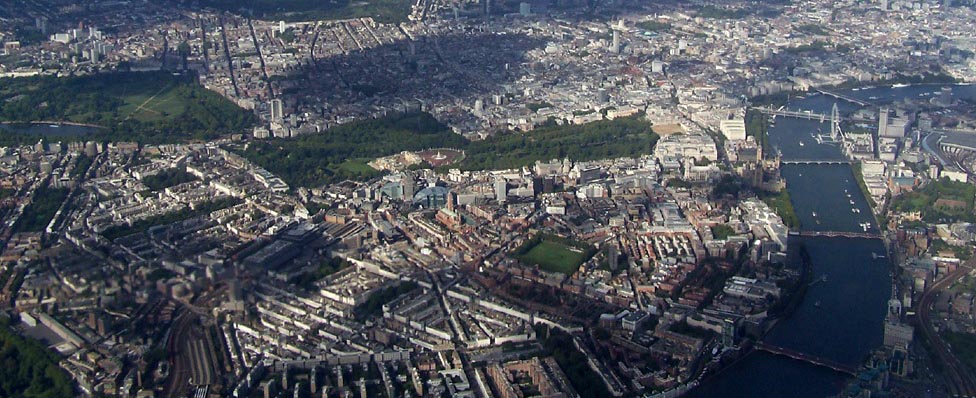 A lovely snapshot of London during the final approach into London Heathrow (Runway 27L). Practically the whole of the West End can be seen clearly. Photo Copyright Navjot Singh 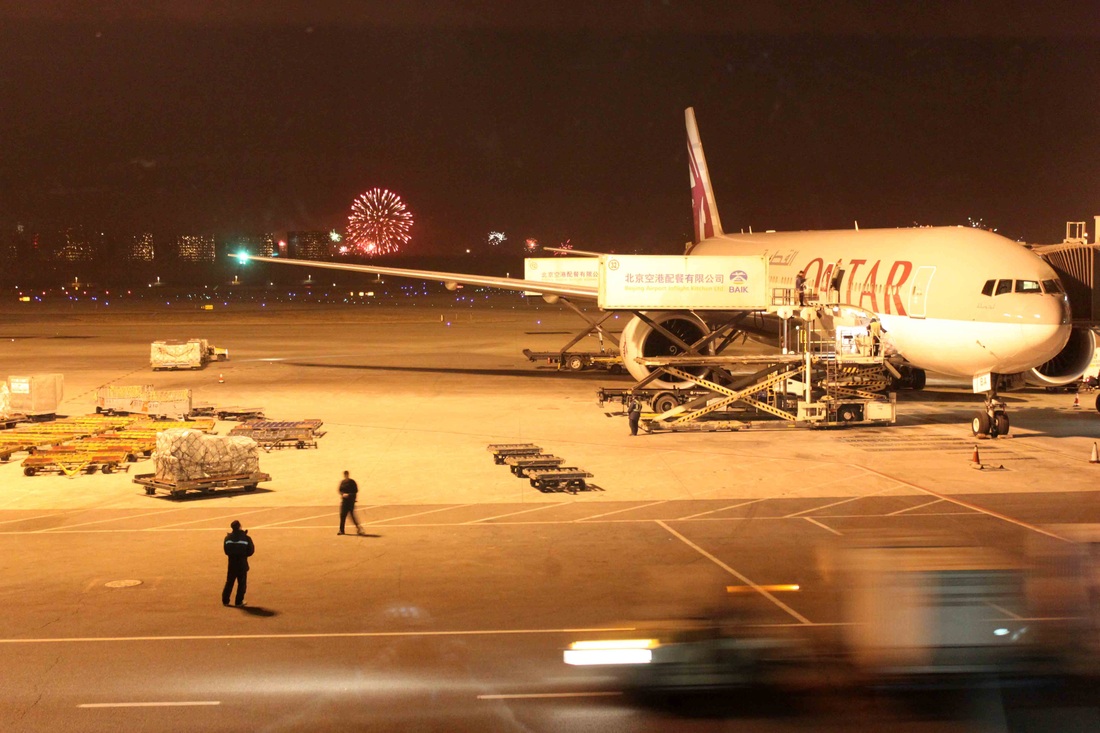 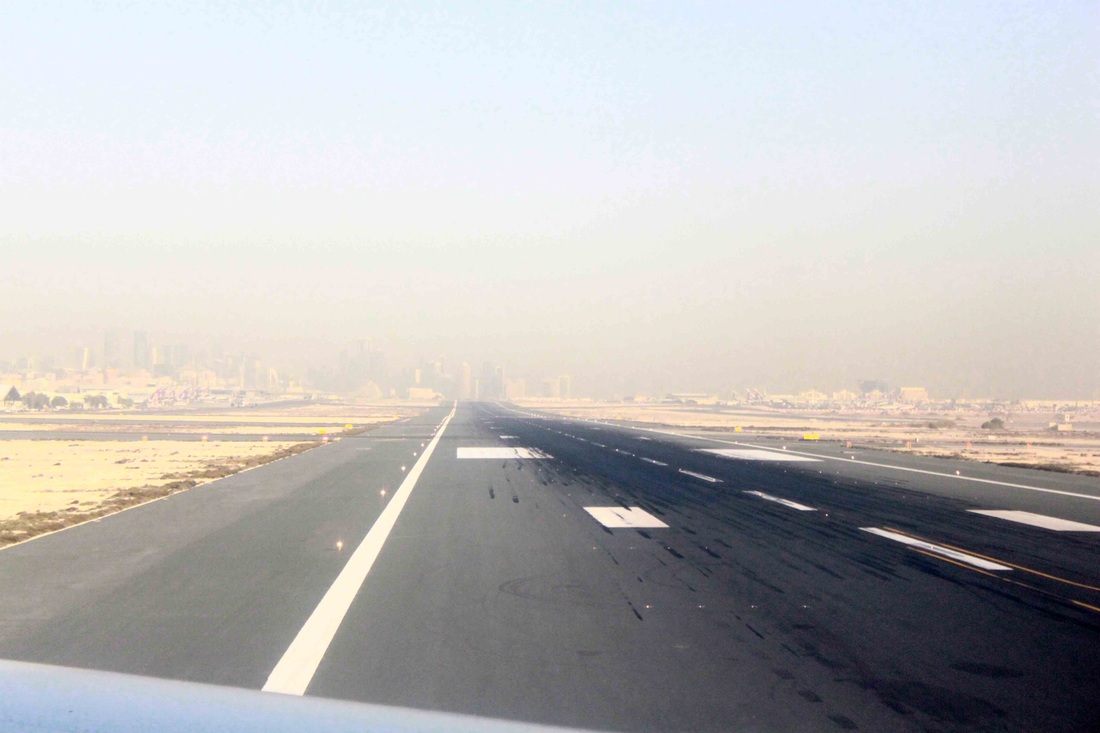 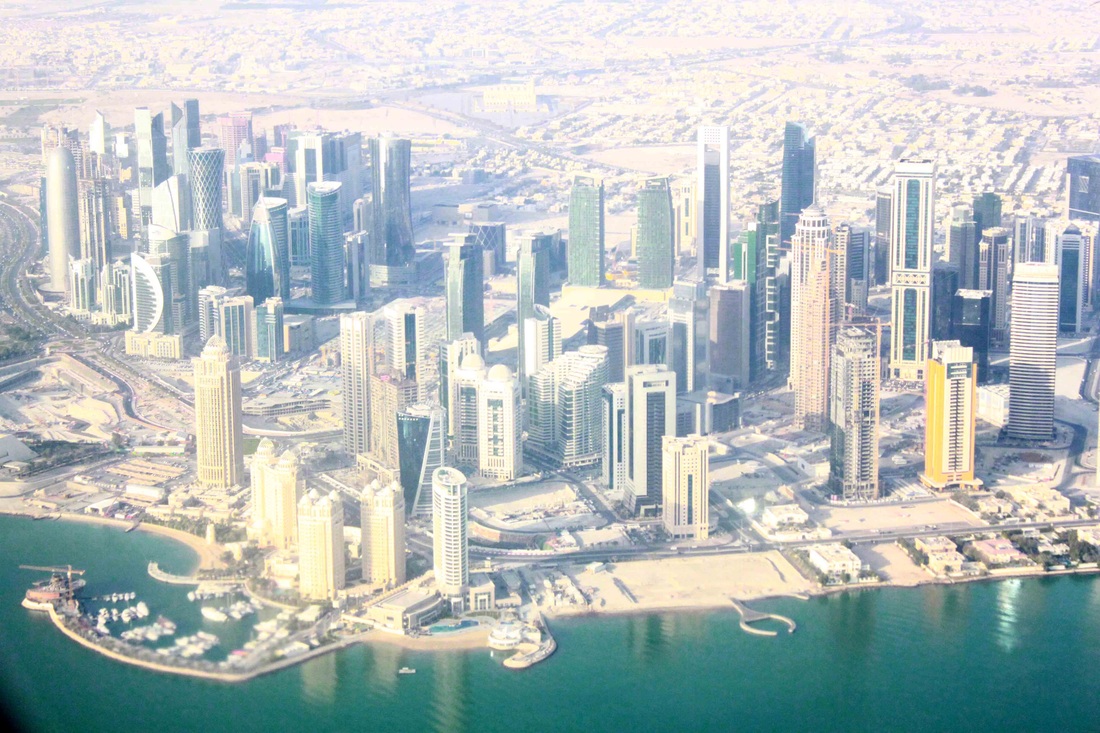 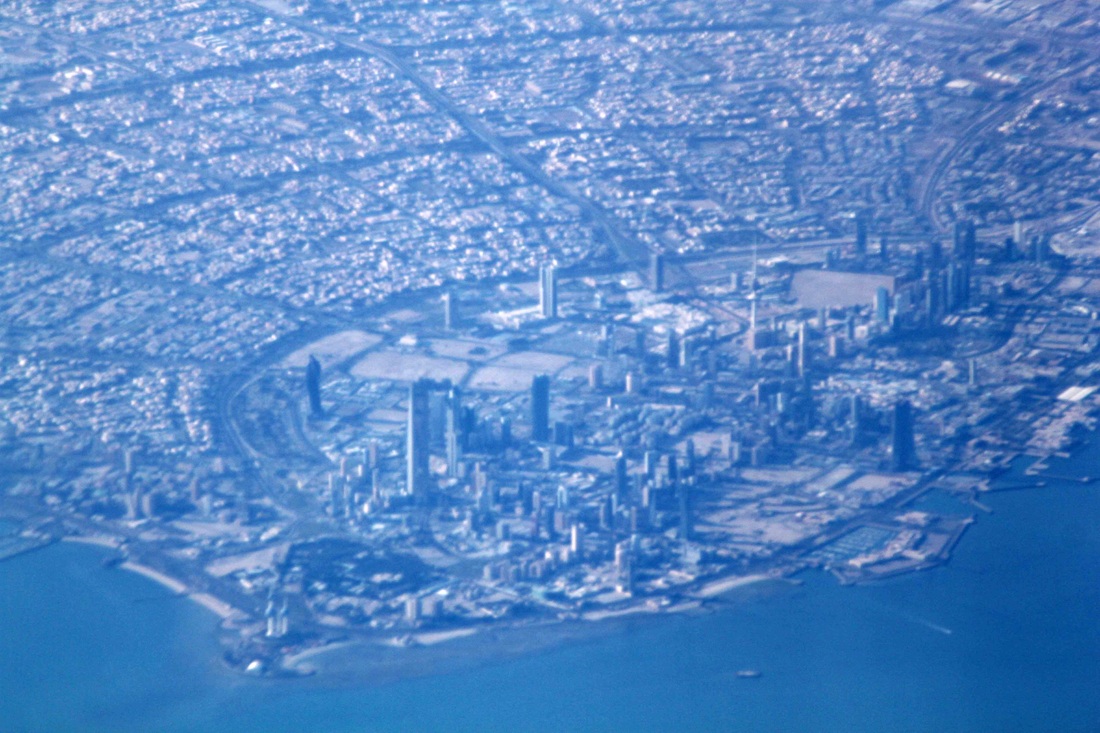 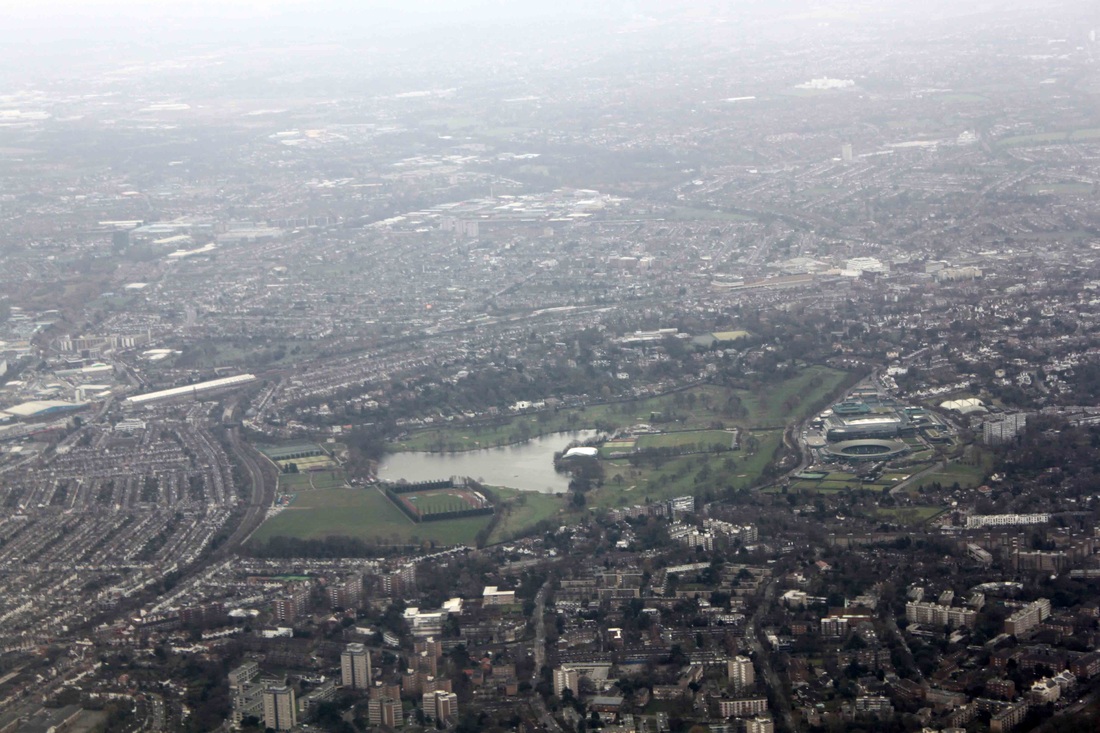 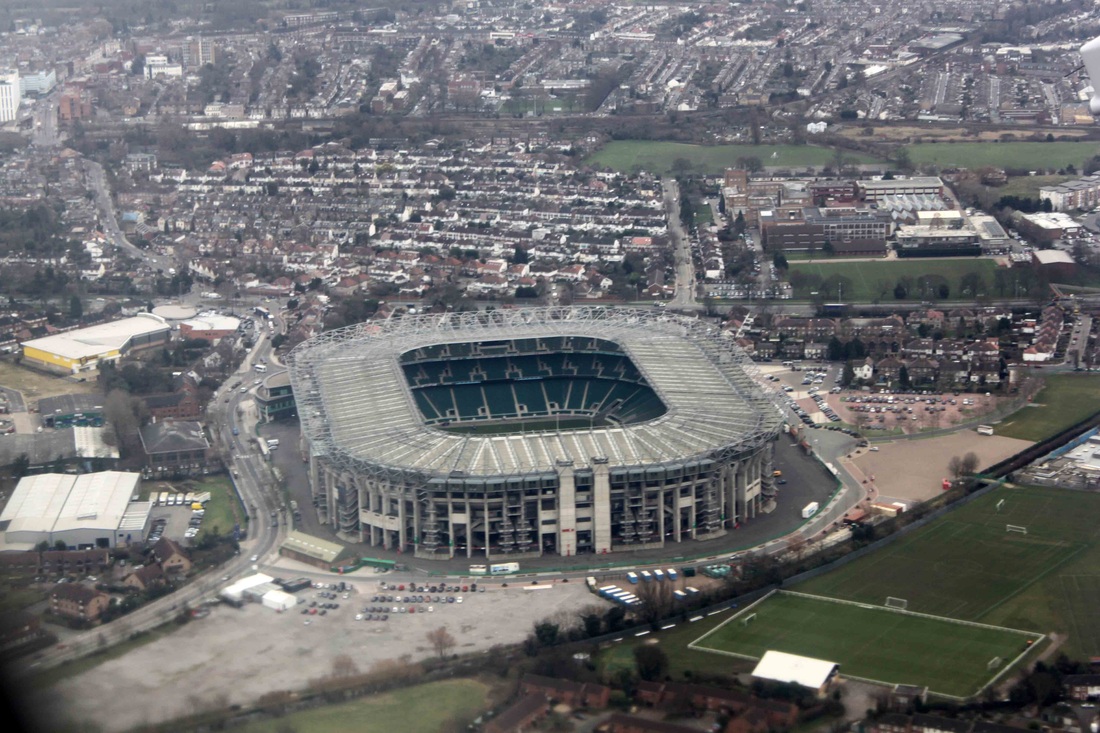 Though China is going green, it is still very hazy around the big cities such as Beijing. The capital city was smothered in thick smog for weeks until a day before the start of the Chinese New Year celebrations (23rd January). If you were to fly over big cities such as Guangzhou, Beijing and Shanghai, say five years ago, you’d never see the ground due to the smog and haze. On my stay last week during the Chinese New Year, the fireworks did not really help to make the situation any better. Beijing authorities started to release hourly account of PM2.5 levels just as year of dragon celebration began, and it just got worse as predicted. PM2.5** are tiny particulates released by car exhausts and factory chimneys that raise the risks of lung diseases, heart problems and dementia. On the whole, since the Beijing 2008 Olympics, there has been some improvement. However judging from the recent PM figures, it will take a LONG time before we get to see a blue sky on a regular basis. The good news is that at the start of 2010, around 8.6% of total energy consumption in China was from renewable sources, (it’ll be around 20% within 10-12 years*). The country is also on course to reduce its power consumption by 20% in the five years to the end of 2015. Their initiatives include building high-tech, comparatively cleaner, coal-fired power stations, as well as introducing other alternative technologies such as wind power (and even Nuclear Energy). The latter is on course to be on target for the year 2025 with at least a six-fold increase in increase in electricity from wind power. Until that happens, I think it’s best to wear a face mask as I had to do with during my 4 day stay in the capital (there is no shortage of these). * Source: China Daily/Xinhuanet ** Source: The UK Guardian  The author tries his best to cope with the Beijing smog! 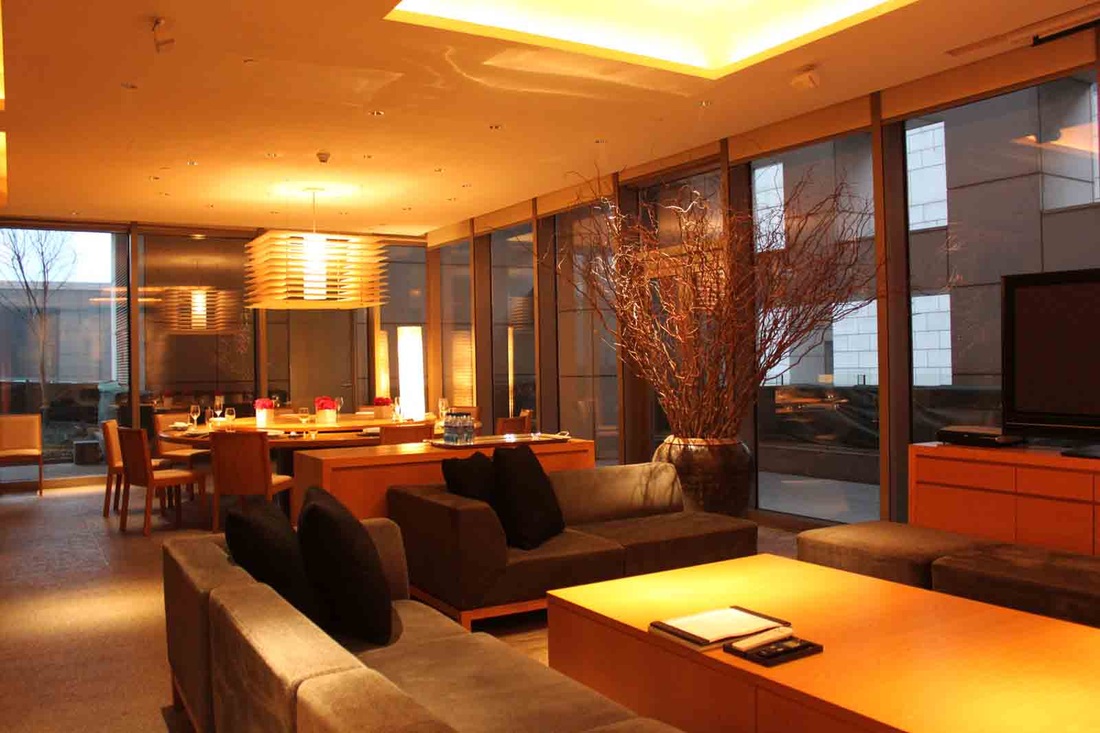
Park Hyatt Beijing: Photo Copyright Navjot Singh
From what seems as if it’s a large ancient Chinese coin from the distance is actual fact the top square shaped part of the prestigious Beijing Yintai Centre that houses the contemporary designed Park Hyatt Beijing with its 246 guestrooms and suites. Opened on the 18th of October 2008, the luxurious hotel is ideally situated right opposite the China World Trade Centre, and the futuristic CCTV building in Gaomao. It’s strategic location right on the highly prestigious Chang’an Avenue (which goes straight to Tiananmen Square), and next to Gaomao metro station gives the hotel a upper hand advantage to being well connected to all parts of Beijing, including being only 40 minutes from the international airport by car (when the traffic is not so bad). The main entrance is actually hidden at the back of the hotel at Jianguomenwai Street, and is perfect for A-listers and celebs who want a bit of privacy when they come to reside at the hotel. The lobby itself is located on the 63rd floor, offering spectacular views across to the whole of the metropolis on a clear day and night. On a clear day, guests can see the main sights of the capital with the naked eye, including the Summer Palace, Forbidden City, Tiananmen Square, Tian Tan and the international airport. The rooms are designed to offer the maximum of comfort for the guests, and everything just seems to be working around you and for you. Then you have the beautiful creature comforts that will leave you feeling totally spoilt. These include such luxuries as the heated toilet seat that automatically opens its lid once you enter the bathroom, the oversized rain shower, the extra wide Roman spa inspired bathtub cum Jacuzzi, heated floor in the bath, DVD player, Espresso machine, and the extra comfortable 600-thread cotton duvet in which you can snuggle into. Not to mention the personal safe large enough to house a laptop, and a built in laptop charger, dual-line telephones, mood lighting, and even a humidifier upon request. No matter how many times you enter the room there is that sheer ‘wow!’ factor that exemplifies the detail to immaculate attention that has been paid by the hotel staff. The essence and ethos is to create a sense of belonging so that this may become your home for the next 24 hours or more. It’s a kind of luxury that you can divulge into after a long flight or for a well-deserved rest away from your normal everyday surroundings. Smooth creamy and white colours adorn the walls and the marble flooring. Oh, and what can go wrong when you are provided with what essentially is a studio-house style room in the best location in the capital city of the world’s fastest economy. The Park Hyatt Beijing is a one-stop hotel for all the personal needs of human life. Take for example the 24-hour gymnasium at the 6th floor, and the stunning 25-metre swimming pool, and the Tian Spa (also on the 6th floor) with five spa suites and rooms offering a collection of pampering treatments to cool down those tired heels. In terms of food, you can’t go wrong when you are presented with a few magical treats such as the China Bar on Level 65; a stylish, atmospheric space for drinks and live jazz, while, on the very top floor at Level 66, the China Grill is an informal, internationally renowned eatery with a soaring glass pyramid ceiling. Somehow, it has to be the most magical places out of the whole hotel because the ambiance just captures all the senses with a magnetic touch. Connecting the base of the three towers of the Beijing Yintai Tower, from the lower ground floor to Level 6, is Park Life, which was created by the well-renowned Japanese interior design firm SuperPotato. He highlight of the restaurants is The Private Room at Level 5, positioning itself as the most exclusive business entertaining venue in Beijing. With all these fine ingredients of dining, pampering and entertainment, the Park Hyatt Beijing proves to be a dynamic accommodation providing the finest in luxury lifestyle so that your stay is made as smooth and hassle free as possible. 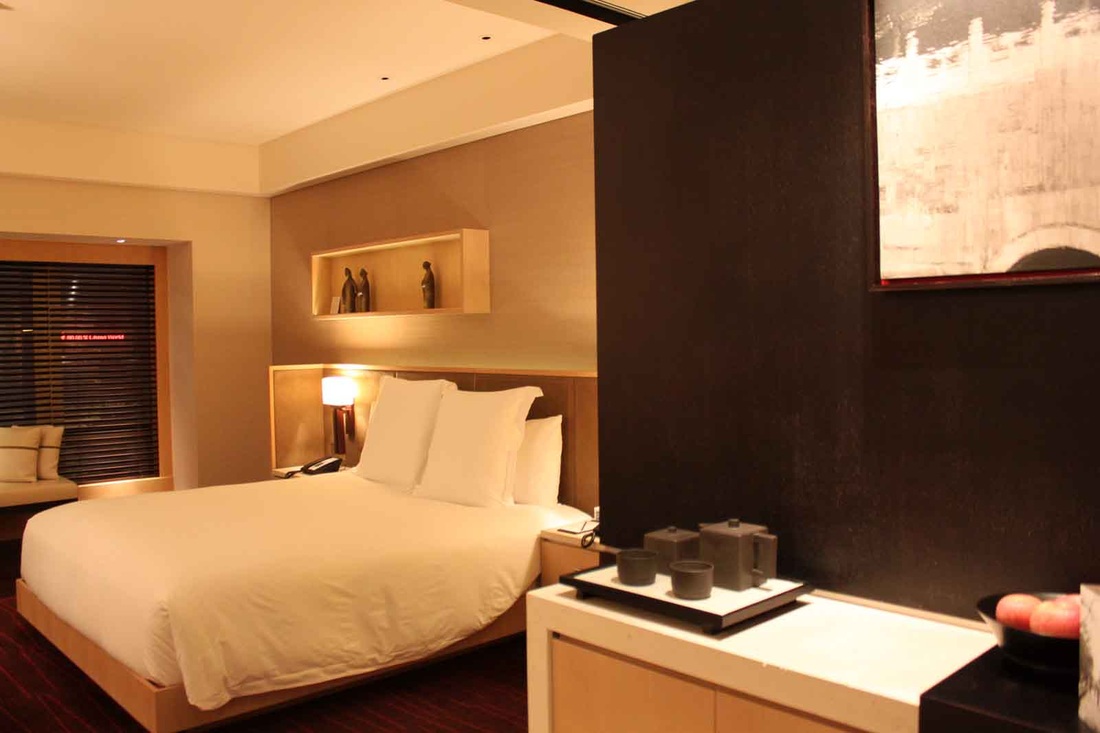
Park Hyatt Beijing: Photo Copyright Navjot Singh
Park Hyatt Beijing: Photo Copyright Navjot Singh
Park Hyatt Beijing: Photo Copyright Navjot Singh
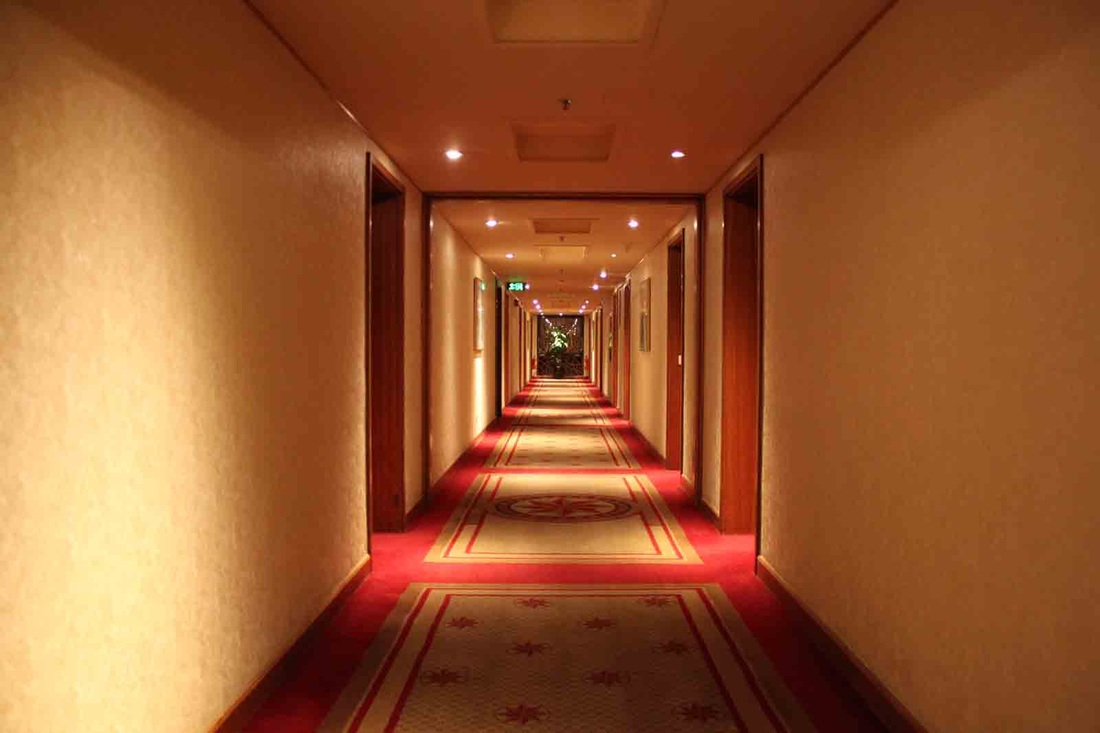
In all my time in China I have seldom had the real opportunity to stay in the country during the festive Chinese New Year season (normally around the late January and early February area). However all that changed this year. I had initially planned not to stay in Beijing and was going to head straight to London from Chongqing (I was supposed to be on the Qatar Airways flight from Chongqing to London (Via Doha)). But destiny allowed me to change my plans at the last minute, and this special window opportunity allowed me to stay in Beijing for FOUR days until the late evening of the 22nd (early morning 23rd January actually). This gave me plenty of time to refresh myself about the sights and smells of China's capital city. I have been to Beijing in the winter before but only for a day or so- never had the luxury to stay for 4 days. On the day I had been due to go to Beijing, first I missed my flight from Shanghai (part of it was my fault for not checking out of The Ritz-Carlton Shanghai Pudong on time, and secondly I had to thank the ever great Shanghai morning rush hour traffic). I managed to take the Maglev train to the airport, and thankfully was put on the next available flight (there are 22 flights between Beijing and Shanghai everyday so no worries on that account!). Now, if I thought that the traffic in Shanghai was bad enough, I had a very good surprise waiting for me in Beijing. It took me at least 2 and a half hours to get to the ultra luxurious Park Hyatt Beijing in Guomao area. This included an exciting taxi ride (almost as exciting as in Guangzhou ... but less than Bangkok), where thanks to my impatient taxi driver, I had to change taxies in the middle of my ride (the first taxi driver refused to drive into the heavy traffic). Just like it's wretched road traffic conditions, Beijing weather can also present some ugly surprises of its own. The first two days it stayed as foggy as the shades of Aladdin’s lamp, and then the next two days it become thankfully more clearer, but more bitterly cold (but not as cold as places like Suzhou where the cold just gets into your bones- extreme). I managed to make the most of the weather, going to places I had to before to refresh my memory (Shangdi, Wangfujing, Xidan, Guomao, and others), while also exploring areas that I had not been to before (Olympic Park- which is just dormant nowadays). The highlight of it was witnessing the non-stop fireworks display at midnight on the 22nd January from the waiting gates at Terminal 3 of Beijing Capital Airport. The whole airport, and its staff members came to a complete standstill for around 20 minutes (even the pilots and baggage handlers stopped) to witness the fireworks. The backdrop music of opera singing coming from the state owned CCTV1 echoed throughout the terminal. Below are some of the photos of this beautiful city, enjoy: 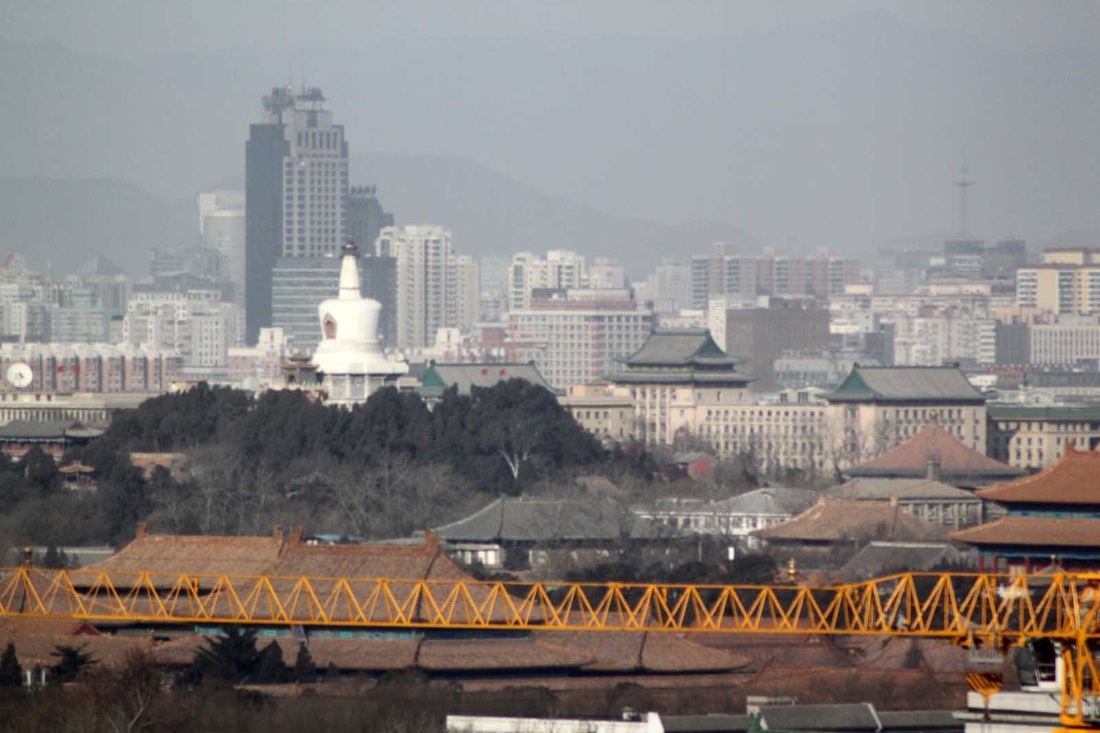 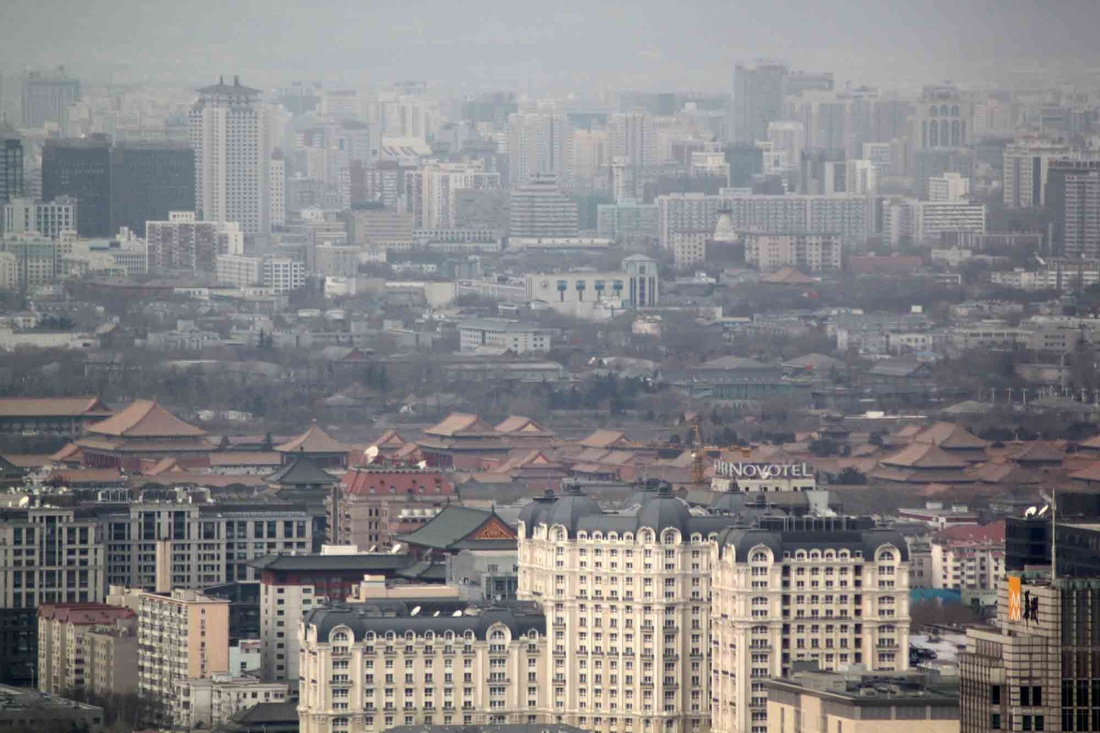 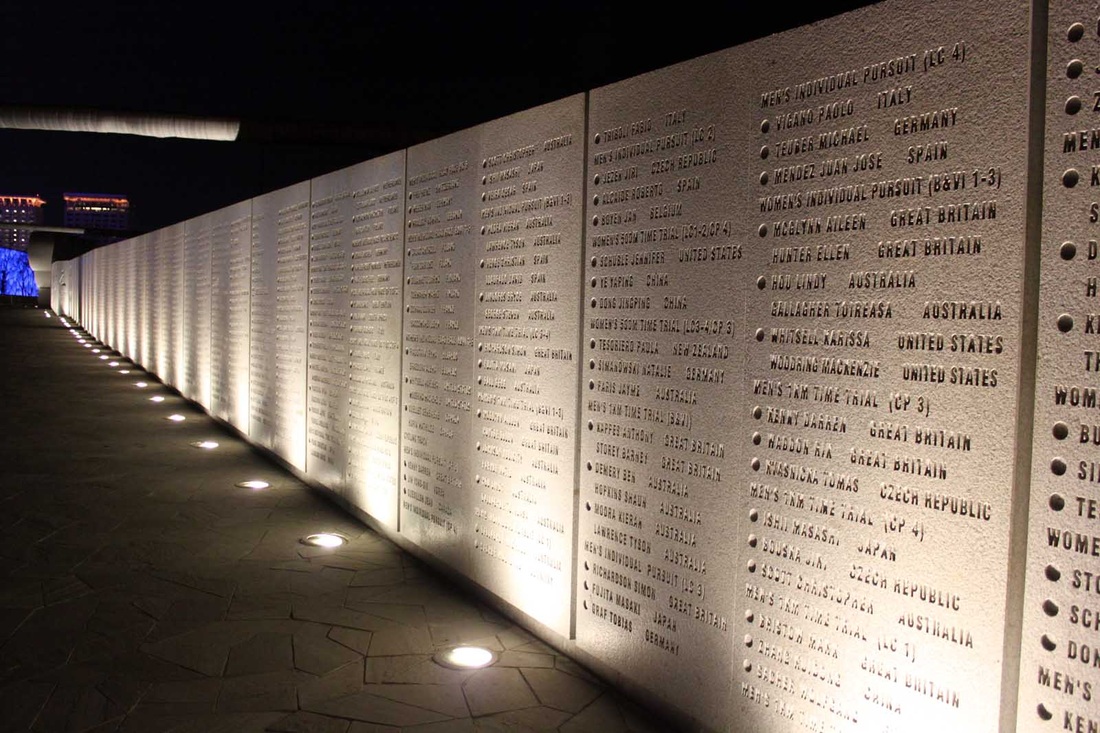 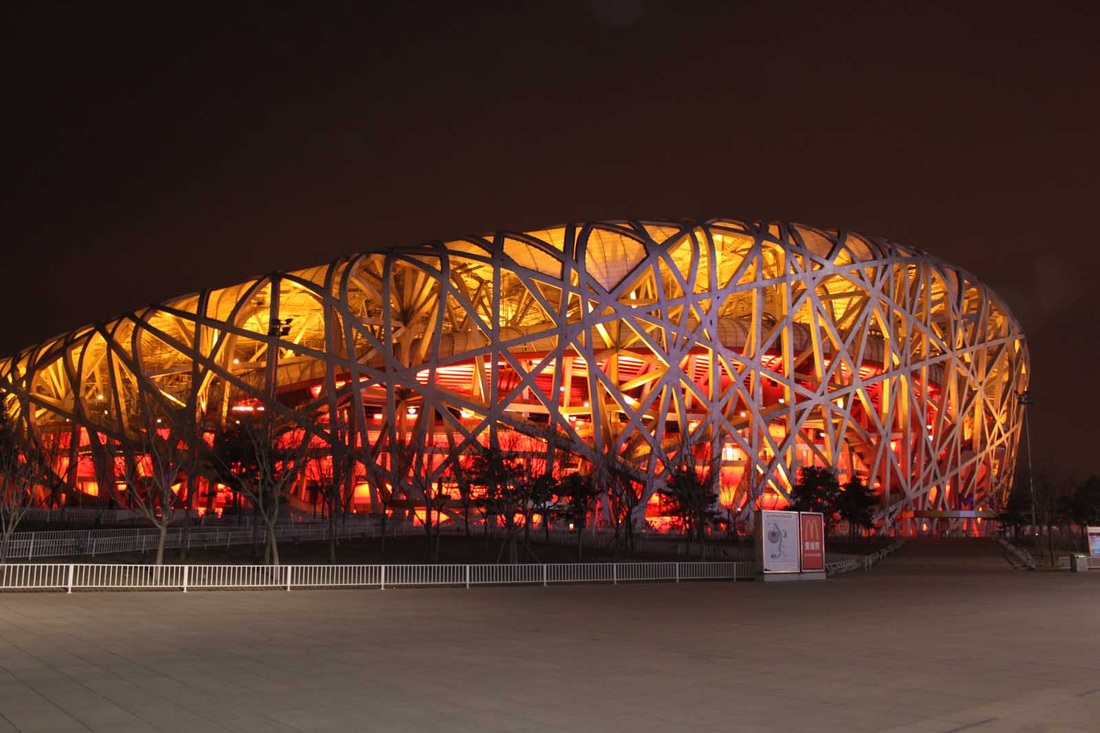 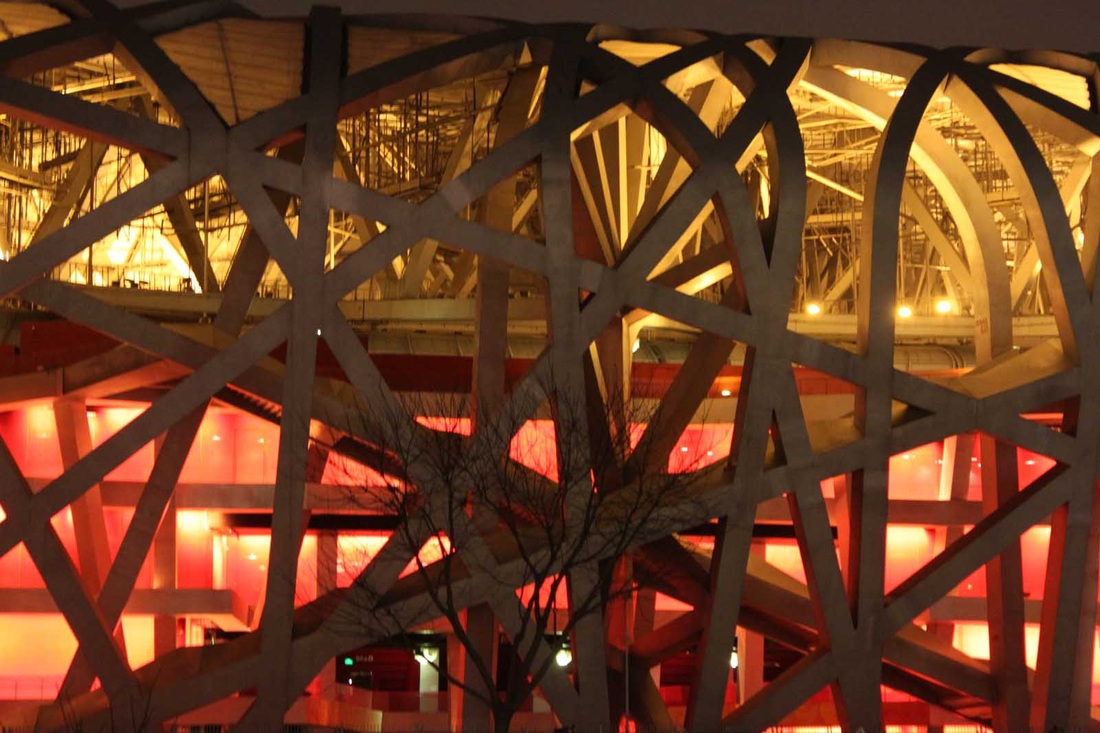  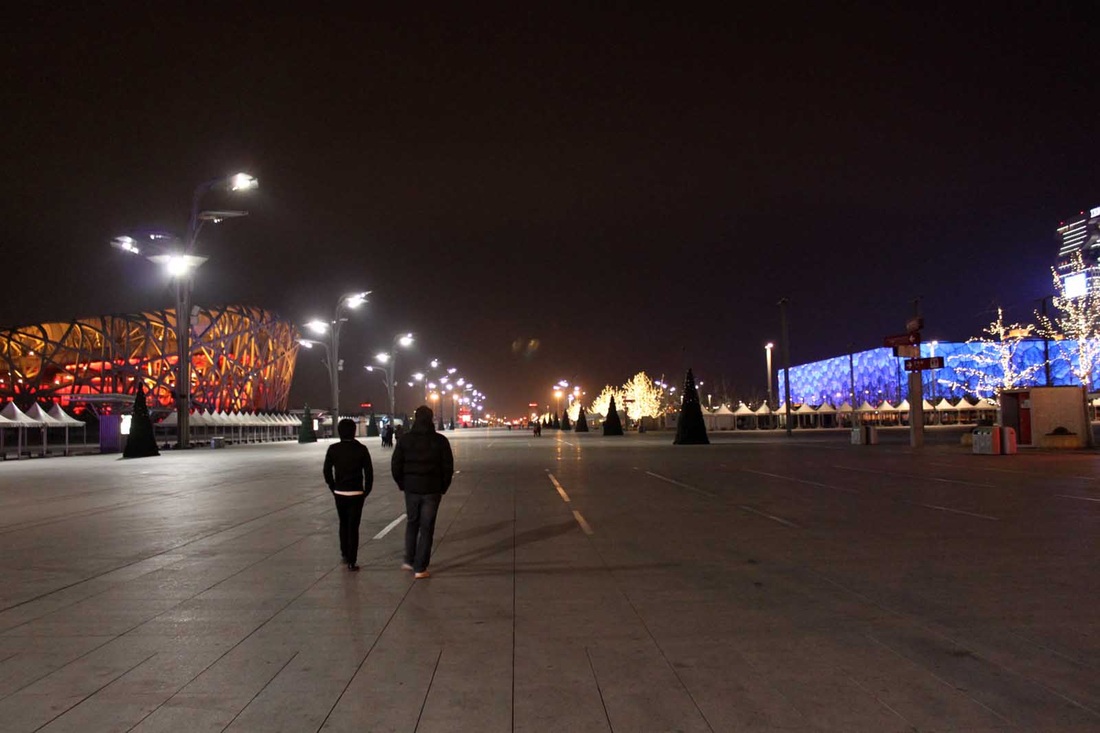  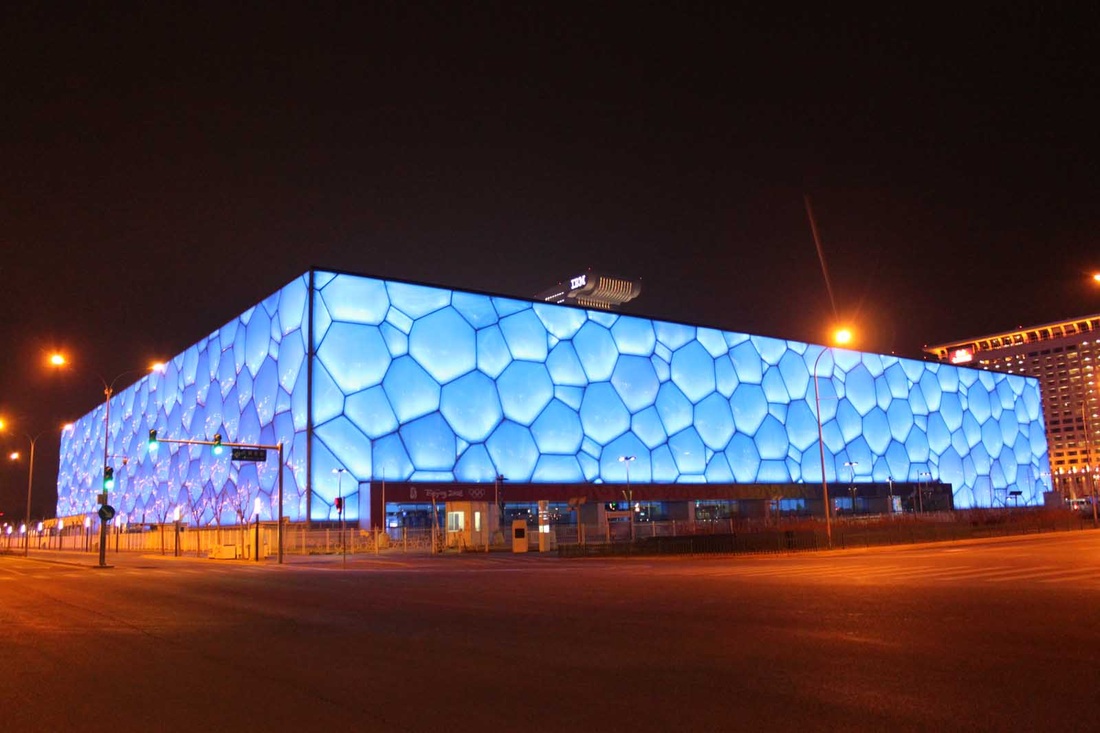 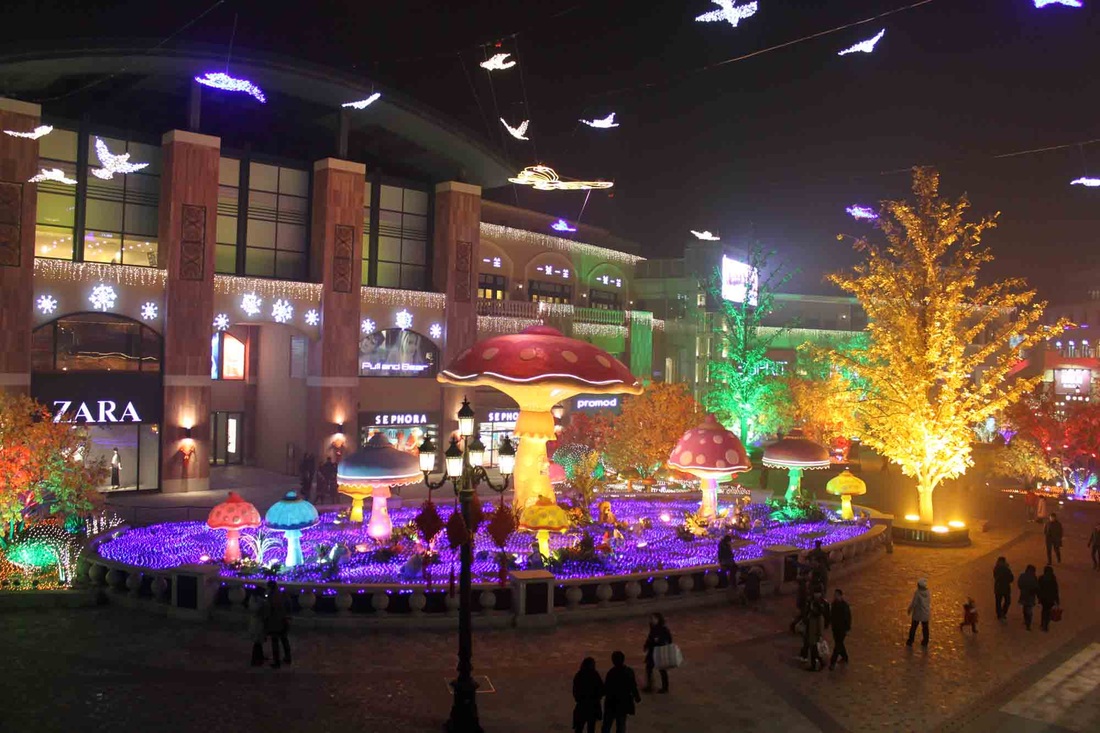 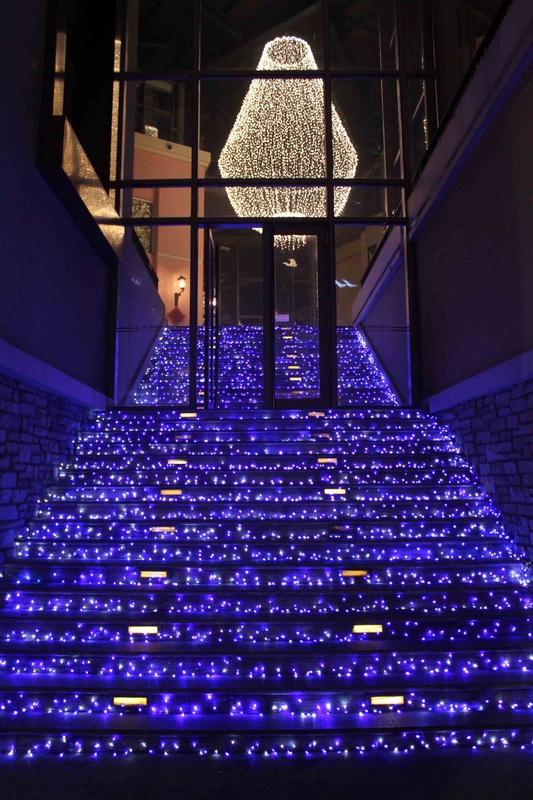 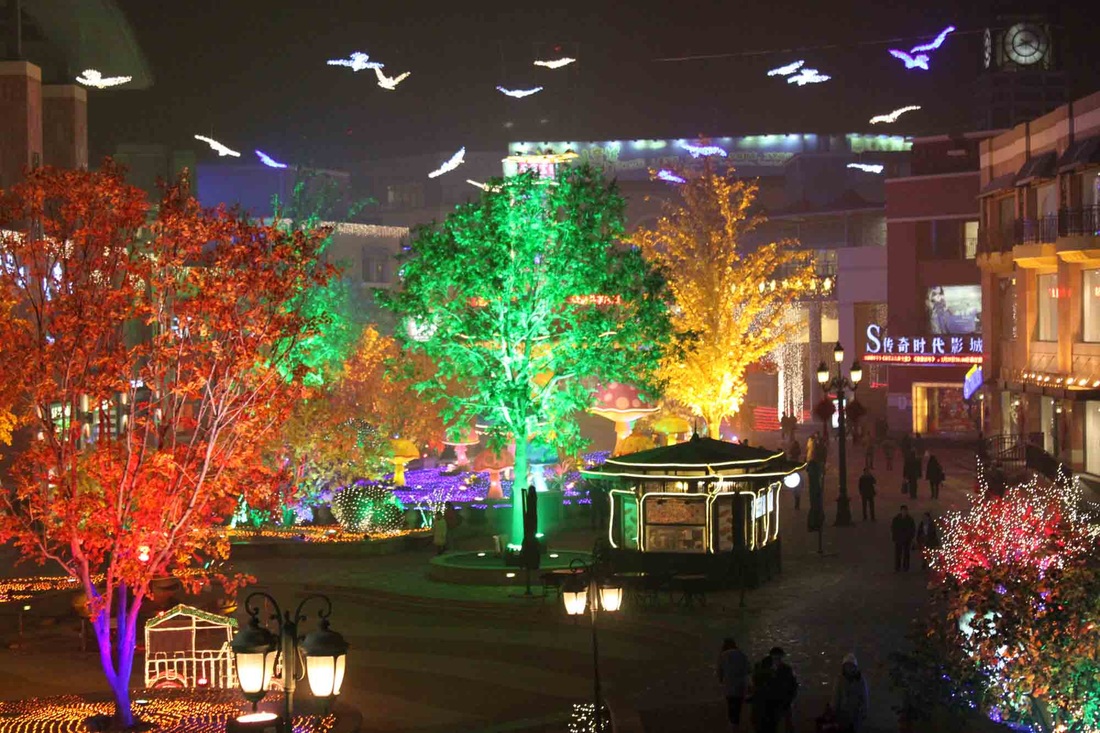  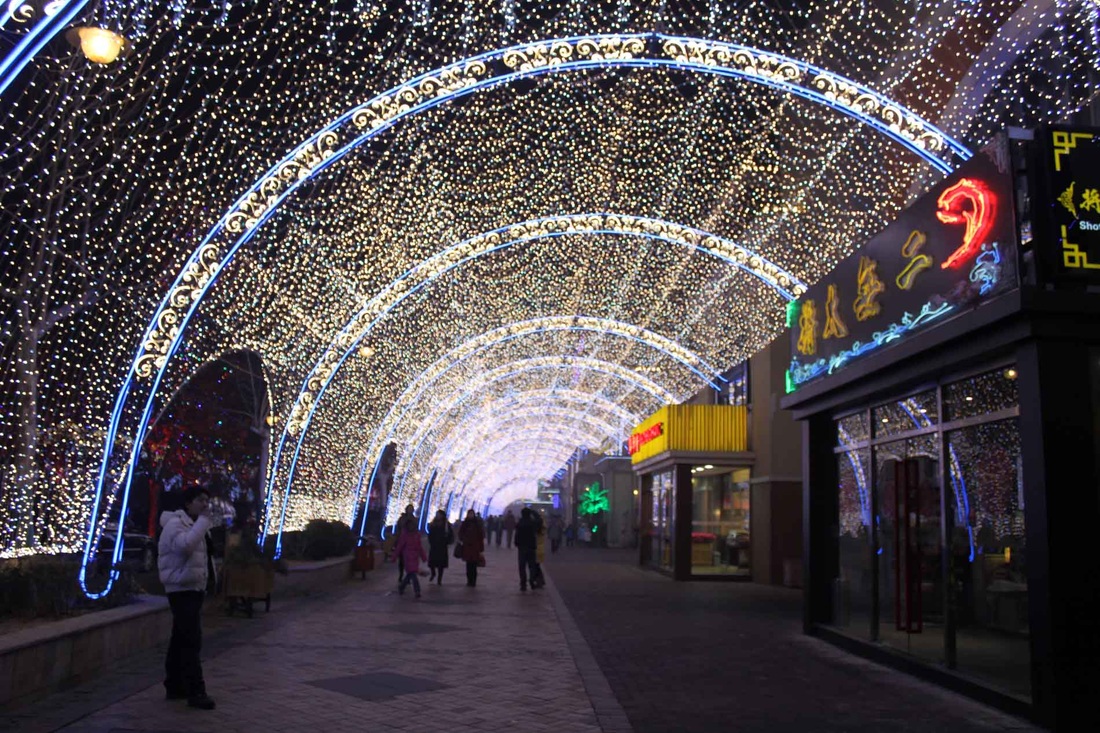  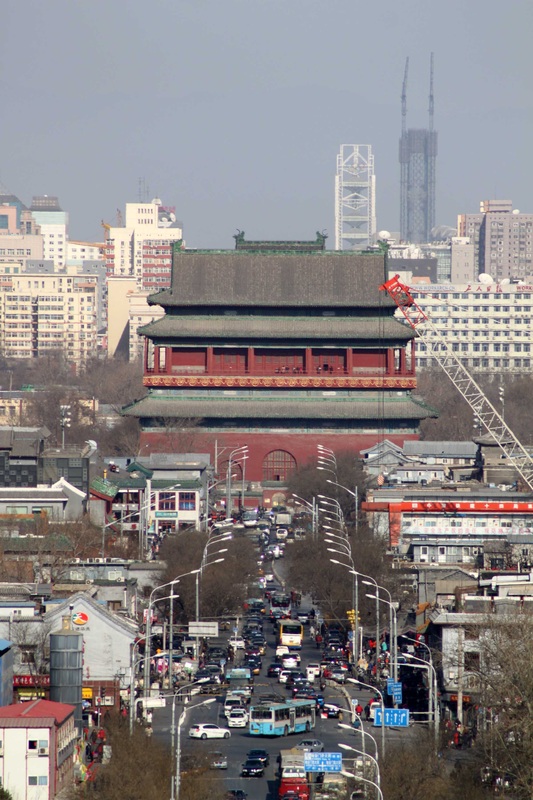 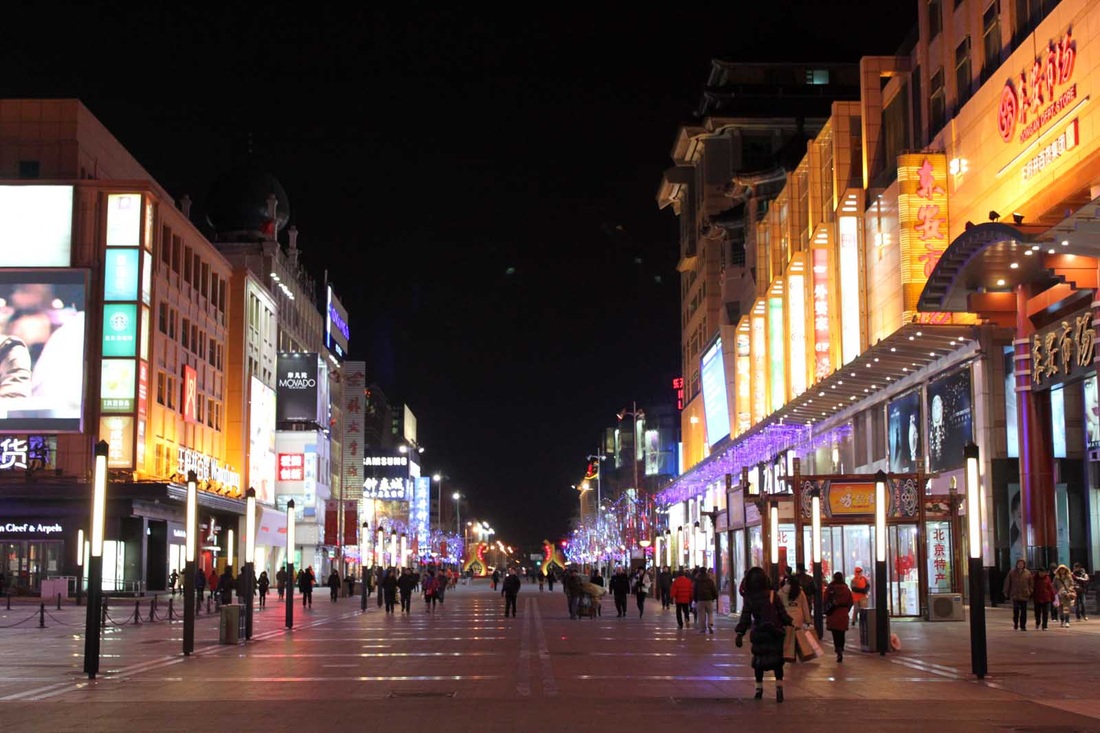 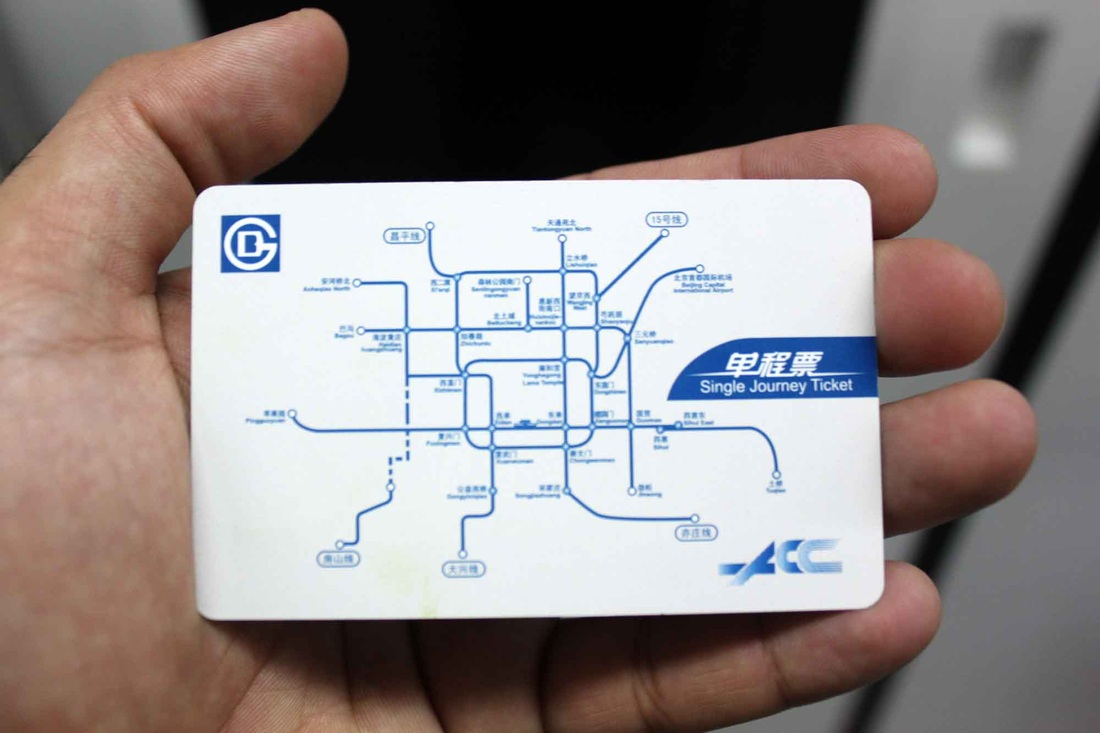 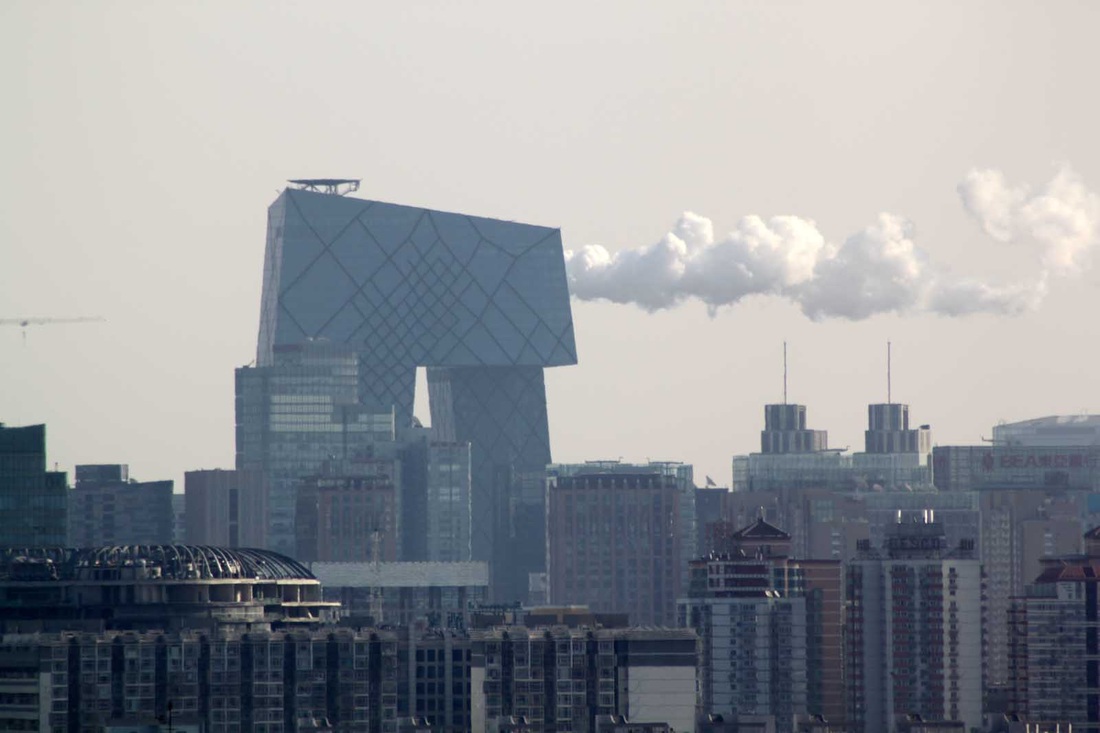 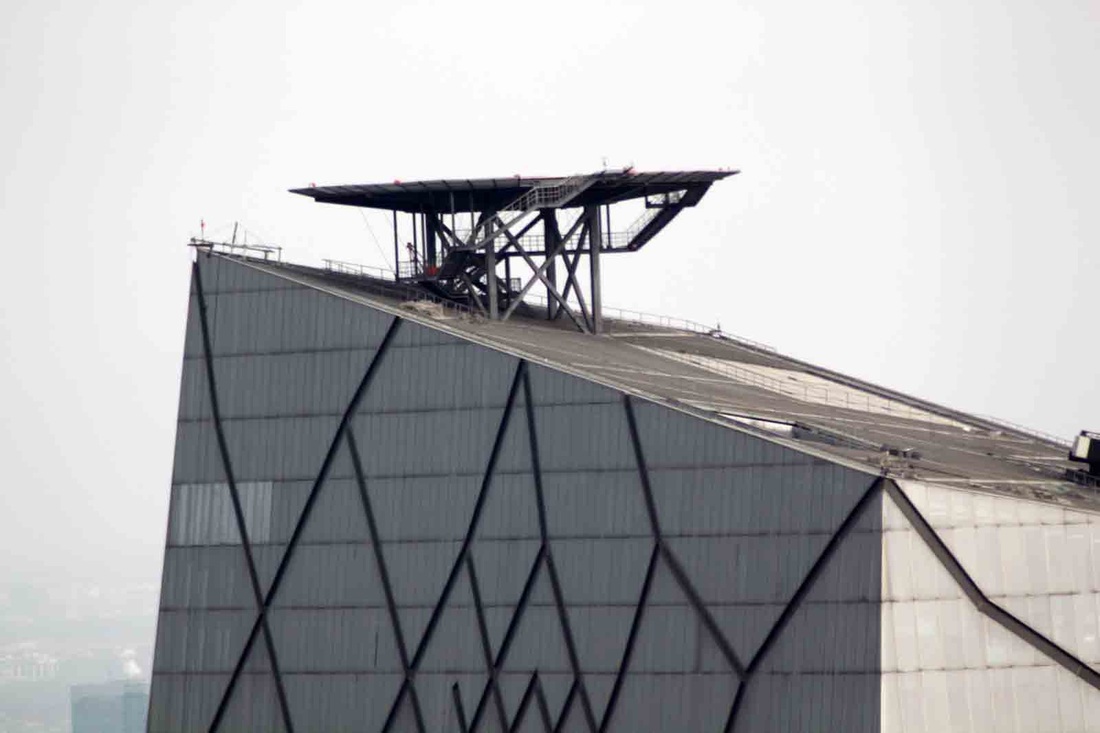 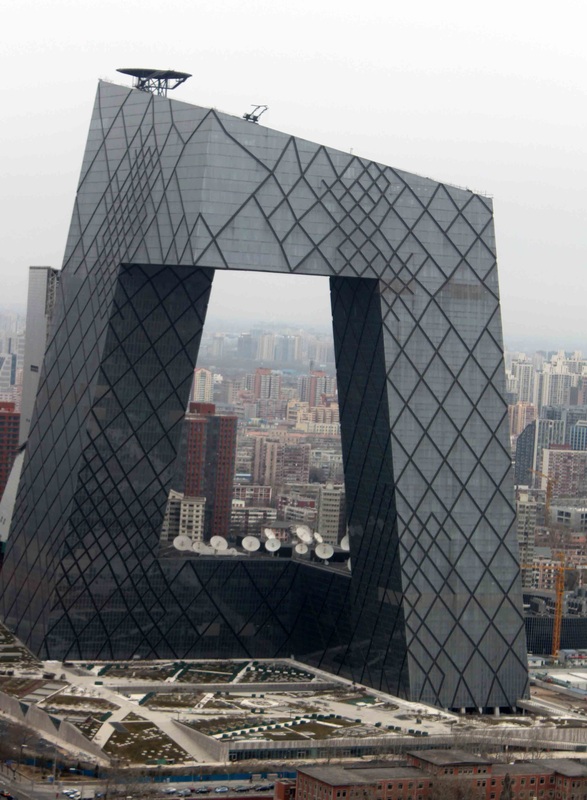 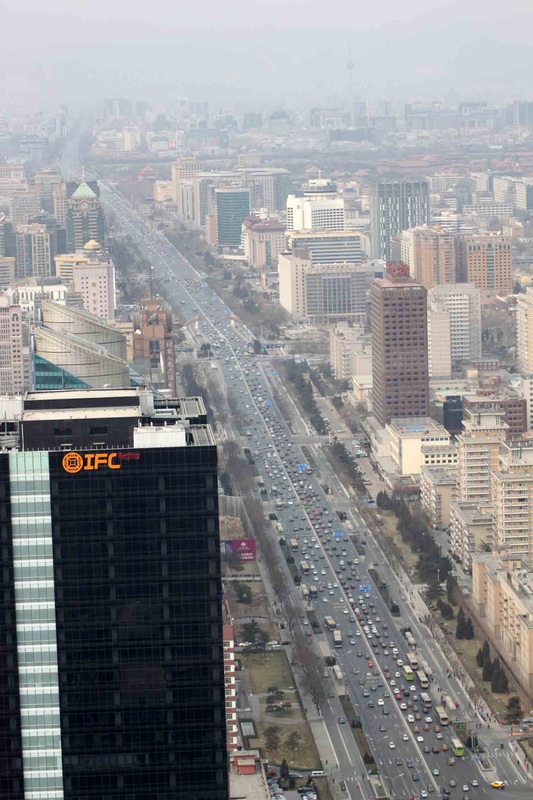  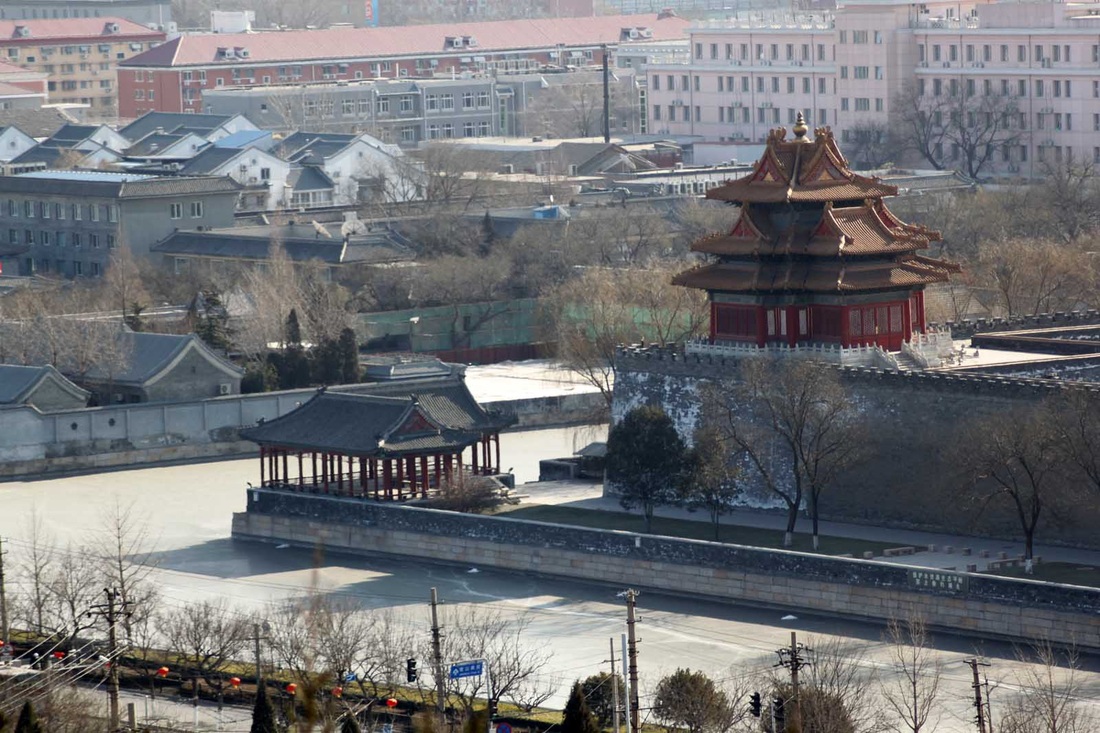 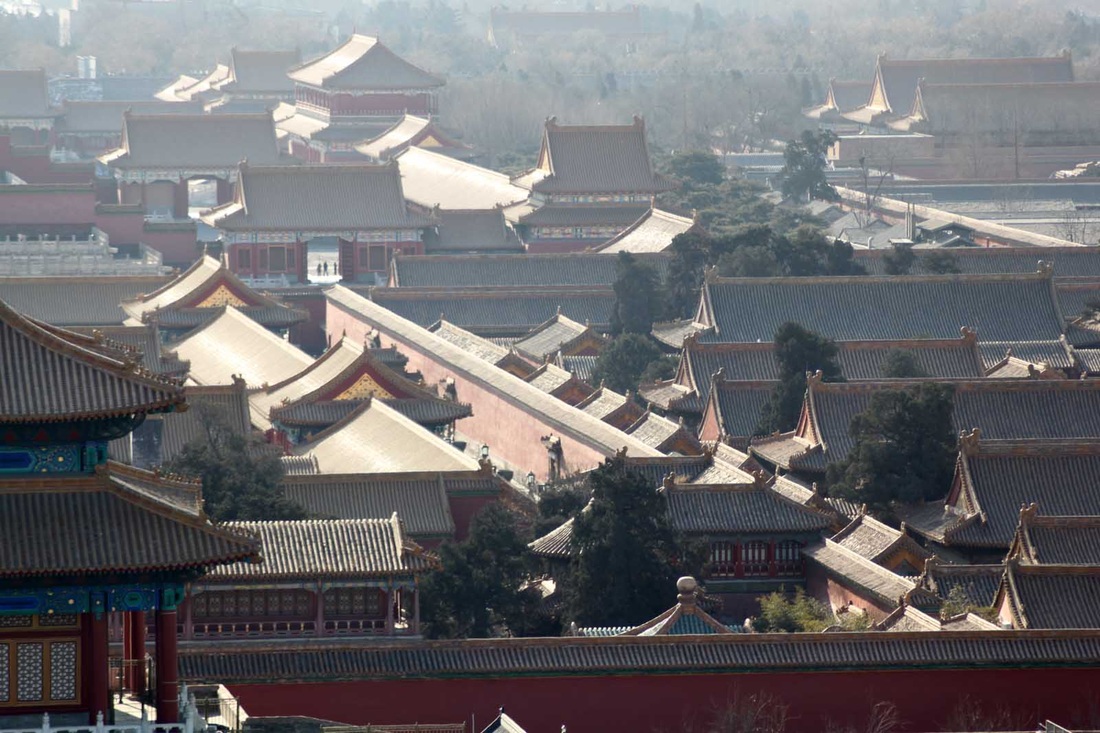  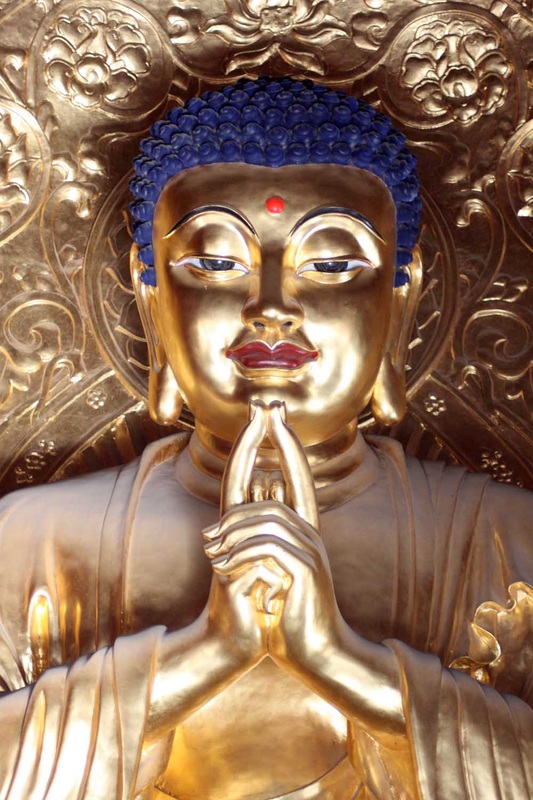  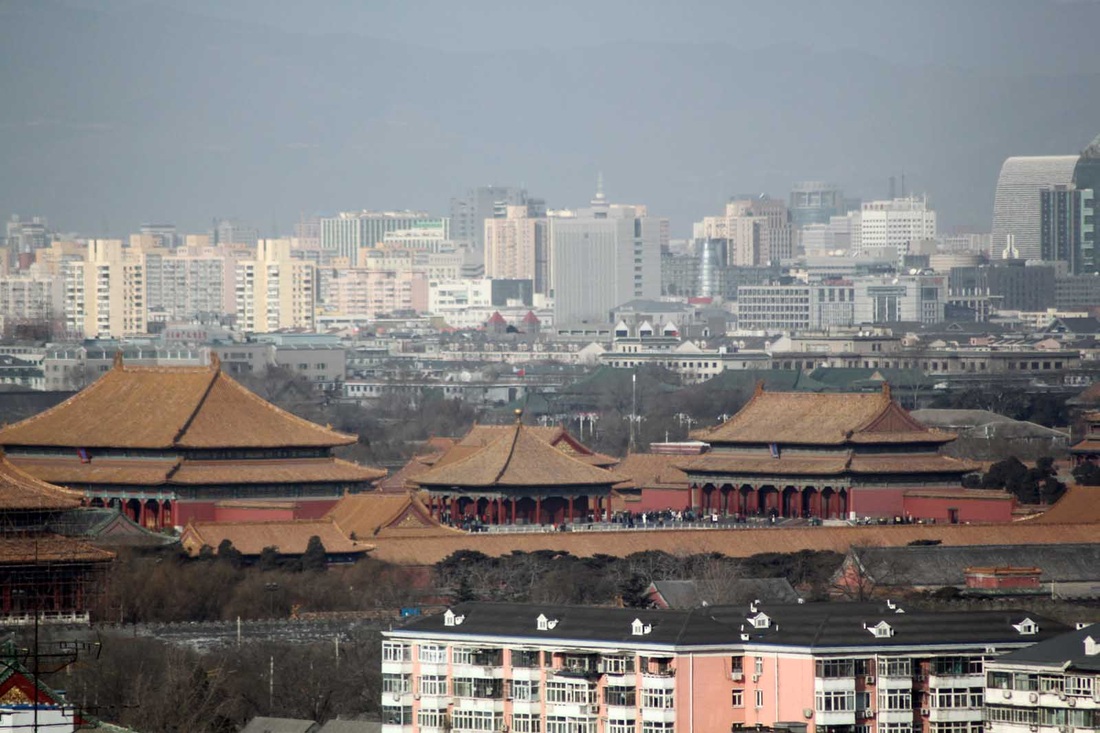   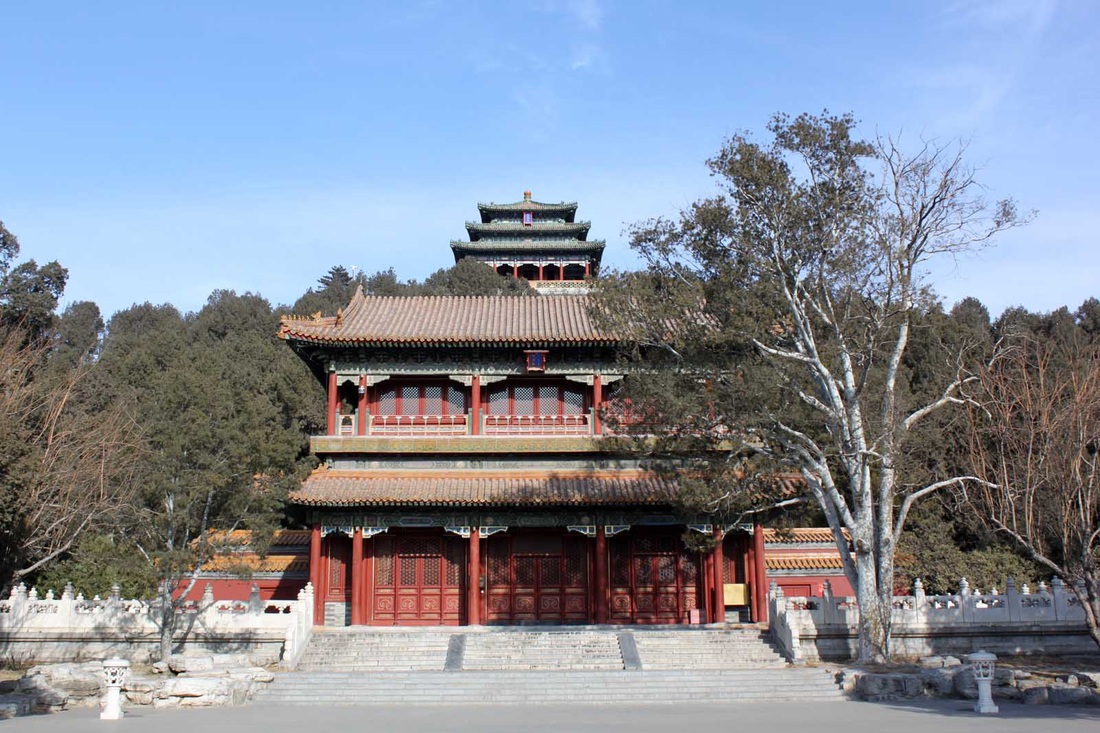 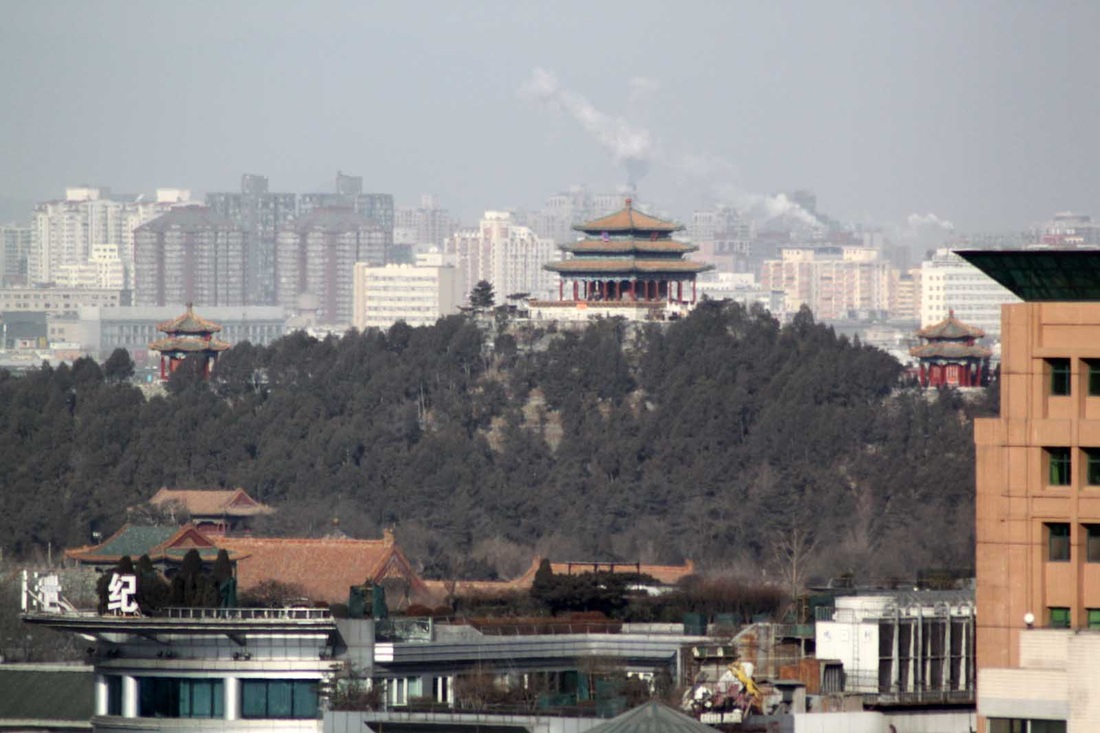 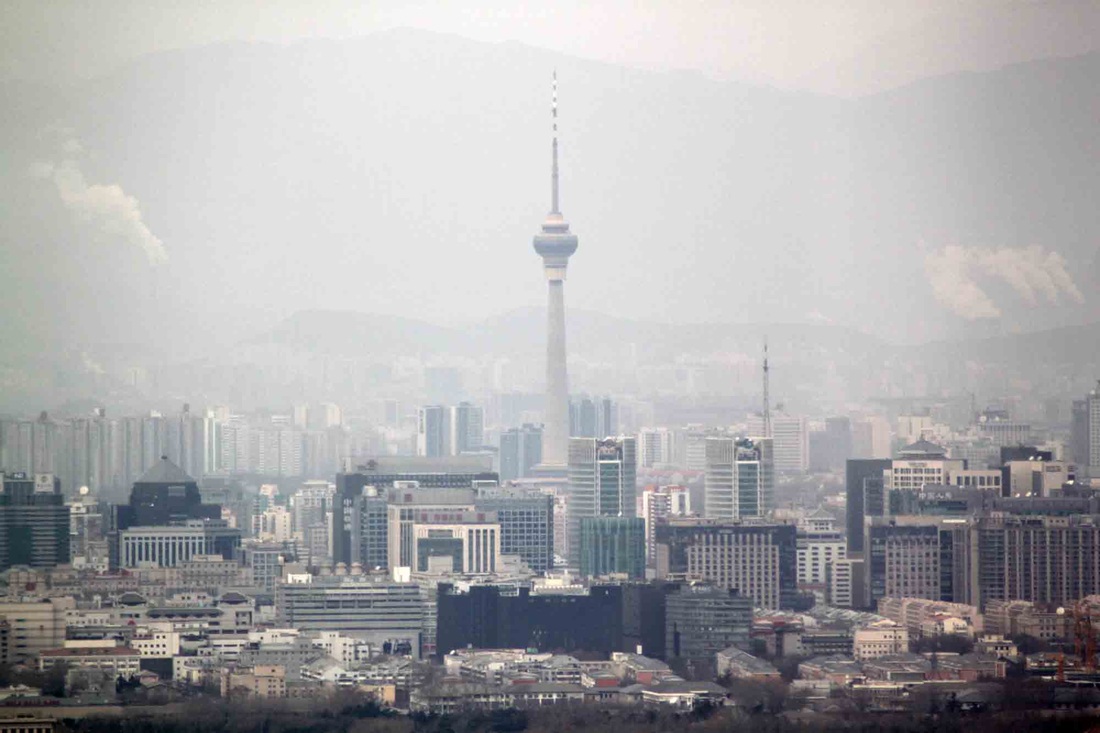 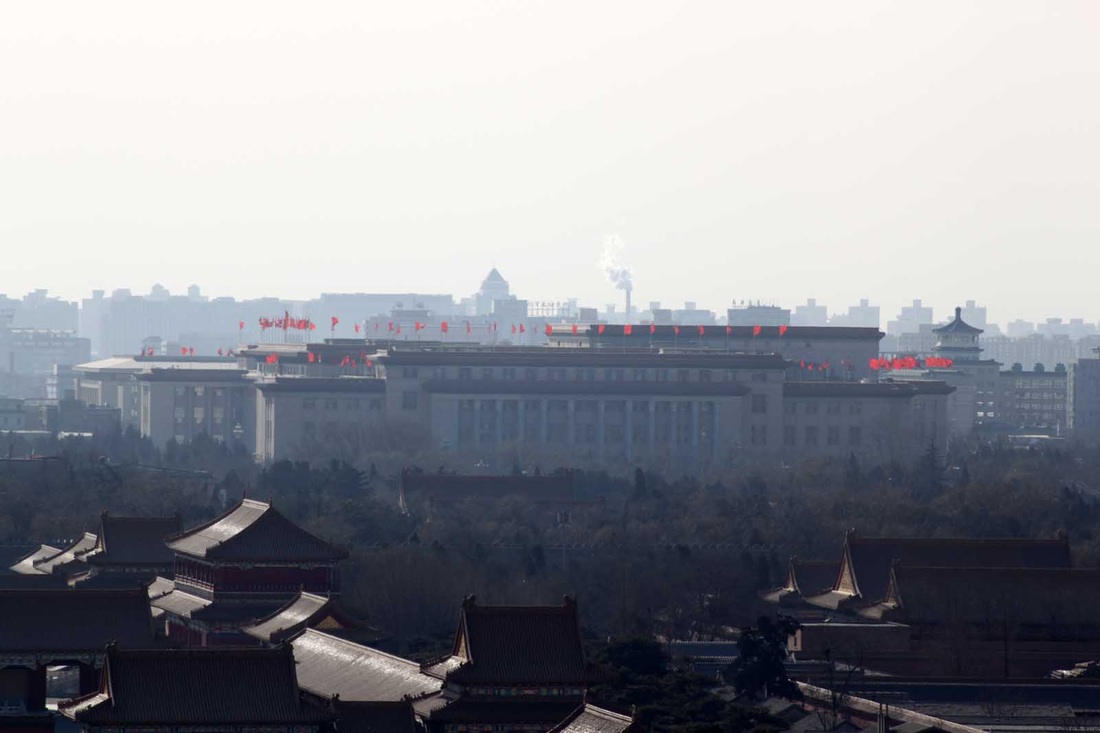 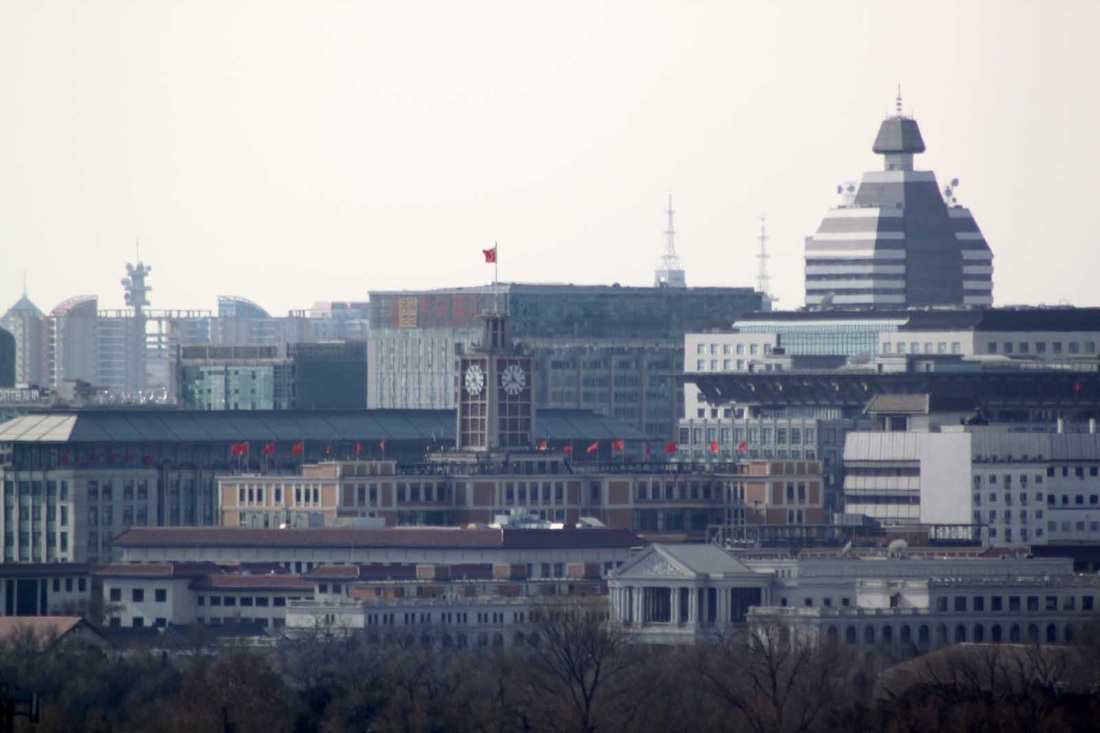 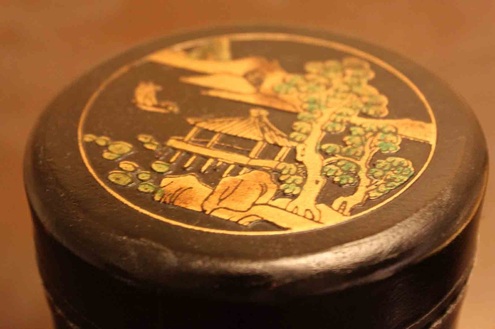 The Ritz-Carlton, Beijing was my final Ritz-Carlton property to review (for the moment, until other Ritz-Carlton properties open in China), and I am glad I had waited to review it last (not that I wanted it to be the last one to review!). Why? Well, the interior architecture, and furnishings portray a nostalgic sense of what a true Ritz-Carlton property should be like. So, yes, good things do come to those who wait! Opened in December 2007, this luxury hotel is not quite as modern as The Ritz-Carlton Beijing, Financial Street. Nevertheless, with its 305 well-appointed guest rooms, including 38 suites and 61 Ritz-Carlton Level rooms, it does offer something for everyone from businesspersons right the way through to luxury travellers who prefer a touch of elegance on their travels. The Ritz-Carlton, Beijing is contemporary, yet designed with comfort and relaxation in mind. The Ritz-Carlton, Beijing is situated in the capital city’s new business hub, known as China Central Place. Centrally situated in one of Beijing’s most fashionable areas and adjacent to Shin Kong Place shopping centre, The Ritz-Carlton, Beijing offers guests unparalleled convenience while providing a luxurious stay. If you are looking for a bit of calm within the craziness of Beijing’s city life, then The Ritz-Carlton, Beijing could be the place to stay. No matter what the weather outside, rest assured that with the automated temperature controls available in all the rooms will keep you in comfort throughout the four seasons. All the rooms are attractively ornamented in warm, earthly tones that imparts a sense of cosiness and intimacy to guests. Just some of the luxuries of life include the signature Ritz-Carlton 600-thread linens and featherbeds, state-of-the-art in room facilities including iPod®, 42-inch flat screen LCD television and, internet access (wired and wireless). It’s true that from the moment that you step inside your room, you will feel the grandeur envelope you, and draw you into a world of sheer comfort, and perfect security. The hotel is a key preferred accommodation by many distinguished celebs, CEOs, and foreign Royalty. Some of the key reasons for this include the excellent security it provides, it’s close proximity to all the government and corporate offices in Beijing, and it’s only a 30-minute ride to the international airport. Naturally, these aren’t the only attractions on offer. The Ritz-Carlton, Beijing also has a host of luxurious leisure facilities, such as The Ritz-Carlton Lounge, which is exclusively reserved for Executive Club guests who can indulge themselves in complete privacy. I’ll be the first one to say that nothing beats the feeling of sitting at The Club Lounge, and drinking a fine glass of Bombay Sapphire. It would be a blameless affair with the drink as the chefs at The Club Lounge serve the tempting ‘too good to say no’, all-day light buffets. Oh maybe a dip in the beautiful pool is on the cards for you? Located on the top floor is the indoor heated pool and Jacuzzi with an illuminated roof, where guests can soak or swim at their leisure. You may even find that a nice sauna session after working out at the gymnasium is equally refreshing. Located at the same level is The Ritz-Carlton Spa, spread over a spacious area of 2,500 square meters. The Spa is divided into Ladies and Gentlemen resting areas. It features nice treatment rooms that including six single lavish treatment rooms with an Aqua Bed, two Couple’s Suites, and a Manicure & Pedicure Salon. If you have just arrived from faraway lands, and are jet-lagged (and tired), then I would highly recommended you commence with a 30-minute Tension relief back massage (costs 380RMB at the time of writing), and then follow it up with a 60-minute Aromatherapy Facial (costs 1000RMB at the time of writing). This combination of a gentle and calming massage on the body and face using a variety of luxury products is to make you feel fresh, restore your inner self, and to neutralize your skin, and restore its natural appearance. It was so good I fell into a deep sleep (I had to be physically woken up!). Breakfast can be enjoyed in the comfort of your room, or at Aroma at lobby level, the all day dining restaurant that offers international gourmet experiences featuring mouth-watering Chinese, Indian, Japanese, and Southern Asian and Western dishes from an open kitchen setting. Now, if that’s not enough to fill your appetite, then for lunch or dinner there are two more dining options available on the 2nd floor, Yu (Authentic Cantonese), and Barolo (Classic authentic Italian). Fancy a Cigar? Then head off to the lavish Davidoff Lounge. The Ritz-Carlton, Beijing is one of the few Ritz-Carlton properties that specialises in providing authentically imported Cigars of high quality (The Ritz-Carlton, Guangzhou is another one). The Lounge is a luxurious haven to bask in the unmatchable pleasure of exclusive cigars, choice wines, and live entertainment. In fact, apart from the above, the key things that really make The Ritz-Carlton, Beijing a firm favourite among Chinese guests is that it’s one of the only hotels in the city that offers excellent one stop shop for weddings (including a wedding chapel). The hotel features more than 1,100 square meters of meeting and conference space, including a Grand Ballroom, six function rooms, three meeting rooms, one boardroom, and the only wedding chapel within the hotel in Beijing. Therefore the wedding experience at the hotel is all-encompassing; the Chapel features a preparation room, separate resting rooms for the bride and groom, an outdoor Rose garden where wedding cocktails can be held. In 21st Century China, Chinese people are spending BIG MONEY on their weddings (much more than they would on their honeymoons!); and so there is no better way to say ‘I do!’ than to walk down the aisle in style in front of your friends and family (or the who’s who of Beijing), at The Ritz-Carlton, Beijing. Evidence of this struck me straight in the face- while I was residing at the hotel I witnessed two simultaneous weddings. So, yes, this is the place to be at if you want to get married in Beijing. The hotel features more than 1,100 square meters of meeting and conference space, including a Grand Ballroom, six function rooms, three meeting rooms, one boardroom, and the only wedding chapel within the hotel in Beijing. The wedding experience at the hotel is all encompassing; the Chapel features a preparation room, separate resting rooms for the bride and groom, an outdoor Rose garden where wedding cocktails can be held. An opulent and personalized wedding can be staged in the Grand Ballroom. The hotel offers a one-stop-shop service by collaborating with some of Beijing’s premier wedding service providers including beauty stylists, wedding gown couturiers, photographers, floral designers, and jewellers. The impeccable service of The Ritz-Carlton, Beijing, is further executed by the multi-lingual concierge team, and personalised service that is unmatchable anywhere else. So in many ways, a stay at The Ritz-Carlton, Beijing is perfect for you whether you are sight-seeing, have a night in town (oh we love Beijing Duck!), or simply just get away from the stress of life and soak in the surroundings of the beauty of your room. Whatever tickles your fancy, the property is definitely designed to last through rapidly changing times and trends that will encompass Beijing for years to come. So, how can you resist falling into the lap of luxury? 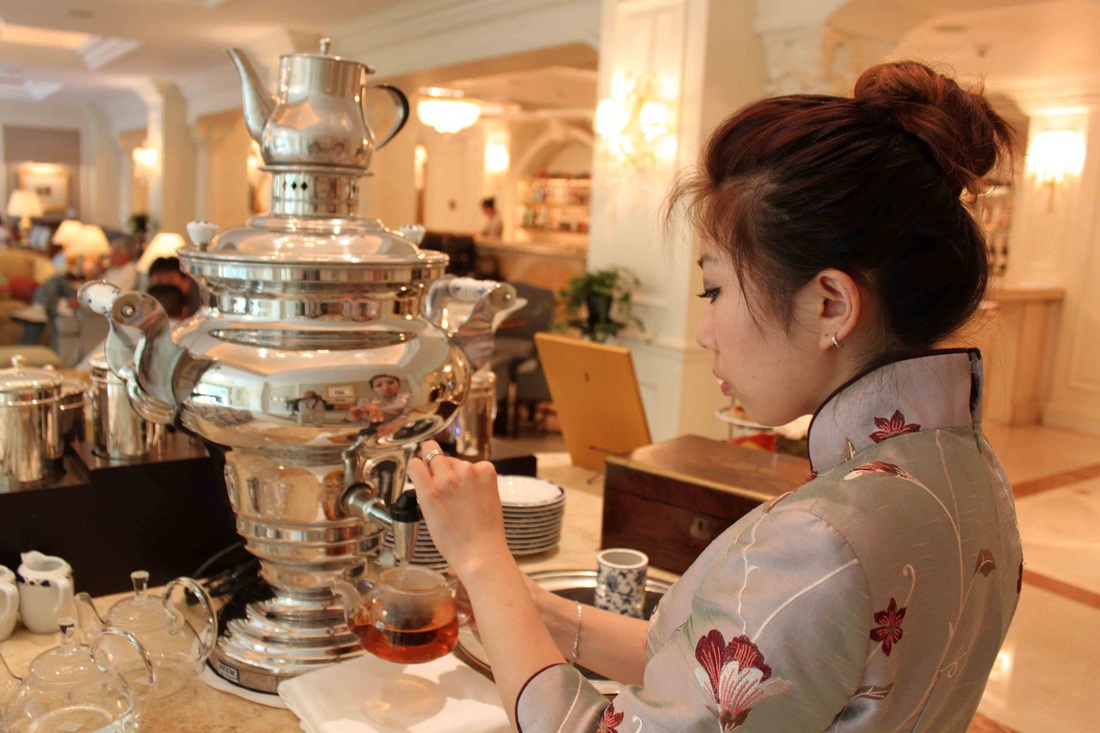  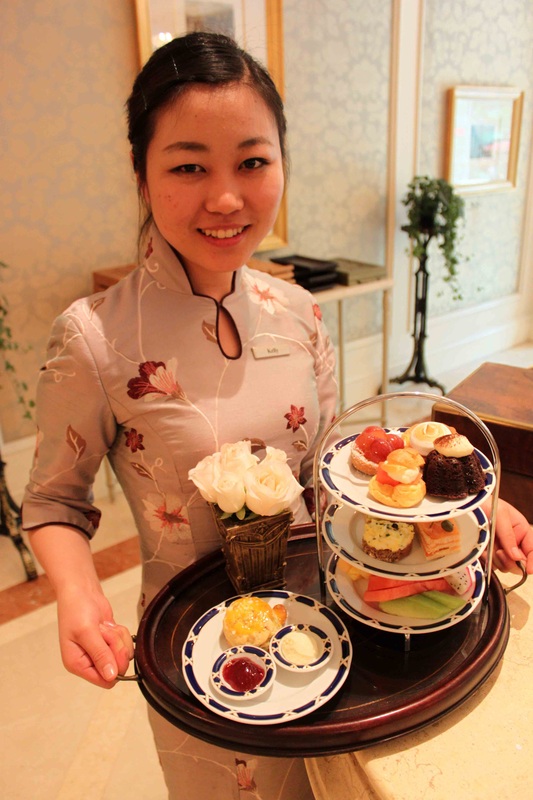 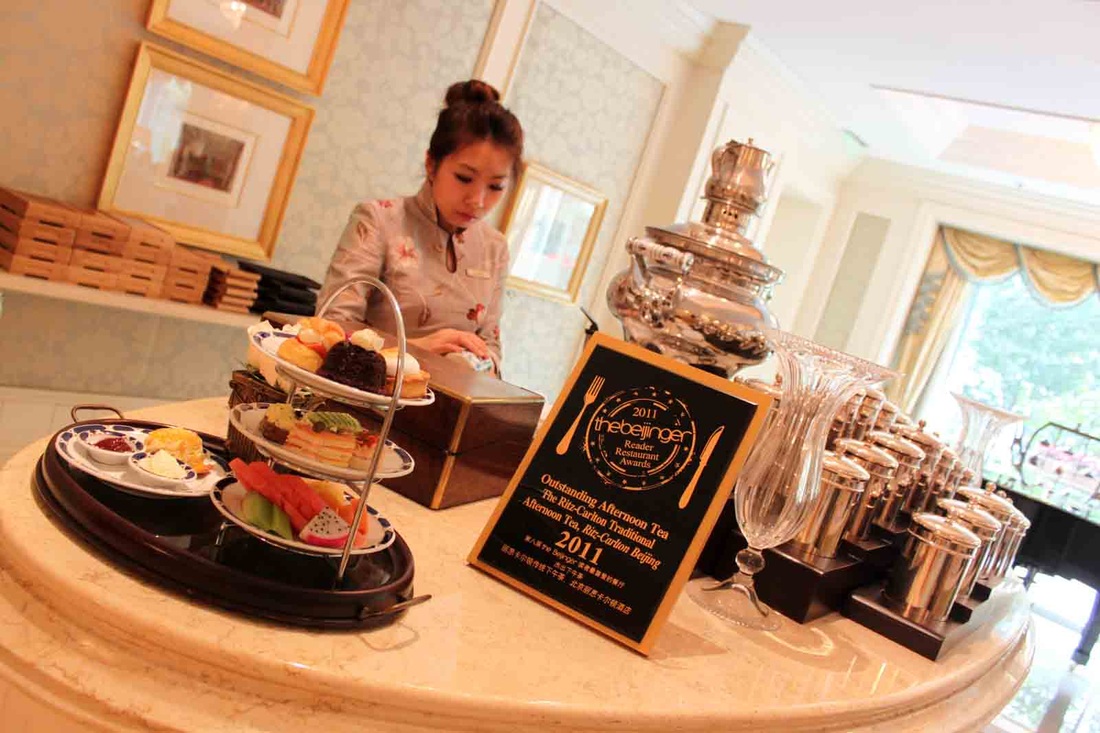 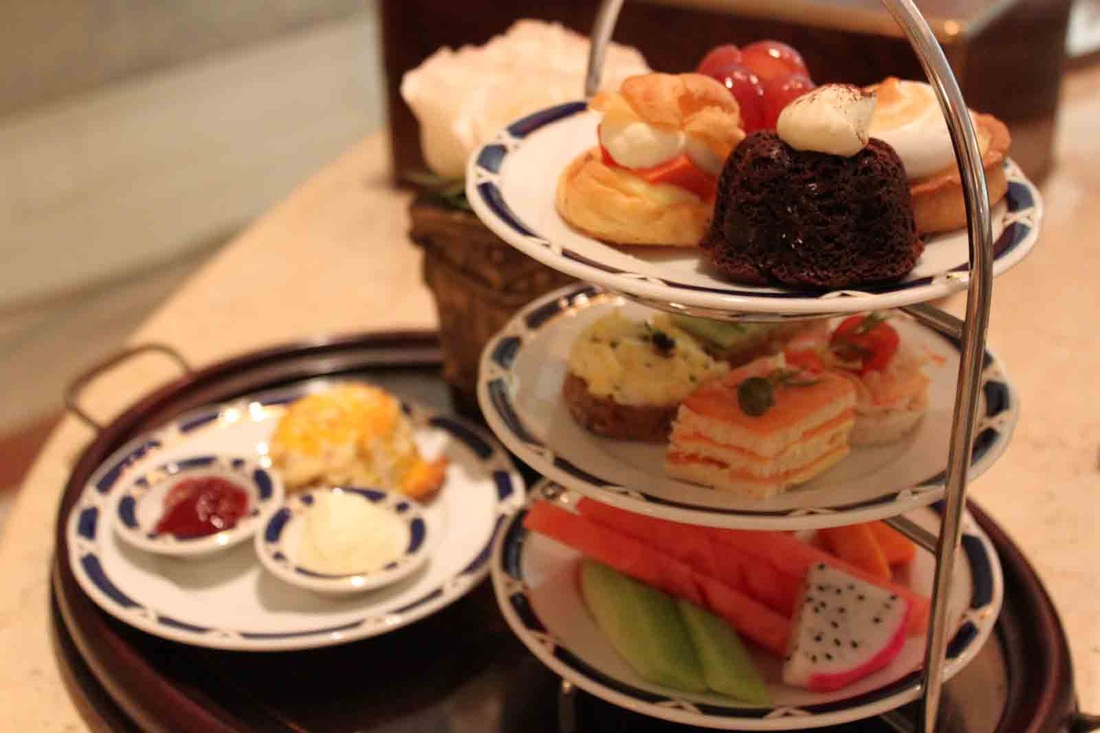 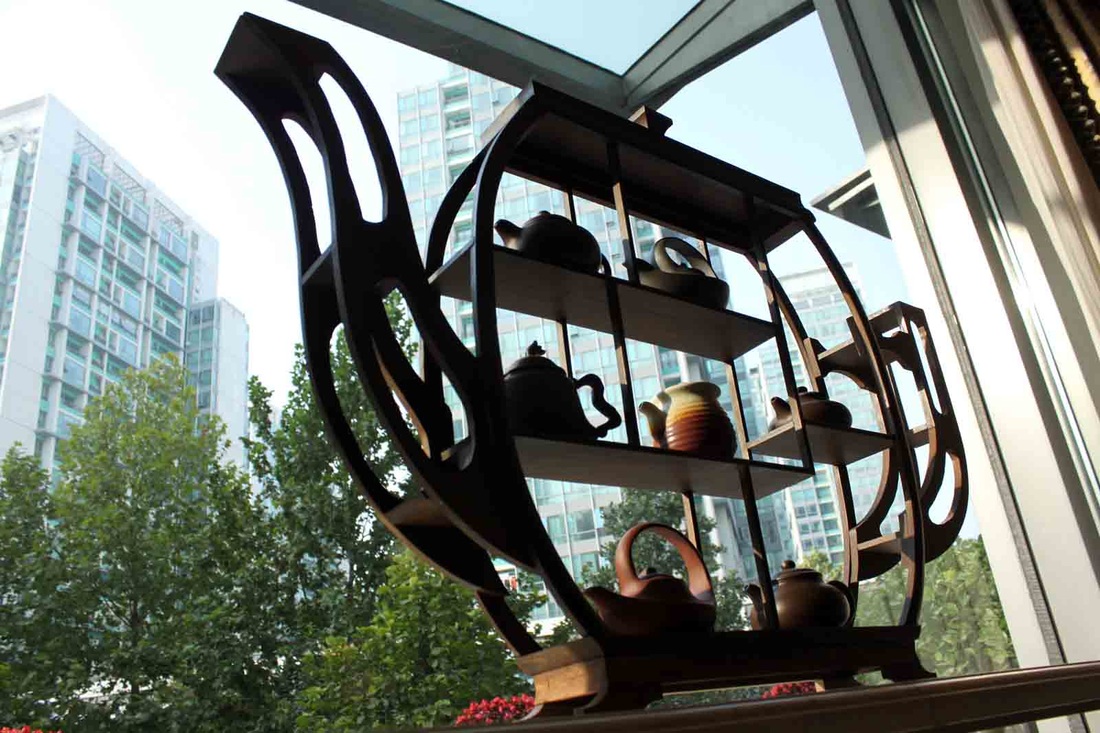 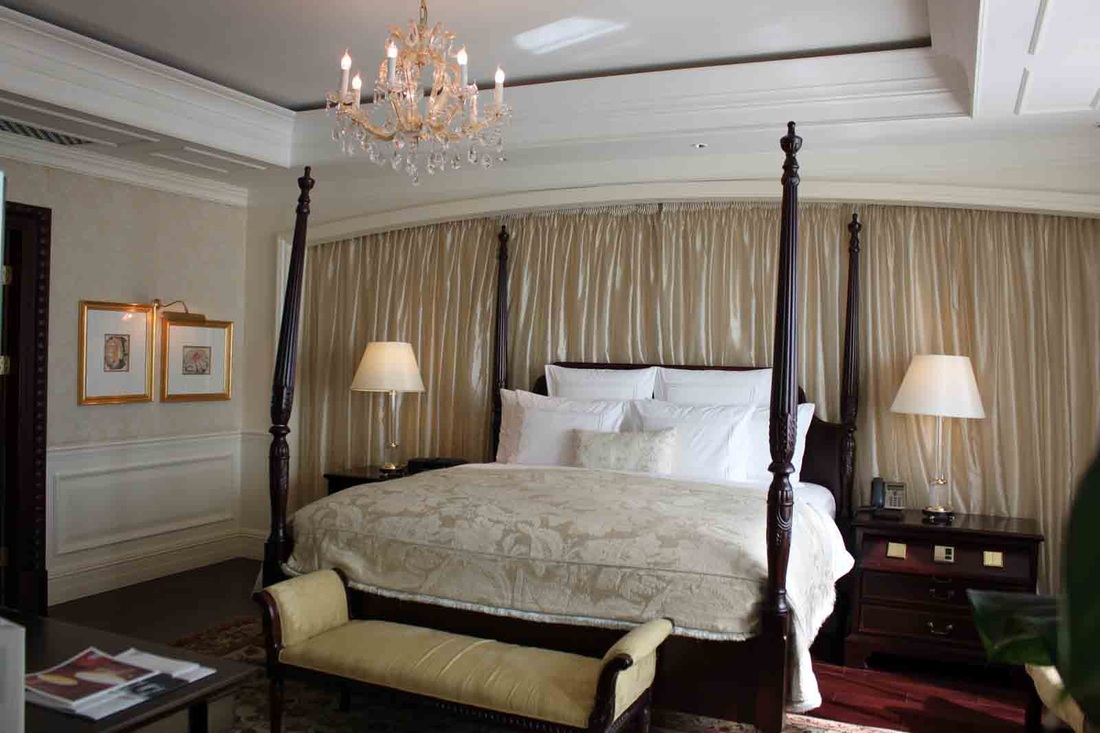        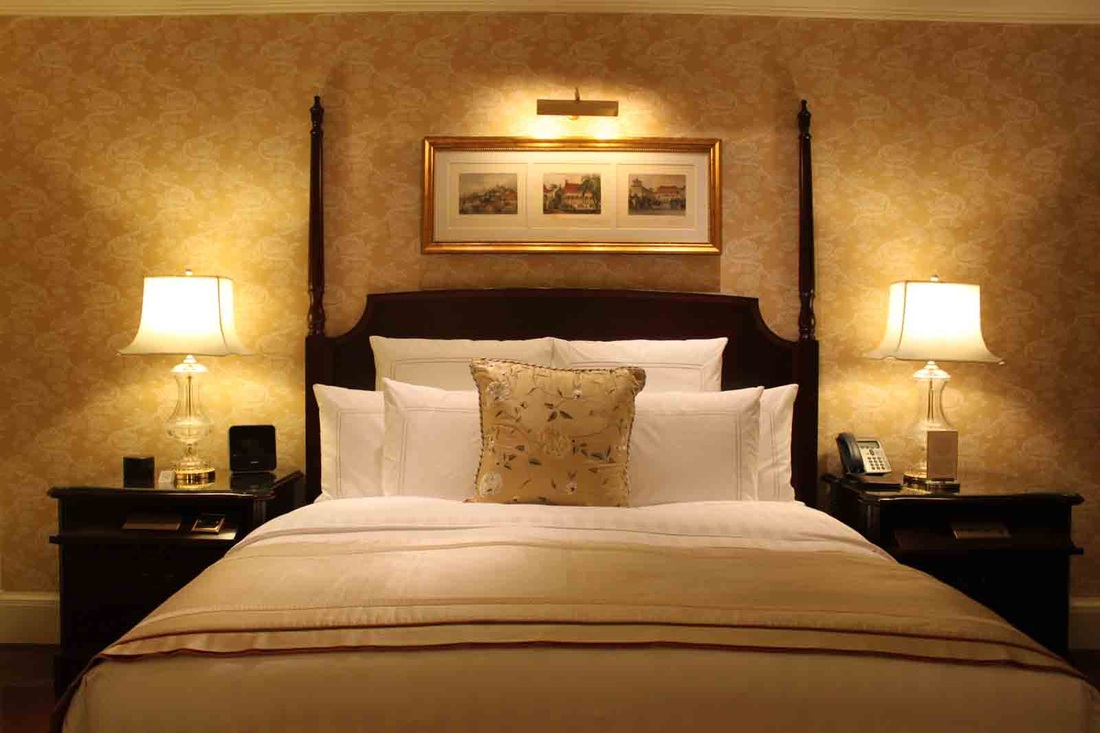 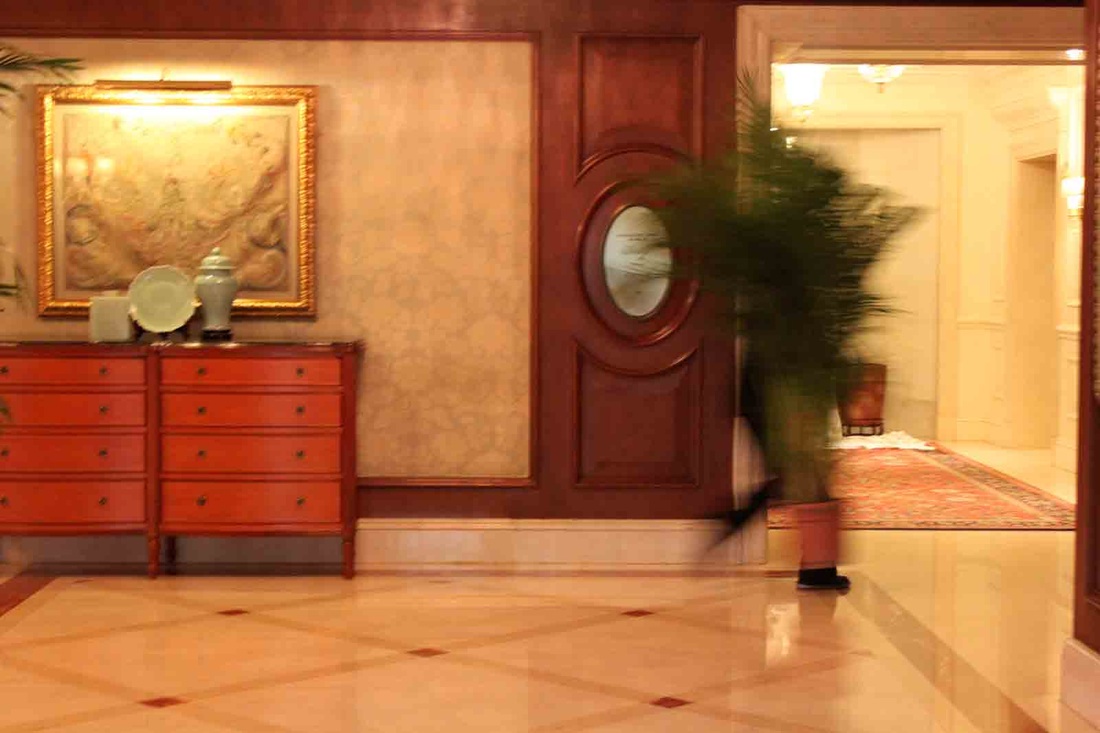 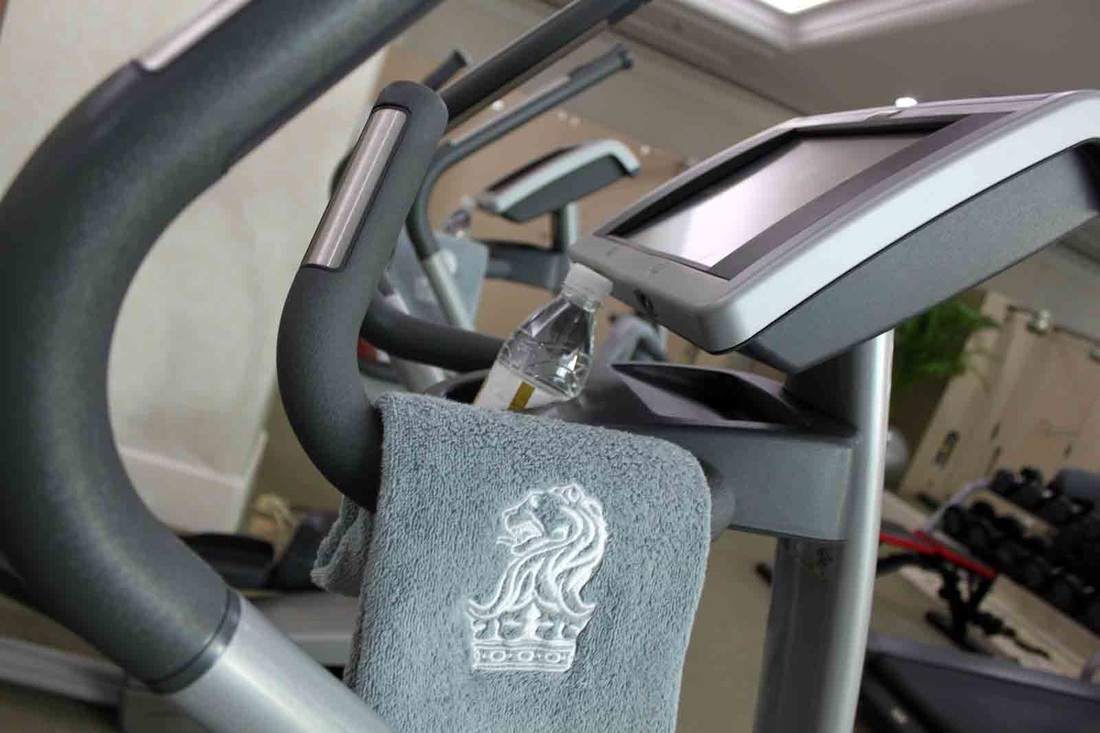 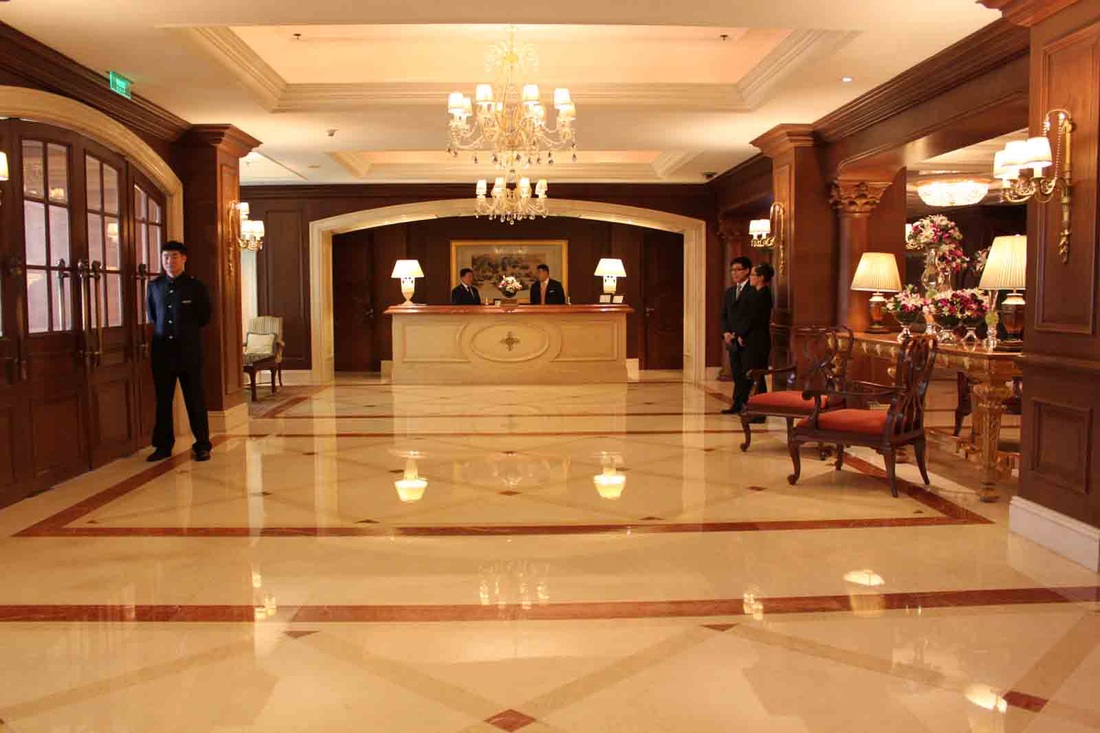 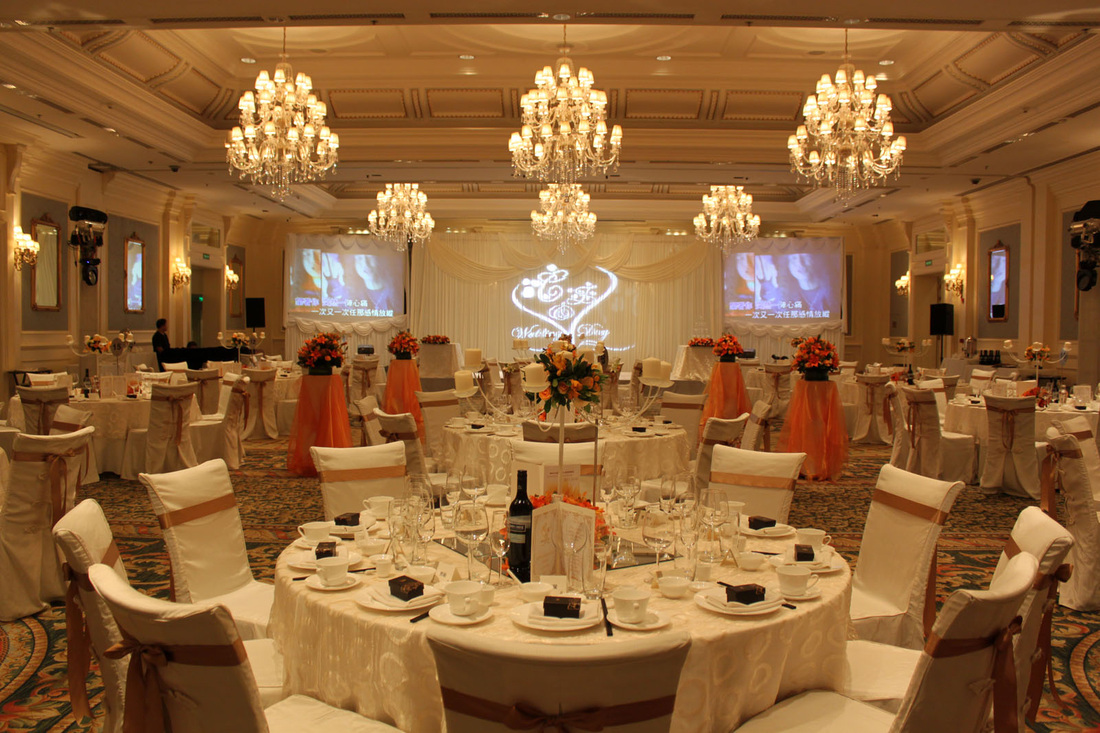 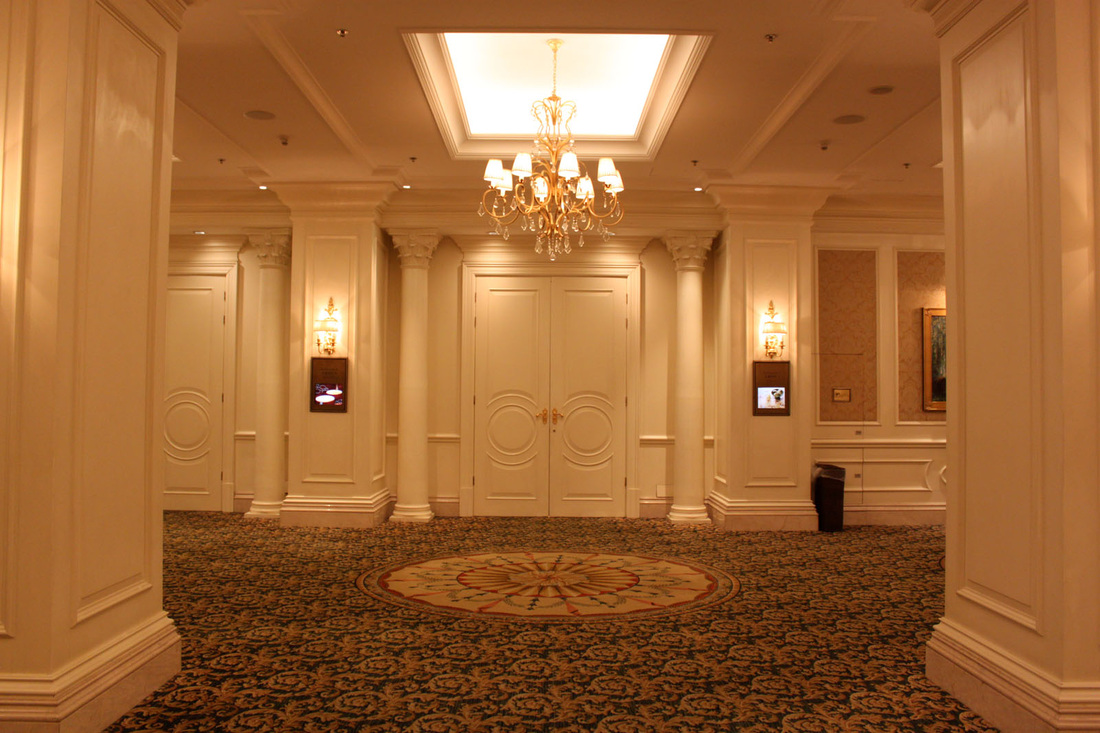 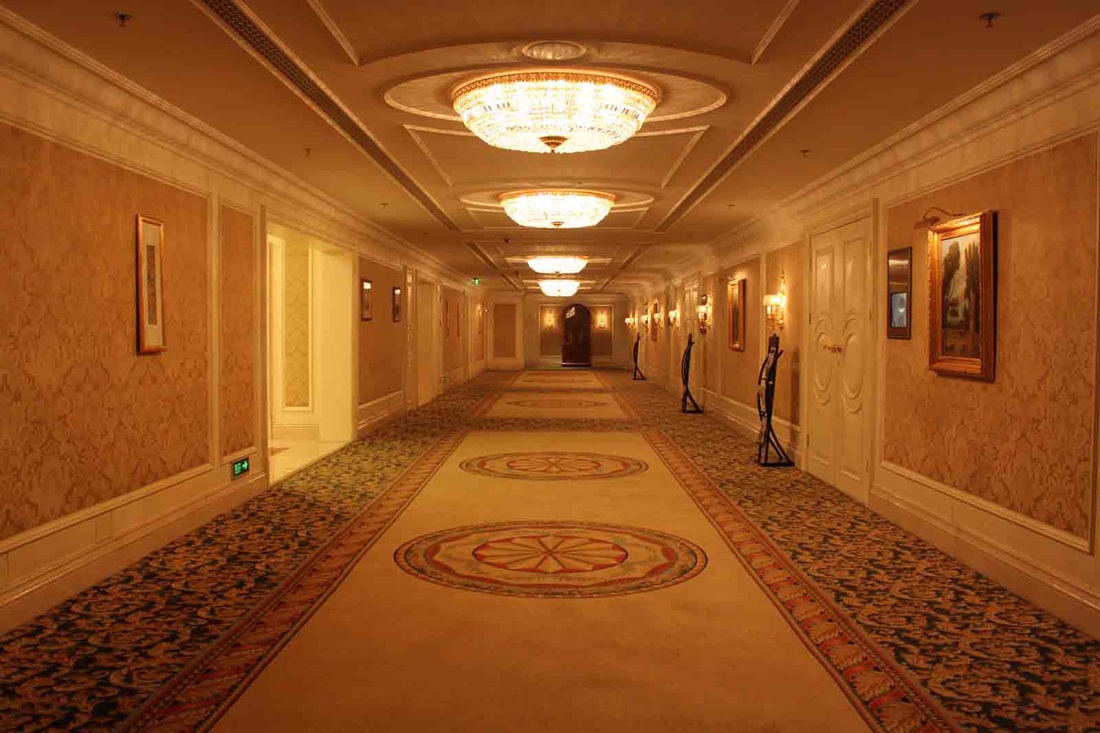 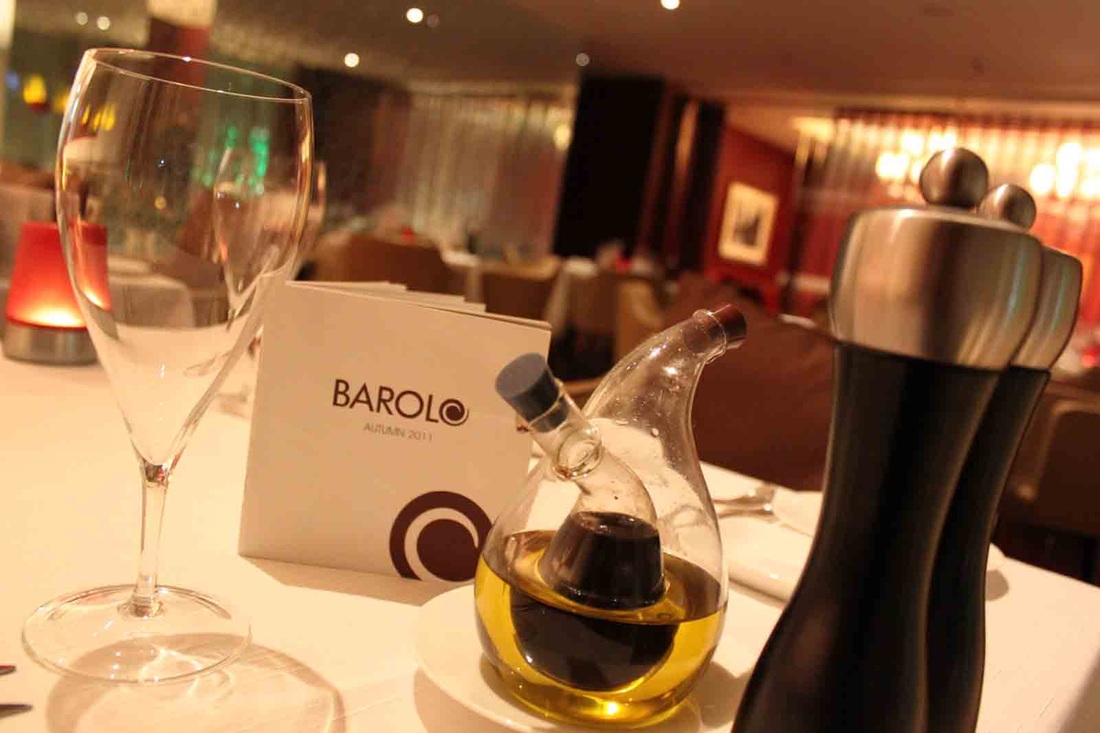 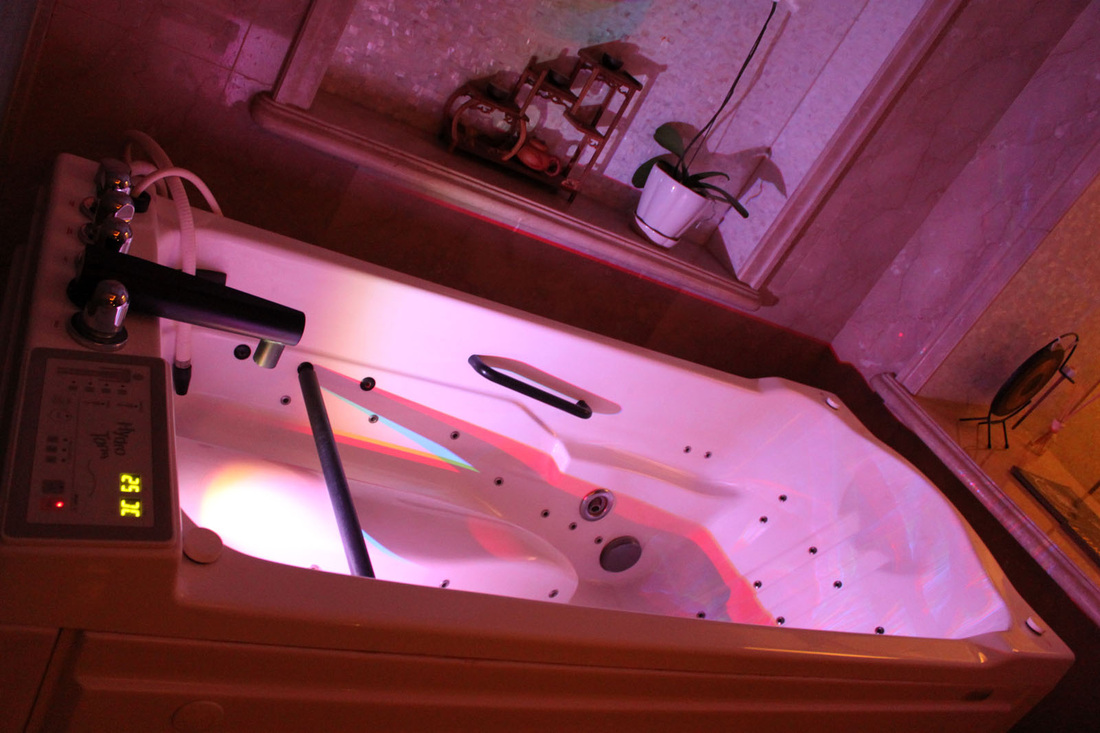 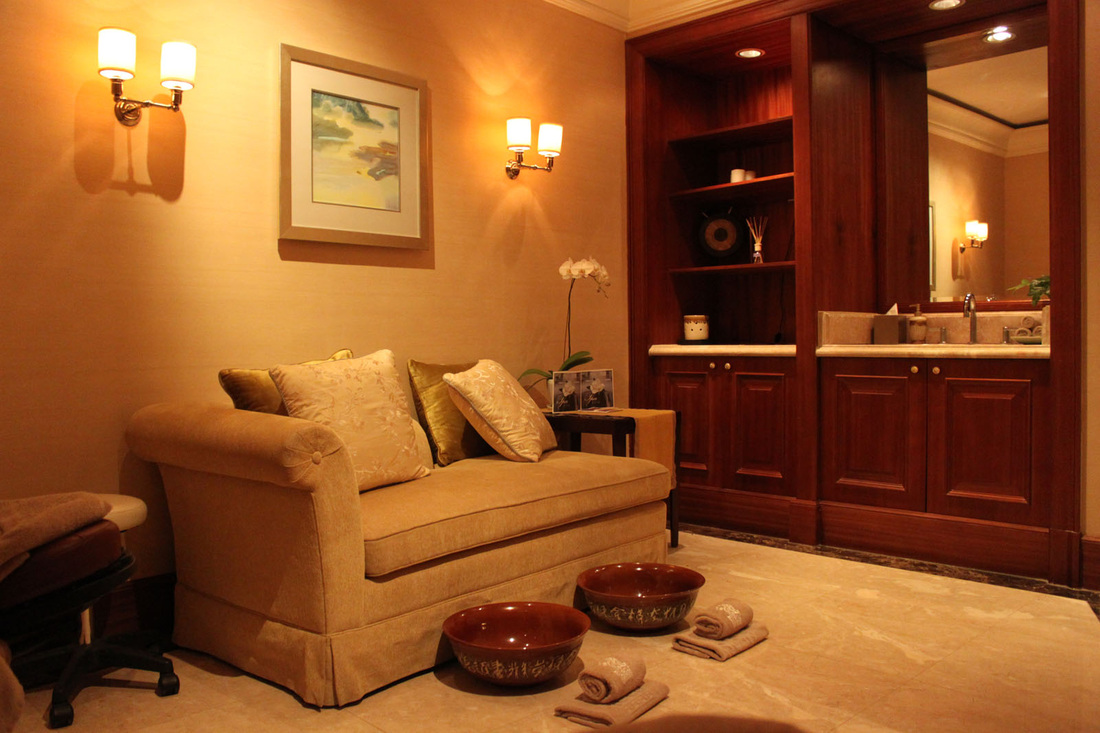 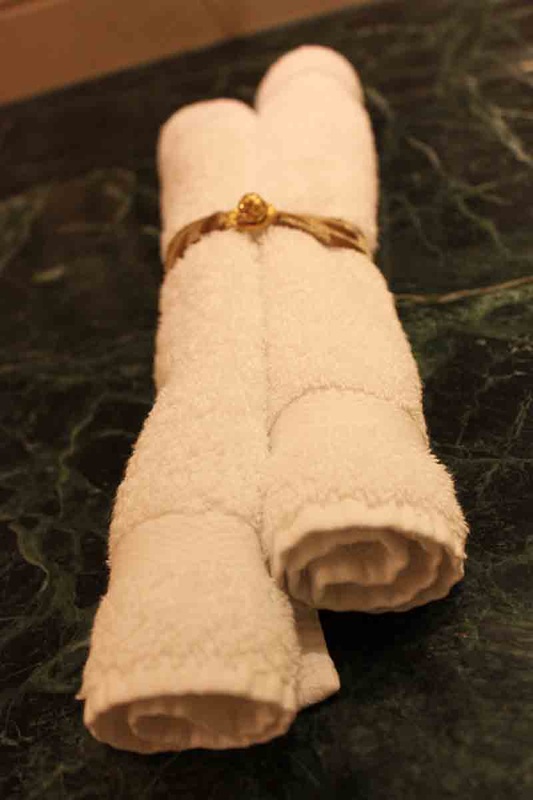 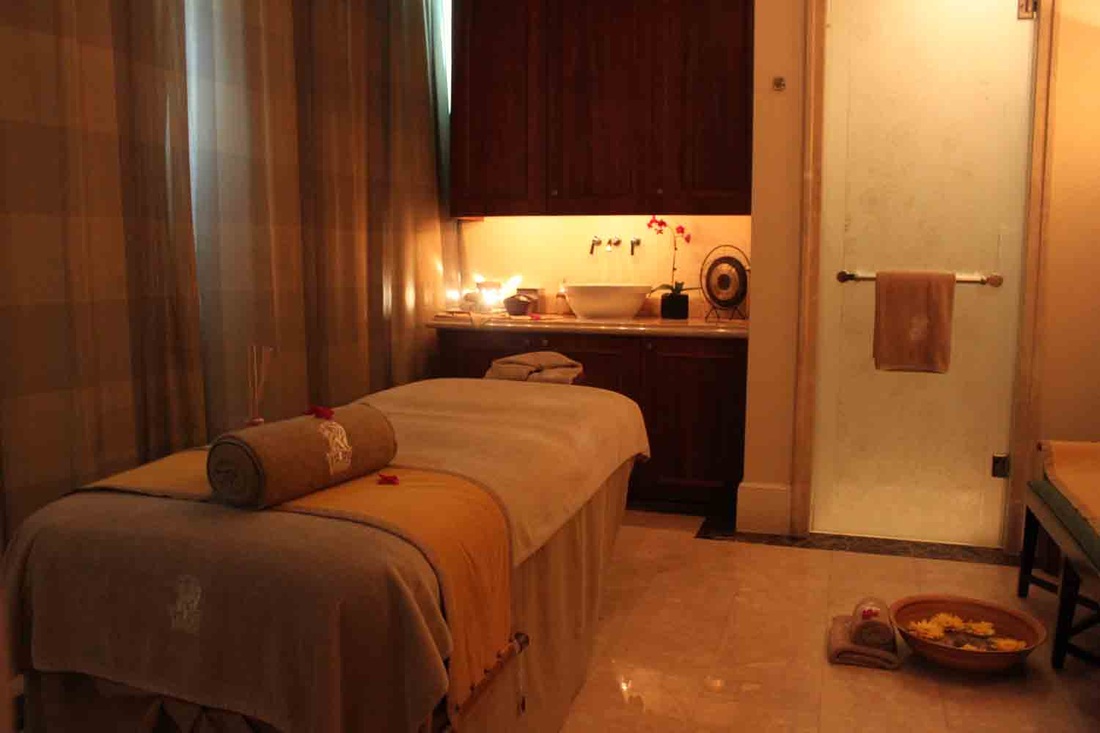 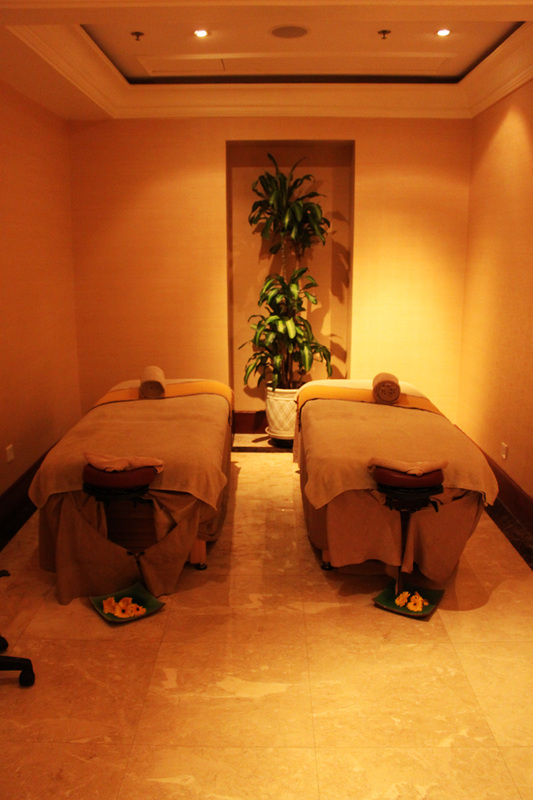 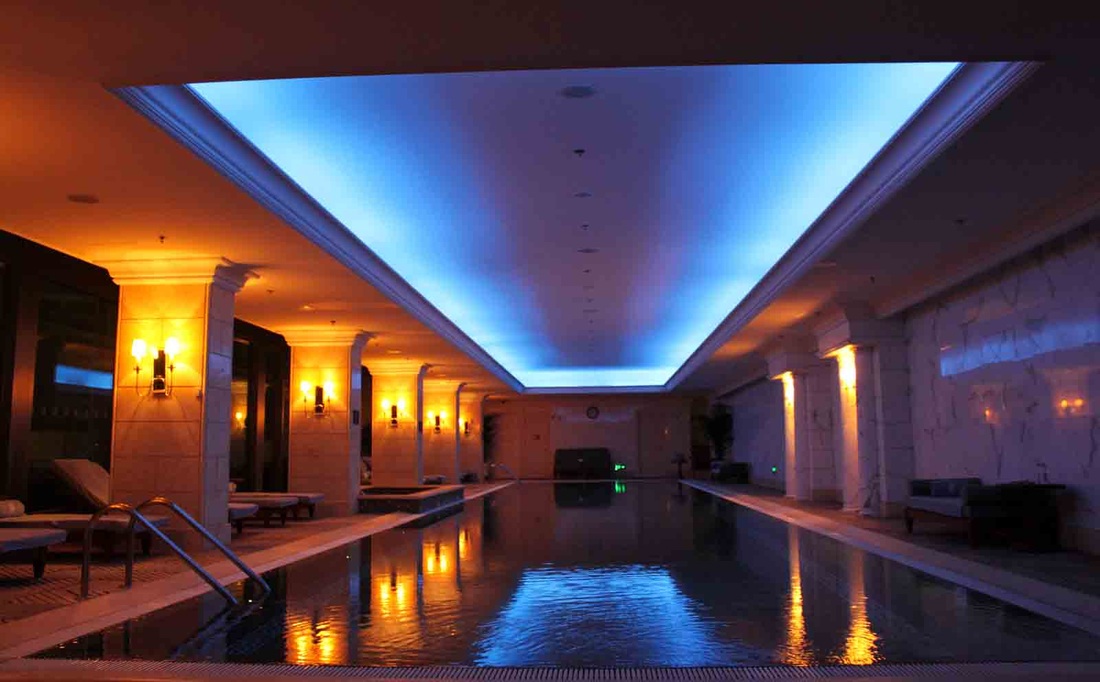  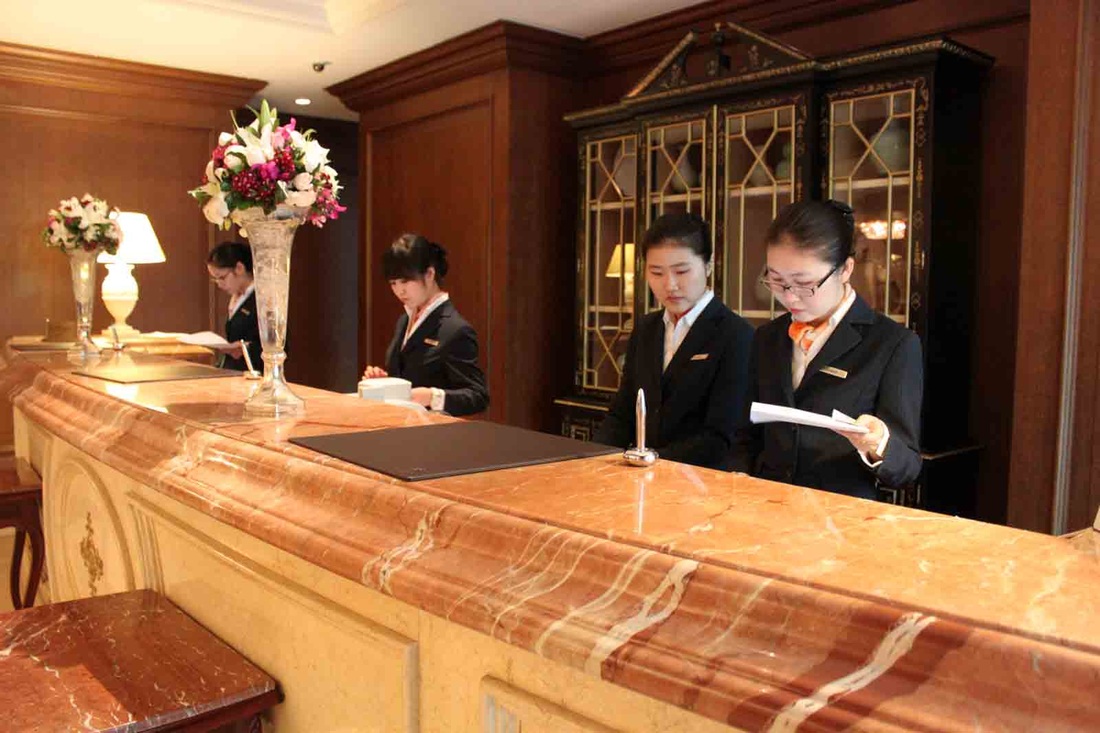 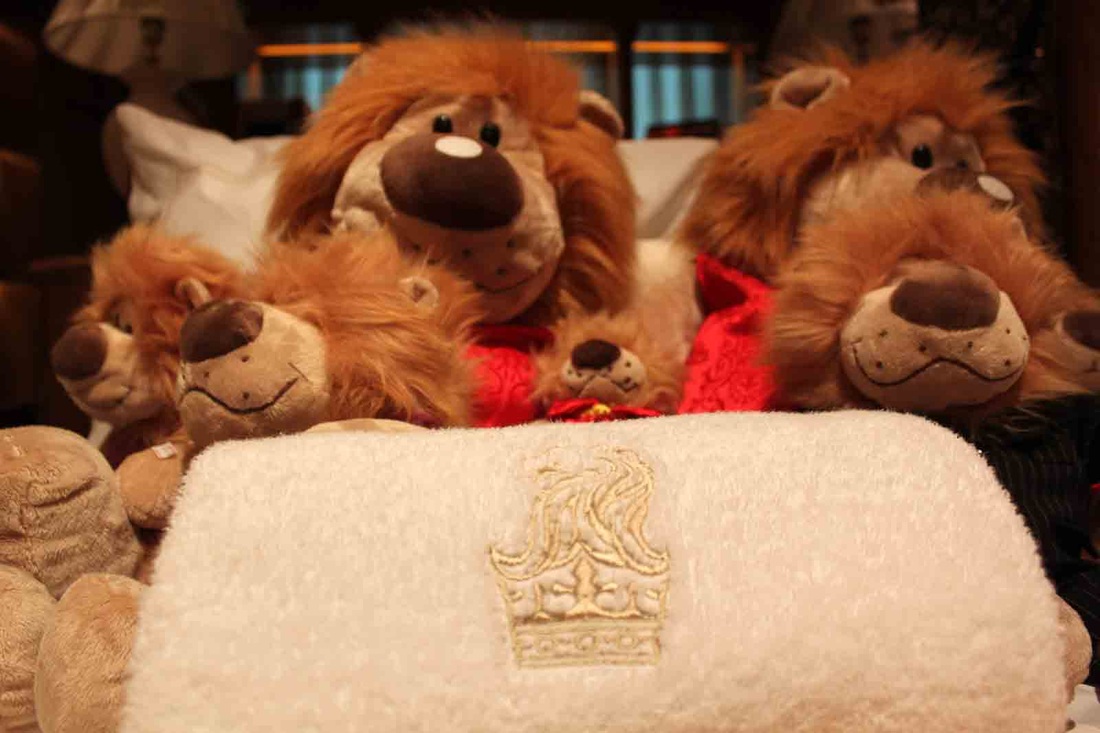 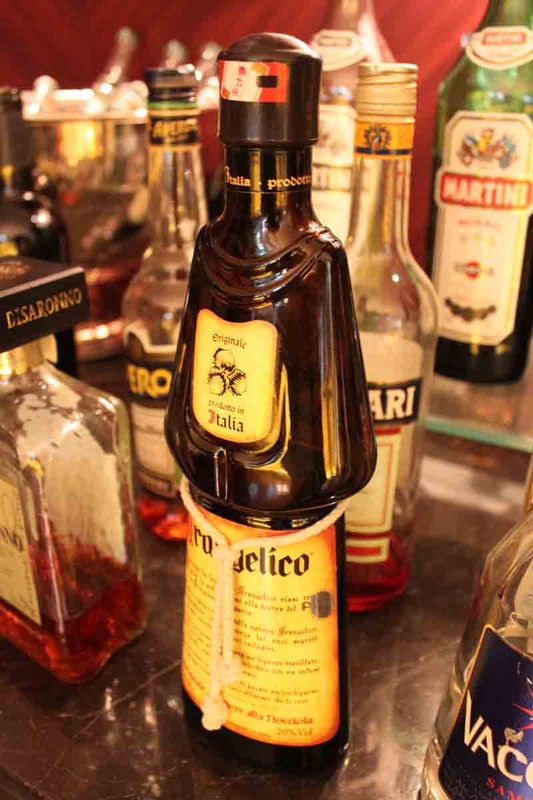  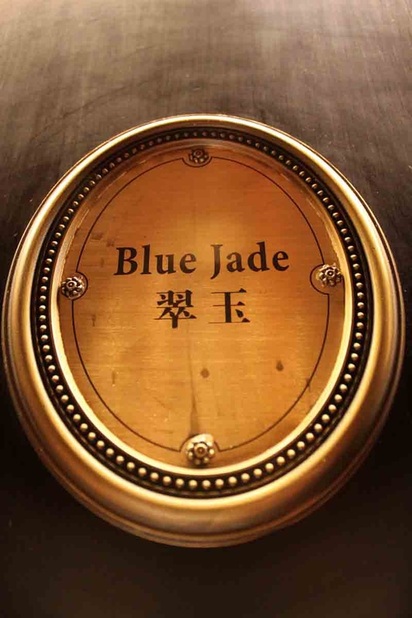 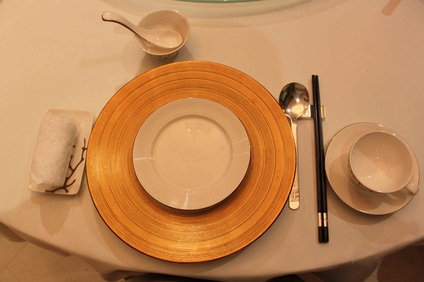 Dining at the Yu Restaurant at second floor of The Ritz-Carlton, Beijing is an experience to cherish for again, and again. The Chinese people pride themselves in on being one of the earliest people to develop sophisticated notions of polite social culinary interaction. This includes the highly sophisticated rules of etiquette governing acceptable table manners and tastes. Yu Restaurant, which can hold up to 110 dinars, presents exactly that and nothing more than sheer sophistication. The restaurant offers a traditional tea-themed Cantonese cuisine. As I sat in one of the seven luxurious private chambers to dine like a Qing Dynasty emperor, I was mesmerising on the thoughts of what surprises I may be in for. A large water feature welcomes guests to the restaurant. What’s more is that a tea master await all comers to intimate and sumptuous gastronomic affairs. Yu in Chinese stands for ‘Jade’, and there is plenty of it decorating the walls and the interior of this luxurious eatery. The interior of Yu is bathed in a bright red and mahogany wood colour, blended in neatly with golden beige accent pieces. These somewhat create a sooth feeling of elegance, sheer prefecture, and absolute comfort. Each of the seven private chambers is named after a type of jade stone, for example our room was called ‘Blue Jade’. Attention is paid to even minute details, from the tea corner to the silk wrapped menus. The menu includes at least a dozen tea samples encased within the menu. As I was presented with the menu, I just looked at the Chef de Cuisine, Ku Chi Fai, and asked him to ‘Surprise me’ with his culinary magic. Then there was the house tea sommelier who was available to assist in guiding our choice of tea to go with each dish. It’s best to commence with the sweet yet tangy flavoured ‘Double whelk matsutake soup’ (松茸炖响螺) which is a lovely medium-to-deep yellow in colour, and shows the red and black cherry aromas as the soup touches the back of your tongue and neck with each sip. Yu offers an extensive menu of refined Cantonese dishes made with fresh ingredients and precise execution. The ‘Appetizer selection’ (前菜拼盘) contains the popular honey roasted suckling pig—a classic Guangdong dish—has skin cooked to a perfect, crisp orange and a smooth and juicy centre. Also, watch out for those baby cucumbers- they are immensely tiny and cute! If you have a special place in your heart for seafood, like I do, then go for the main gem of a dish: ‘Braised cod fish ball with spices in casserole close-up’ (大千焗银鳕鱼). It looks like a piece of art work rather than a dish. Dare to tuck into the noodle nest which achieves high level of sophistication, as the whole dish is edible. You cannot argue with exceedingly good boneless pieces of succulent codfish lying side-by-side with the baby shallots. Yummy! Continuing with the seafood theme (they love seafood in Canton!), the next dish that sandwiches the meal is ‘Grilled prawn with preserved vegetables dry eggplant’ (宫廷梅干虾球). Bright, elegant, and delicate looking (and tasting) prawns add enough sweetness and sourness to this wonderful gastronomic jewel. Autumn breeze marks the perfect season for slightly nutty yet buttery dishes such as the grilled prawns. No Cantonese meal is complete with the ‘Taro puff and egg tart’ (芋蓉酥拼蛋挞), this ‘out of this world’ dish is a delight to have with any Cantonese dish. Its not really the presentation of the dish that matter’s but rather the taste. Cantonese people (especially those from Hong Kong), would not hesitate in pointing out the quality of a perfectly made egg tart. Soem will even argue to the point that their egg tart is the best in the city. The bright lemon colour of the yolk inside the tart, and the slight softness of the tart indicates to outstanding quality of the product. The easier it is to drop out of your hands, the worse the quality (i.e. the stronger the egg tart, the better it is). Challenge any Cantonese person and they will have no hesitation is proving you wrong. The nose of the dish displays a certain aroma of vanilla (it may be true), and lemon. Enjoy it while you can and make sure that you don’t leave any bits and bobs lurking around. For the finale, ‘Chilled sago mango cream, and fresh fruits’ (杨枝甘露拼水果) is the treat of the day. But forget the fruits, its the chilled sago mango cream that can eat your heart away. Slightly dry, sweet to the front of the mouth, but all in all a complete journey of sheer perfection and a beautiful long length of butter, sago and mango kissing your throat with each spoonful. It’s great, and it’s all truly Cantonese at the Yu restaurant. It’s one of such prestige appellation to round off a perfect meal at one of the most sought after eateries in Beijing. 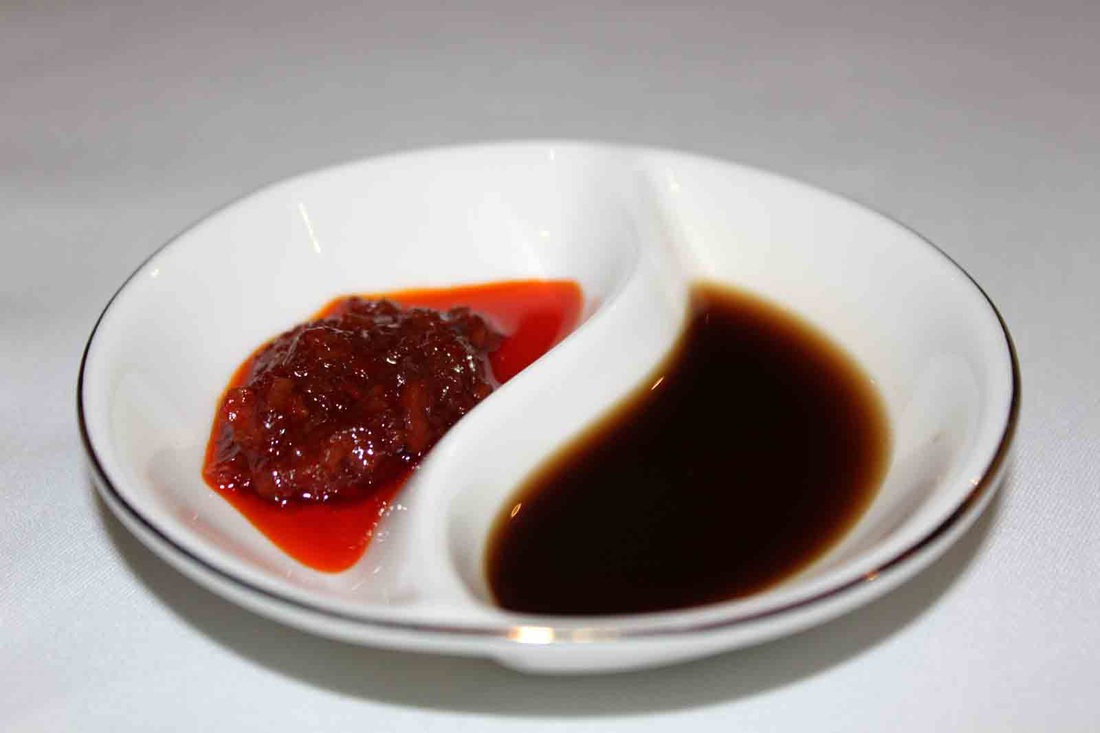 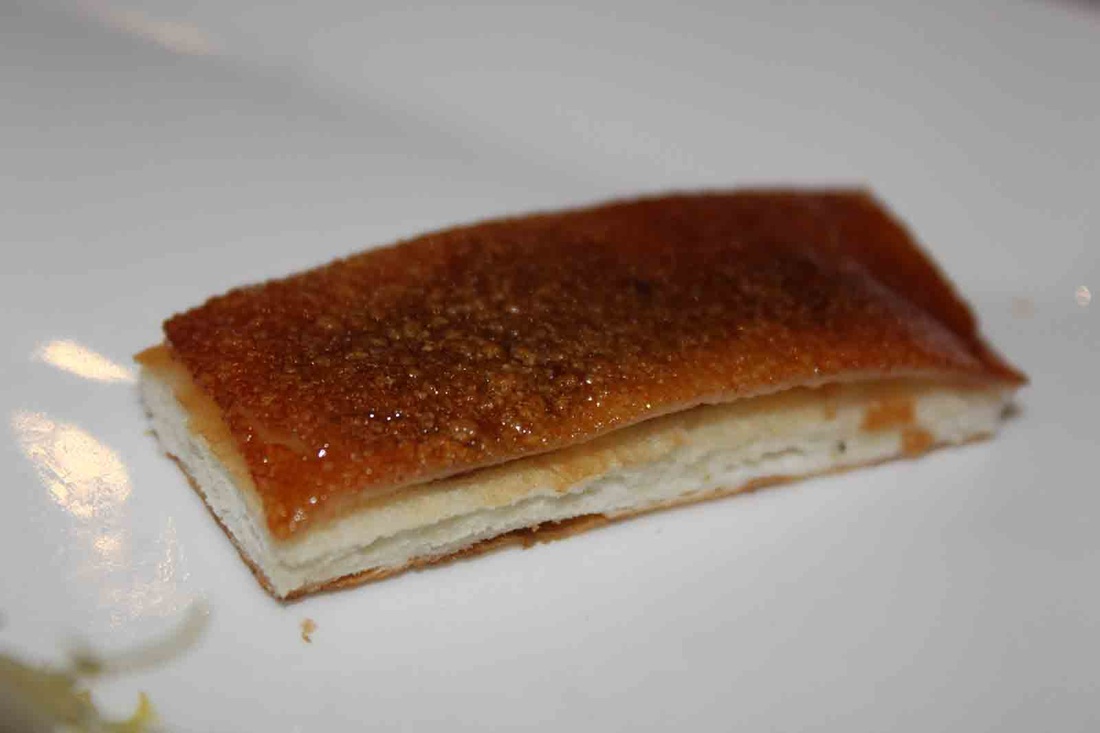 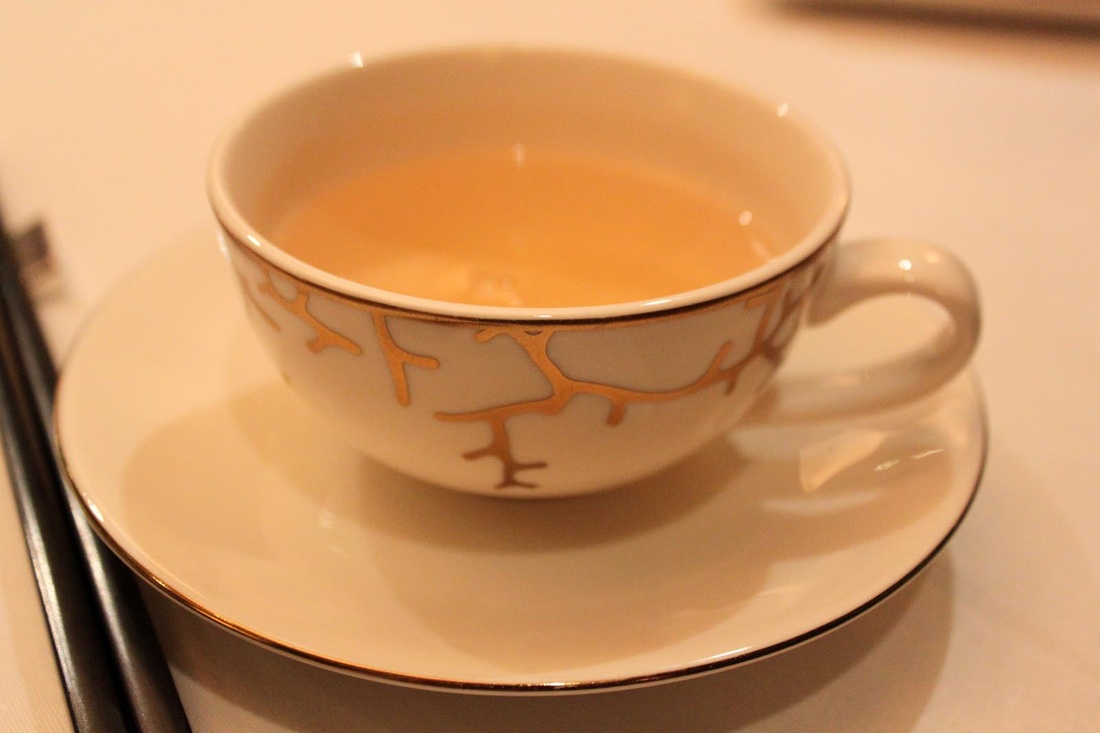 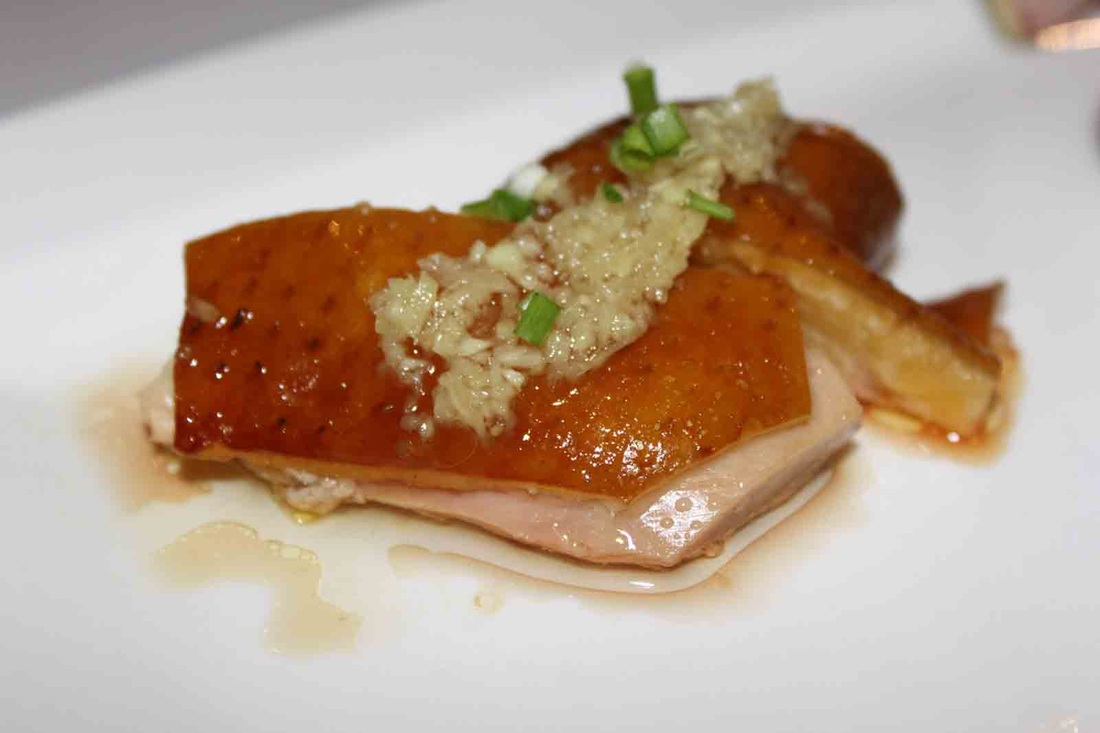 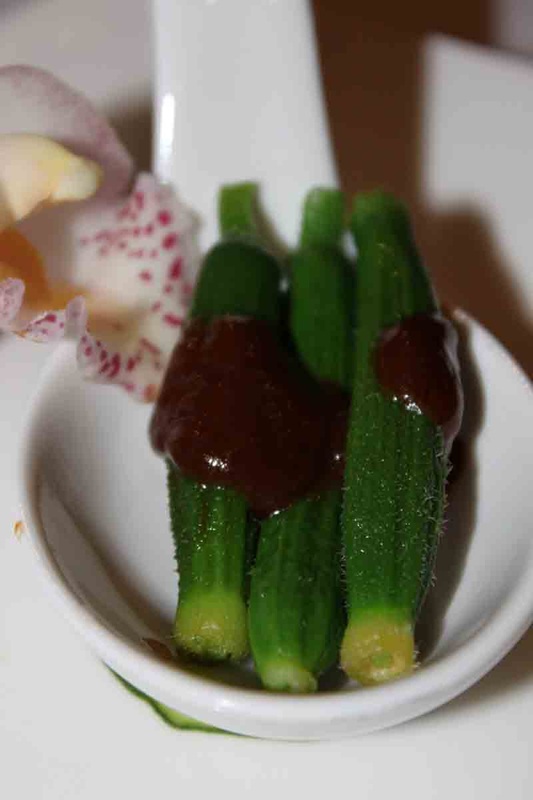  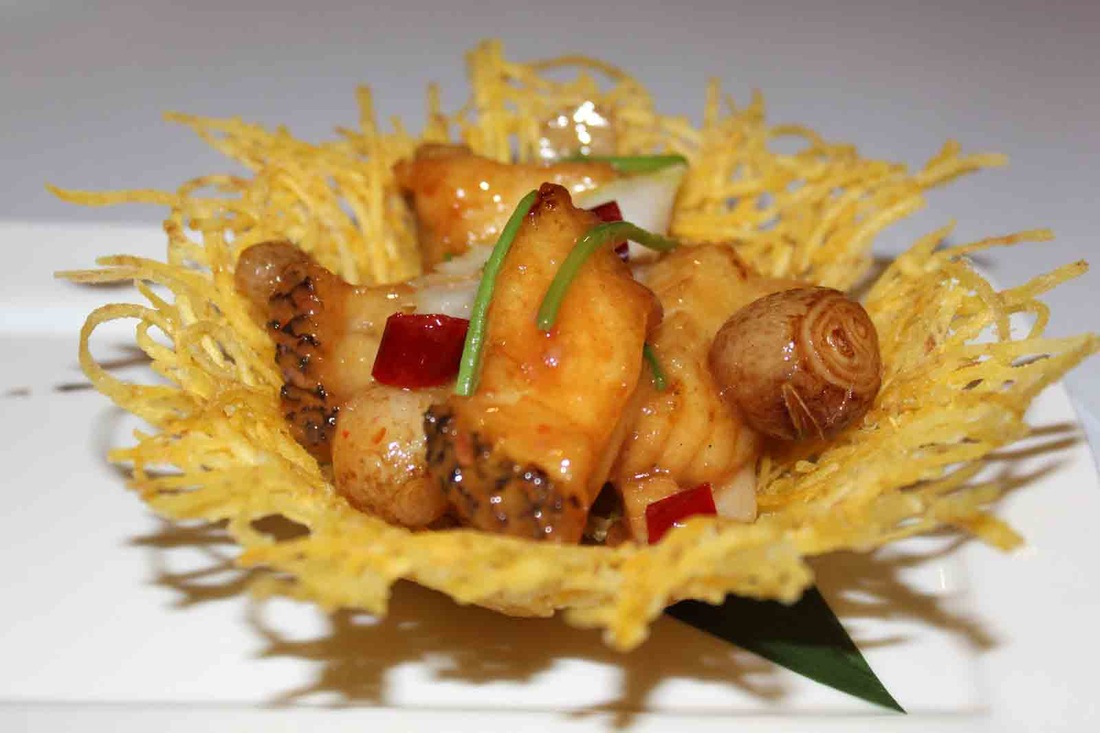  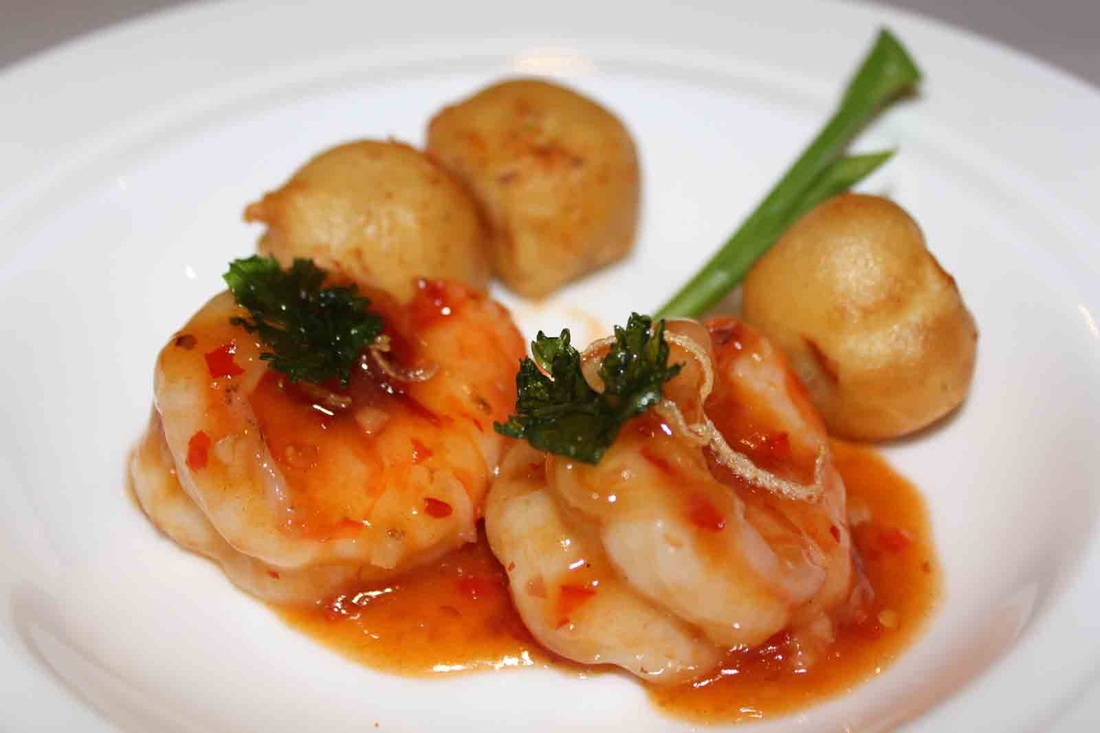 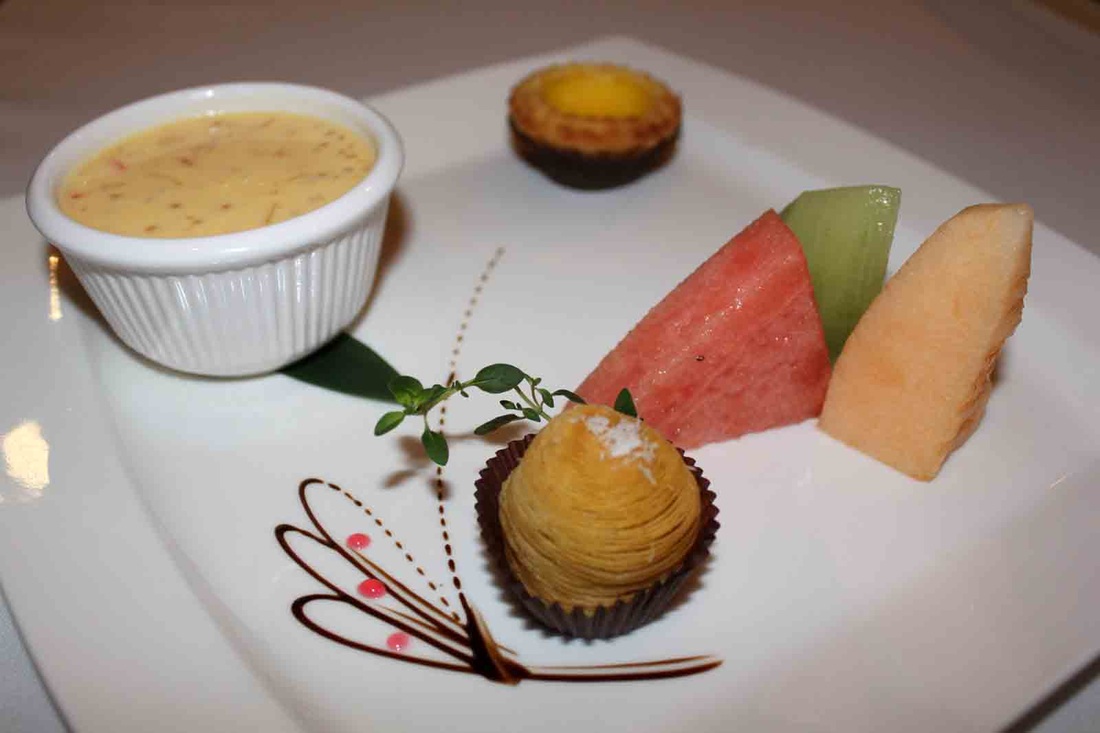 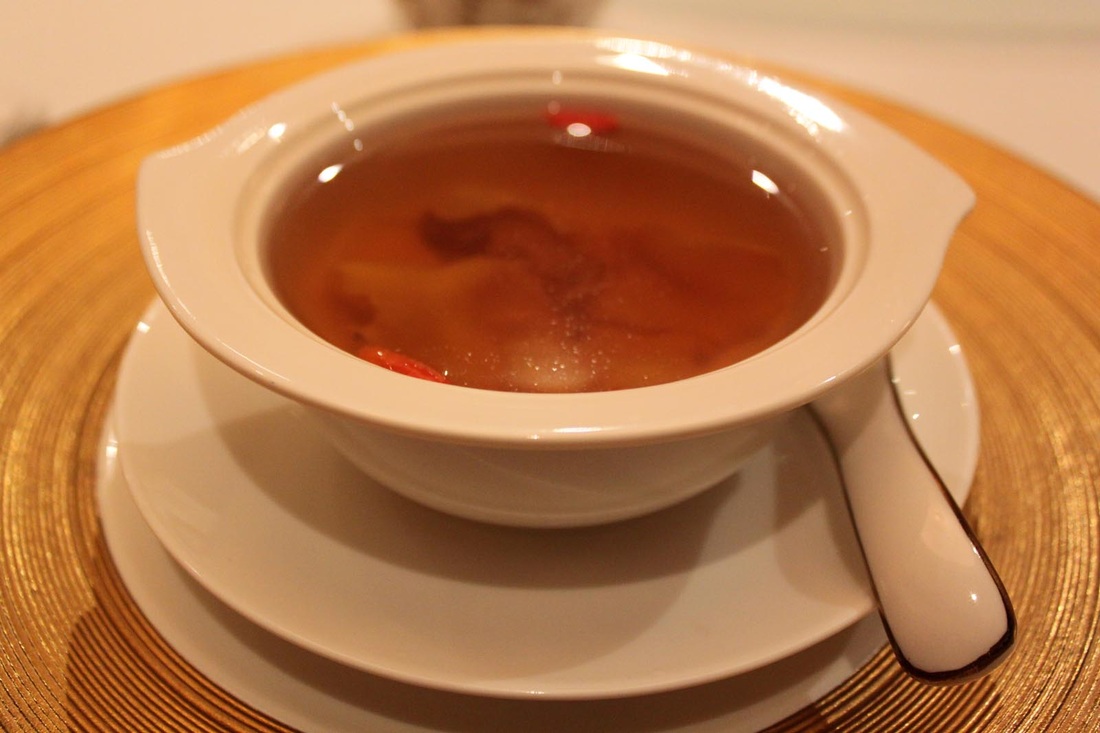 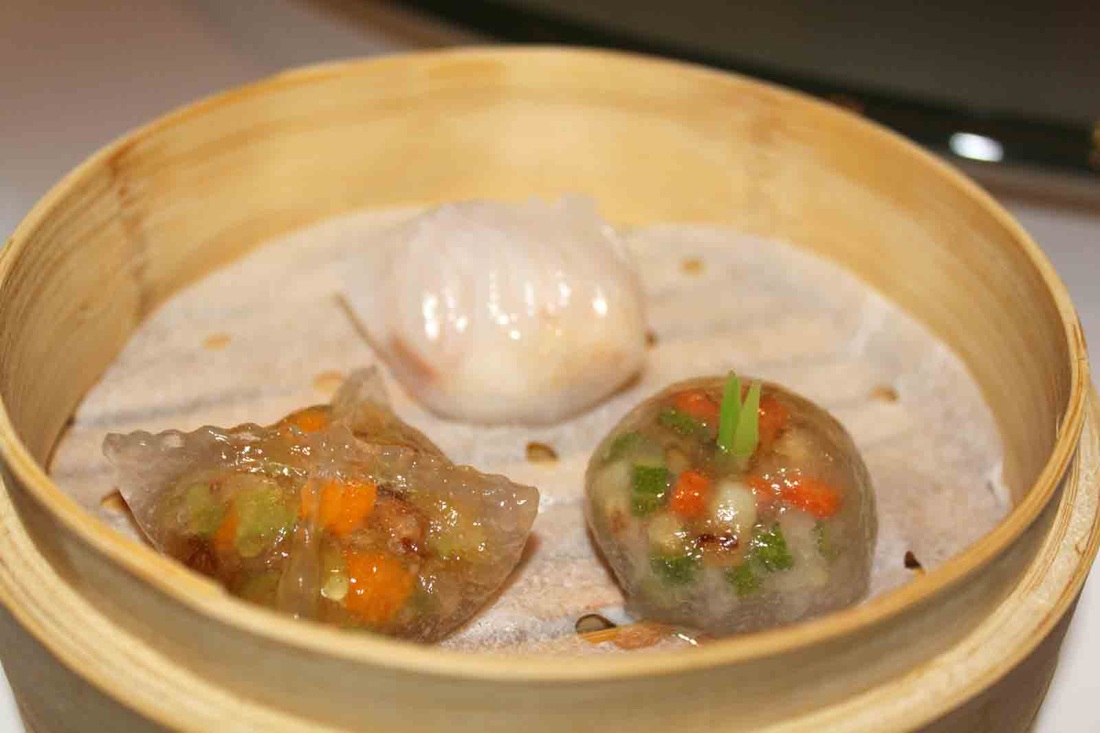 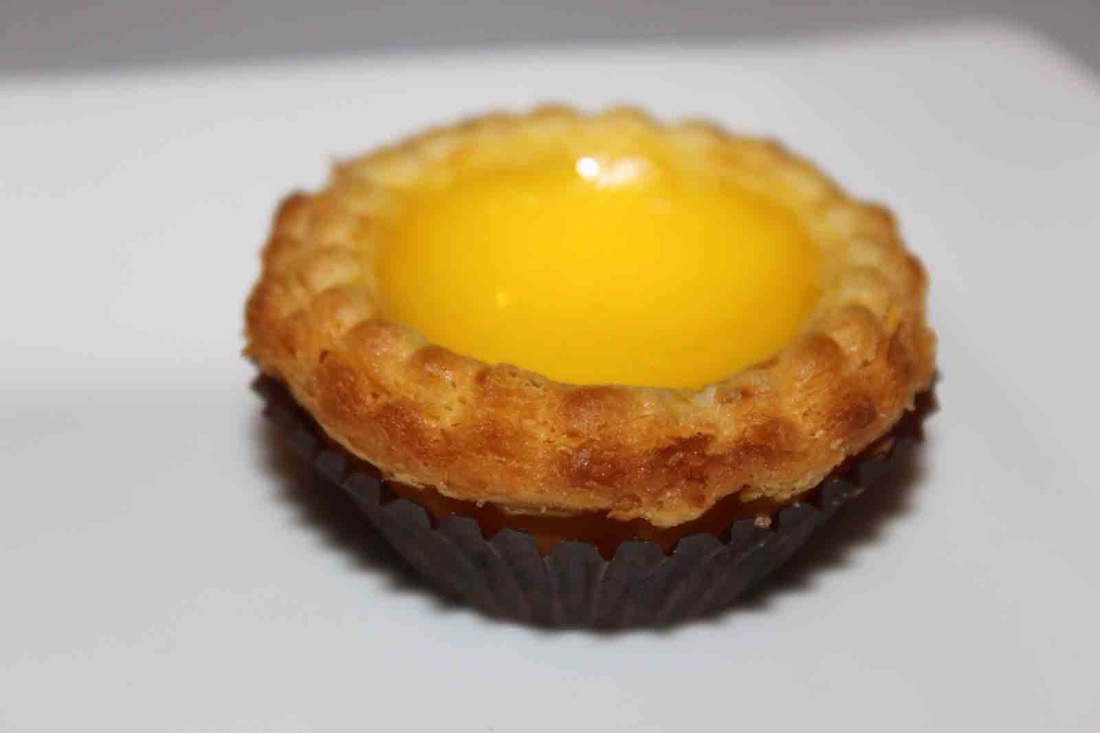 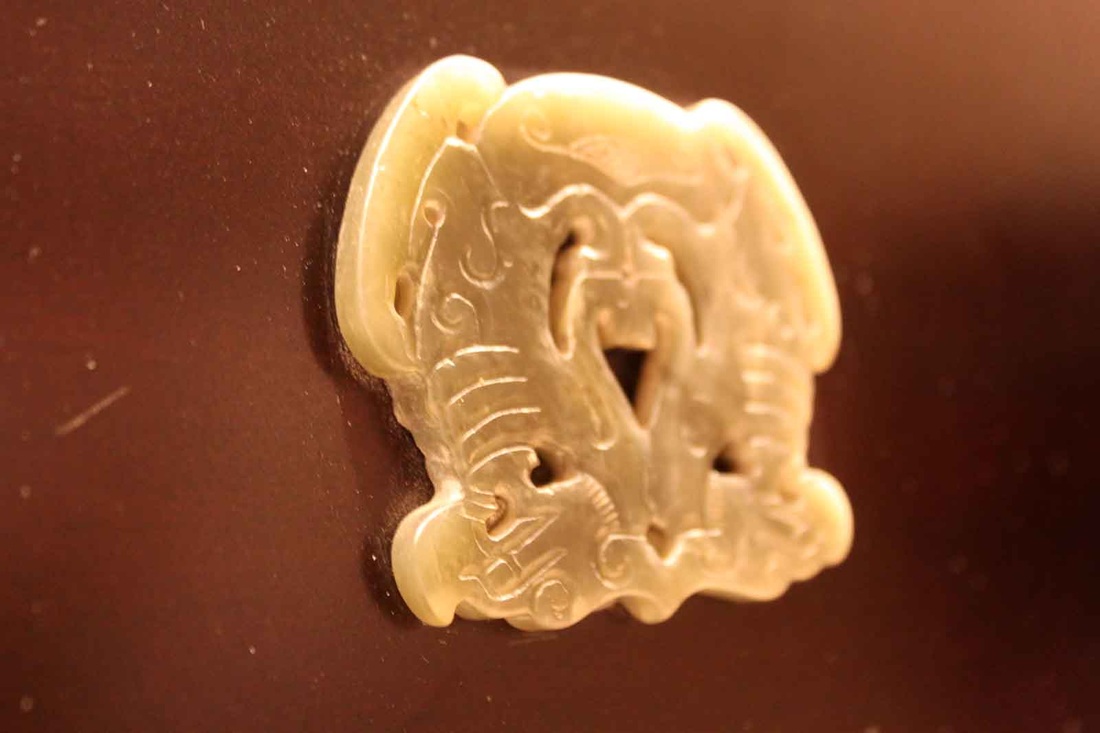 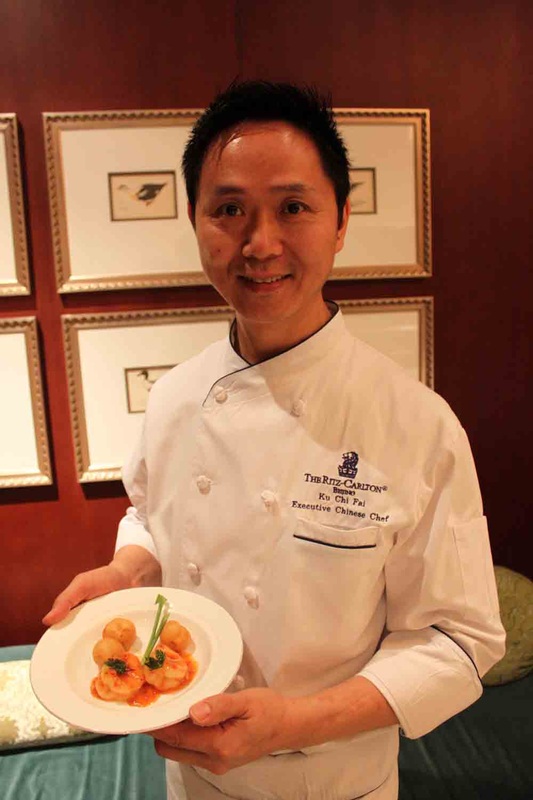 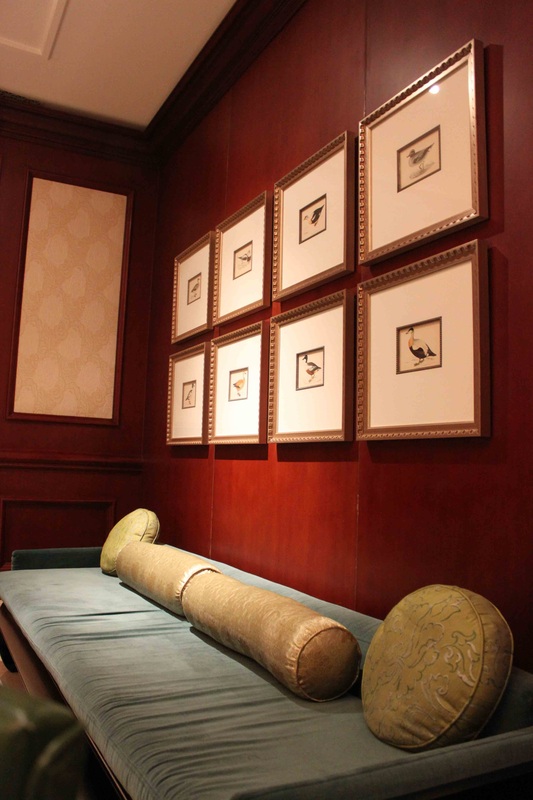 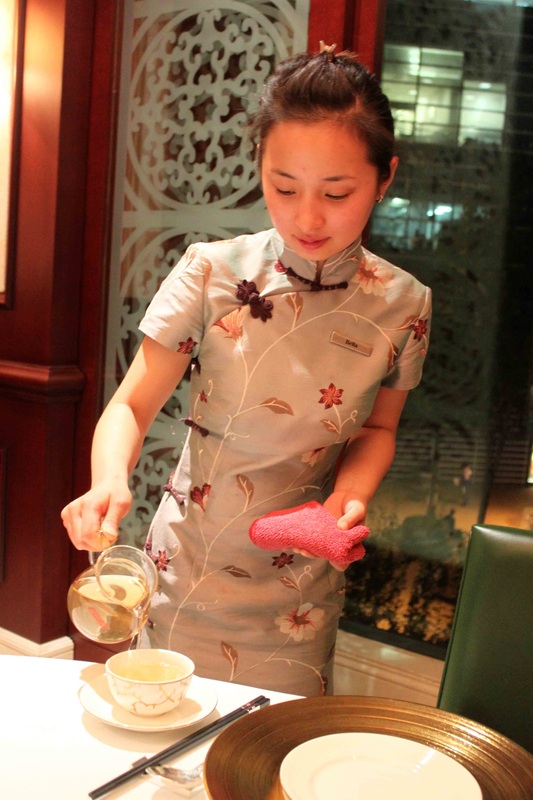 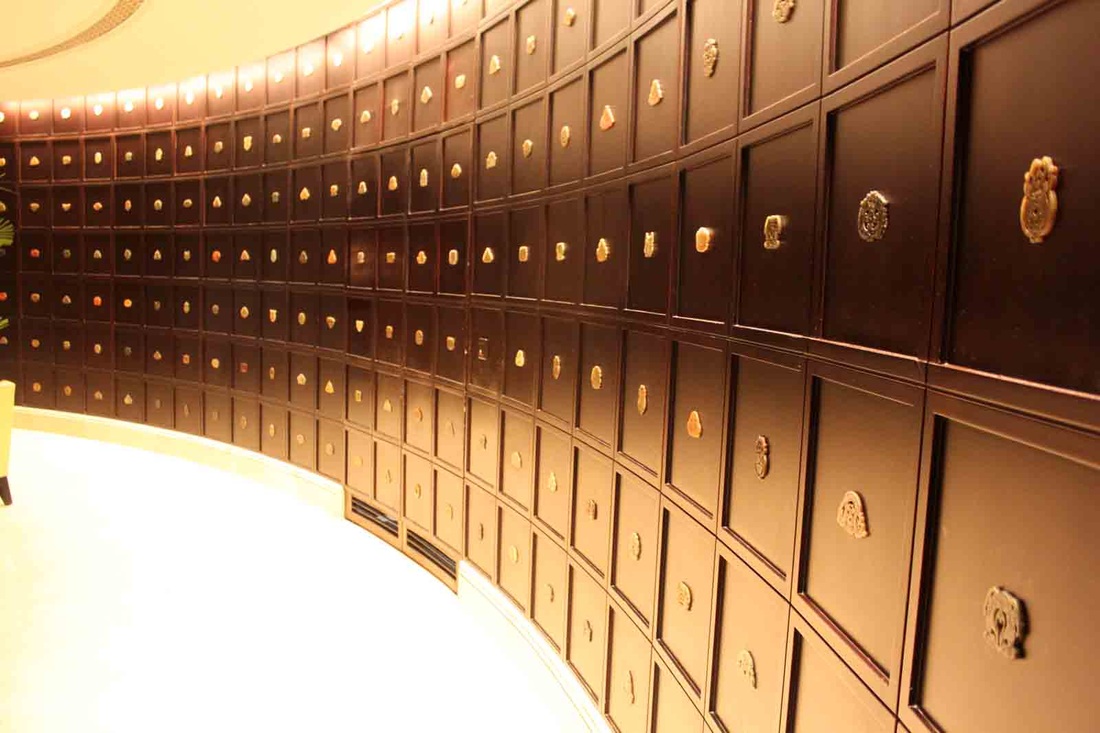 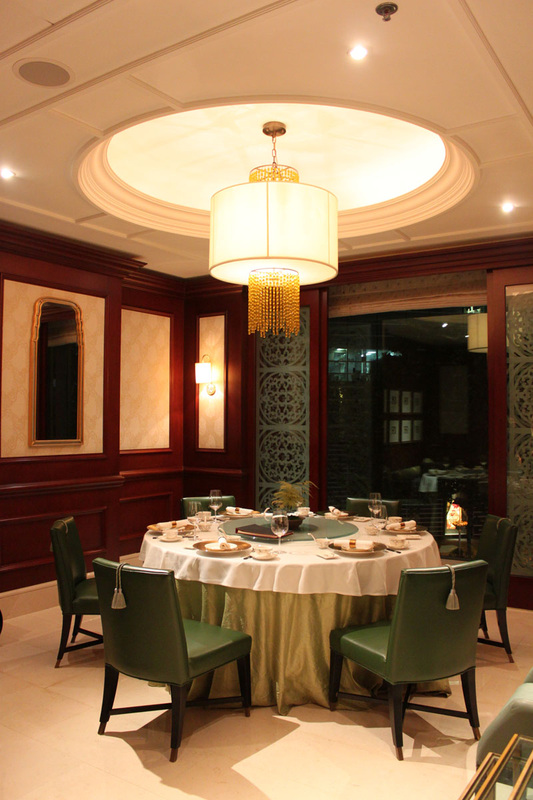 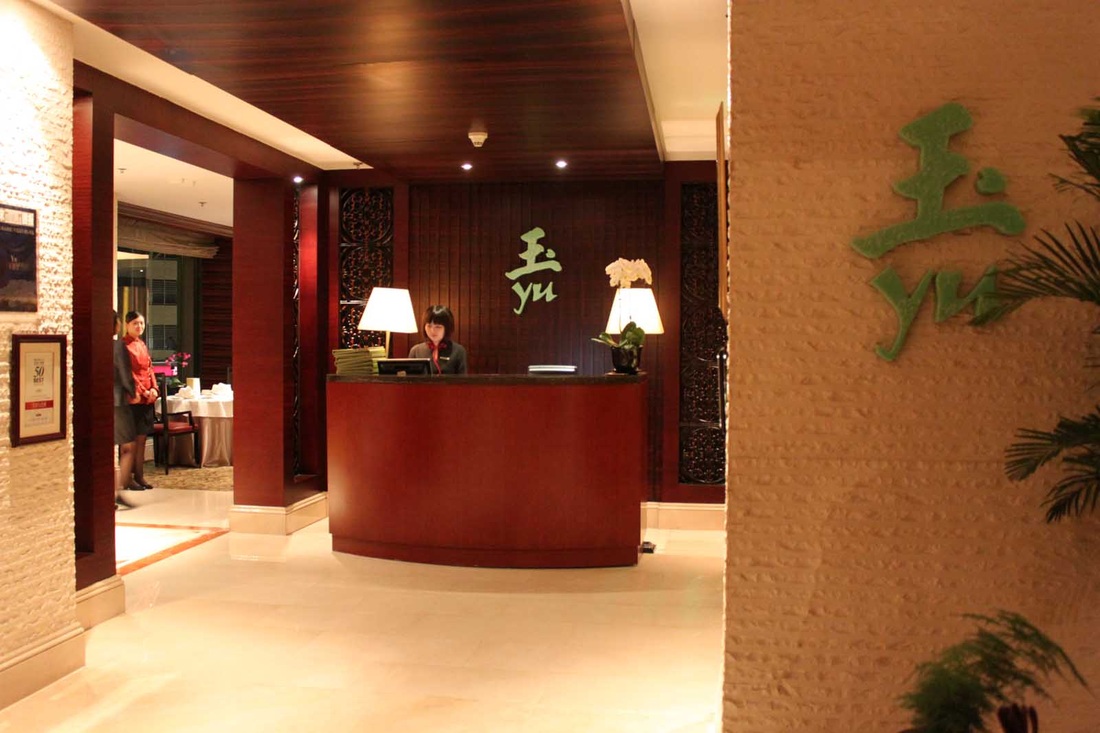 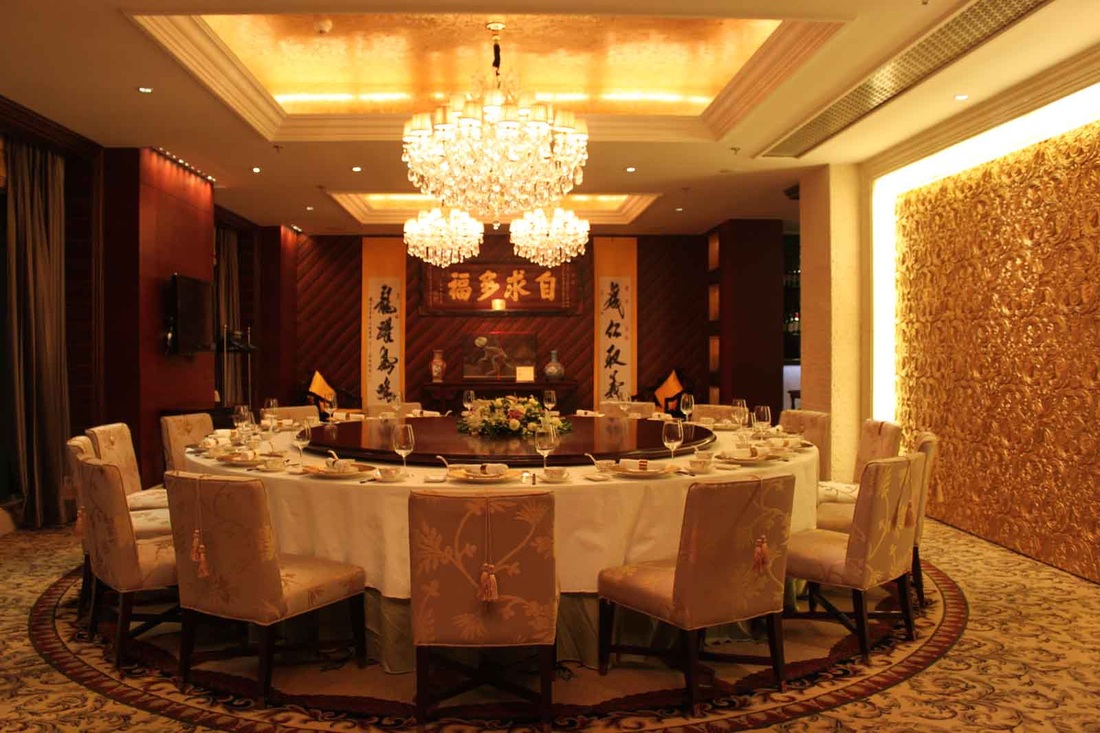 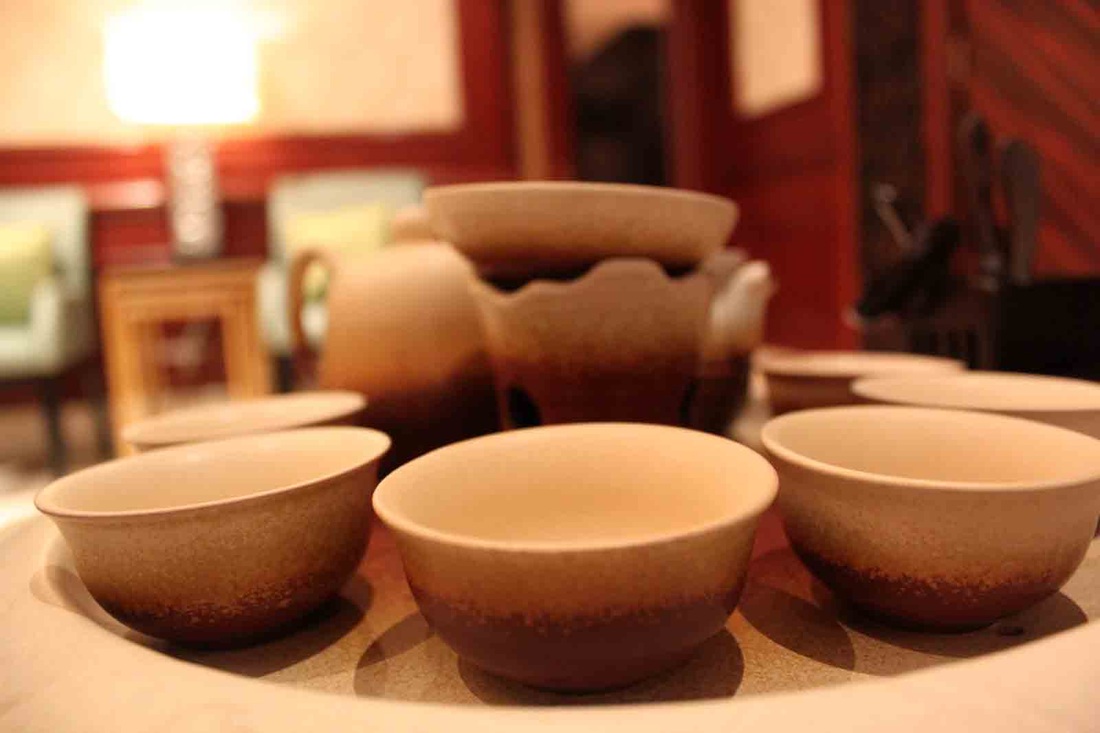 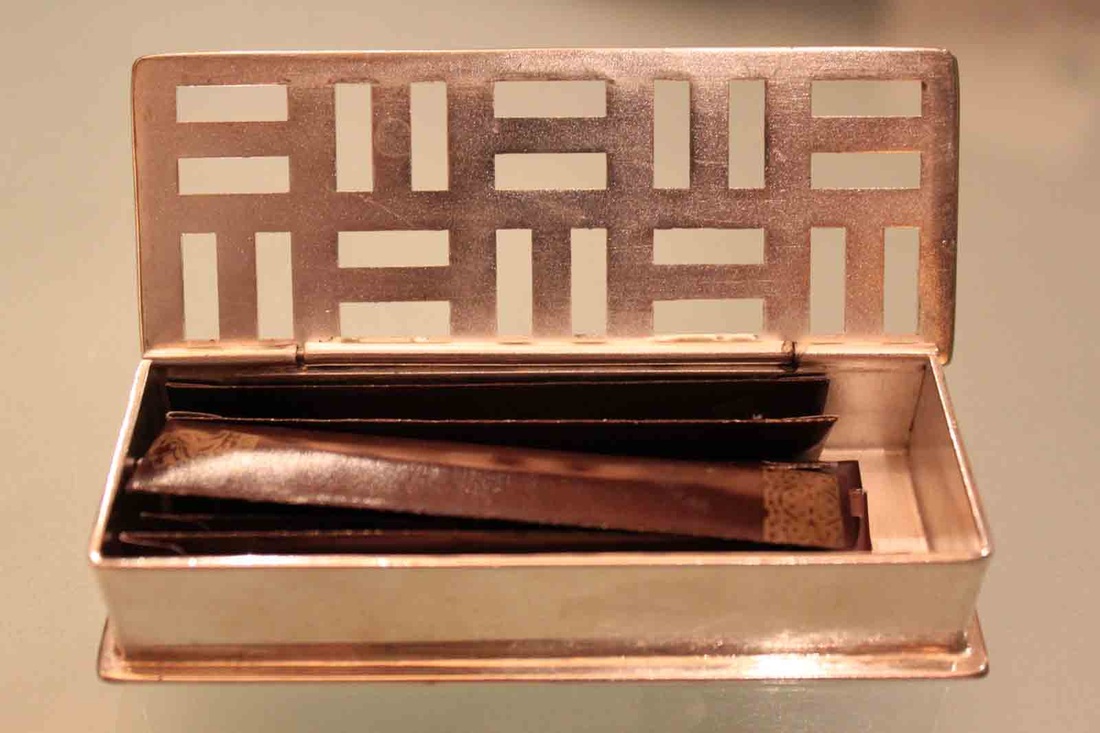 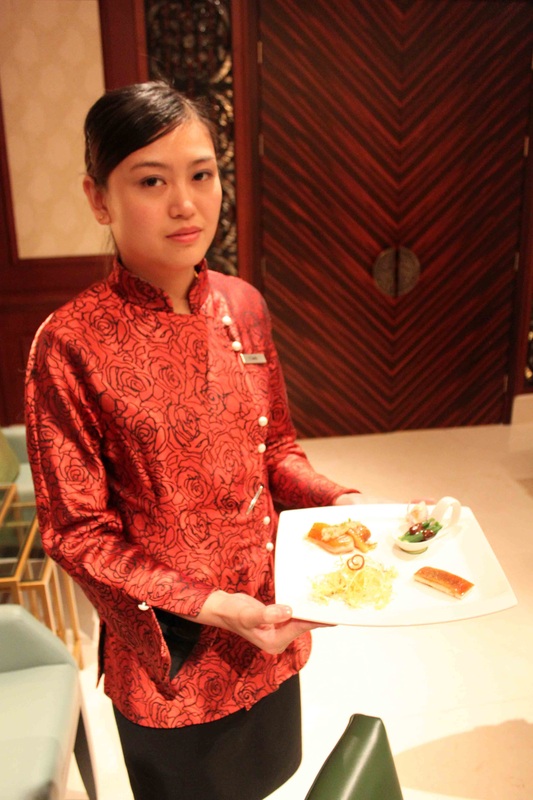 |
Get in Touch:LIFE MATTERSHere I share my thoughts
and experiences during my travels, and how some things have affected my life as an expat and world traveller. Travelling is about capturing that moment in life. Every word, view and opinion on this page is that of Navjot Singh - except where indicated. The most recent is at the top. Scroll down to read the archive. Or search using CTRL+F (COMMAND + F) and enter a keyword to search the page. Just some of the stories you never heard before. The NAVJOT-SINGH.COM web blog is separate to this web site....Click blog, which may not be visible in some countries due to local firewall restrictions, so in those cases this weblog may be read. The weblog also includes some of my press trip reports- most of which are not published on the official blog because of copyright issues. The weblog also contains articles that may be associated directly with a PR trip for a country, airline or a hotel. These are PR reviews done in relations with various companies. If you are an investor or a trend watcher then you may find this website useful as investing has a lot to do with personal observations and finding the ideal trend or next big thing. The average human on the street frequently knows far more about the state of the economy than politicians, university professors, subject matter experts, and financial analysts who seldom travel, or if they do so, only from one hotel to another hotel! The pulse and vibrancy of an economy is nowhere more visible than on a country's streets. 
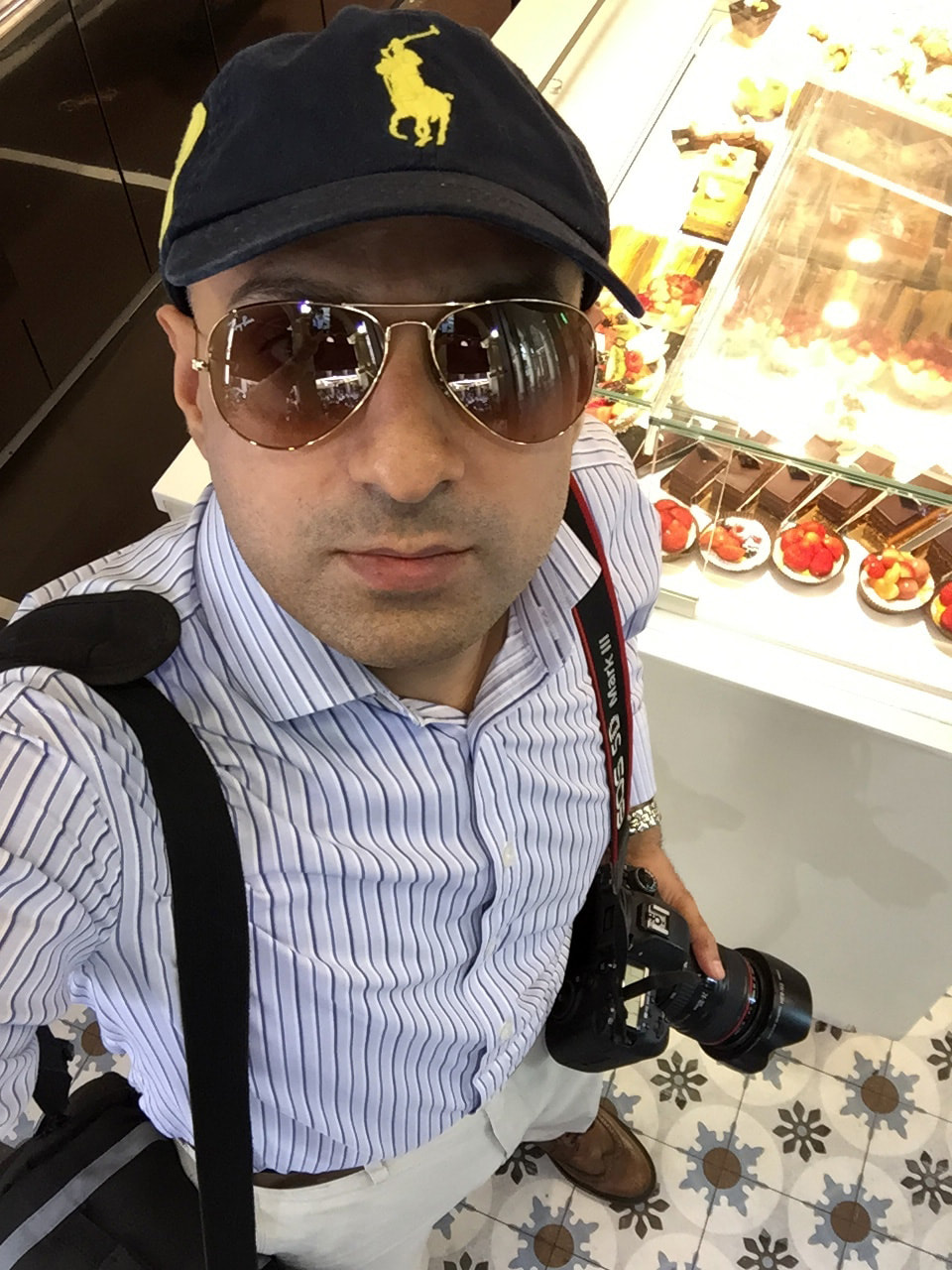
All photos and words are © Navjot Singh unless stated. Photos taken by others or by agencies are appropriately copyrighted under the respective name. No photo or word/s may be taken without the prior written permission by the author (i.e. Navjot Singh). All Rights Reserved. 

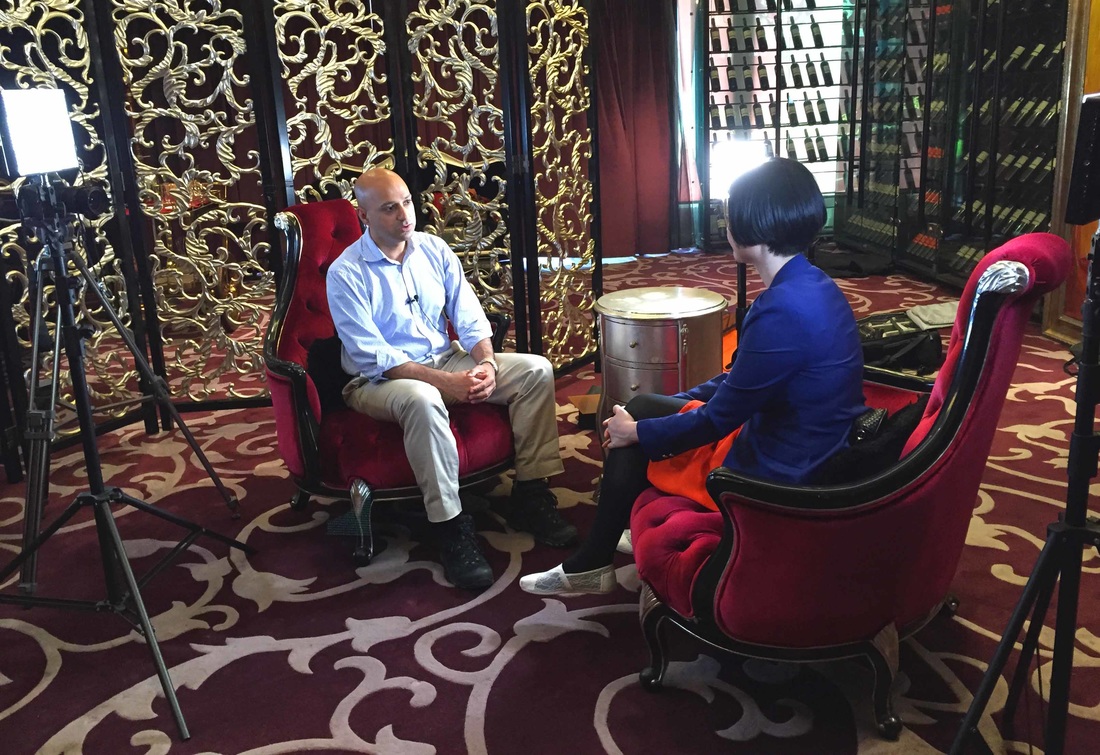
Navjot being interviewed by Cecila Lu at GDTV.
Archives
February 2024
Categories
All
|



 RSS Feed