|
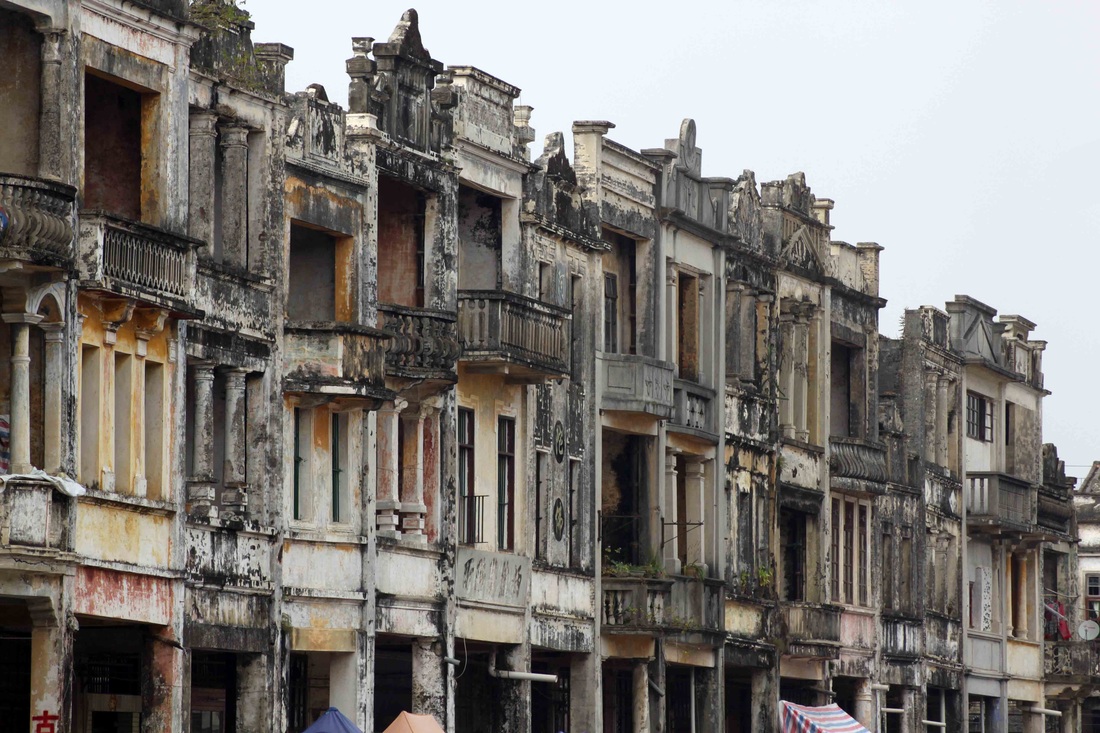
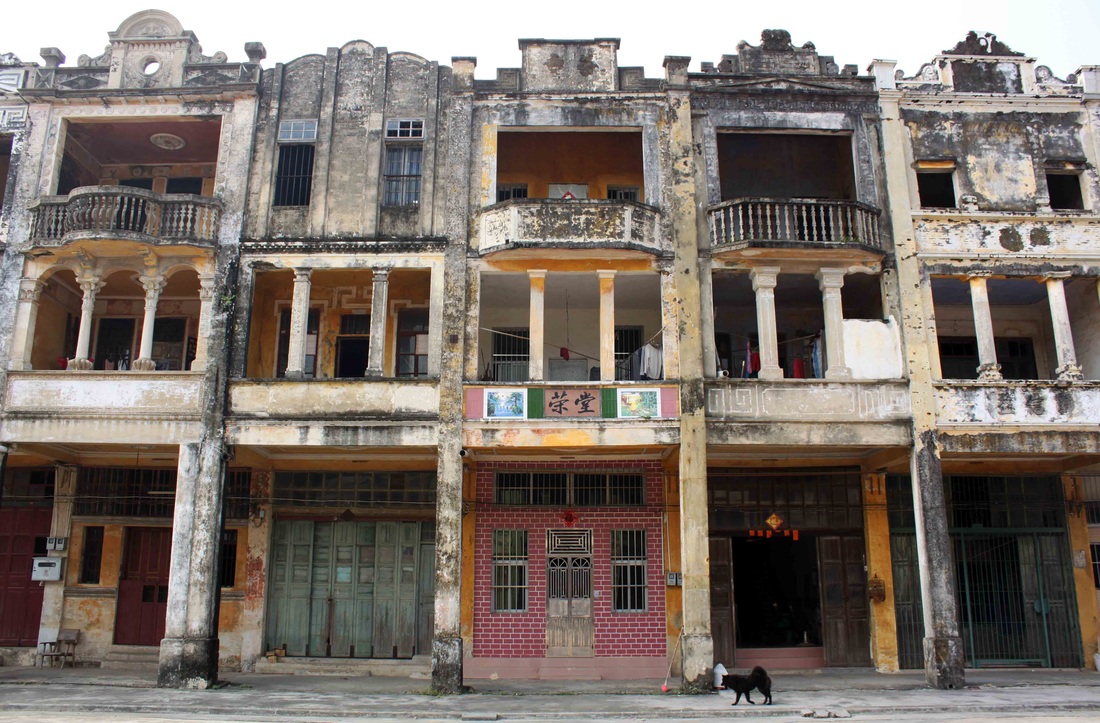
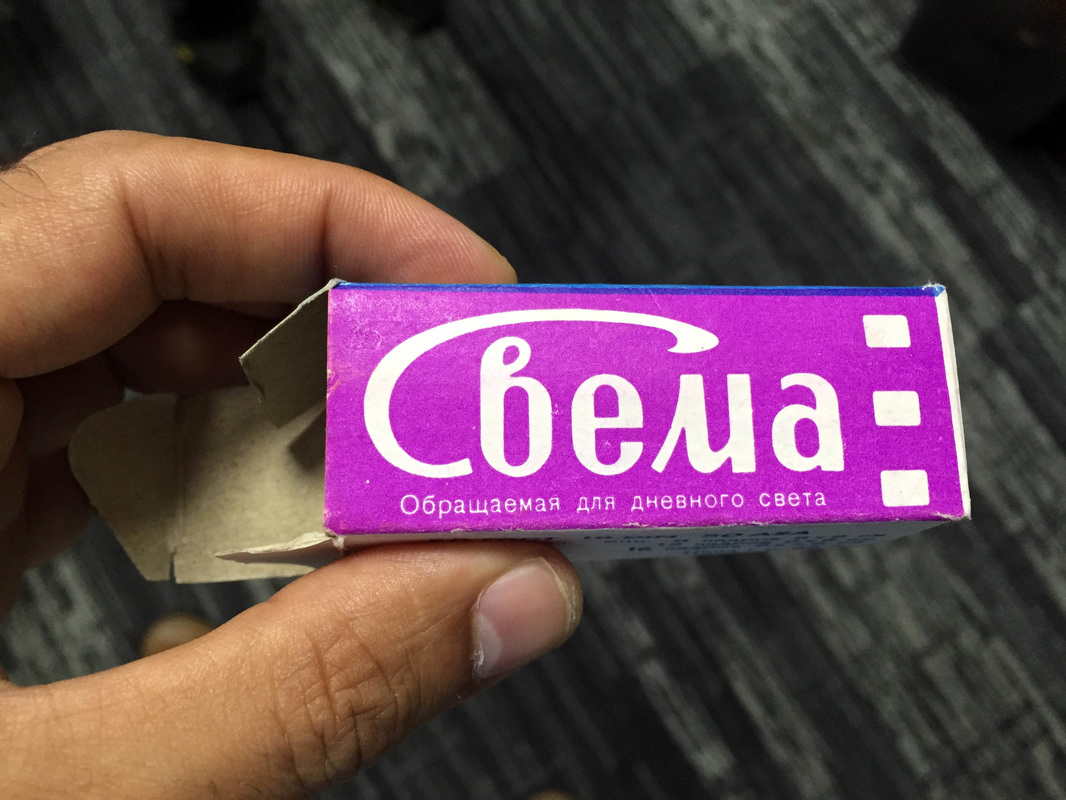
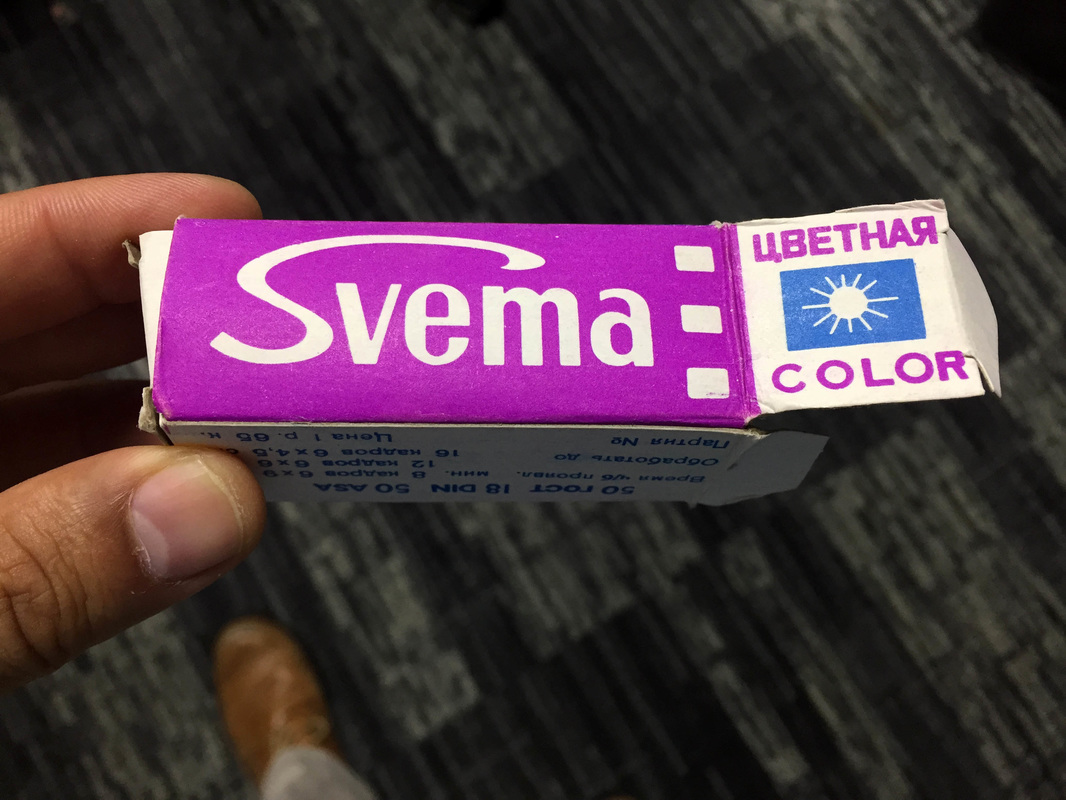
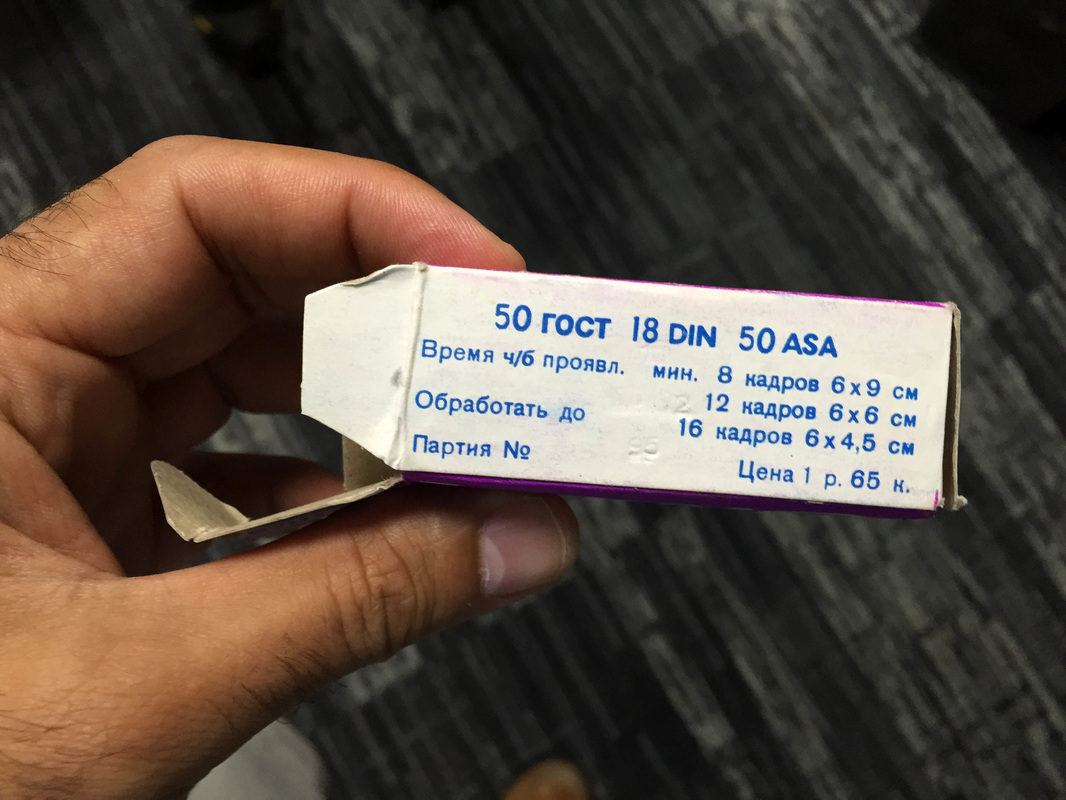
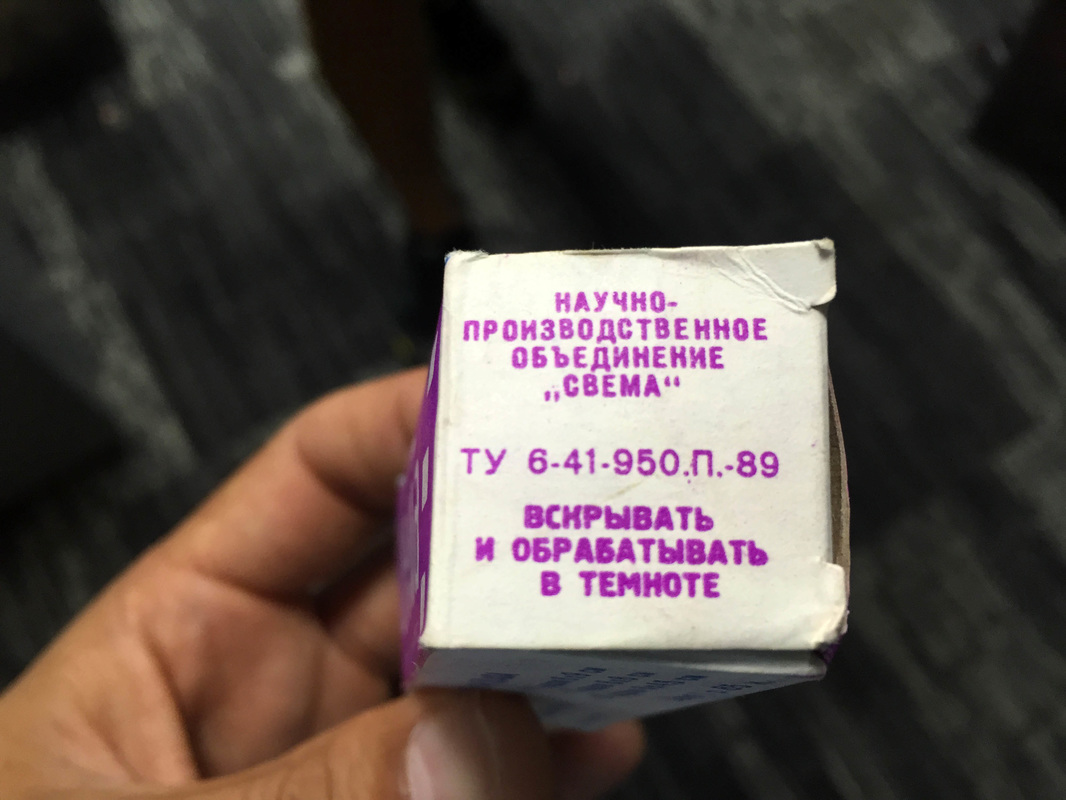
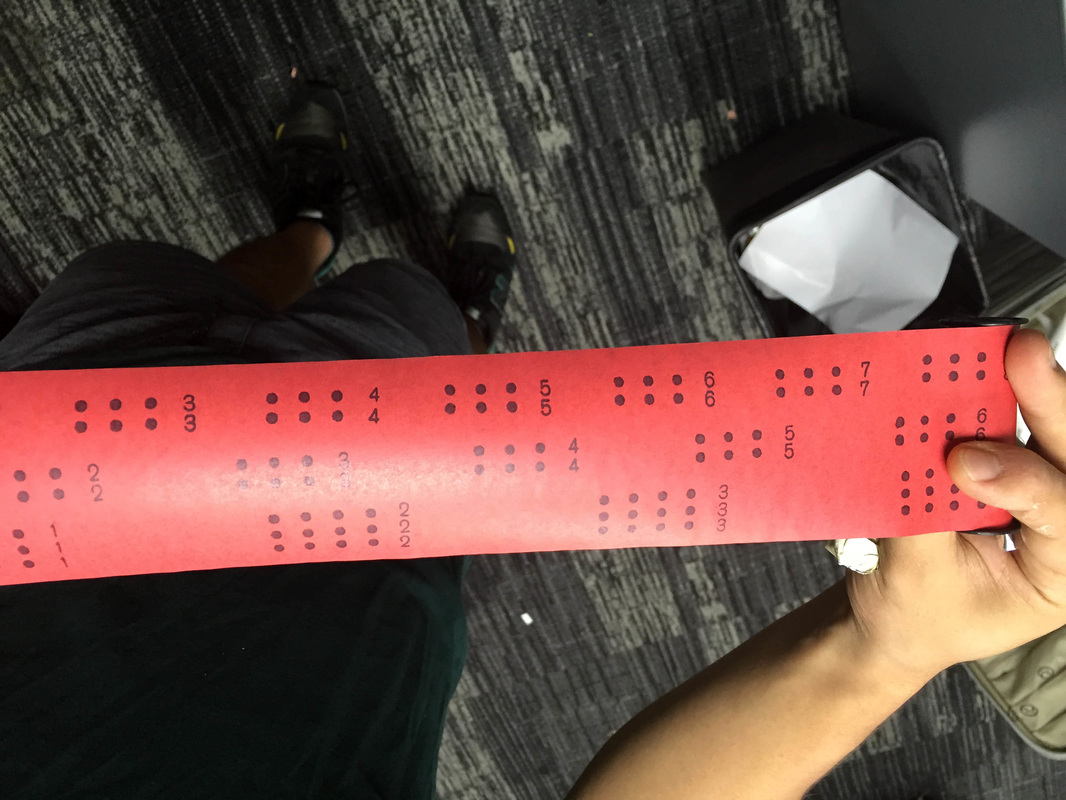
When the news of the COVID-19 coronavirus outbreak was first broadcast in the UK, a lot of the media were using Chinese faces, people wearing masks, and this created a stereotypical and wrong image in some peoples minds, effectively fueling anti-Asian racism and xenophobia. Because my wife is Chinese, and so my daughter is of mixed race heritage, as I was walking back from the school run with her, I happened to experience something unpleasant. I shared my experience in an interview with China's CCTV national news. Here is the link and below is the video. It was also published on Twitter. In Chengdu...home of the Panda, Sichuan opera and the exceedingly HOT Sichuan food...Not sure why Chinese people always complain about Indian food being hot...in my opinion Sichuan cuisine is hotter than a chicken vindaloo! Except for the Panda and the local cuisine, the city doesn't really have much to offer for the tourist. In terms of quality of life, the city provides very attractive lifestyle options for expatriates (lots of companies dealing with the oil and gas industry are based here), however in my opinion, Chongqing, Beijing, Guangzhou and Shenzhen are more attractive and full of life for both tourists and expats (except the haze in four of those cities!). I stayed at the amazing Ritz-Carlton, Chengdu VIEW MORE PHOTOS 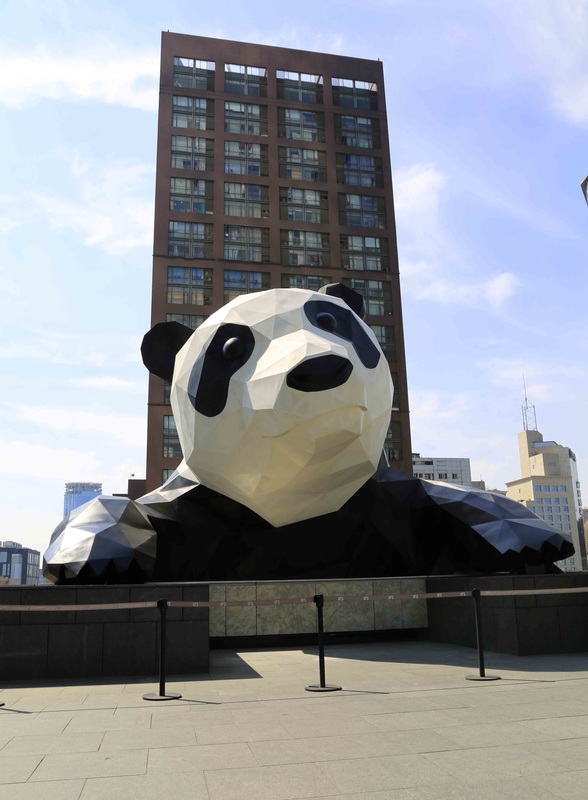 Quite possibly the biggest Panda in the world?!: Photo Copyright Navjot Singh 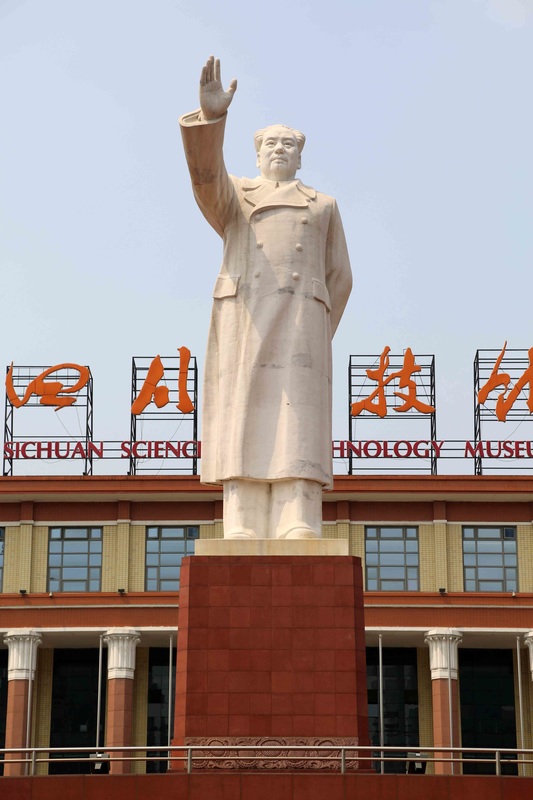 Sights of Chengdu: Photo Copyright Navjot Singh 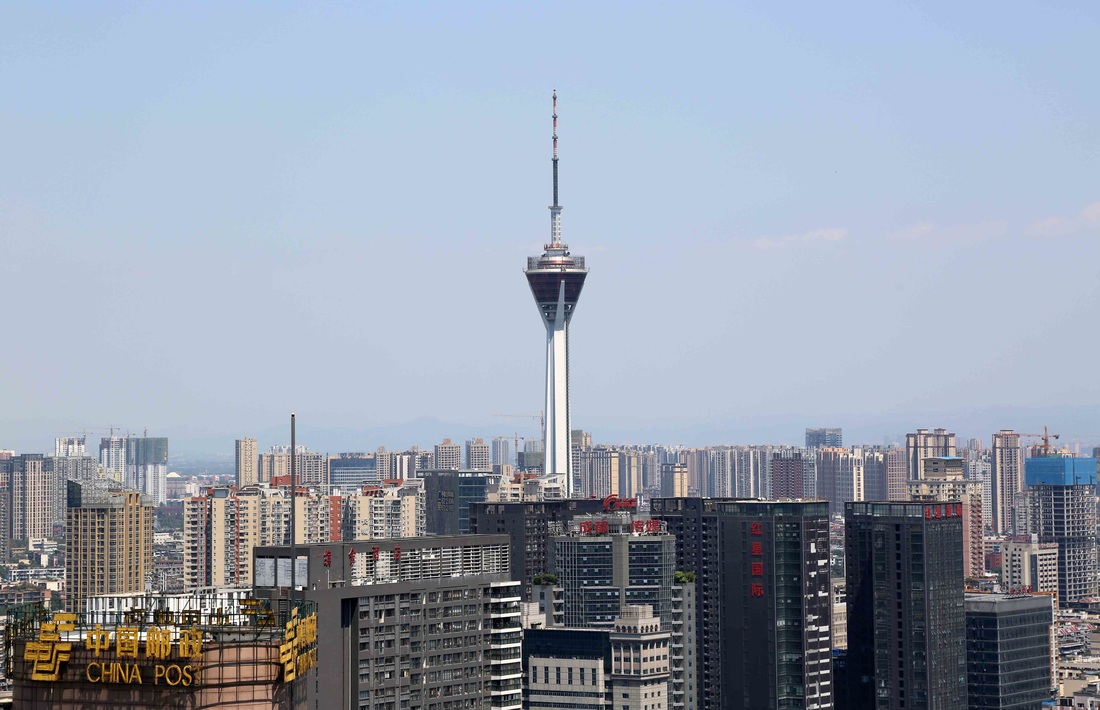 Sights of Chengdu: Photo Copyright Navjot Singh 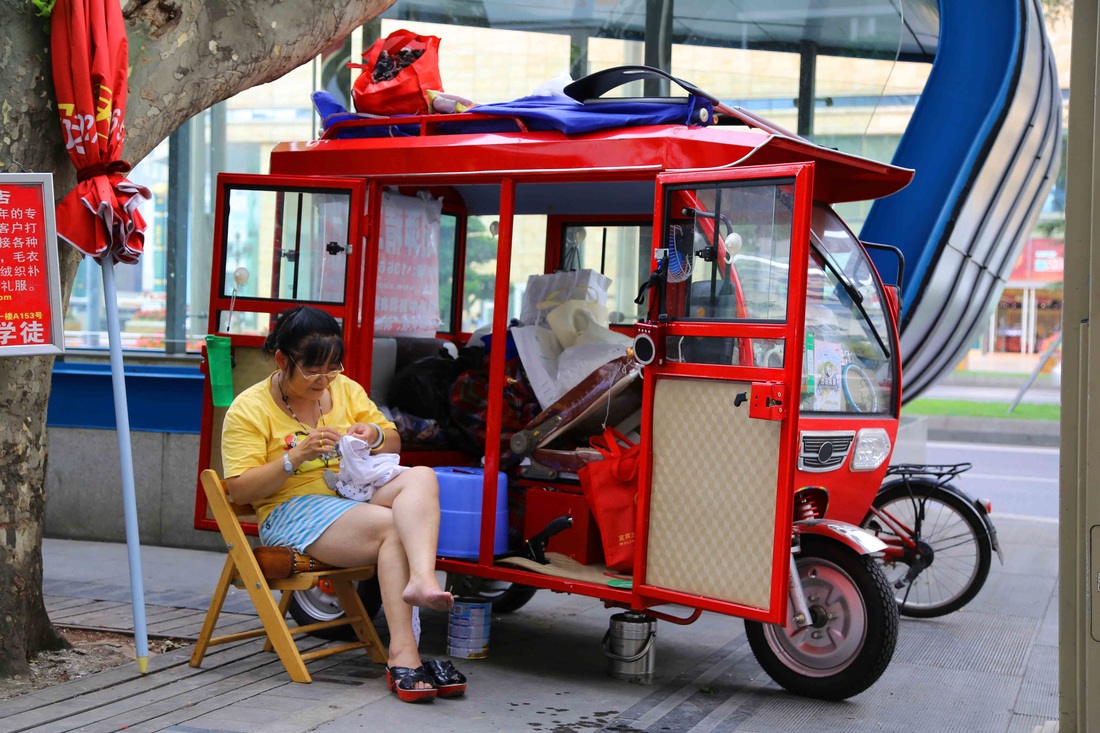 Sights of Chengdu: Photo Copyright Navjot Singh 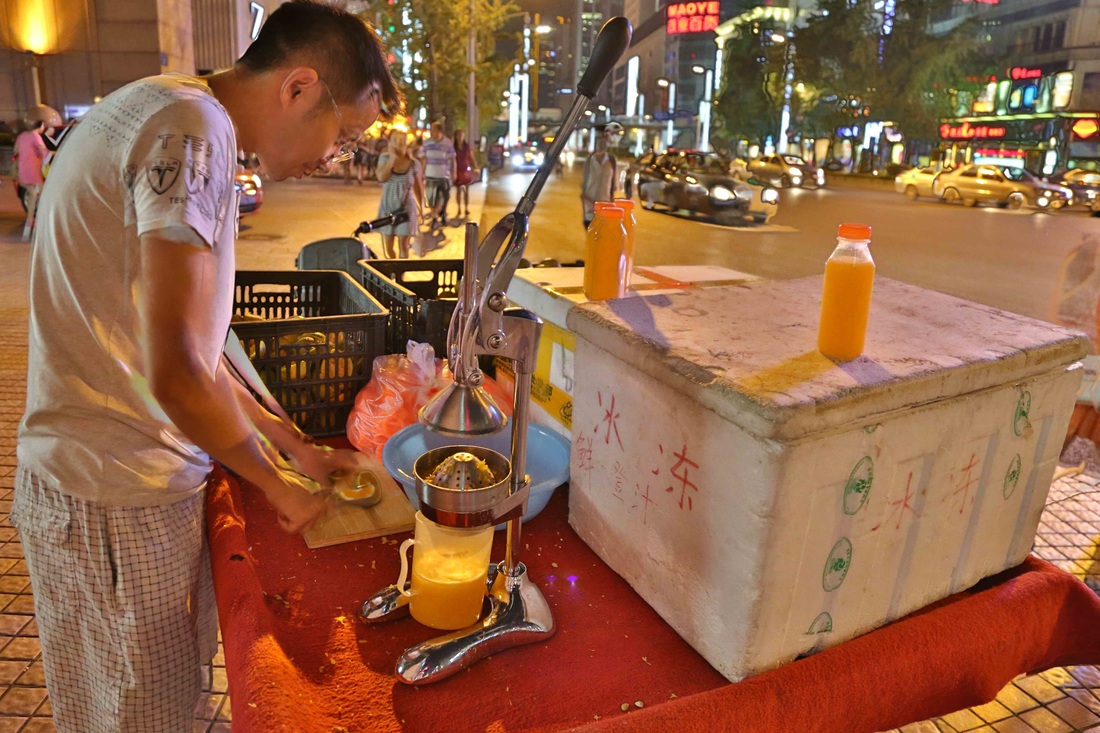 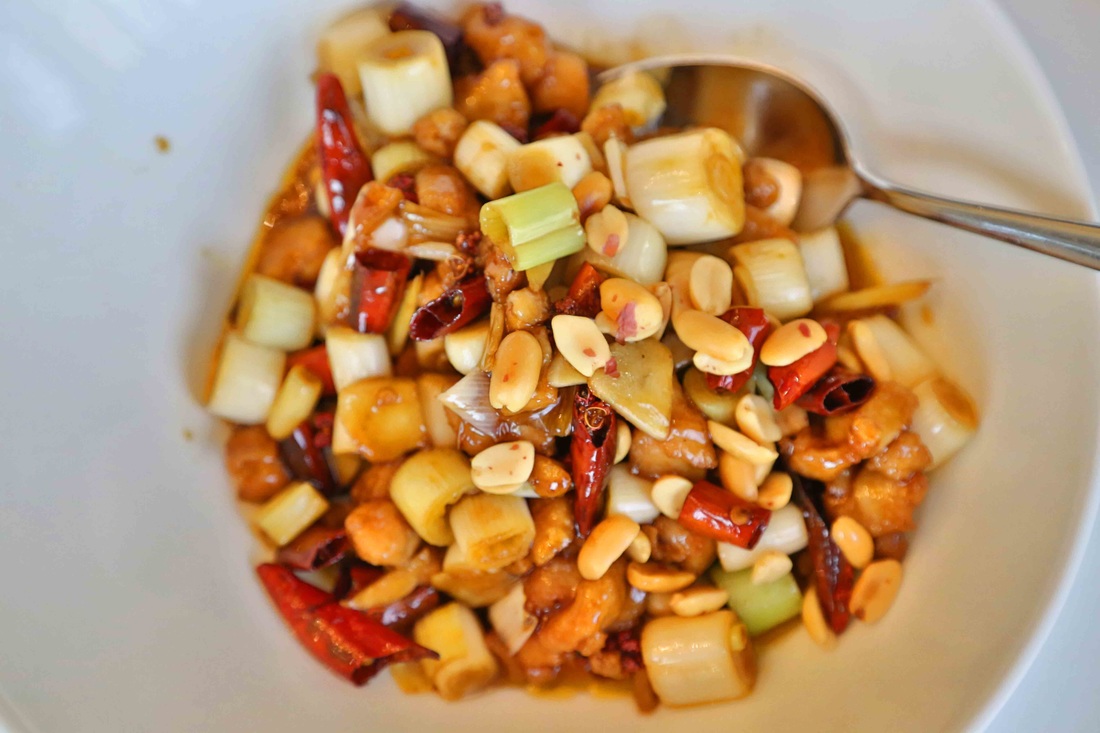 Spicy chicken: Photo Copyright Navjot Singh 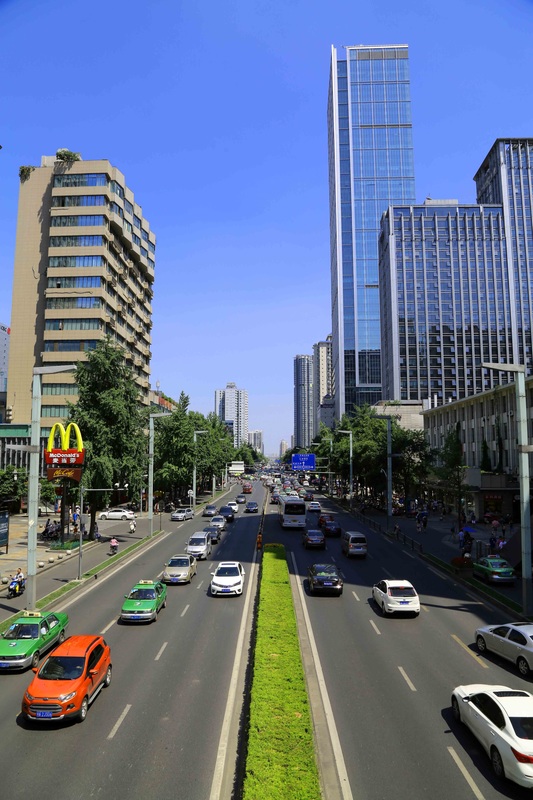 Chengdu: Photo Copyright Navjot Singh The BEST orange juice ever, and only 10 RMB: Photo Copyright Navjot Singh 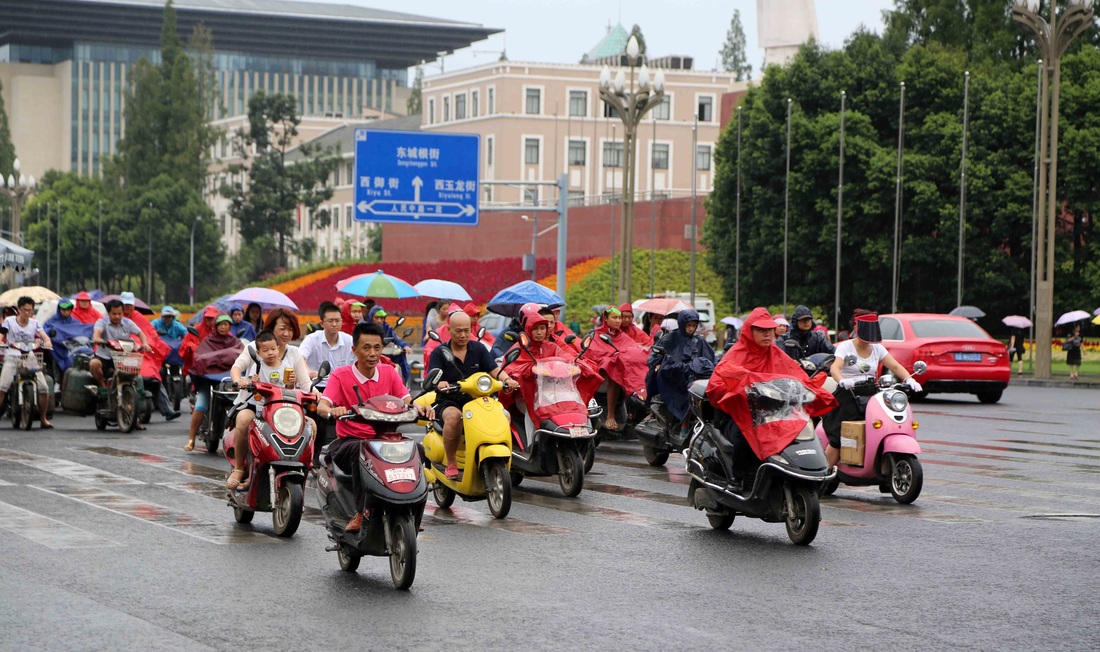 Business as usual in Chengdu: Photo Copyright Navjot Singh 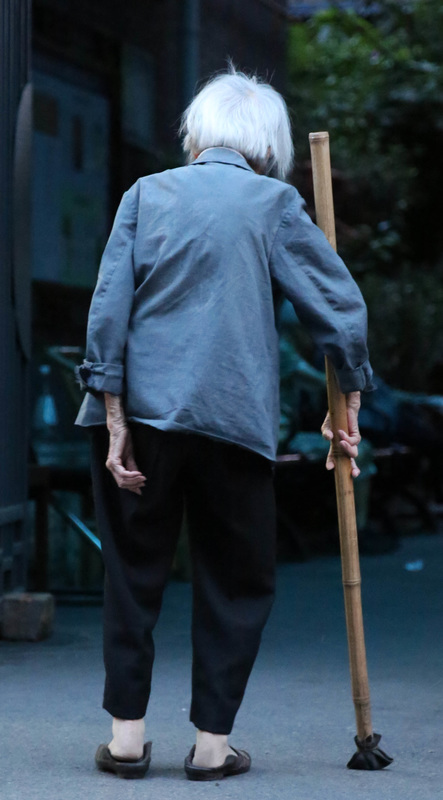 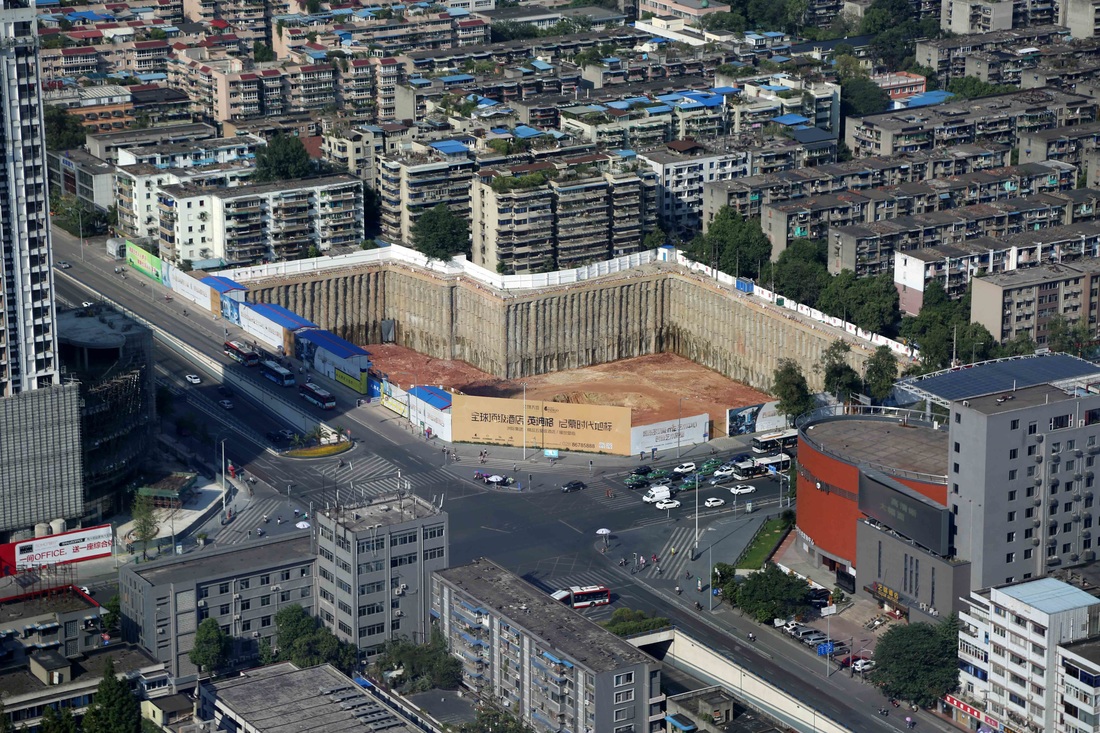 Athens? No, this is Chengdu: Photo Copyright Navjot Singh 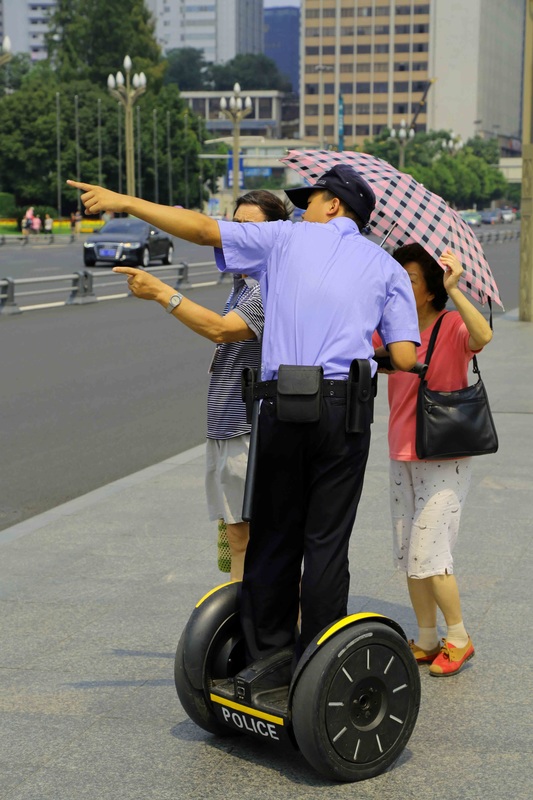 Police on Segways in Chengdu: Photo Copyright Navjot Singh 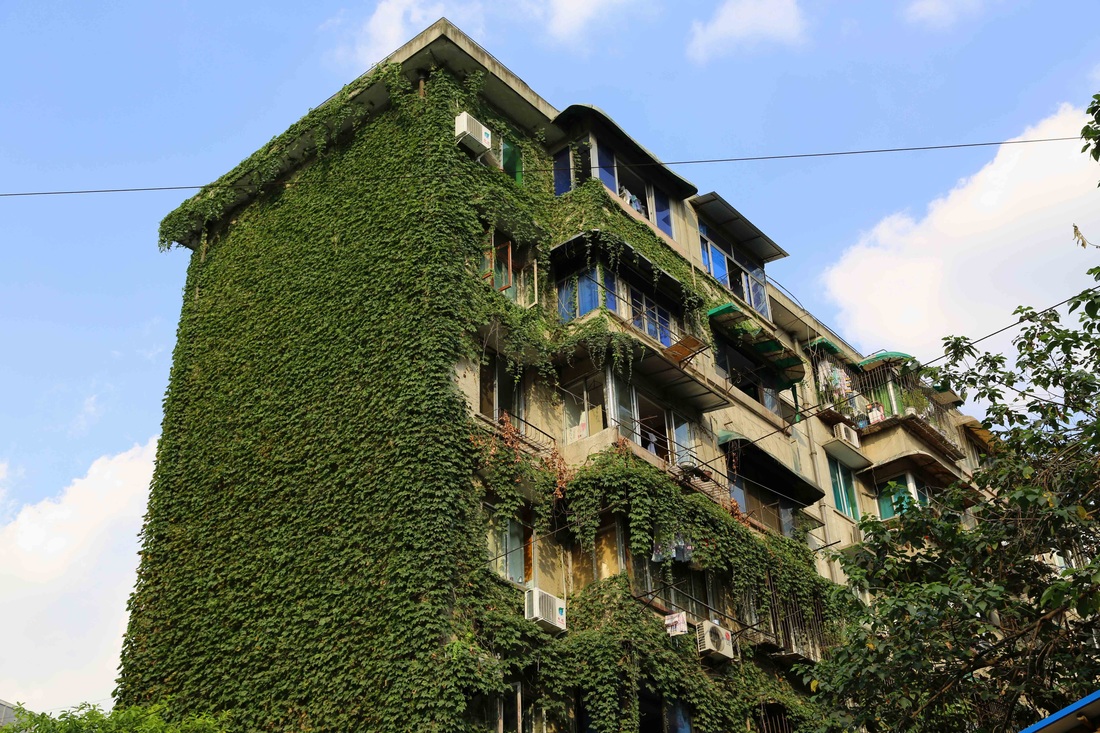 Traditional Sichuan Style homes...a dying breed among the concrete jungle: Photo Copyright Navjot Singh 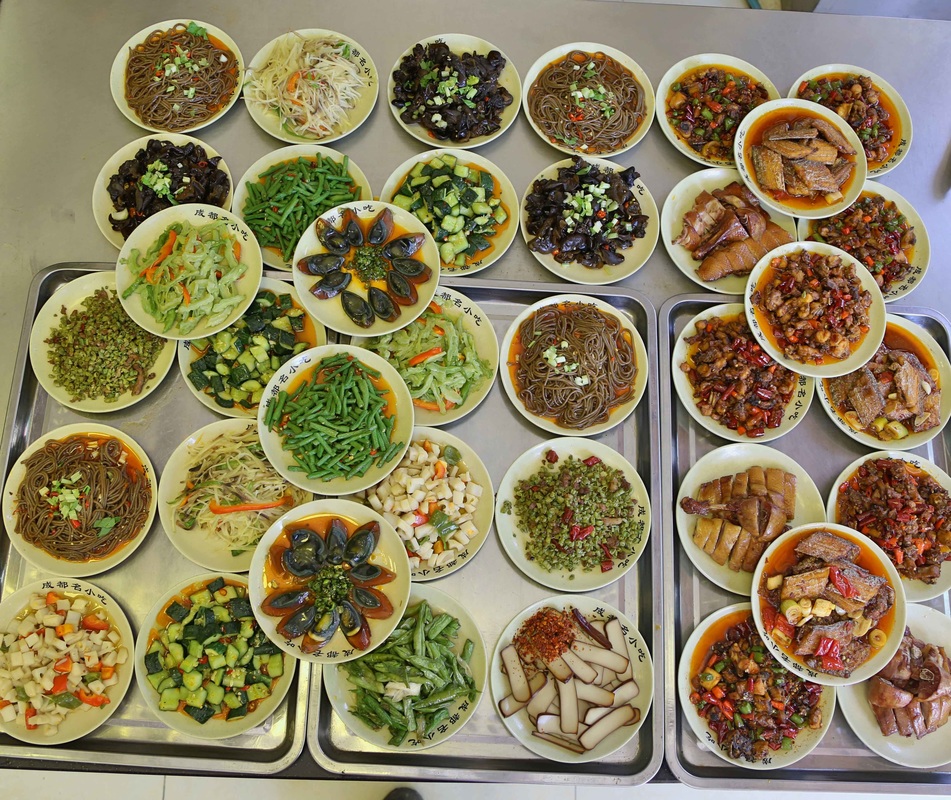 Sichuan food galore!: Photo Copyright Navjot Singh 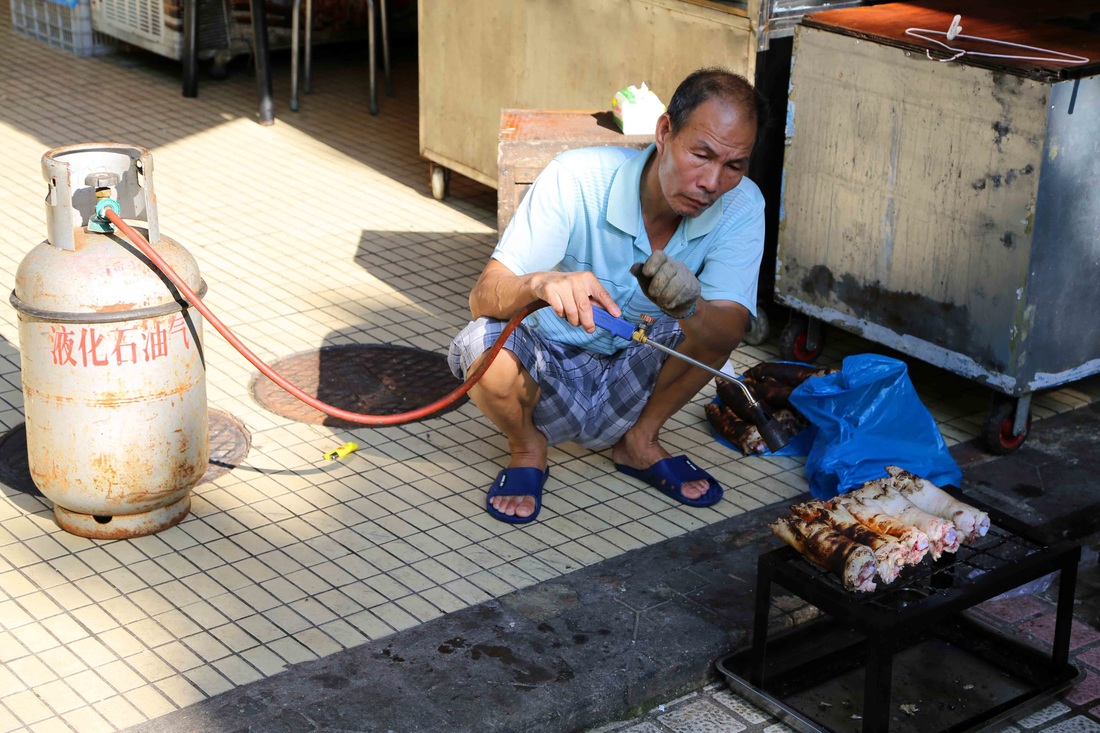 If you ever thought you had it bad in your kitchen, think again. Spare a thought about people, such as this man in the picture, who have to use the basic means to get their daily cooking done (Pig feet for dinner in this photo btw): Photo Copyright Navjot Singh After I left Hangzhou, I decided to go and work for a company called DJI in Shenzhen for a short period as a copywriter. DJI, which stands for Dajiang Innovations, is a Chinese company founded in 2006 by mainland-China born Frank Wang Tao, after he graduated from Hong Kong University of Science and Technology, where he studied electronic and computer engineering. Wang developed the idea for the company from a research project at the university, which he effectively turned into an idea for him to get this first start-up up and running in Hong Kong. However, initially Wang's efforts went nowhere, due partly to a lack of funding, lack of government policy support and other operational issues in the city. In the process, Wang was forced to give up Hong Kong as the first choice for his start-up and later launched DJI across the border in Shenzhen. The company manufactures commercial and recreational unmanned aerial vehicles for aerial photography and videography (the question of whether they are used for military purposes has never been, and I suspect, never will be officially disclosed). Shenzhen is not only the home for DJI (whose offices are in the same building that houses the HQ of Chinese household electric firm, Skyworth), but also the hub for many other key technology businesses including Tencent, the parent of the popular real-time messaging app WeChat, Huawei, ZTE, Konka, Mindray, TCL and many other Chinese tech firms, some of which are mega household names in China. DJI's HQ building is located in Shenzhen's science tech park, Ke Ji Yuan, while all the manufacturing and product testing is completed at a factory located on the outskirts of the city. During a visit to the factory, I was highly impressed to see how neat and clean the facilities were compared to most of the Chinese factories I have seen. The staff, all of whom we were told to be highly-qualified adults, seemed to come across as being very proud and happy to work for DJI. So what is it actually like to work in DJI? While I cannot divulge much into the company's inner happenings, I would say that I had the pleasure of working with some of the brightest minds, both Chinese and International, of any Chinese company I have worked for in the past. While most Chinese companies have still a long way to go before they can class themselves as being the next Samsung, Apple, Nissan, Toyota etc., DJI on the other hand is one of the few Chinese companies which I feel is on its way of turning itself into a household name sooner rather than later. Why? Well, to start with, most of the engineers and product designers have a strong background in aerospace engineering or related subjects (some of them have no doubt been poached from Boeing, Airbus etc.), the content and video production team is made of professional writers and video editors (some of whom have a background in Hollywood), and most importantly, the PR team has strong connections with the media industry. They have certainly set the firm foundations of a long-term plan to aggressively go into a market, which is being increasingly competitive. The offices themselves are very neat and clean, and have an international/multi-national feel to them. Outside it may be Shenzhen, but inside the premises it could an office based in London, New York or any other Western city. Some of the unusual behaviour that you may encounter while working for a local company is thankfully not clearly visible (I am not going to divulge into details). Wang has been quite instrumental in securing strong financial backing from keen investors, and has made it his number one priority to really click the right buttons when it comes to digitally engaging with the consumer. They have realised that the future is mobile and that engagement through digital innovation is what is going to make DJI a leader in the technology- something that their competitors can only dream of. It was a sheer pleasure to work with some of the brightest minds in the industry. 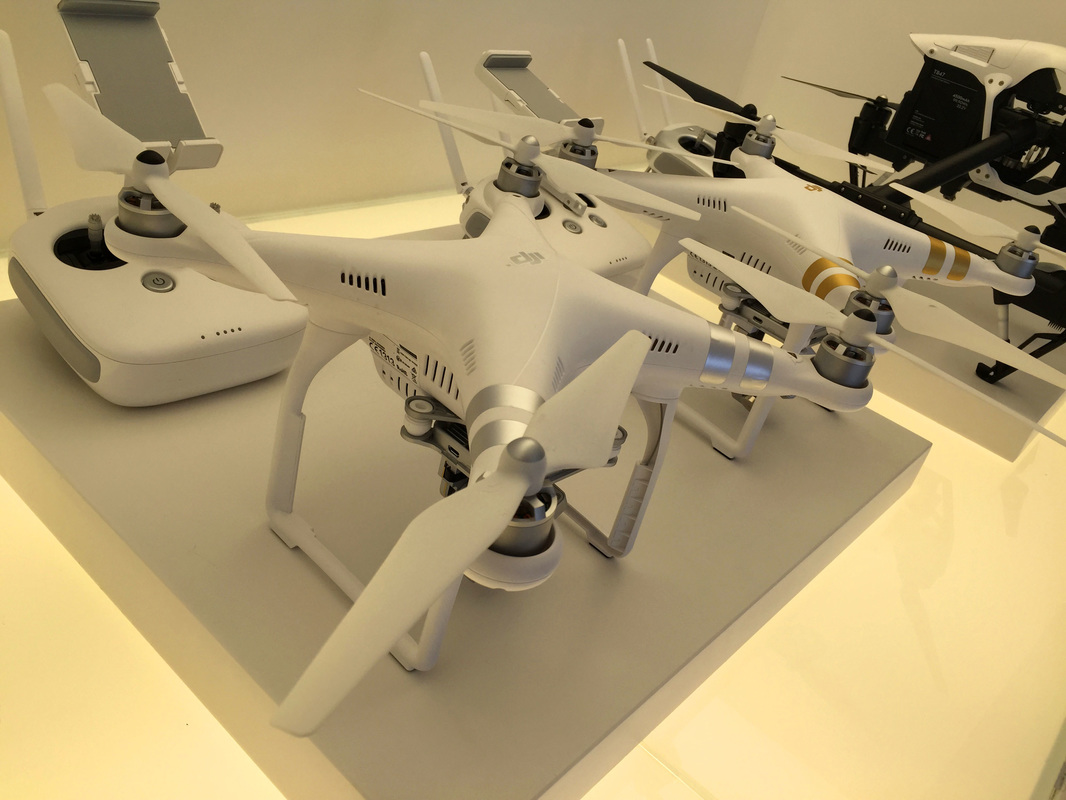 DJI equipment on display at the company's HQ in Shenzhen: Photo Copyright Navjot Singh 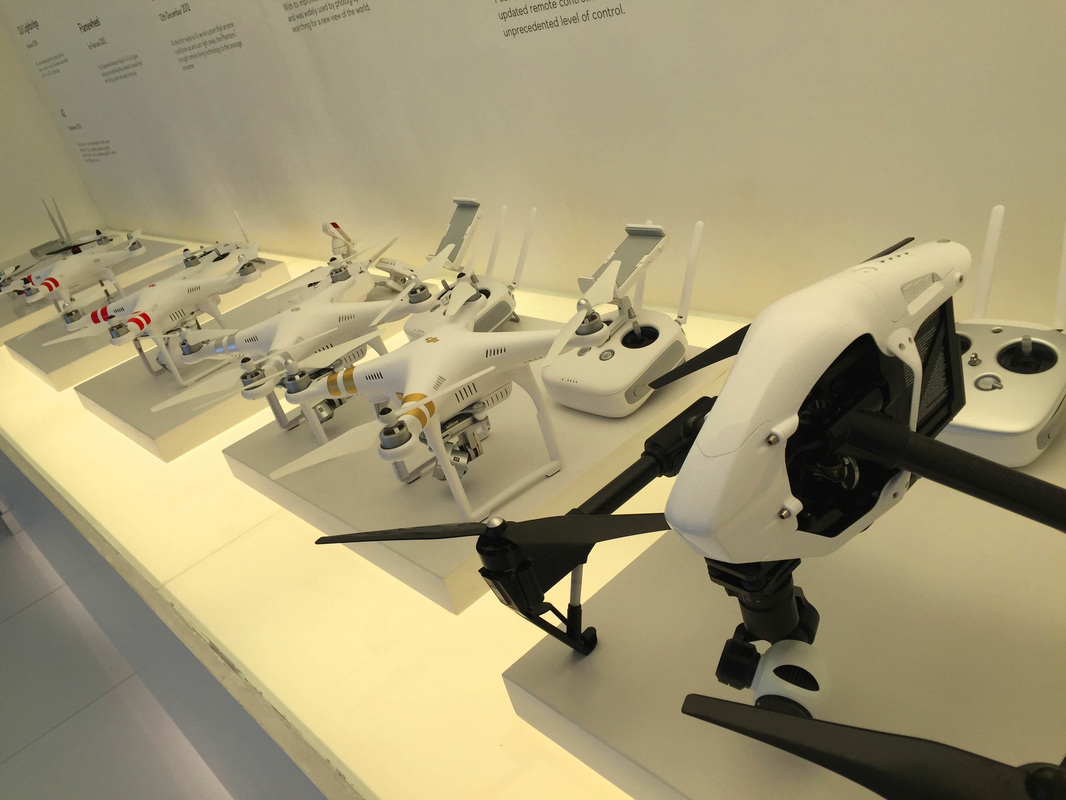 DJI equipment on display at the company's HQ in Shenzhen: Photo Copyright Navjot Singh Below is a video I presented showcasing the capabilities of the DJI Guidance SDK, which was released in June 2015. Below is a video I presented showcasing the DJI Matrice 100 and Guidance, which was released in June 2015. DJI in ChernobylThere were a few interesting projects I had worked on while at DJI. One of them involved writing about DJI's visit to Chernobyl with filmmaker Philip Grossman, who is making a documentary named ‘Exploring the Zone’. This documentary is part of a five-year personal project that Philip has been working on about the area surrounding the Chernobyl nuclear power plant, where in the early hours of 26 April 1986, one of four nuclear reactors exploded creating a 30km radius zone now known as the “The Zone”. Learn More One of my colleagues, who went with Philip to film the project for DJI, came back with a little souvenir from Chernobyl - an unused film (as seen below in pictures), which is still intact from 1986. A nice to keep gift. 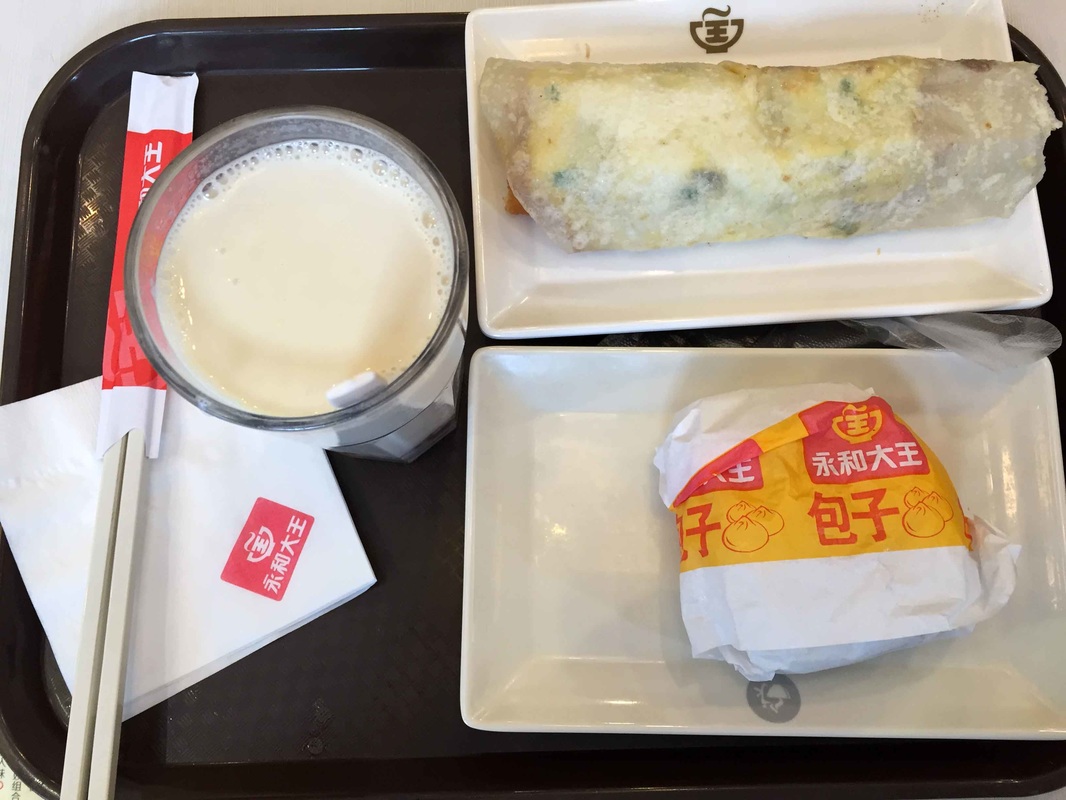 Eggs, Soya Bean Milk, and Ham Burger: Photo Copyright Navjot Singh 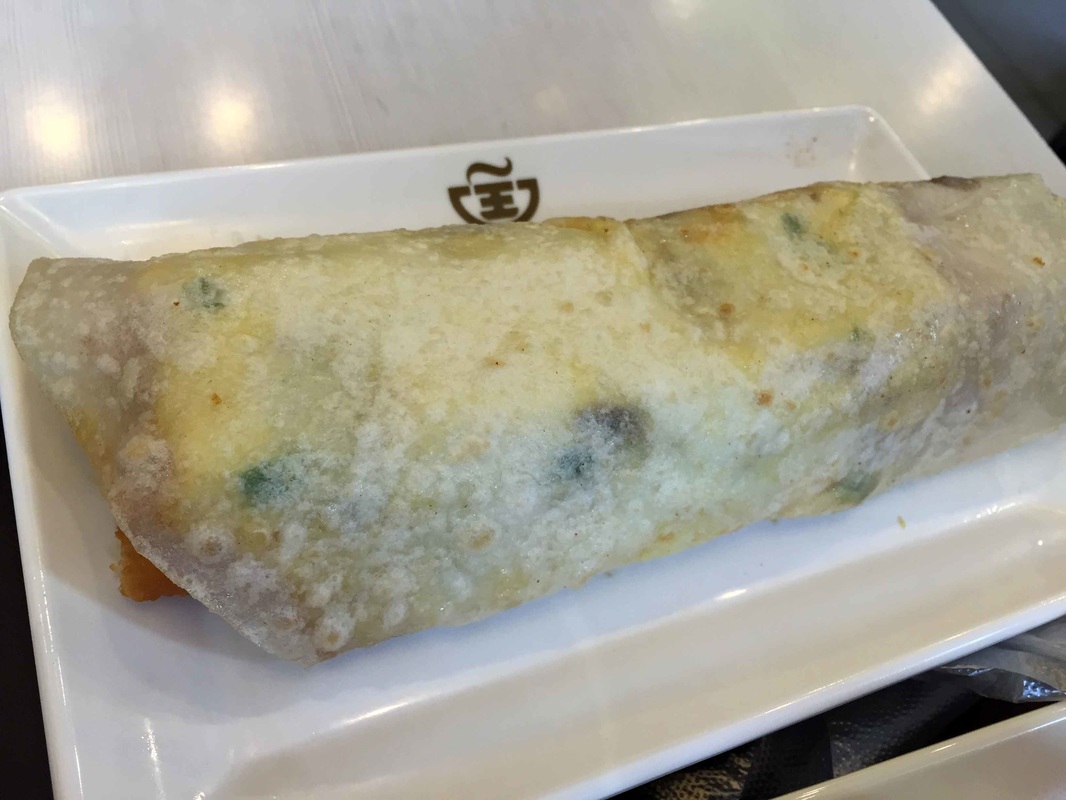 Delicious bread stick (you-tiao) wrapped neatly with a fried egg omlette: Photo Copyright Navjot Singh Article for the October 2014 issue of NIHAO, in-flight magazine of China Southern Airlines. 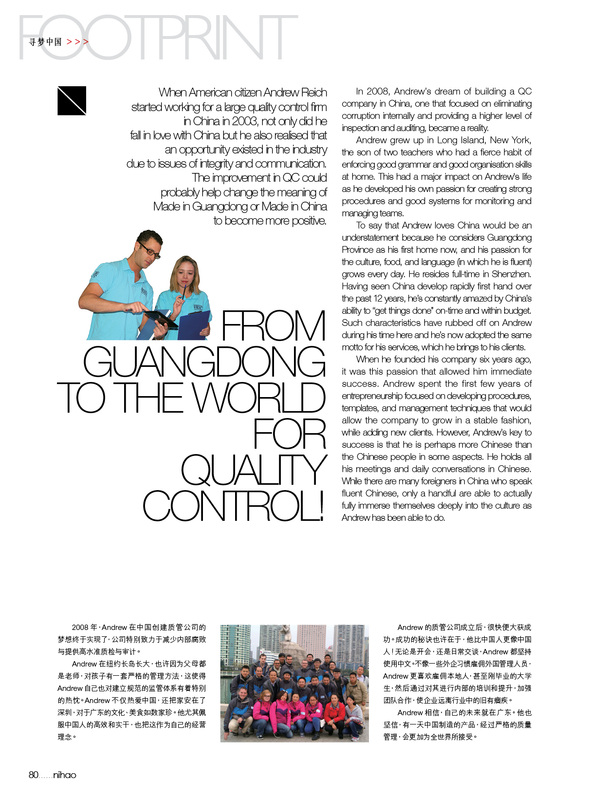 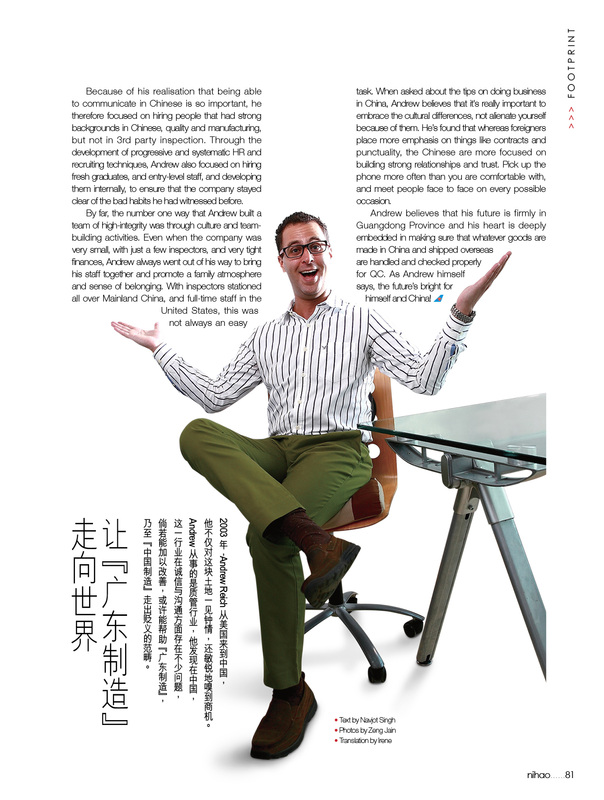 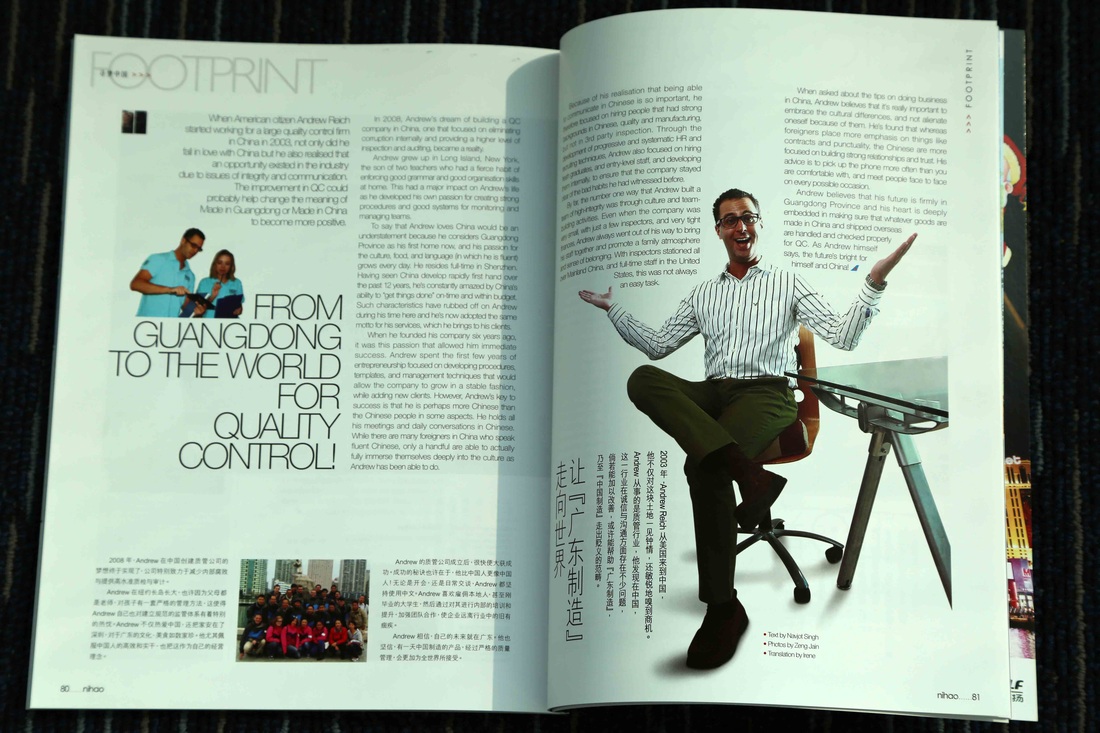 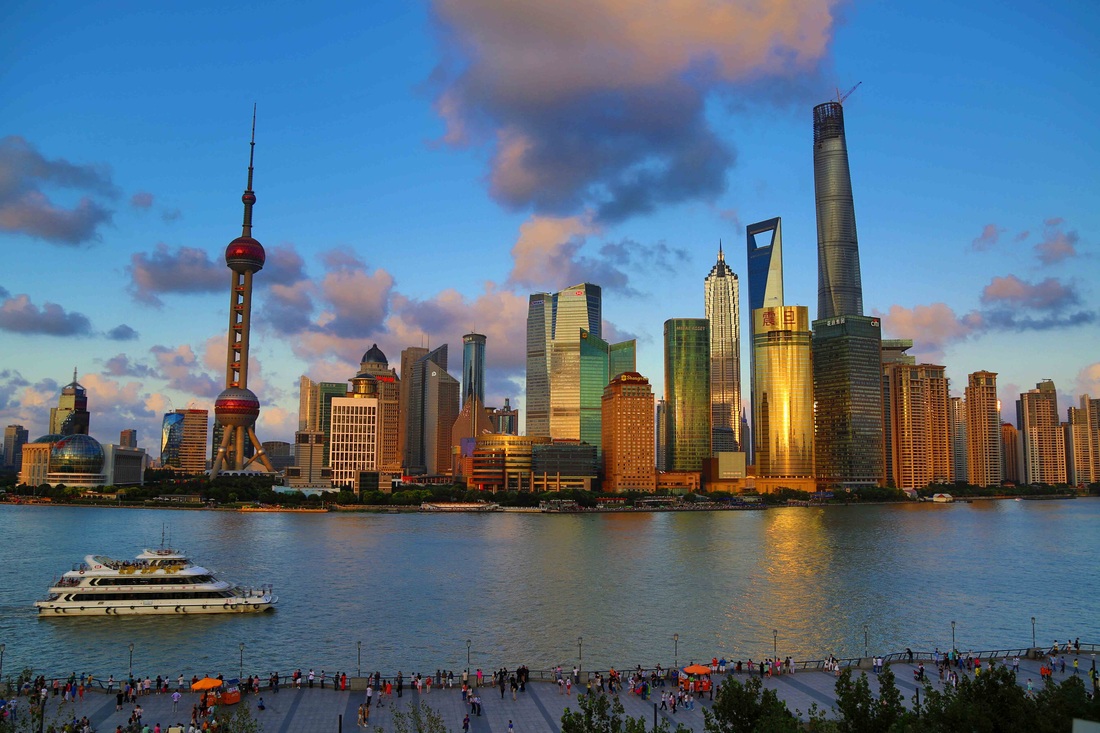 Photo Copyright Navjot Singh 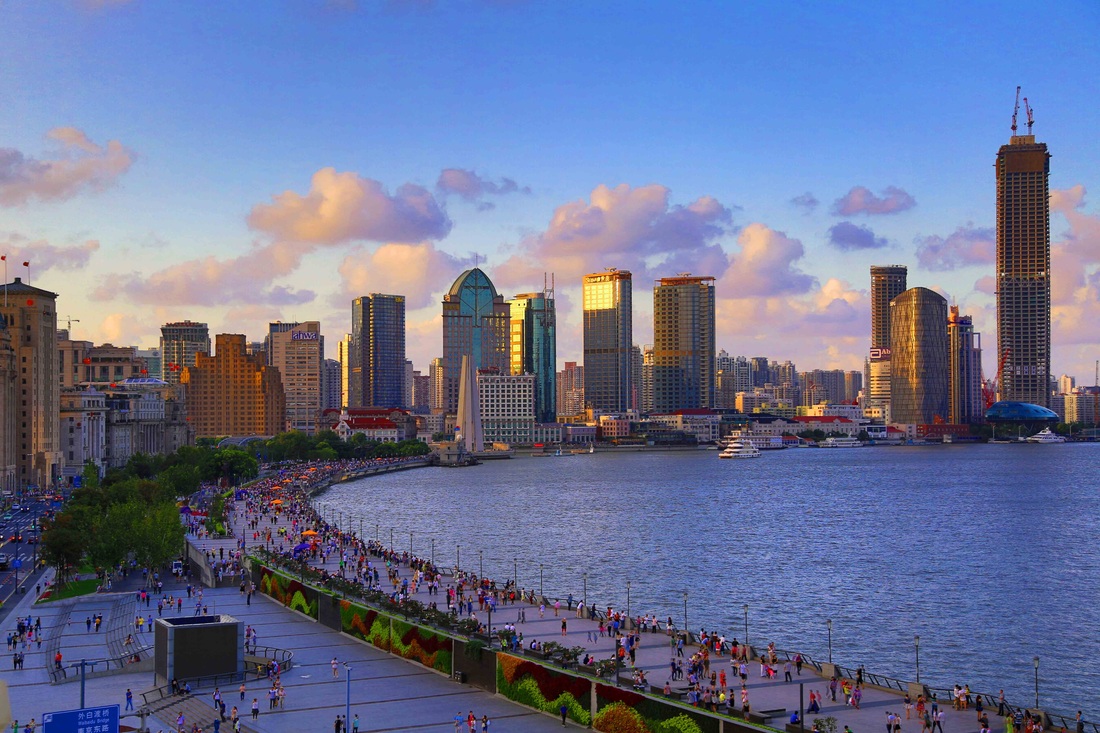 Photo Copyright Navjot Singh 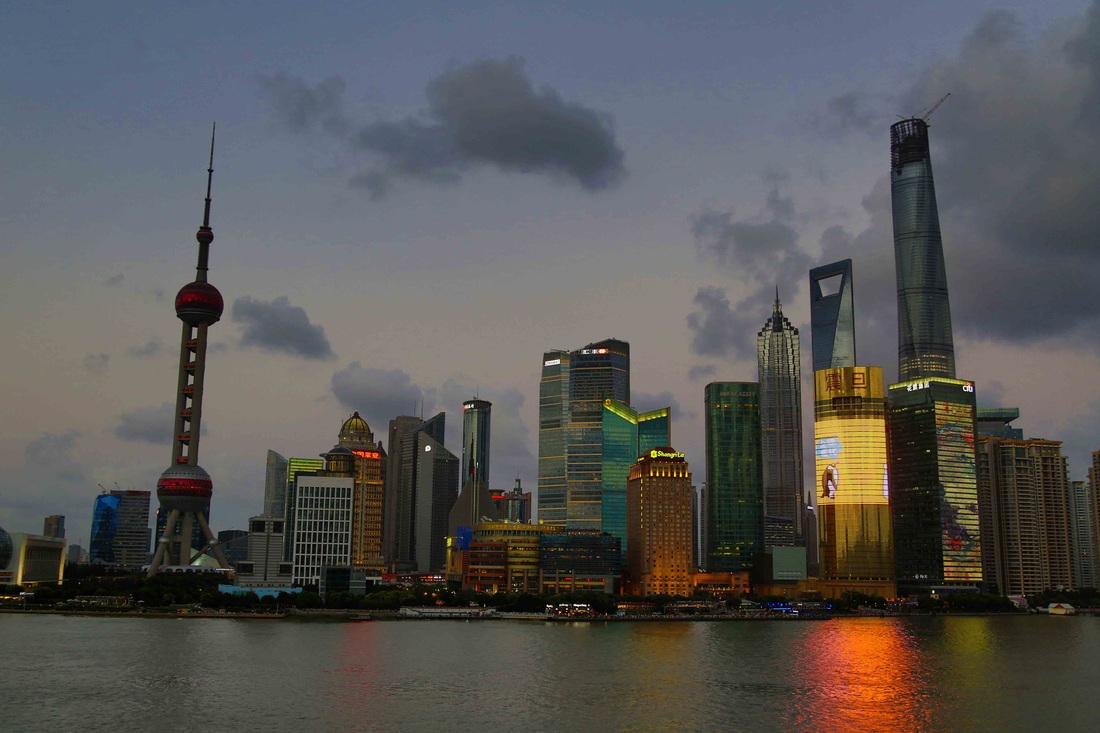 Photo Copyright Navjot Singh 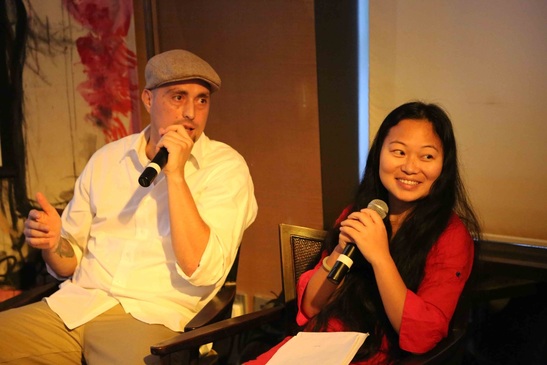 Husband-wife team -- Tom Carter with Hong Mei talking about their India travels at the M on the Bund: Photo Copyright Navjot Singh 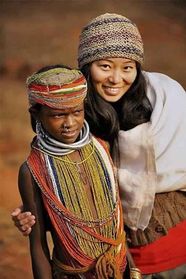 Hong Mei in India: Photo Tom Carter Hong Mei in India: Photo Tom Carter On the 14th of September at the M on the Bund in Shanghai, prolific Chinese author and photojournalist Hong Mei, accompanied with her husband, photojournalist Tom Carter, gave an exciting talk about her debut travelogue, The Farther I Walk, the Closer I Get to Me (title translated from Chinese), to an audience of around 100 people. The talk was followed by a lively question and answer session. Hong Mei became the first Chinese woman to backpack across the entire Indian subcontinent. Along with Tom, the couple deliberately selected off-the-beaten path regions and survived on a limited budget as they travelled for over a year across the length and breadth of India - a country that still comes across as a mysterious land for many Chinese people. As a British man of Indian heritage who has never lived or worked in India, I found the talk to be very insightful and highly inspiring. I have not been to India since 1999, and I suppose because I've had a very English upbringing, so, sadly, I would be somewhat of a misfit in Indian society/culture if I ever go. Of course, it goes without saying that India is a beautiful country with a rich and vibrant history. Having listened to the India that Hong Mei and Tom described, as well as seeing the photos they shared, it didn't seem much different from what I had experienced in 1999 (!). Things, such as for example, the lack of proper infrastructure and the lack of hygiene in public places in India, makes China look like a developed country. This type of external observation is exactly what the Indian government needs, because if they don't know what and how foreign guests feel about their country, then how can they make improvements? I thought it was courageous and brave of the remarkable Hong Mei to have travelled to some of the remotest parts of India by herself—I'm sure that even some native Indians would not be tempted to do that! A young European lady in the audience asked Hong Mei how she was received by the Indians, not only as a Chinese but also as a foreign woman. Her response did surprise a few in the audience. "Despite what we have seen and heard about India recently in the news, I actually felt very welcomed and relatively safe." said Hong Mei. She went on: "At first contact and glance, most Indians thought that I was a Japanese or Korean, but when I told them that I was a Chinese, they were very friendly and welcoming. India is a country with stunning scenes." She revealed that in some parts of India, local people had never met a Chinese person before, so the people in those parts were very nice and welcoming. The talk did touch on a key point: even though China’s new middle class are travelling abroad more than ever before, yet it is still uncommon for Chinese people to travel independently – either as backpackers or on a luxury tour. Chinese people usually travel in groups and try to see as many countries as possible and in as little time as possible. For someone to backpack around one country on their own for a long time is seldom heard of; though, it is not to say that this trend may pick up in the future. Hong Mei's book, written in Chinese, is available here. 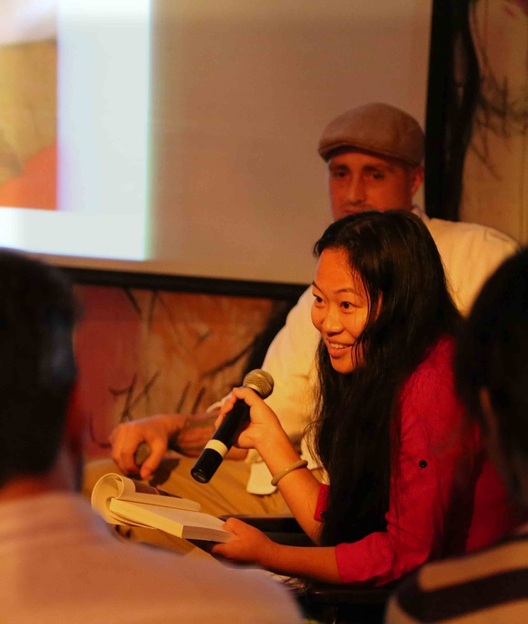 Hong Mei answering a question: Photo Copyright Navjot Singh 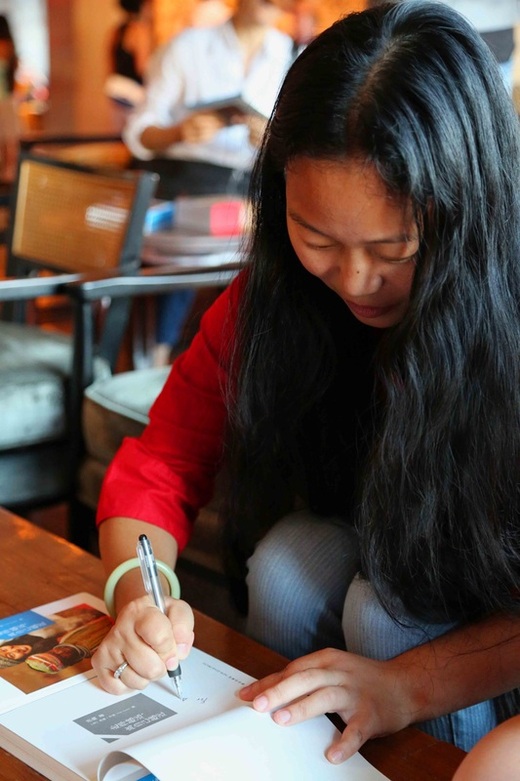 A book-signing session followed the talk and Q&As: Photo Copyright Navjot Singh 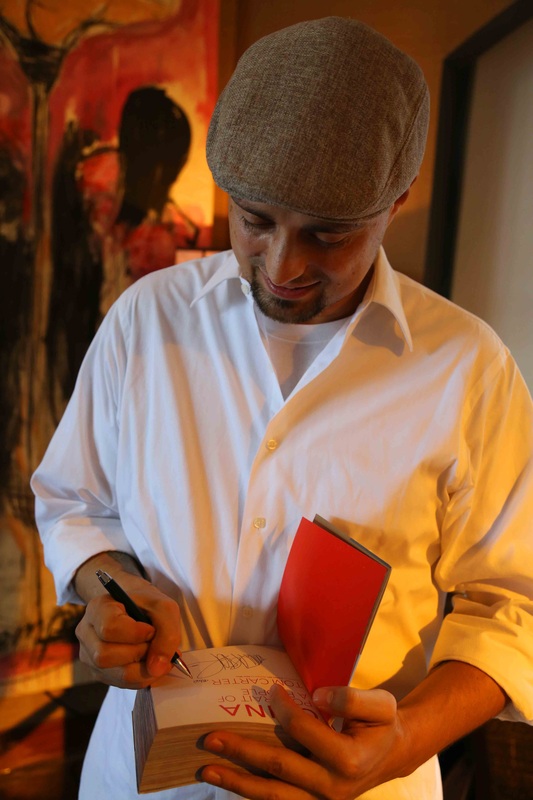 Photojournalist Tom Carter signing his book for a fan: Photo Copyright Navjot Singh 中秋节快到了, 送你一盒温馨饼, 饼里的祝福! 尝前, 收到这信, 日后一定, 好风光! 信息寄给了你, 包你衣食永忧!祝愿工作顺利. 2014 (中秋快乐) 圆圆满满 财源滚滚 健康平安!! 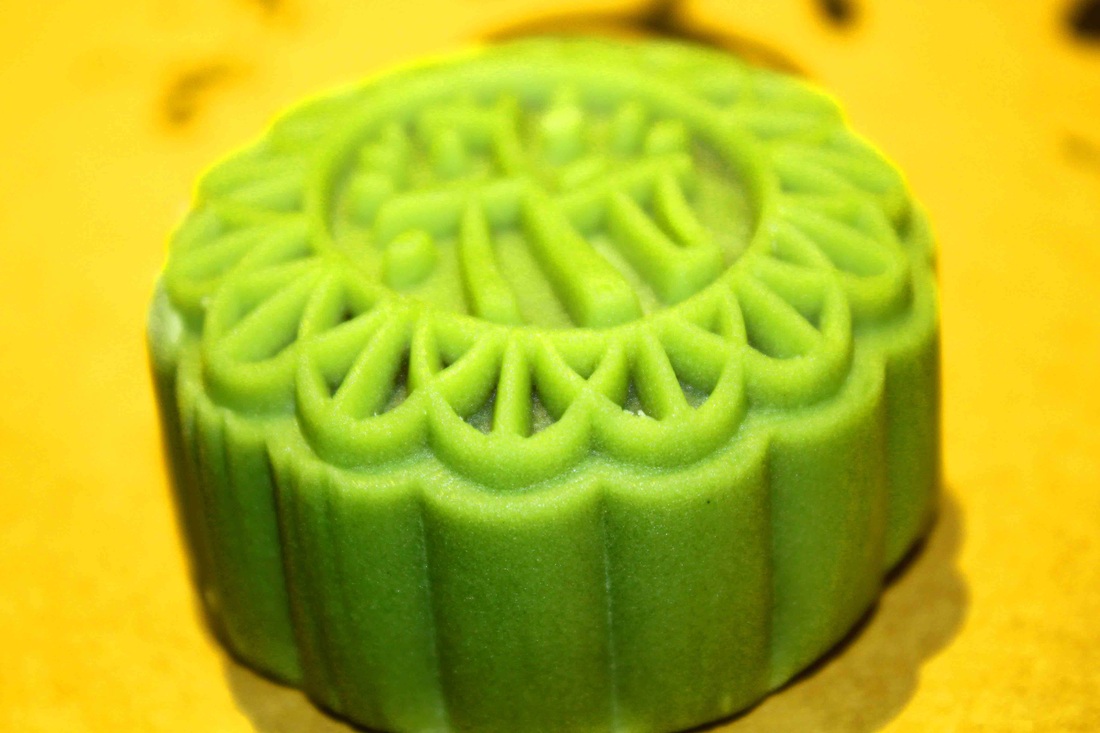 A mooncake (月饼). This is my 12th Mid-Autumn festival in China...and each year the mooncakes seem to become more beautiful with vibrant designs and colours (still hard to beat a classic original): Photo Copyright Navjot Singh 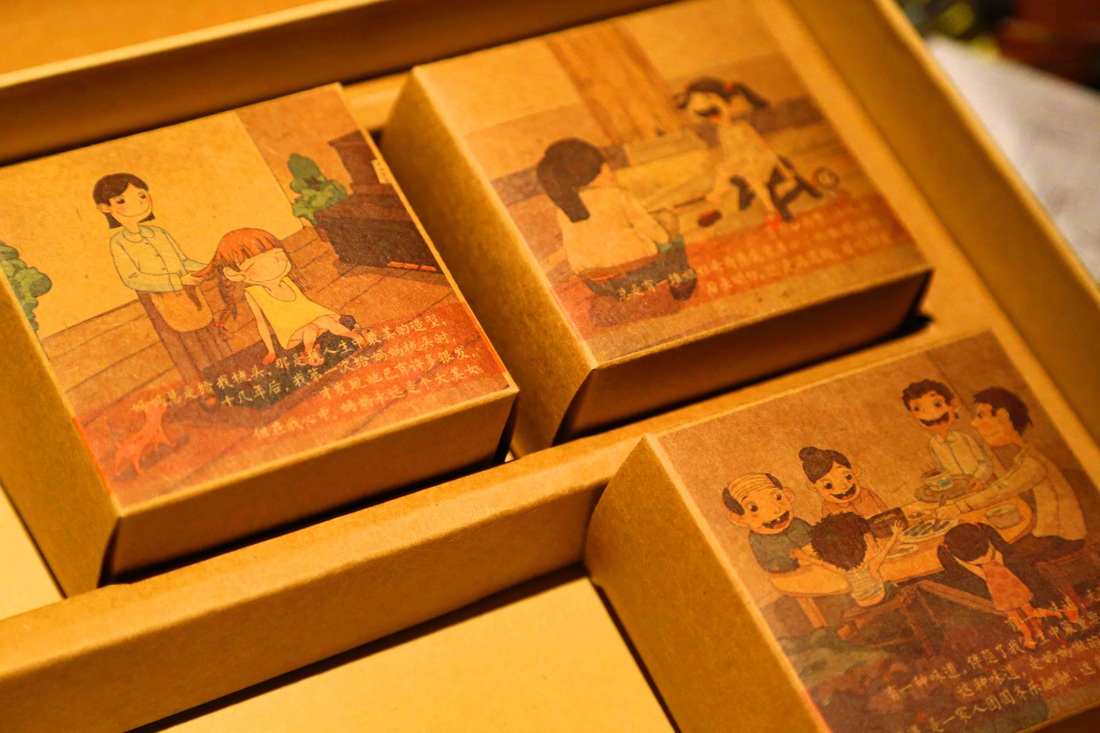 VIP mooncakes!: Photo Copyright Navjot Singh My latest feature article for the Shanghai Daily is a travel report on how to spend 72 hours in London. 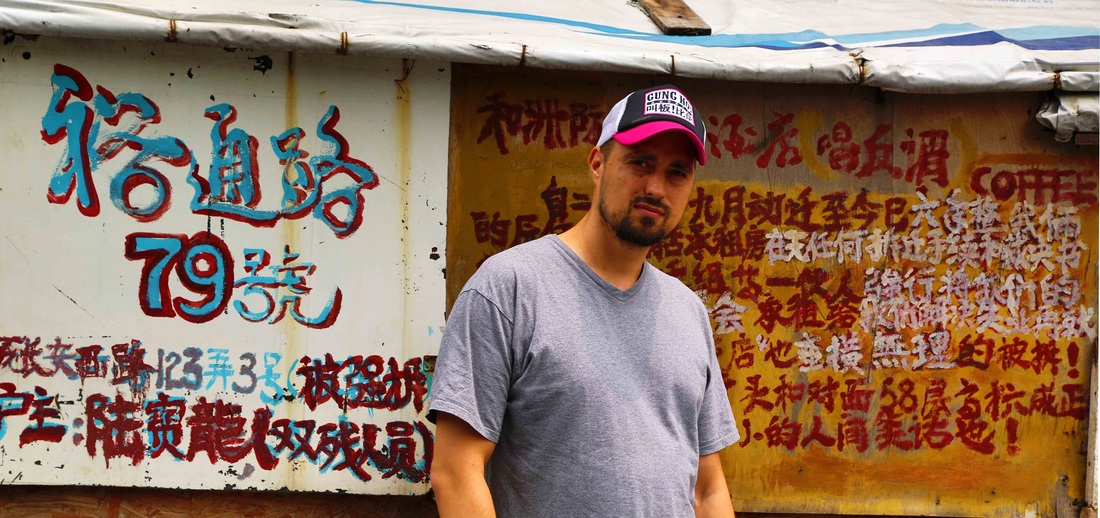 Photographer and vagrant Tom Carter, author of CHINA: Portrait of a People. Editor of UNSAVORY ELEMENTS: Photo Copyright Navjot Singh Having travelled extensively across ALL of China's 33 provinces...successfully succeeding in circumnavigating over 35,000 miles (56,000 kilometers) during a 2-year period, the first foreigner on record ever to do so, Tom Carter, a superlative photojournalist and an old China hand, is just the man to have beside you when you need a story to be covered. Carter, originally from San Francisco, has remarkably not only captured the whole of China through his lens, but has travelled extensively throughout India for a year too - a country that is still very much a hardship environment for foreigners (almost medieval in places). Try surviving in India for a day without making frequent visits to the toilet - that's if you can find one (nearly 50% - I say again - nearly 50% of the country's population has NO access to a toilet). Hats off to Tom for doing what he did for over a year because India is hard work. I couldn't survive the 3 weeks that I was there for in 1998, the last time I visited the country, despite staying at one of the BEST hotels in New Delhi at that time. We chatted about many things for a couple hours with topics ranging from big media exasperations to publishing to travel war stories. Tom's wife, who is also a photojournalist, is a native from Jiangsu Province. She has recently published a diary about her travels around the whole of India (i.e. every major State in the country) - a first for a Chinese woman. In the meantime, you can check out Tom's book, CHINA: Portrait of a People by clicking the picture below! 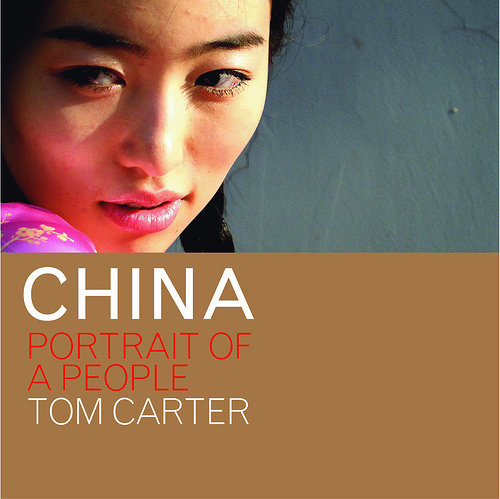 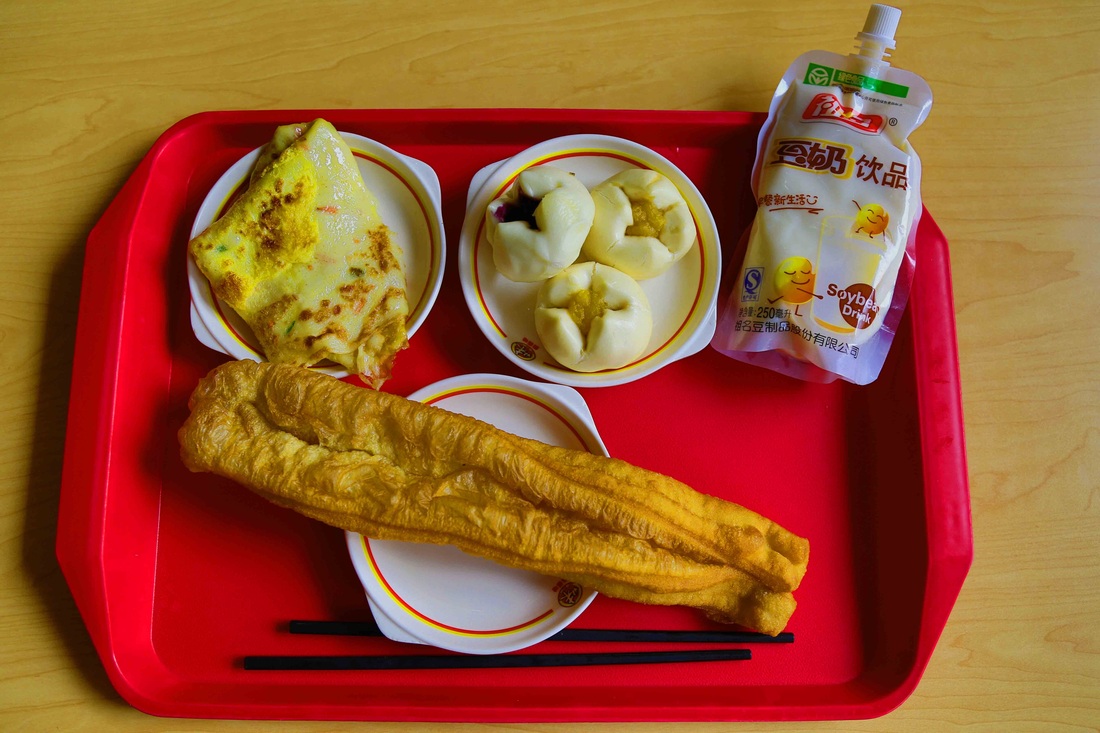 Ate a full Chinese breakfast after many months...Chinese food only tastes good IN China. A Travel Tip from a good friend: only eat an egg in China if you see it cracked from the shell. More eggs are consumed every day in China than are farmed: Photo Copyright Navjot Singh An article I wrote on a recent press trip to the capital city of Shaanxi province, Xi'an for 'Nihao' - the in-flight magazine for China Southern Airlines (May issue). My article on my favorite city, Shenzhen, in the March issue of NIHAO- the in-flight magazine for China Southern Airlines. Go there, and see it as soon as you can...it's awesome! I landed at Abu Dhabi from Hong Kong to catch my my connecting flight to London...and I was met with the sight of the China Daily being give for FREE to all passengers. China's global dominance and presence is clearly being felt. At major international airports of cities such as Paris, London, Frankfurt etc. it's not uncommon/surprising to come across large billboard adverts showcasing Chinese banks/airlines and even 'Invest in China' adverts. 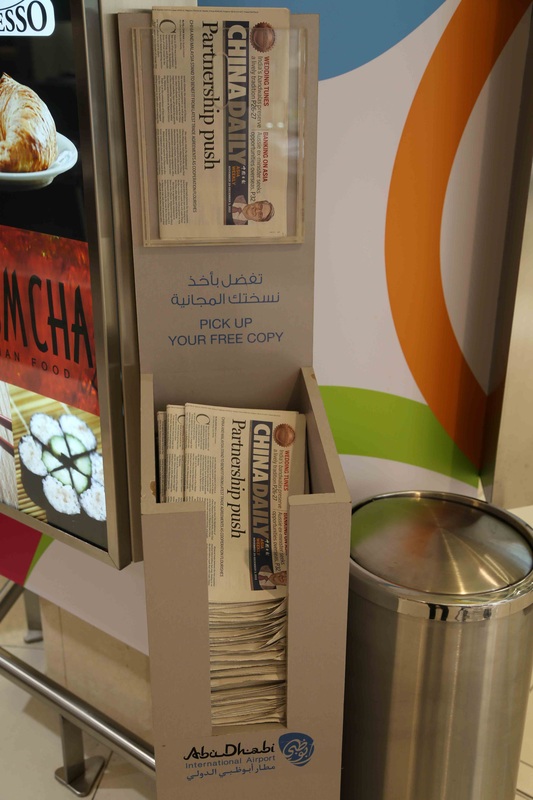 China Daily being given for free at Abu Dhabi Airport: Photo Copyright Navjot Singh Just like as in the majority of Asian cultures, one of the events that Chinese people like to splash out their wealth on are weddings (and birthdays too). The average price of a Chinese wedding can run into hundreds of thousands of Renmenbi. Seen here is a lavish wedding party taking place at The Ritz-Carlton, Shenzhen. 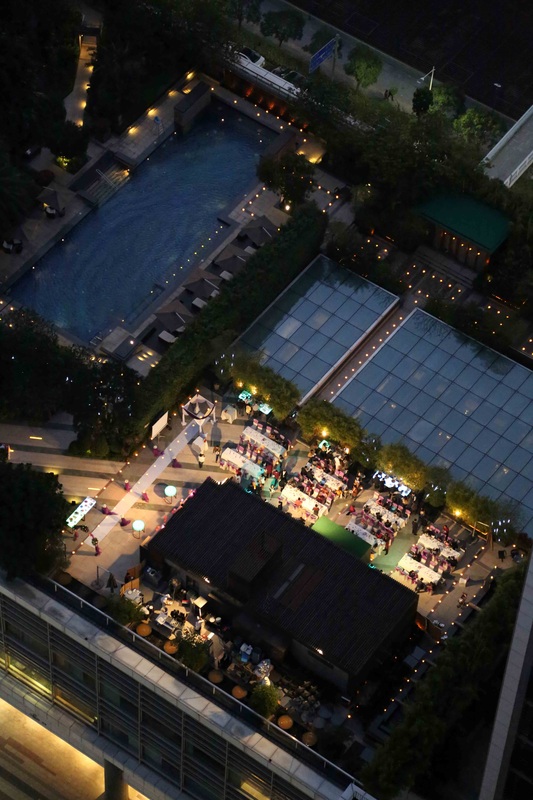 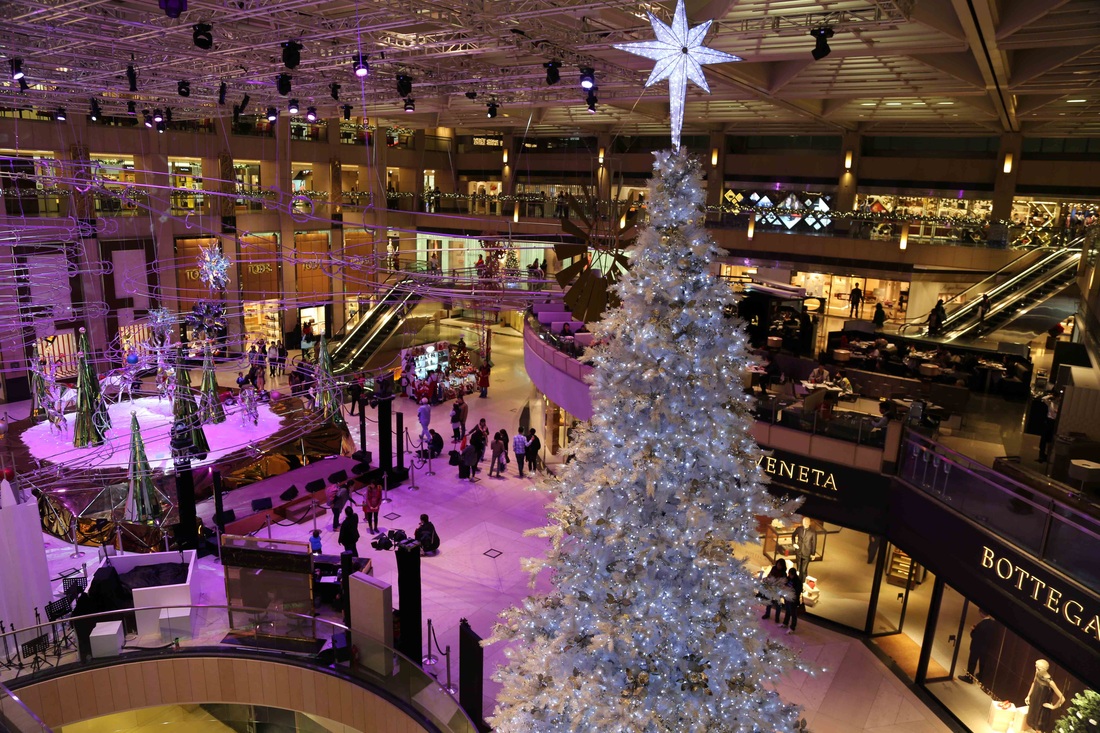 A huge Christmas tree inside the Landmark Shopping Center in Central, Hong Kong: Photo Copyright Navjot Singh Autumn is usually the time when Hong Kong people dash to buy the hairy crab (known as the Chinese mitten crab) as it is a delicacy in local Cantonese cuisine (and also in Shanghai too). These little freshwater creatures sell like hot cakes around the territory because they are highly valued for their rich golden creamy roe and zesty white meat and are the most sought-after because they are only available in autumn. The majority of the hairy crabs in Hong Kong are imported from from Yangcheng Lake (located close to the city of Suzhou. 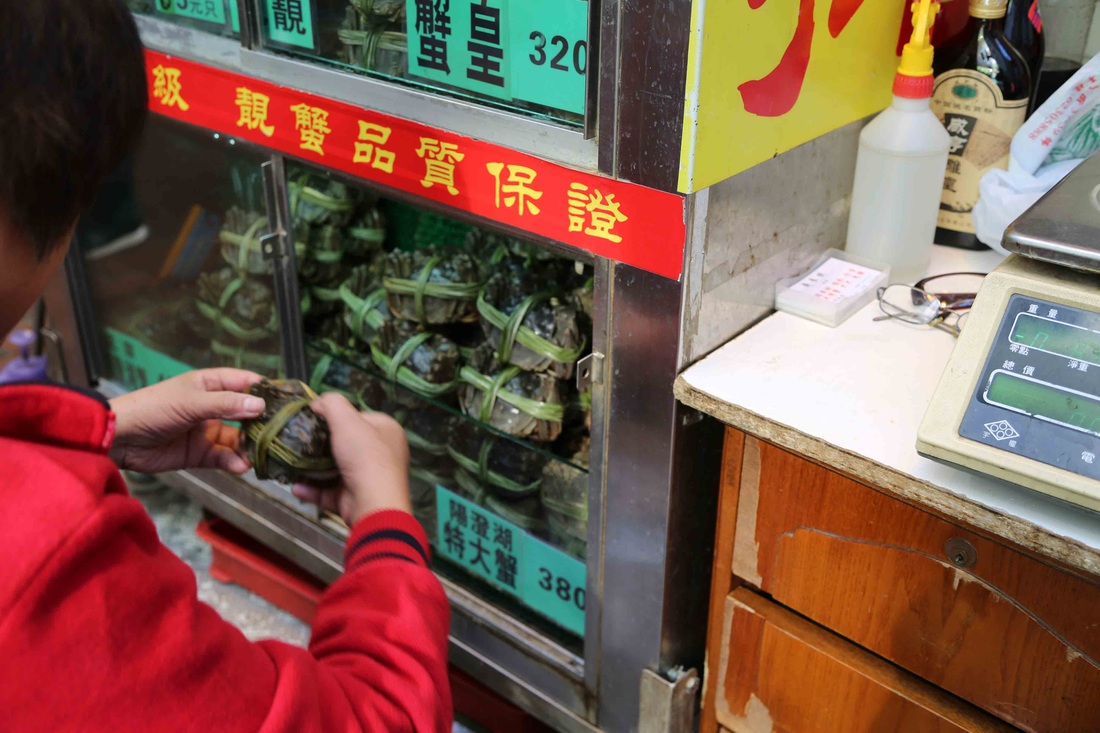 A customer choosing a hairy crab in Hong Kong: Photo Copyright Navjot Singh 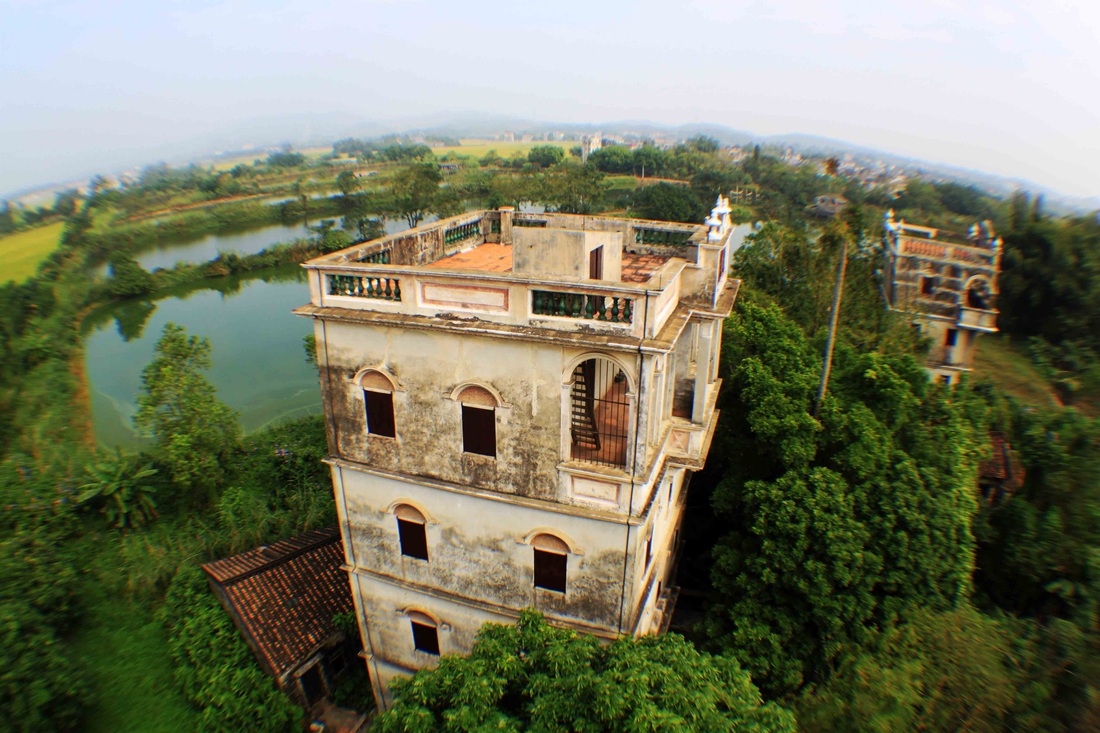 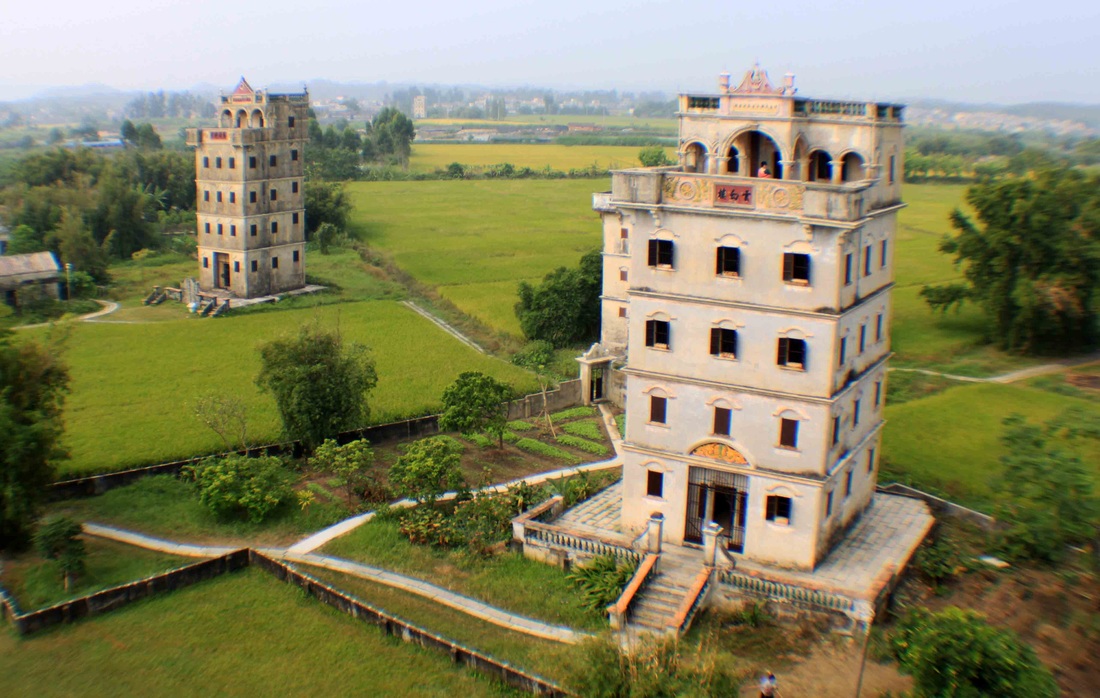 Kaiping lies on the west of the Pearl River Delta region of China's Guangdong Province. The Tanjiang River flows along it's eastern side towards the mighty Pearl River. Originally Kaiping was part of Guangdong's Panyu County when Emperor Qin Shi Huang unified China in 214 B.C. The was gradually included within the Yi'ning County from the Period of the Warring States to the Song Dynasty. Kaiping used to border Xinhui, Xinxing, Taishan, and Enping counties where crime and poverty were rife. Hence the reason why the Qing government relocated the Kaiping area west of Xinhui and to the east of Enping to establish Kaiping as a new county in the sixth reign year of Shuanzhi of the Qing Dynasty (1649). The name Kaiping stands for 'establishing peace'. The Opium War (1840-1842) which was an attack on China by the British led to serious problems of drug addiction, over population, starvation, and employment; all of which forced the inhabitants of Kaiping into social chaos. At the same time, Western countries opened their doors to allow Chinese migrant workers to add value to their economies. Mr. Xie She Do, a native of Tangkou in Kaiping, was one of the first Chinese 'coolies' to be sold to America through Hong Kong in 1839. Thus began the history of emigration to the West by mainland Chinese people. The Kaiping natives journeyed back and forth between China and their adopted countries, bringing back with them not only money and wealth but also the Western scientific, architectural, and cultural know-how, which became a significant influence on the local area. Out of these, perhaps architecture is the best example of the influence that was created here. In the Kaiping countryside, there are many unique architectural styles visible among a variety of diaolou, ancestral homes, churches, shrines, mansions, and garden villas etc. Below are photos taken from the many diaolous in Kaiping. 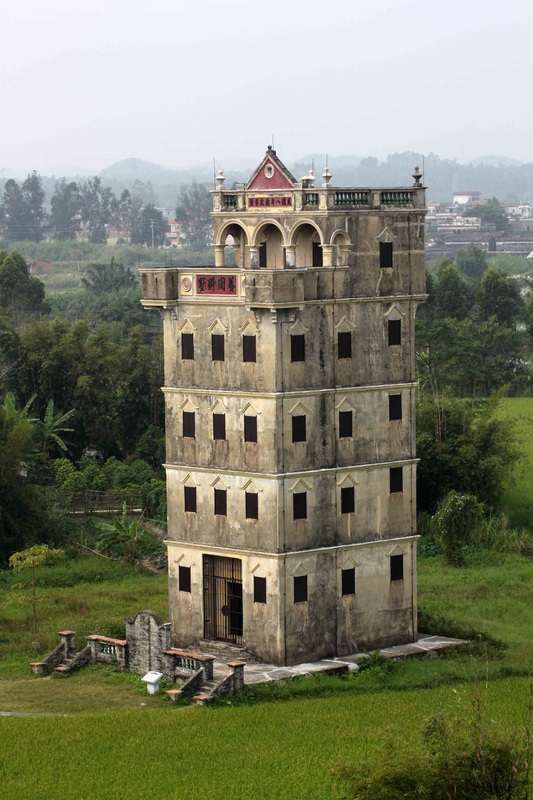 Located within an enclosed courtyard, Yunhuan Lou is built of reinforced concrete and comprises of five storeys. In June 2001 the Yunhuan Lou was declared by the State Council as a protected major National Cultural Heritage: Photo Copyright Navjot Singh 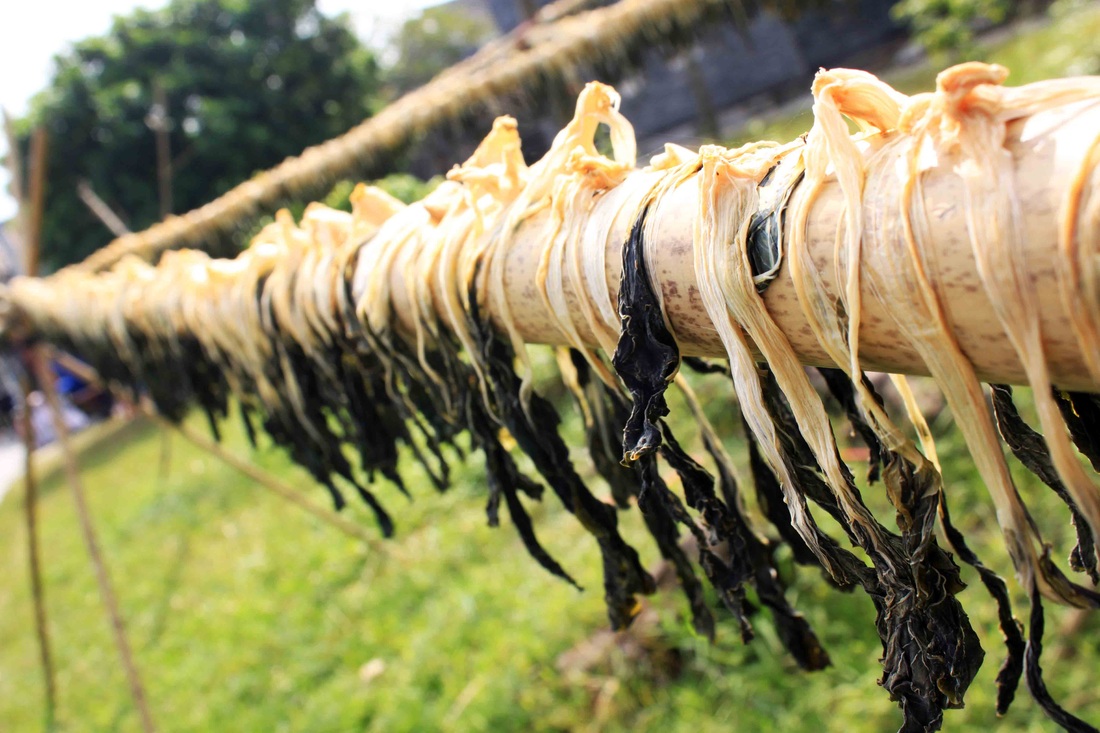 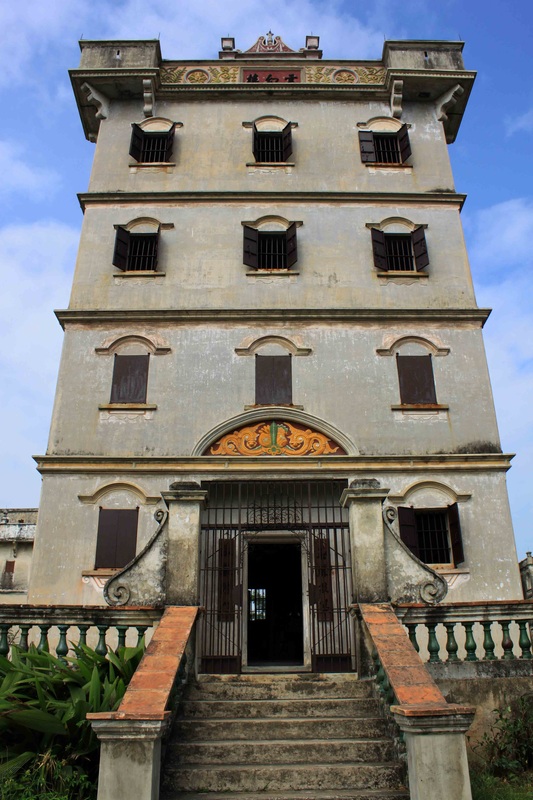 The Yunhuan Lou was built as a residential diaolou by Fang Wenxian, a villager living in Malaysia on his return to Kaiping in 1921: Photo Copyright Navjot Singh 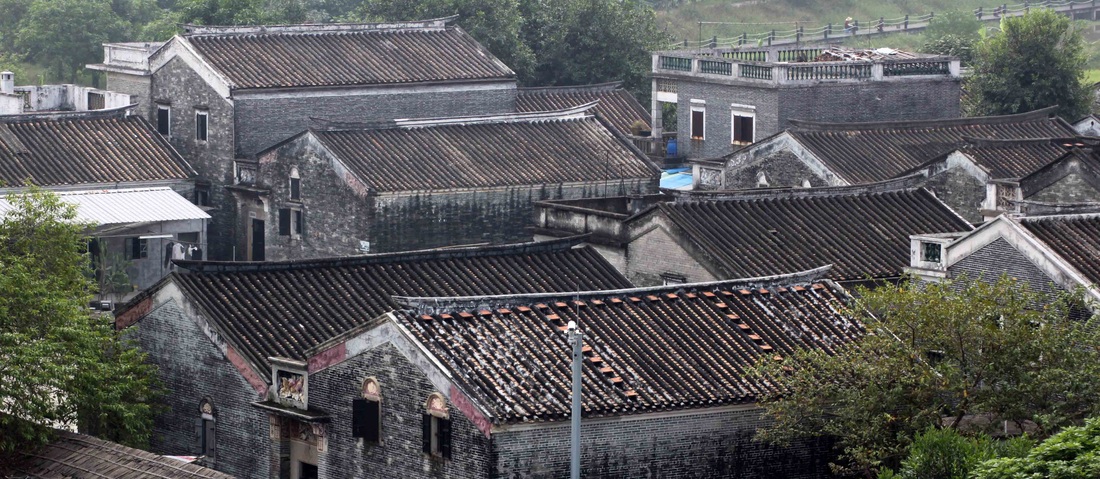 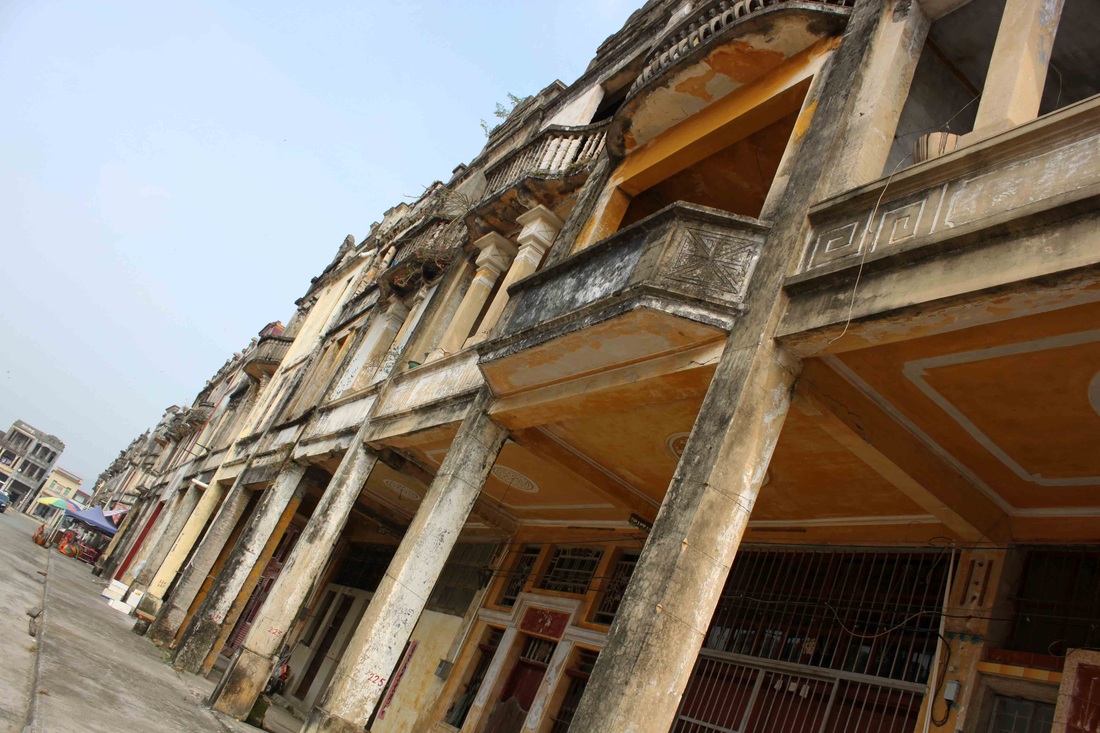
Original hometown to one quarter of the “Flying Tigers,” the legendary group of American airmen who fought the Japanese during the Second World War before the US entered it, and a spectacular stretch of rugged land, beach, mountainous terrain, and sea, Taishan wooed my adventurous appetite so much that I have vowed to come back as soon as I can. Because of the absolute beauty of the place, the various sleepy villages around Taishan are used as location sets for movies, and TV serials that depict either period drama or the rural countryside. From my experience, these villages may even be a great set for a Western Hollywood movie! 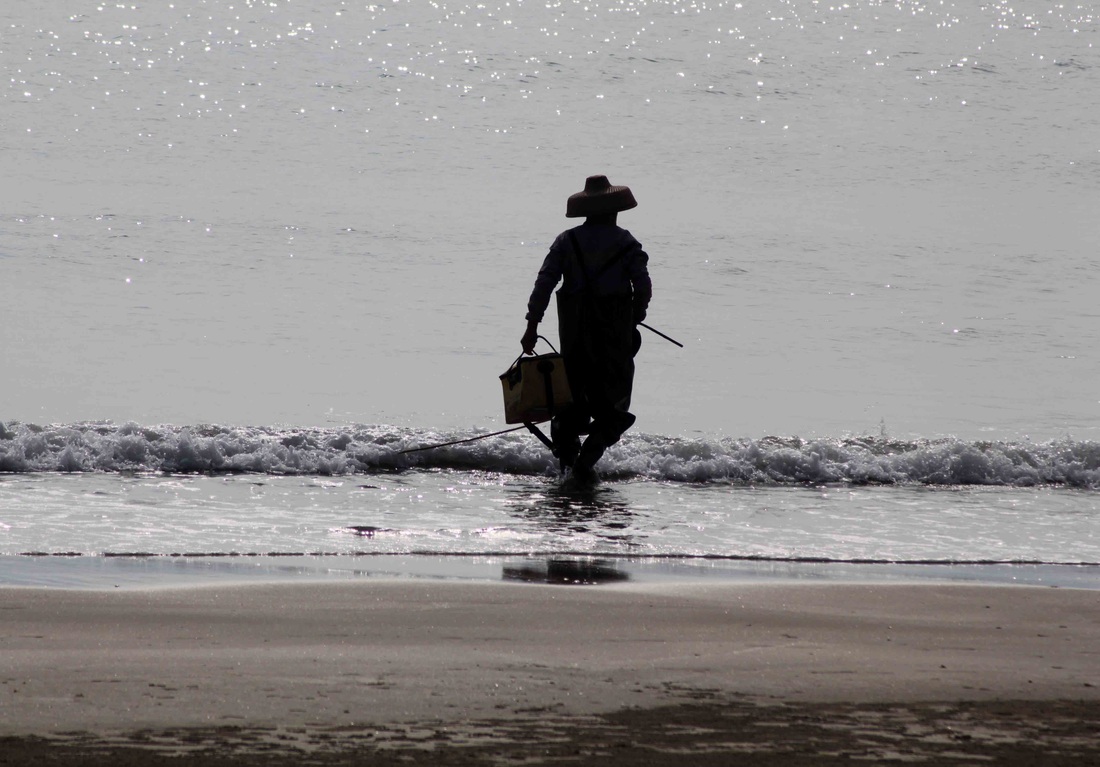
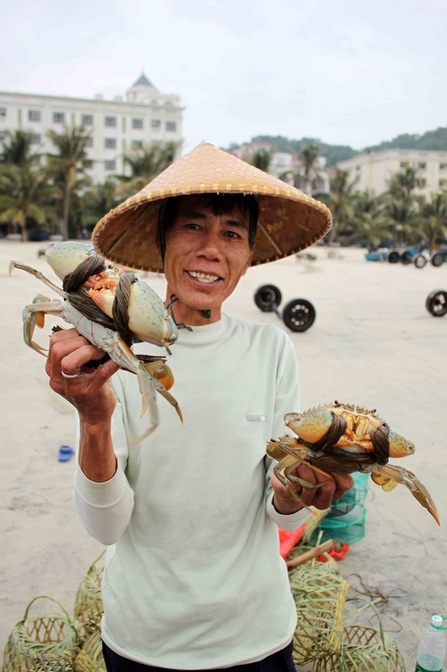
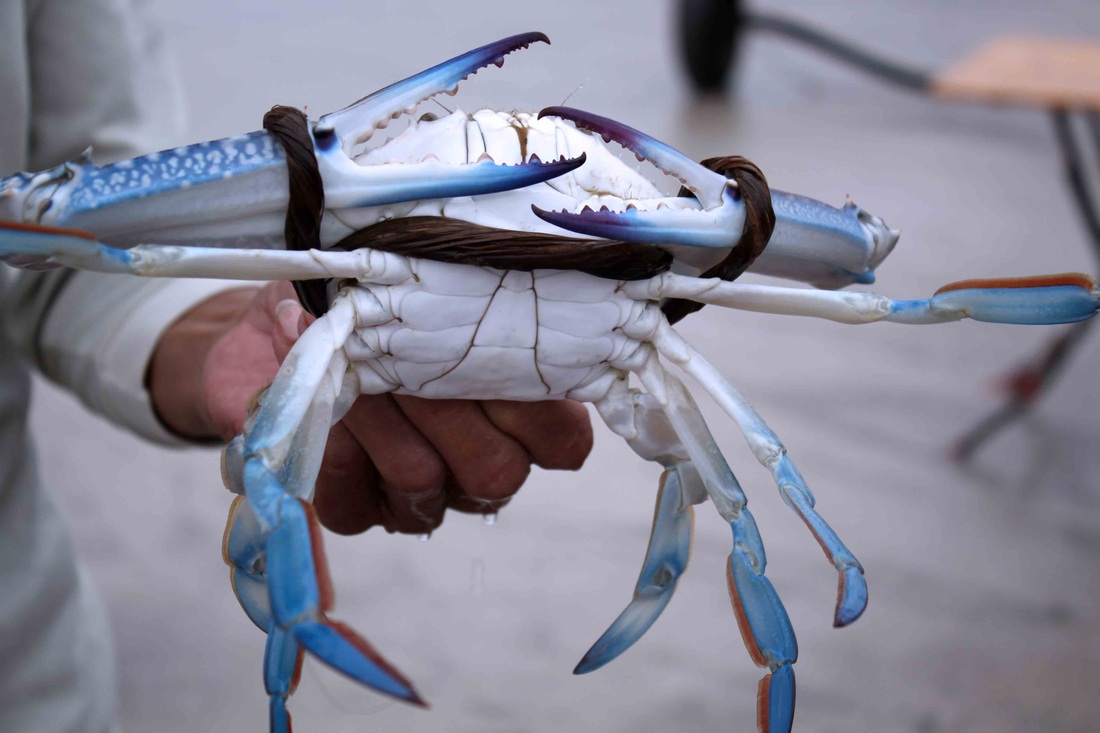
Lying around 14 kilometres offshore from Taishan City in the South China Sea are two fabulously unspoiled islands, Xiachuan and Shangchuan. The latter is the largest island in Guangdong province, and has cemented itself as the place to witness the most spectacular blissful sunsets and sunrises in the region. The island is also famed for being the place of death of St. Francis Xavier, the renowned Roman Catholic missionary. Shangchuan was one of the first bases established by the Portuguese during their colonial expedition in south China. Both islands are dotted with miniature fishing villages, and if you are adventurous enough you may even get close enough to befriend some of the local fishermen and spend a couple of hours out at sea with them on a fishing expedition. Indeed, to capture the catch of the day, go to the morning fish market on the Wangfuzhou beachfront on Xiachuan Island. The fishing boats start arriving at around 7.30am everyday. 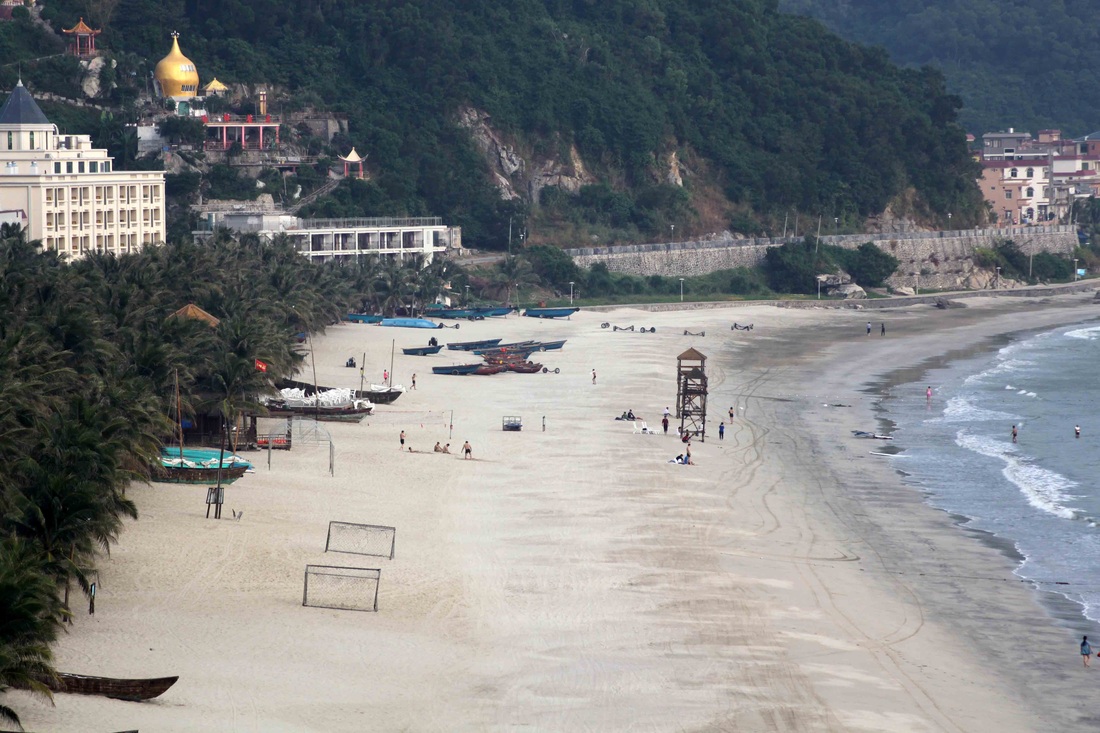
Lying on the banks of the Tanjiang River, between the Guan and Situ family memorial libraries is the old, tiny and sleepy market town of Chikan. It is located around 25 kilometres from downtown Kaiping. When you walk along the airy and narrow lanes of Chikan, you feel a mixture of wanderlust, and curiosity. Many of the locals are old aged pensioners whiling away their retirement doing not much except looking after their cats, or busy drying fresh fish and vegetables. The beauty of living in a place such as Chikan is that people live here in a similar fashion to how they may have lived 350 years ago when the town was founded as a fish market. The area is hugely popular with film makers, with movies such as Drunken Master II, Story of Hong Kong, and Wang Kar Wai’s martial arts epic, ‘The Grandmaster’ were all filmed on location at Chikan. 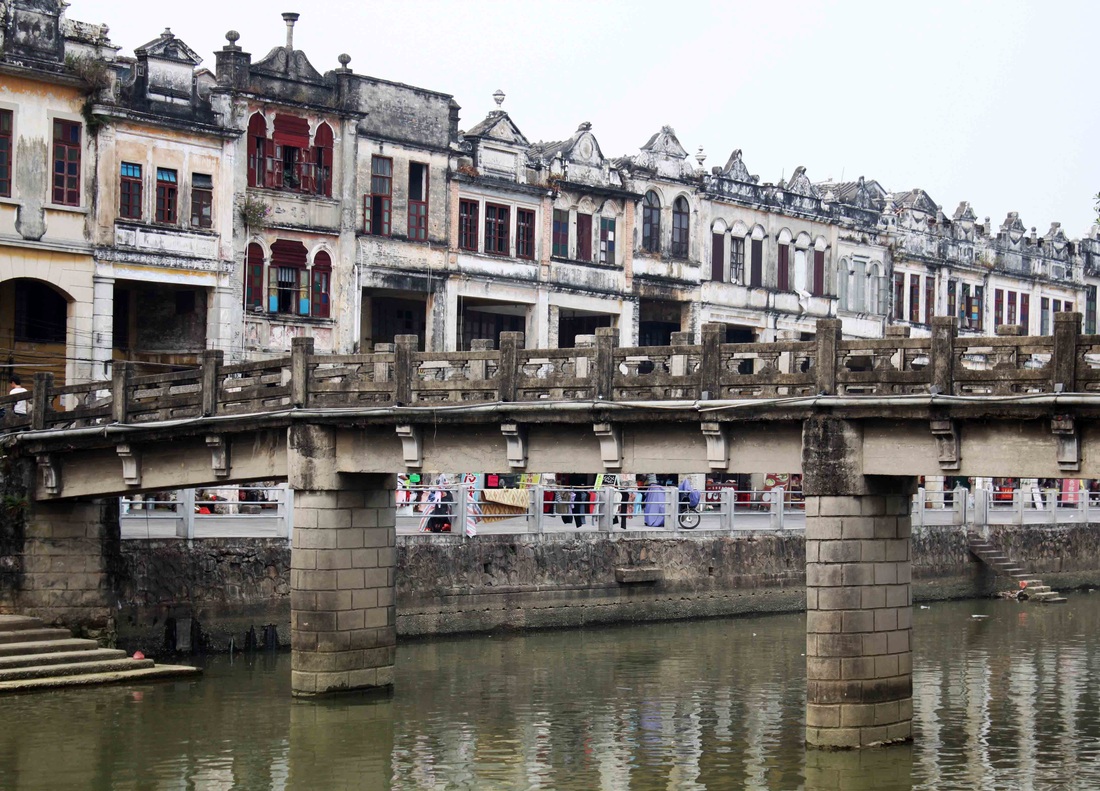
Market town of Chikan: Photo Copyright Navjot Singh
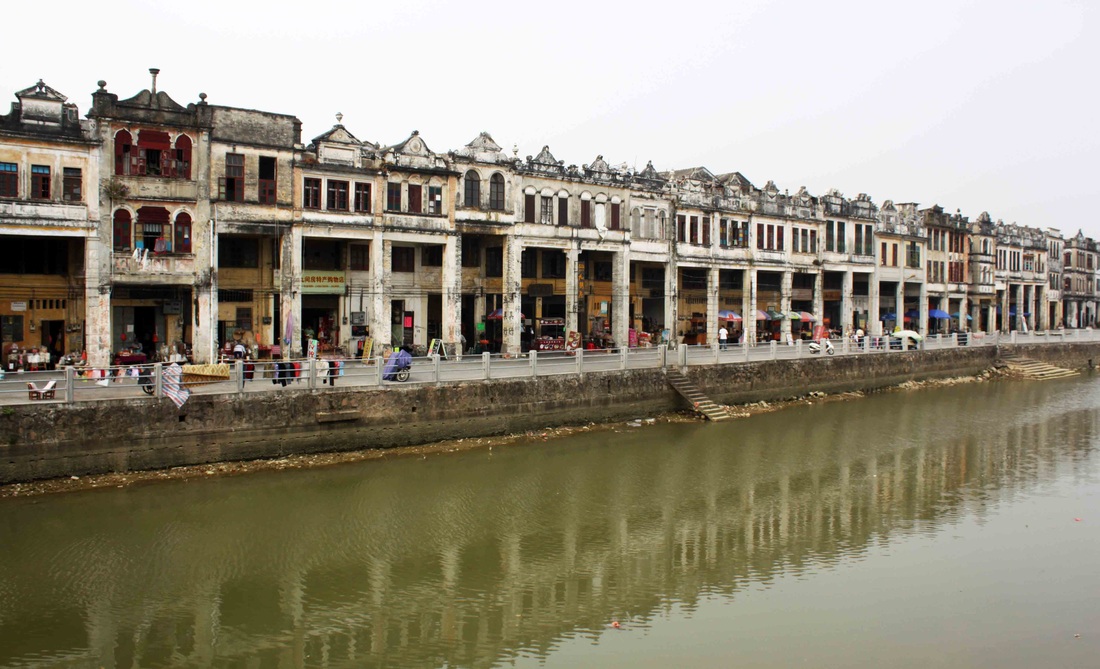
Market town of Chikan: Photo Copyright Navjot Singh
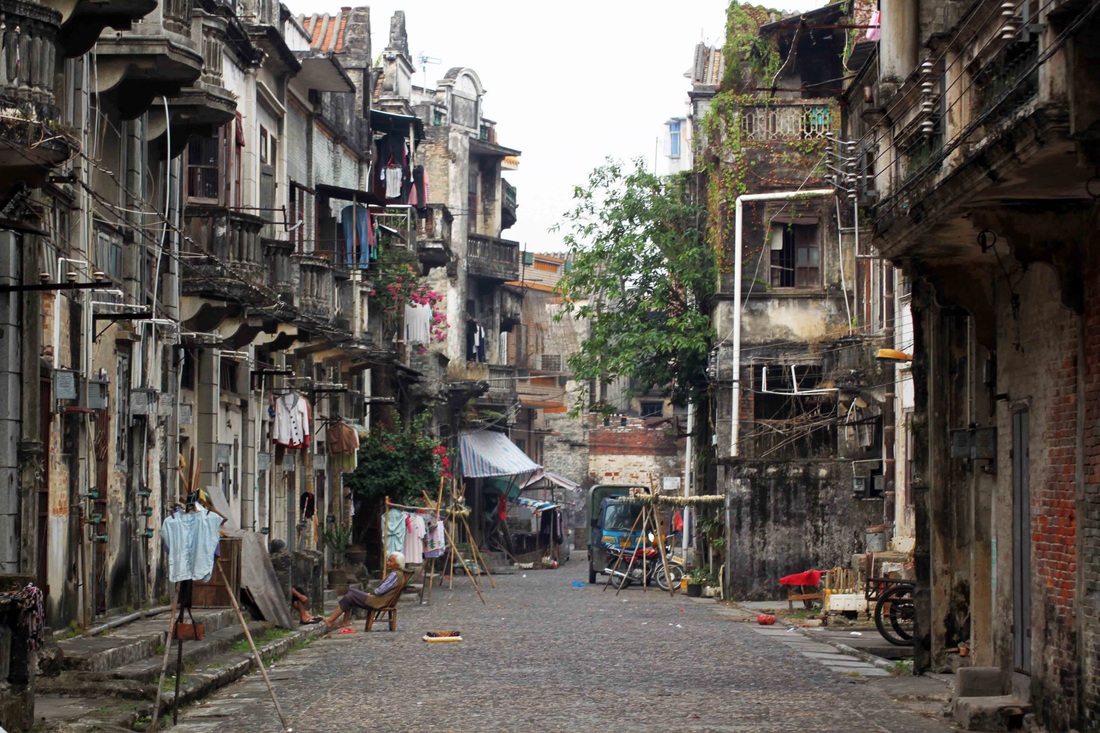
Market town of Chikan: Photo Copyright Navjot Singh
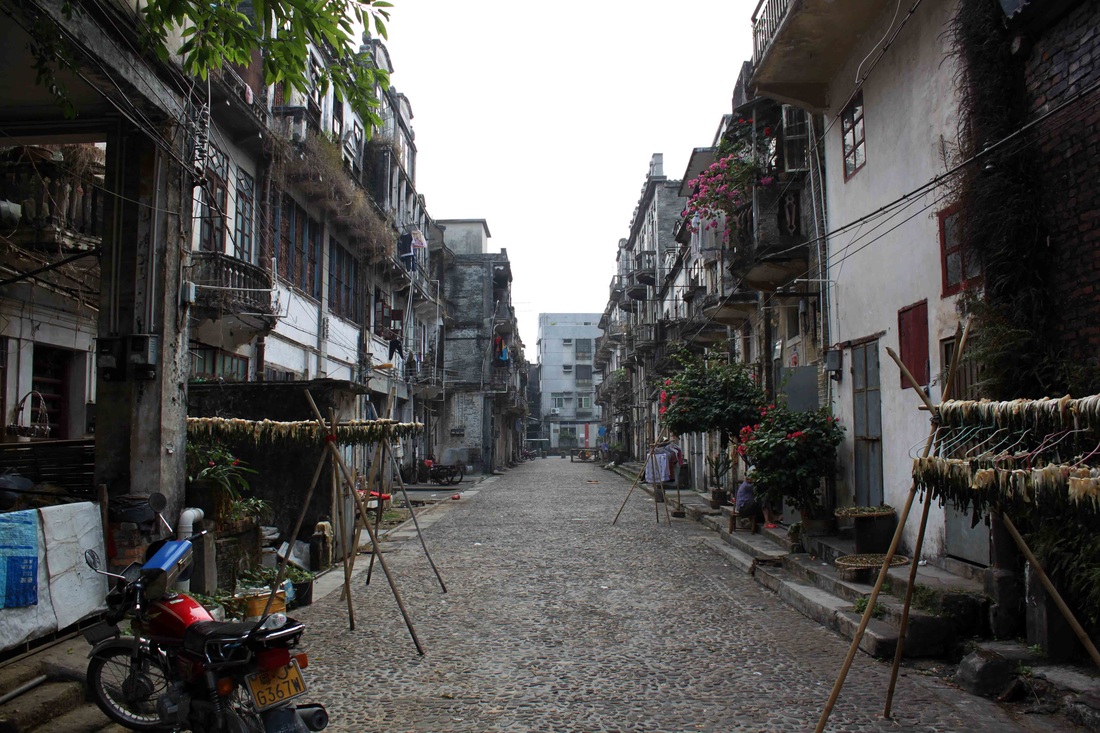
Market town of Chikan: Photo Copyright Navjot Singh
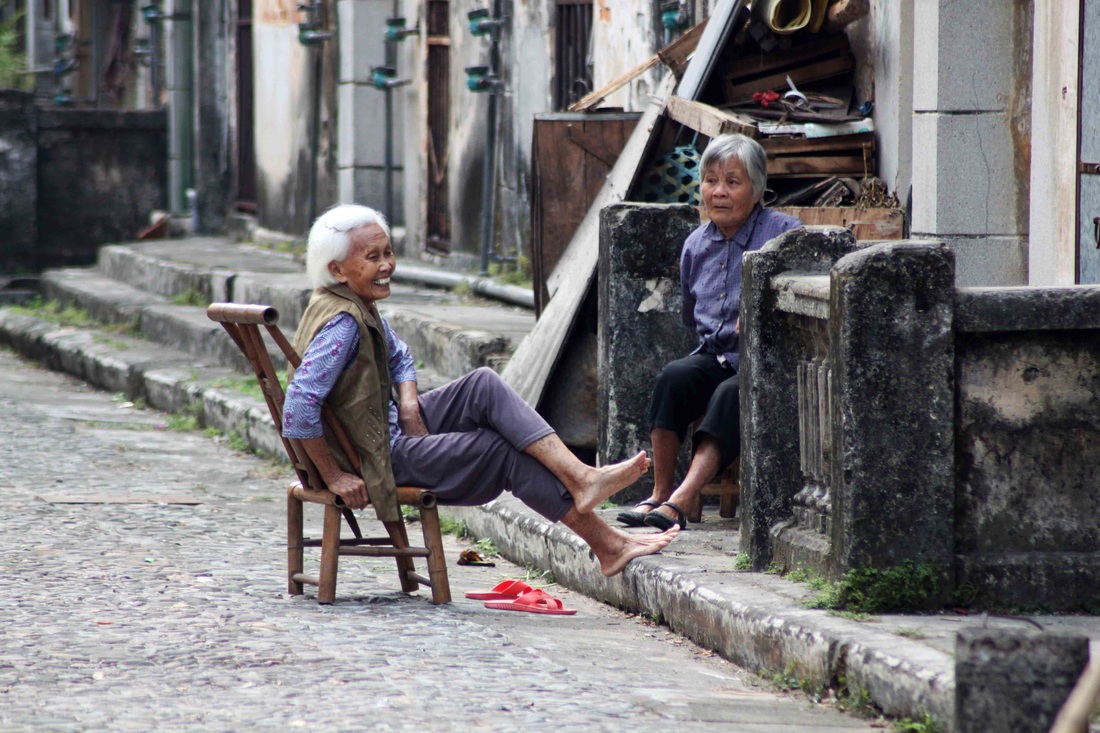
Elders chatting in Chikan: Photo Copyright Navjot Singh
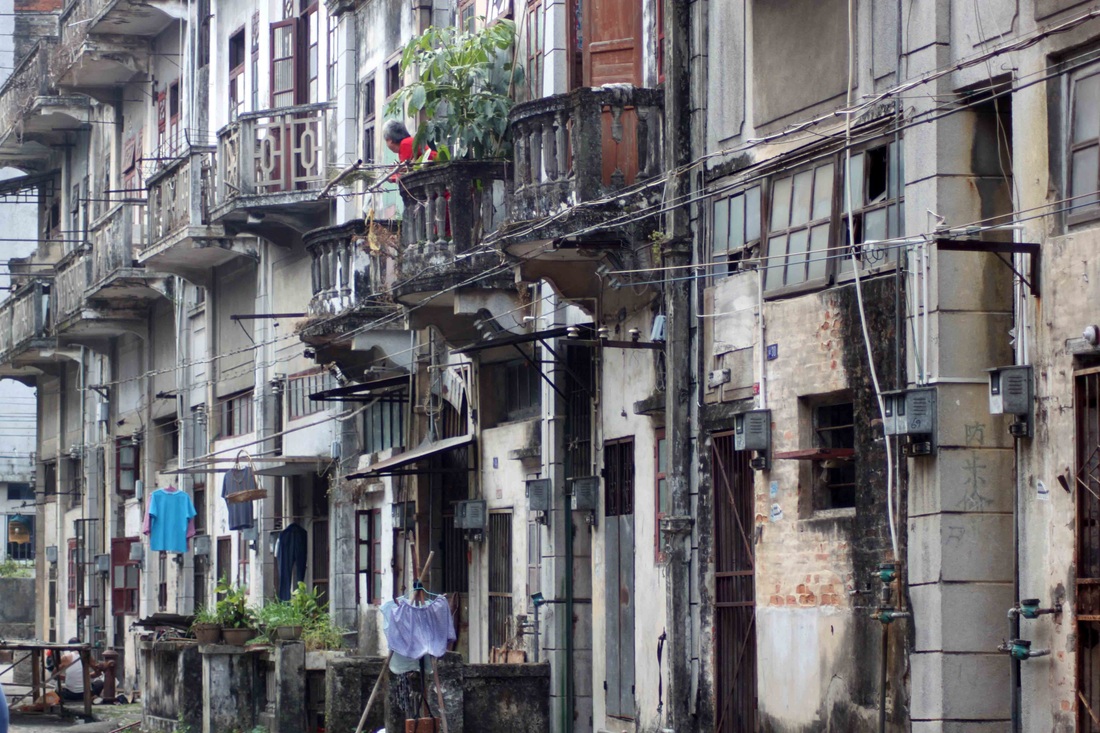
Market town of Chikan: Photo Copyright Navjot Singh
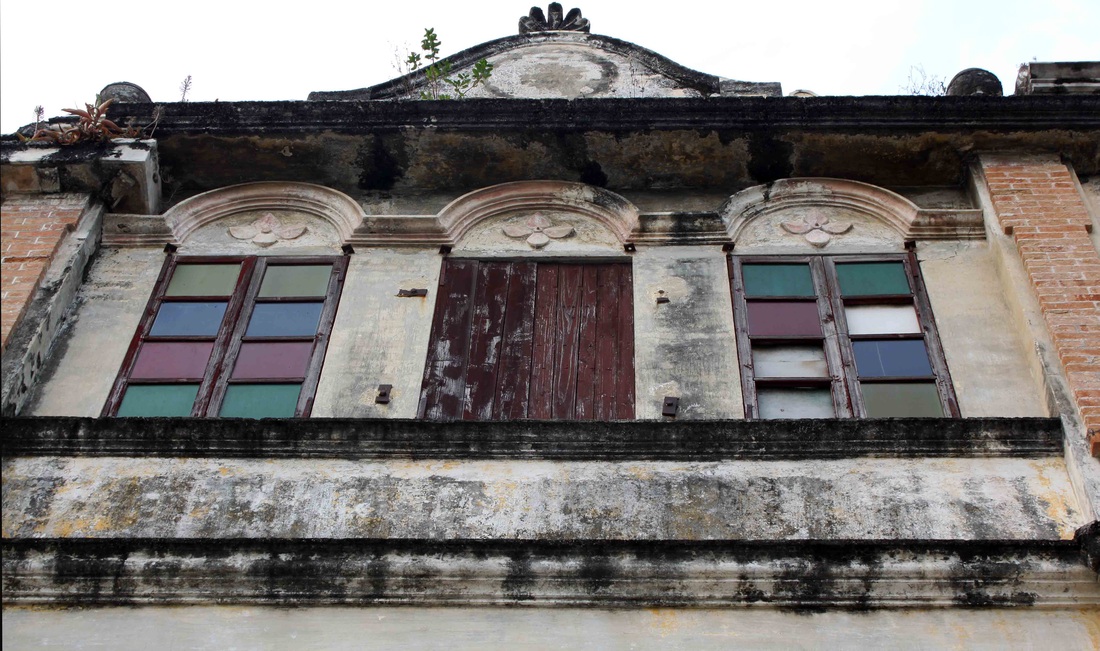
Western style architecture blends with local Chinese style architecture: Photo Copyright Navjot Singh
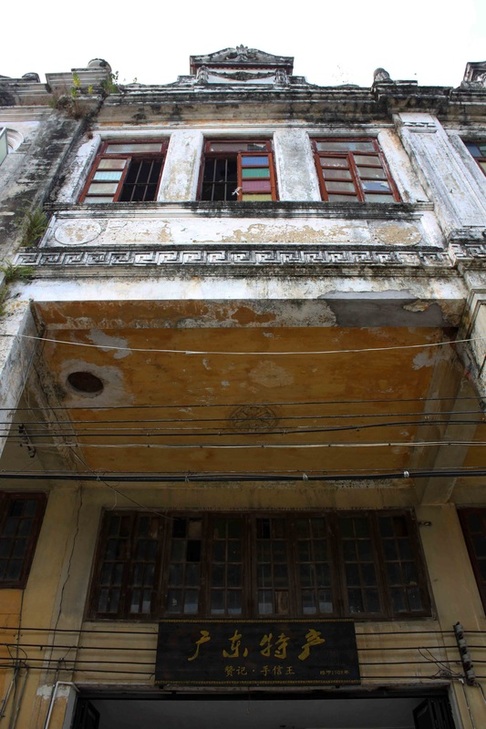
Western style architecture blends with local Chinese style architecture: Photo Copyright Navjot Singh
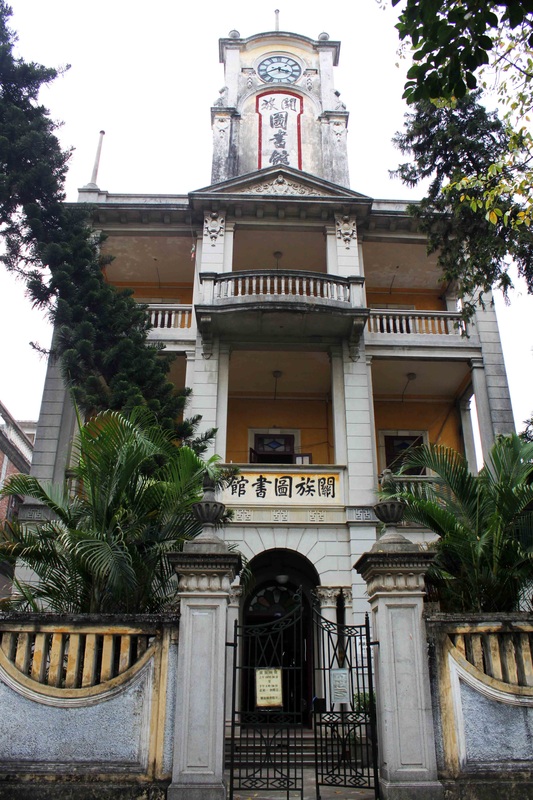
Guan Memorial Library: Photo Copyright Navjot Singh
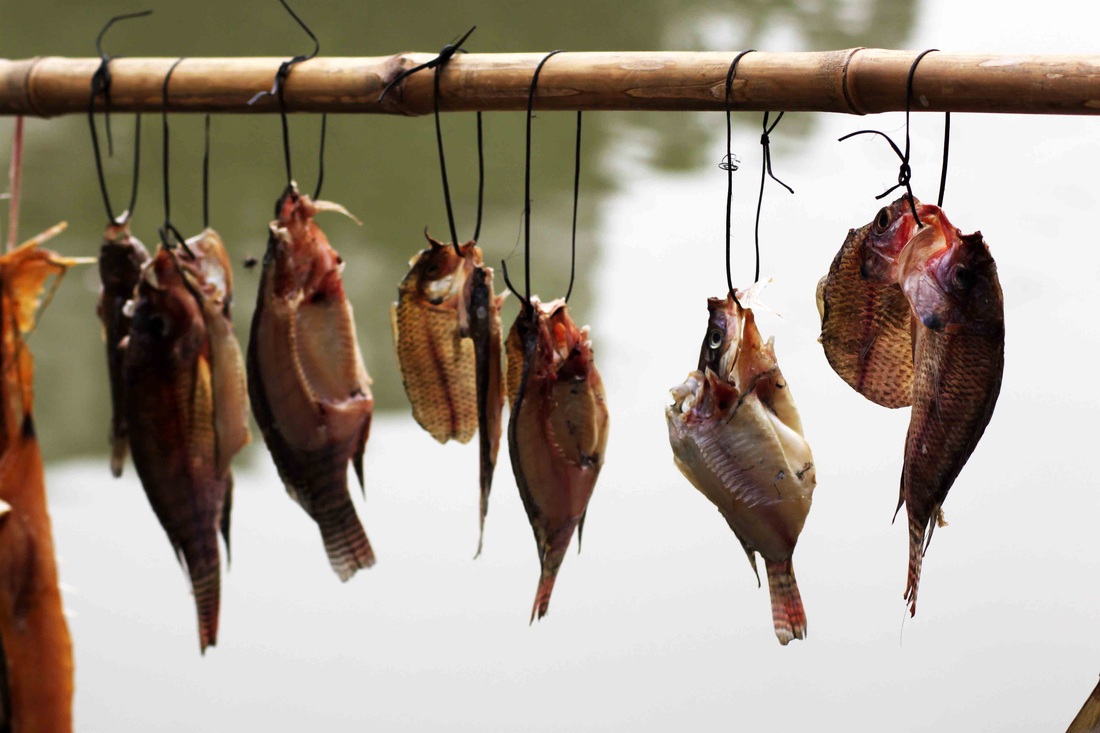
Fish left hanging to dry: Photo Copyright Navjot Singh
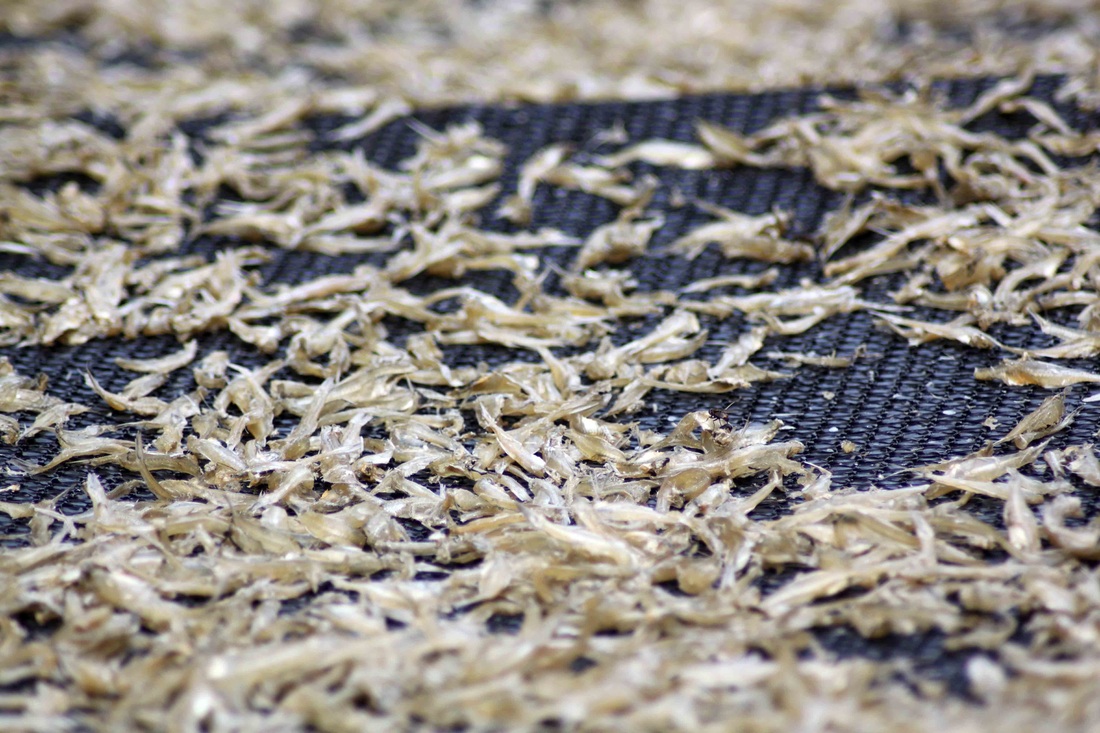
Some more dried fish: Photo Copyright Navjot Singh
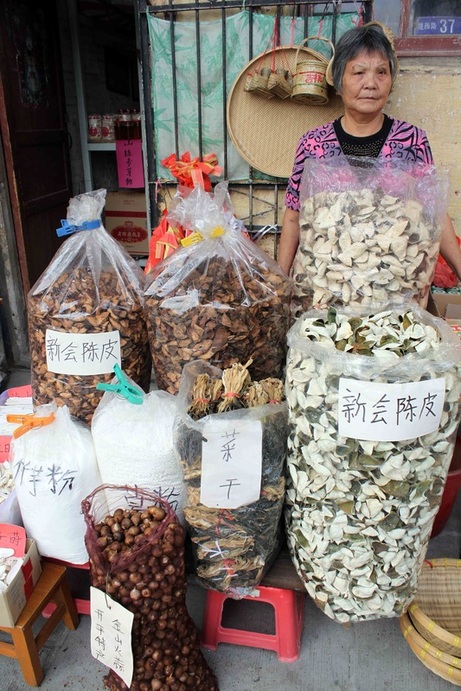
A local vendor selling dried orange peels - used locally in food, medicine and drinks: Photo Copyright Navjot Singh
|
Get in Touch:LIFE MATTERSHere I share my thoughts
and experiences during my travels, and how some things have affected my life as an expat and world traveller. Travelling is about capturing that moment in life. Every word, view and opinion on this page is that of Navjot Singh - except where indicated. The most recent is at the top. Scroll down to read the archive. Or search using CTRL+F (COMMAND + F) and enter a keyword to search the page. Just some of the stories you never heard before. The NAVJOT-SINGH.COM web blog is separate to this web site....Click blog, which may not be visible in some countries due to local firewall restrictions, so in those cases this weblog may be read. The weblog also includes some of my press trip reports- most of which are not published on the official blog because of copyright issues. The weblog also contains articles that may be associated directly with a PR trip for a country, airline or a hotel. These are PR reviews done in relations with various companies. If you are an investor or a trend watcher then you may find this website useful as investing has a lot to do with personal observations and finding the ideal trend or next big thing. The average human on the street frequently knows far more about the state of the economy than politicians, university professors, subject matter experts, and financial analysts who seldom travel, or if they do so, only from one hotel to another hotel! The pulse and vibrancy of an economy is nowhere more visible than on a country's streets. 
All photos and words are © Navjot Singh unless stated. Photos taken by others or by agencies are appropriately copyrighted under the respective name. No photo or word/s may be taken without the prior written permission by the author (i.e. Navjot Singh). All Rights Reserved. 

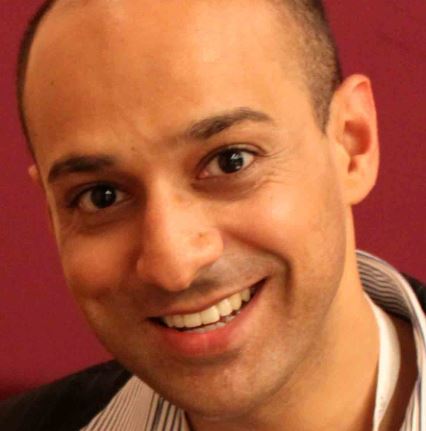
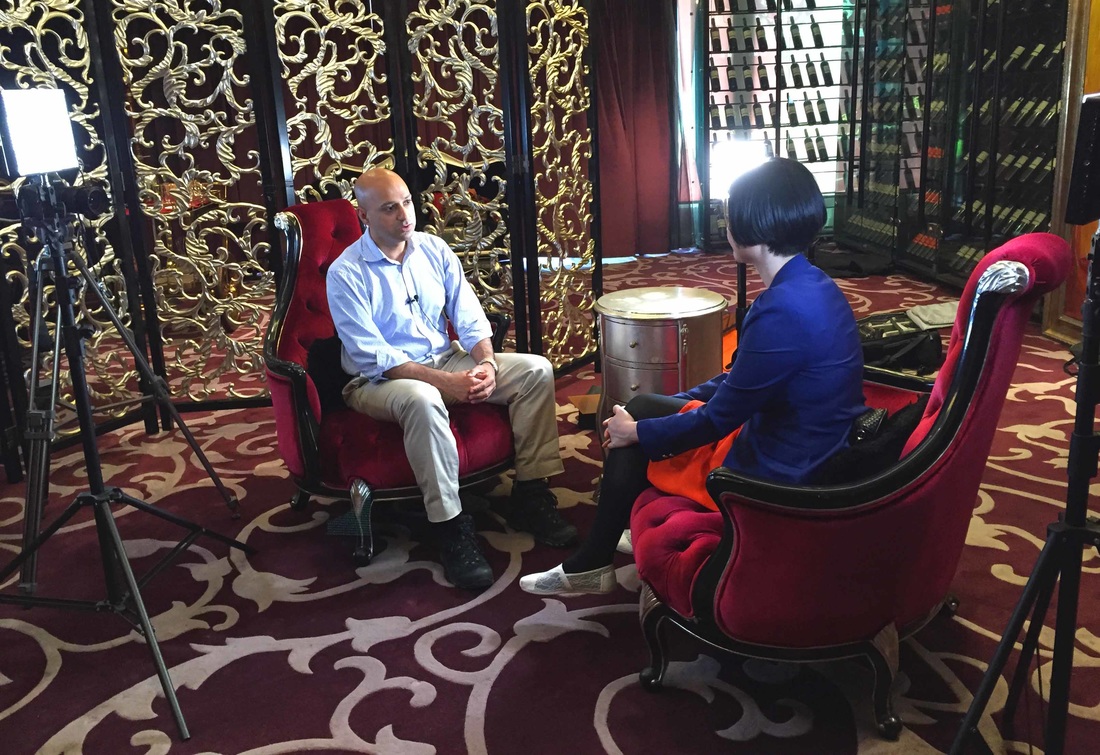
Navjot being interviewed by Cecila Lu at GDTV.
Archives
February 2024
Categories
All
|

 RSS Feed