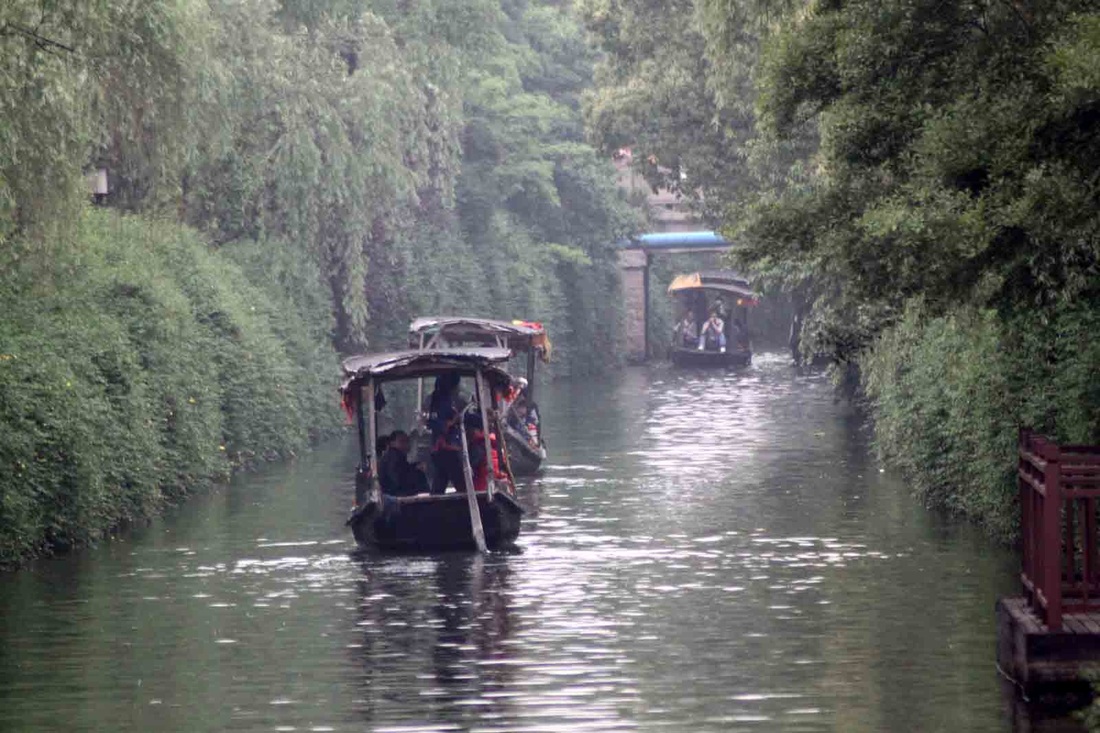
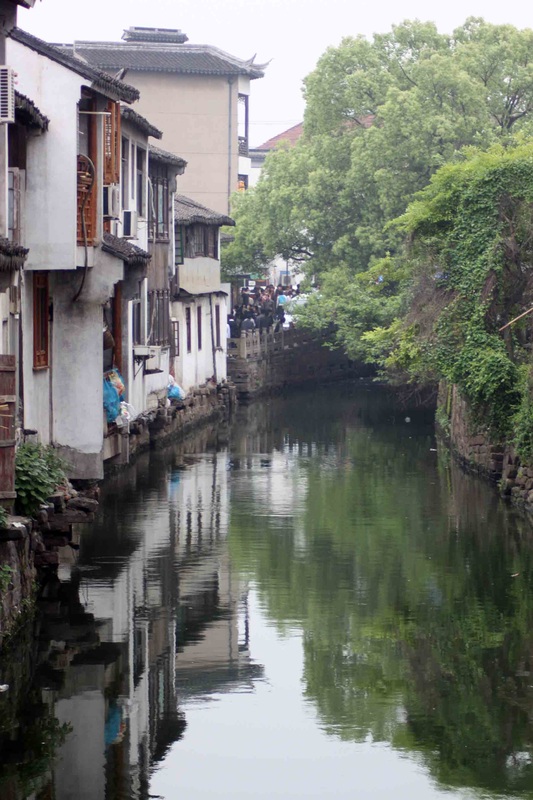
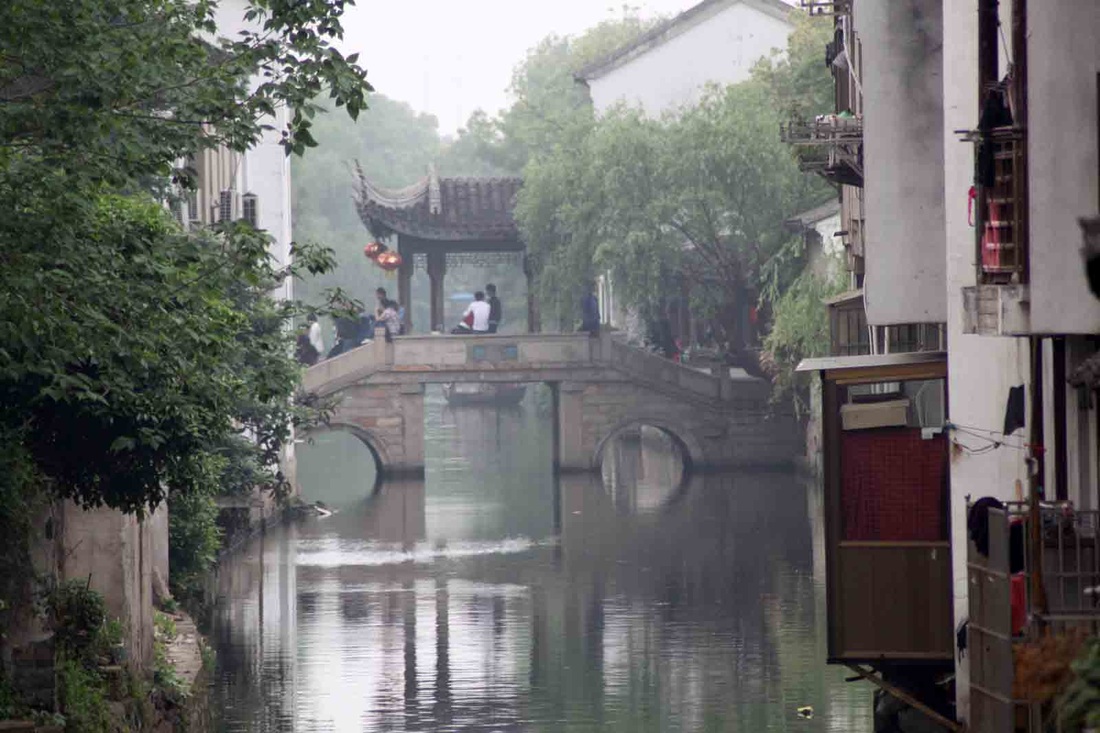
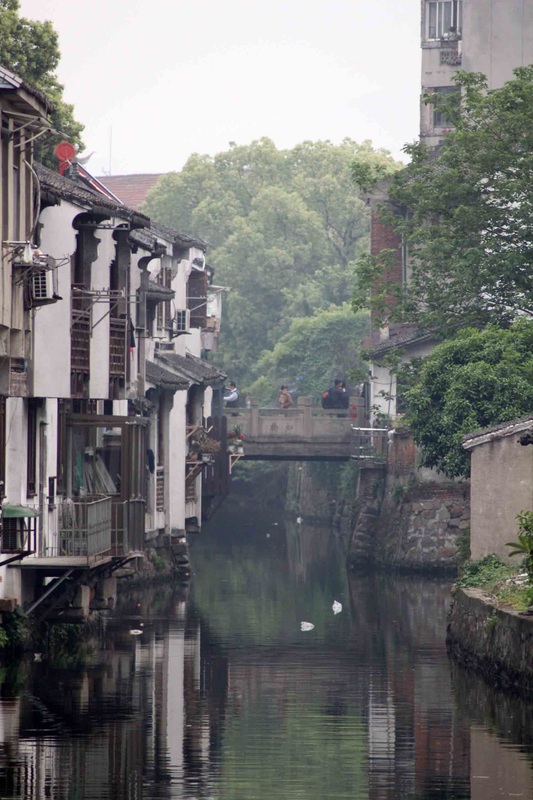
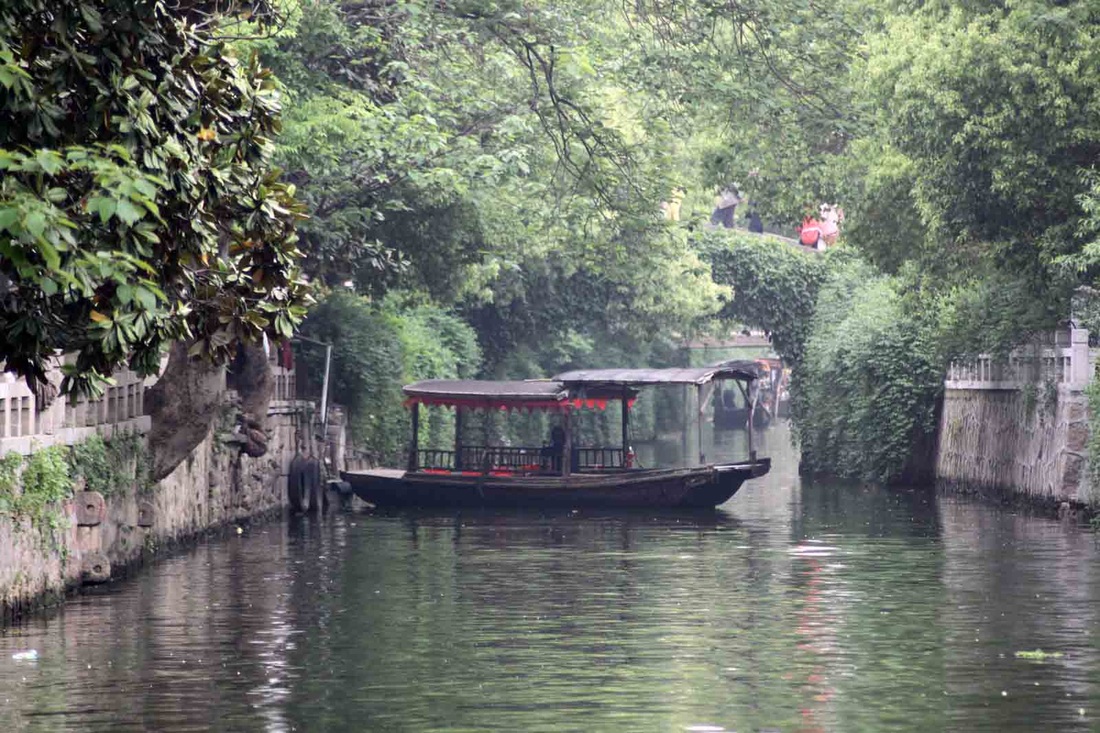
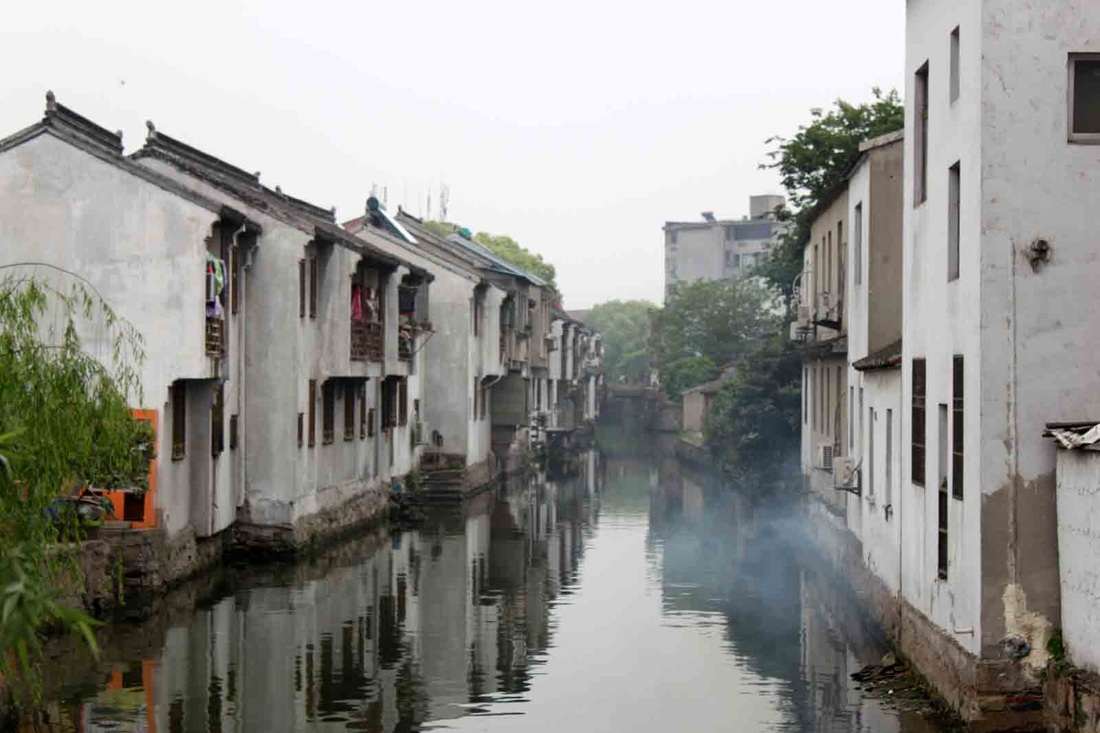
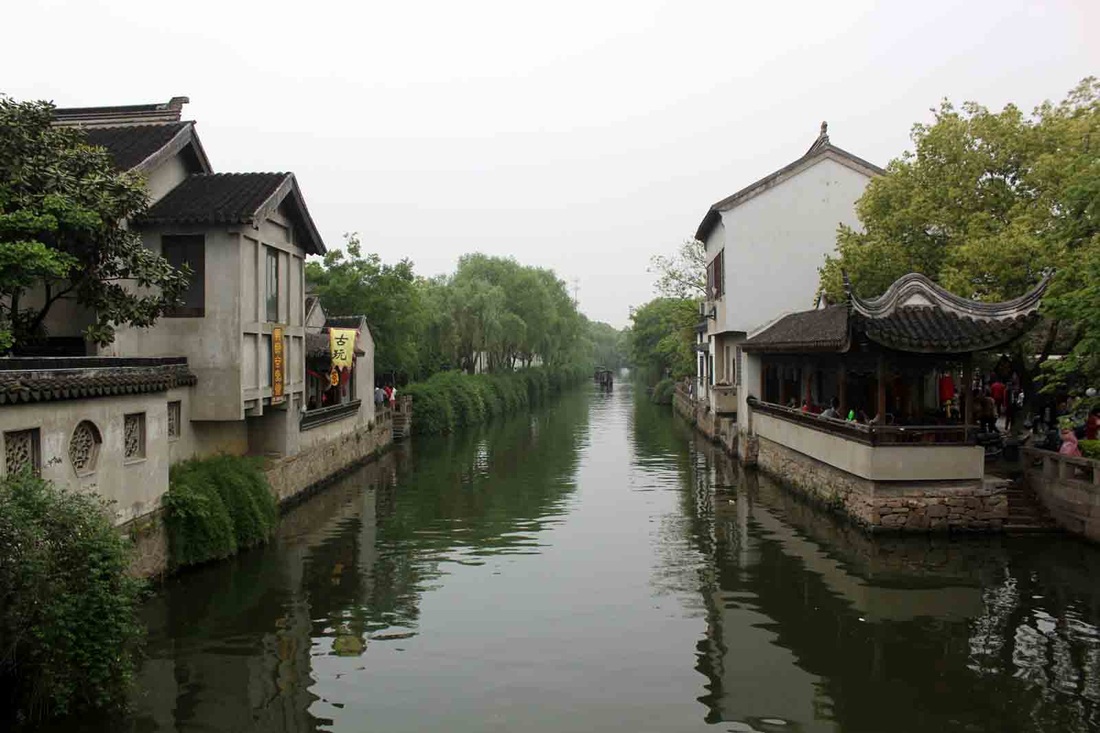
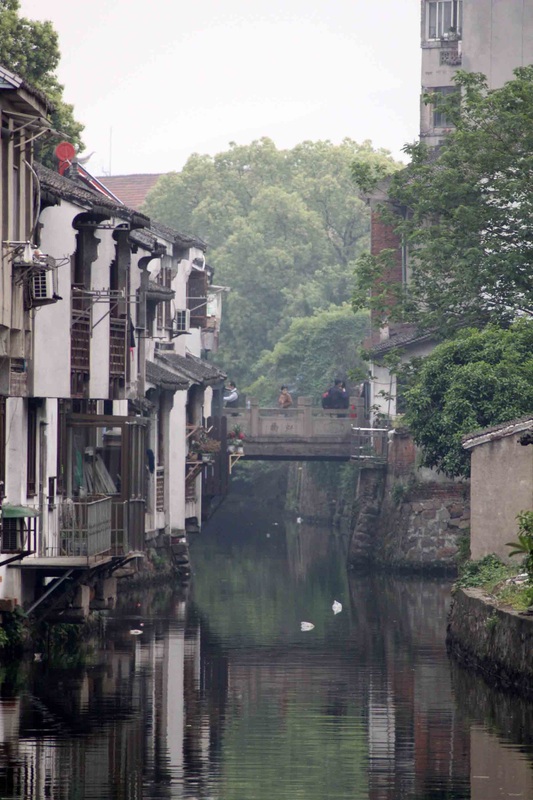
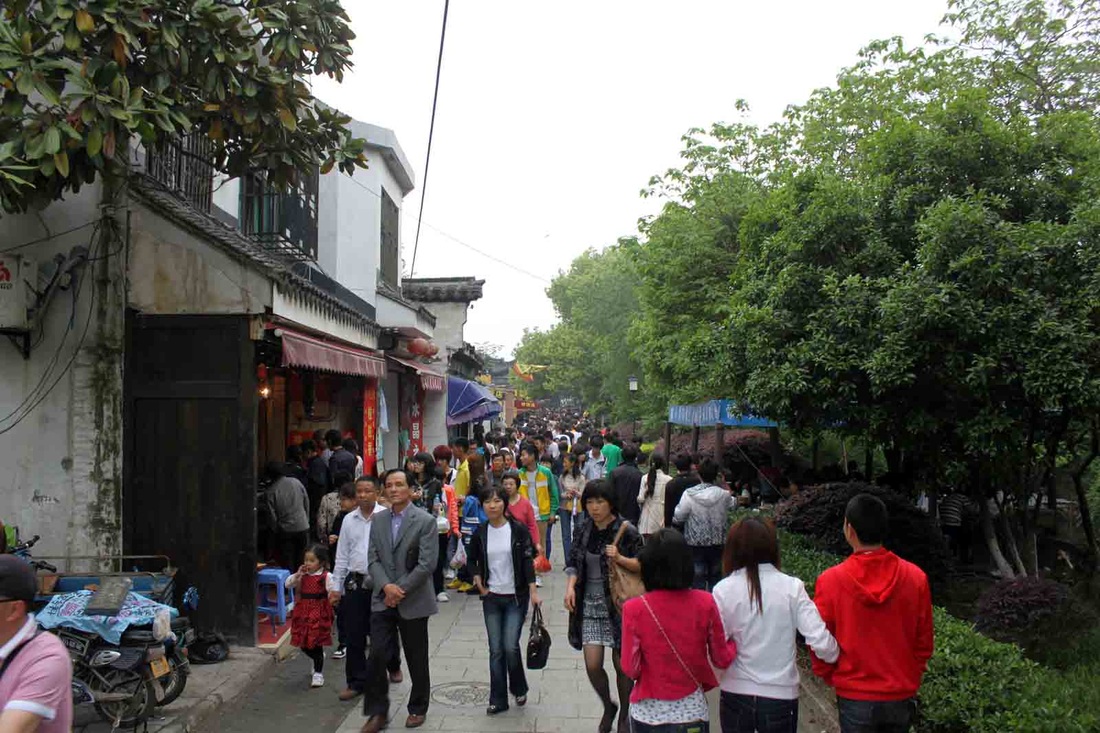
Much to the surprise to visitors, the entrance to the ancient town of Mudu is adorned with a myriad of KTV bars and restaurants selling local fanfare. As one walks through the piles of fruit skins that have been carelessly thrown by local vendors on the same paths on which previous Chinese emperors have walked on, you realise that Mudu is most definitely different from all the other water towns that you may have come across.
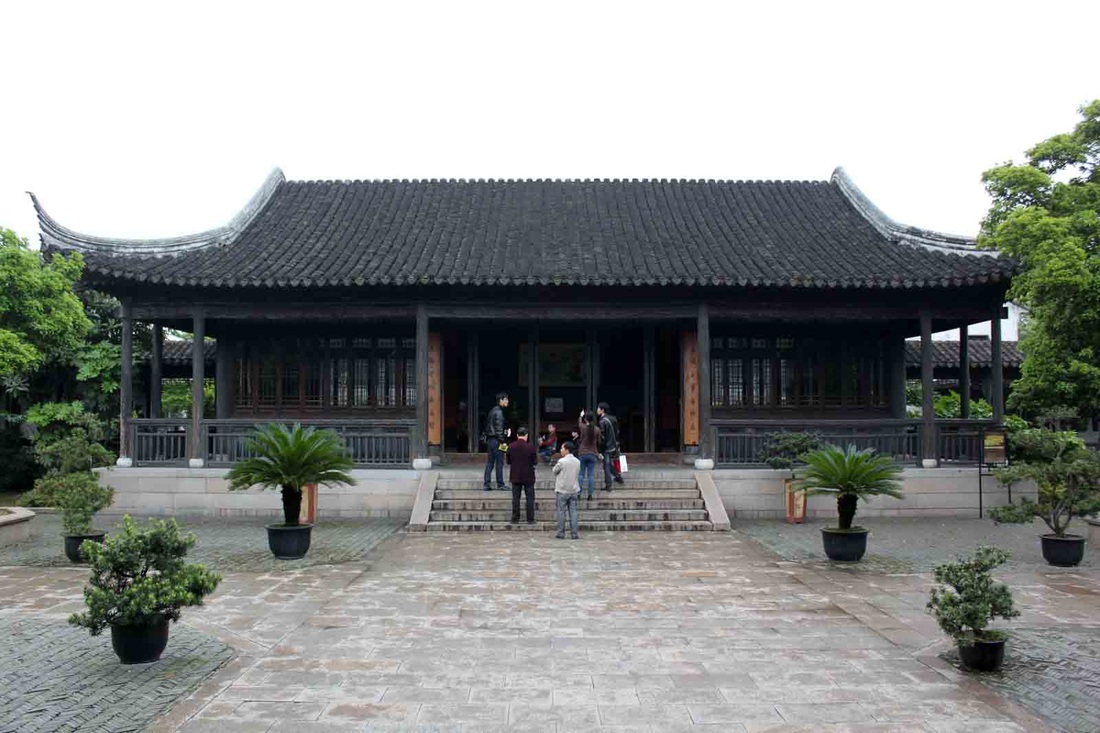
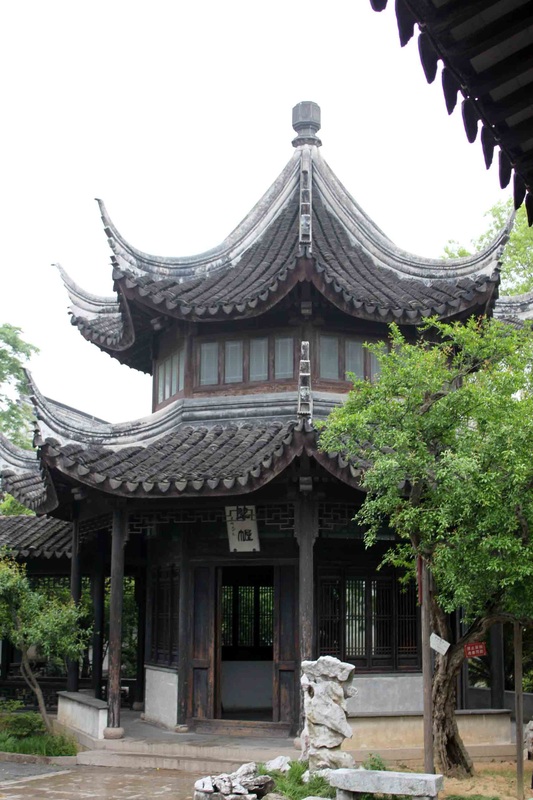
Among the things to see of interest to the world traveller would be The Hongyin Mountain Villa. It’s is a famous private garden dating back to the reign of Qianlong in the Qing Dynasty. The beauty of its rockeries, brooks, and the splendours of its nature (trees, plants etc), pavilions, and pond for surpass other gardens. The key point to mention is that the Emperor Qianlong had been to the Hongyin Mountain Villa six times during his six visits to the south of the Yangtze river.
At this spot he landed from the boat, toured the garden and saw the performance of the plays. An escort of Qing officials including Liu Yong stayed at the Hongyin Mountain Villa twice, leaving numerous storeys behind. The villa is made up of two Ming gardens: The garden of beautiful wilderness, and the Small hermit garden. By the end of the Qing Dynasty part of the small hermit garden became the residence of the embroidery queen Shen Shou.
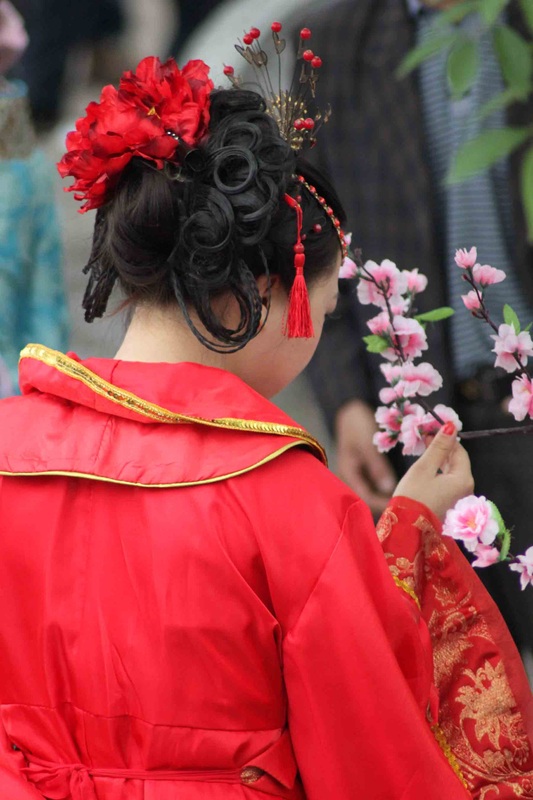
Then there is the splendid Yanjia Garden which was originally the residence of the famous scholar Shen Deqian in Suzhou during the reign of Emperor Qianlong in Qing Dynasty (1644-1911). It has been reconstructed many times to make sure that it retains its beauty. The town is popular with young people who want to dress up in costume and pay homage to emperor Qing (and his empresses!).
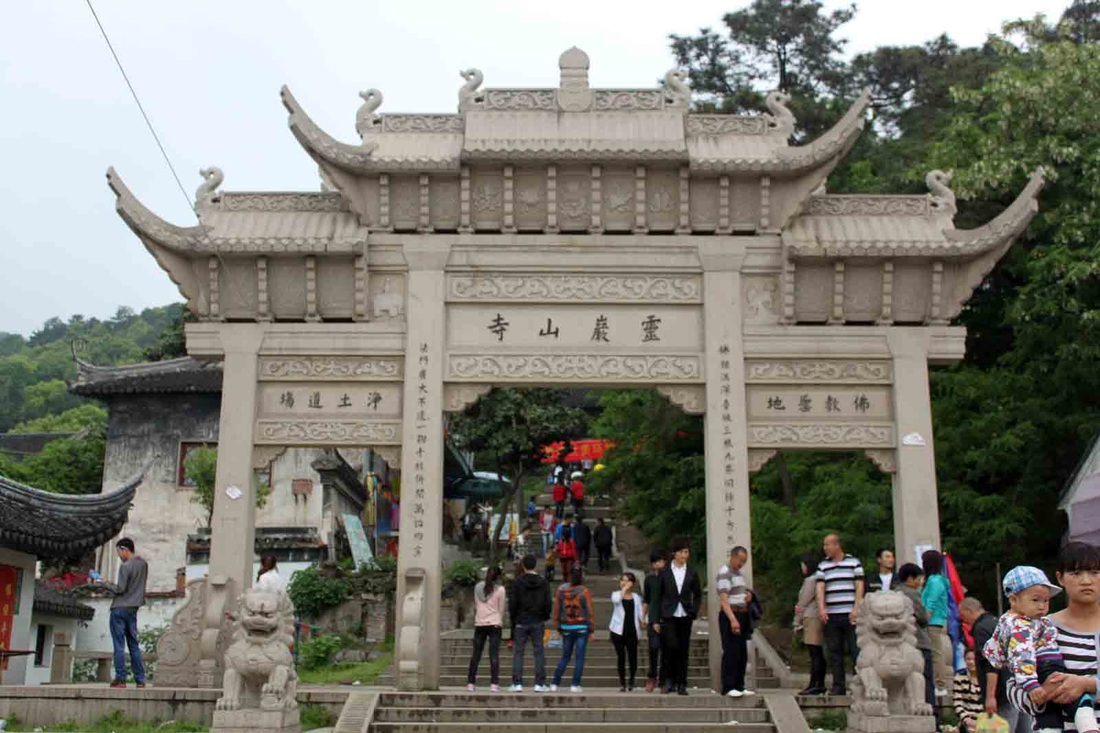
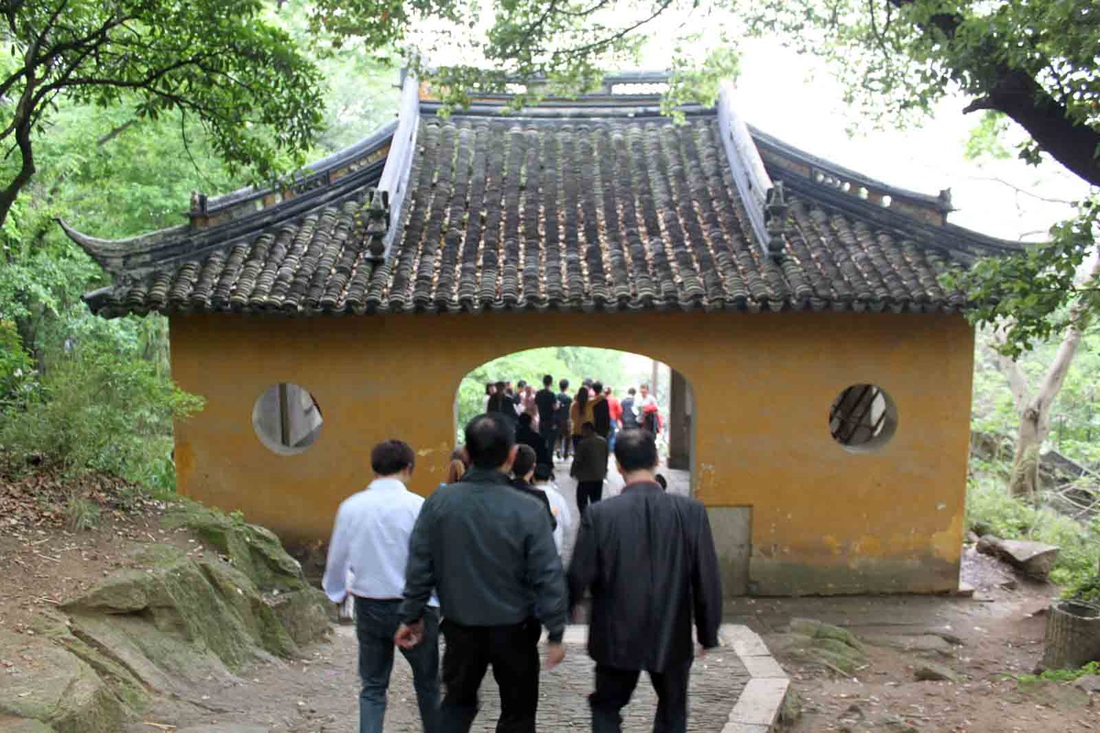
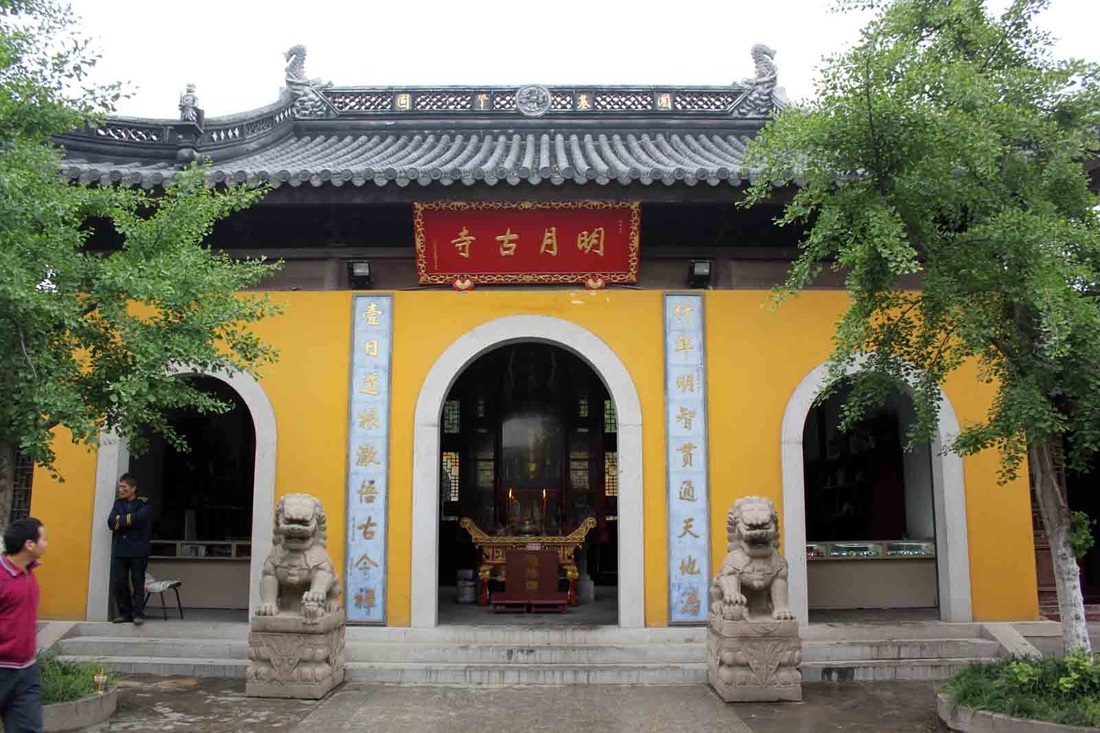
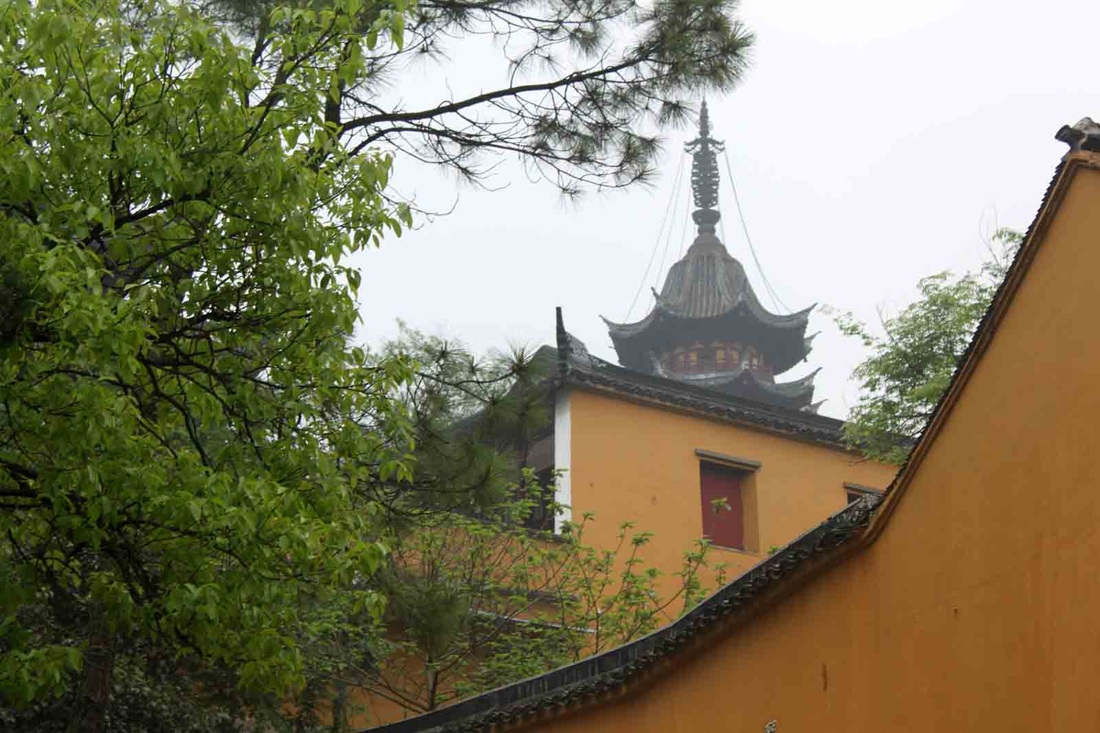
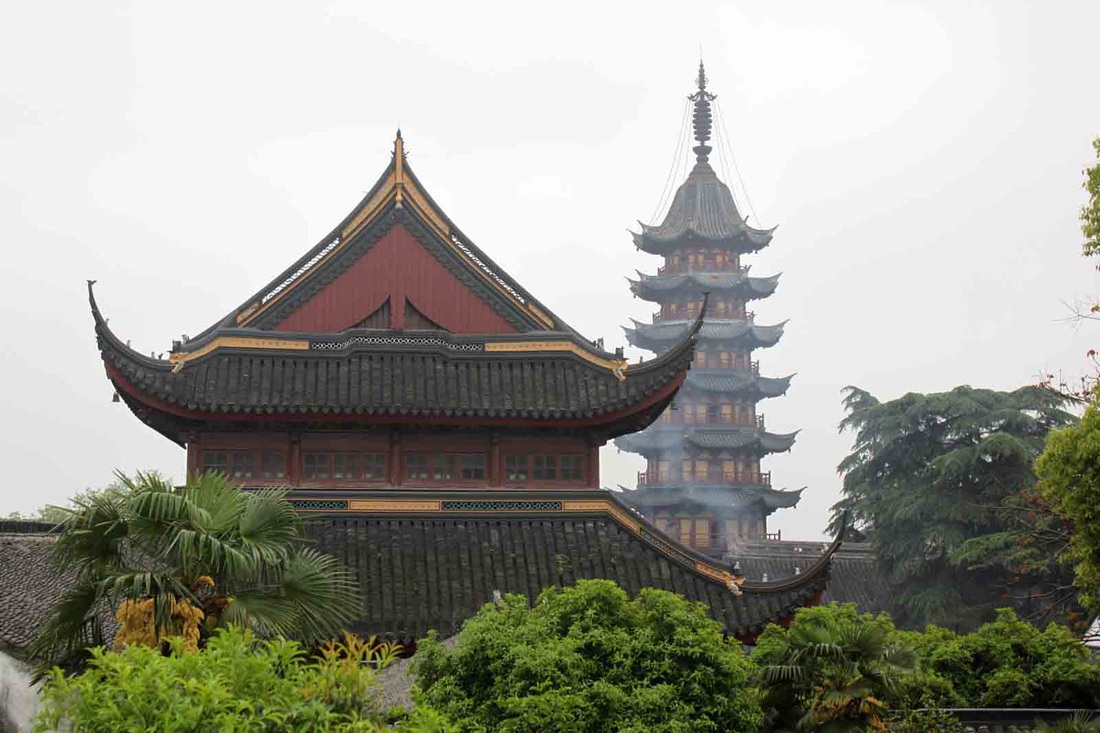
Apart from the ancient town of Mudu itself, there is a beautiful hill that one can climb to take in aspiring views of the town and beyond from the peak. The 182 meters high Lingyan Mountain (Spirit Rock Mountain) is situated in the suburban area of Mudu. The journey to the peak, where there beautiful Lingyan Temple is located, takes around an hour. The small path up to the top of the peak is constructed with rocks. Located just behind the temple is a magnificent Duobao pagoda (which was closed at the time of my visit). The path to the top of the hill is made up of numerous bamboo trees (planted, and not natural). The path can be somewhat steep at times so it’s best to wear a strong yet comfortable footwear (business shoes and suit would not suffice as I saw some locals wearing). Leave the Armani gear at home, if you are coming to hike.
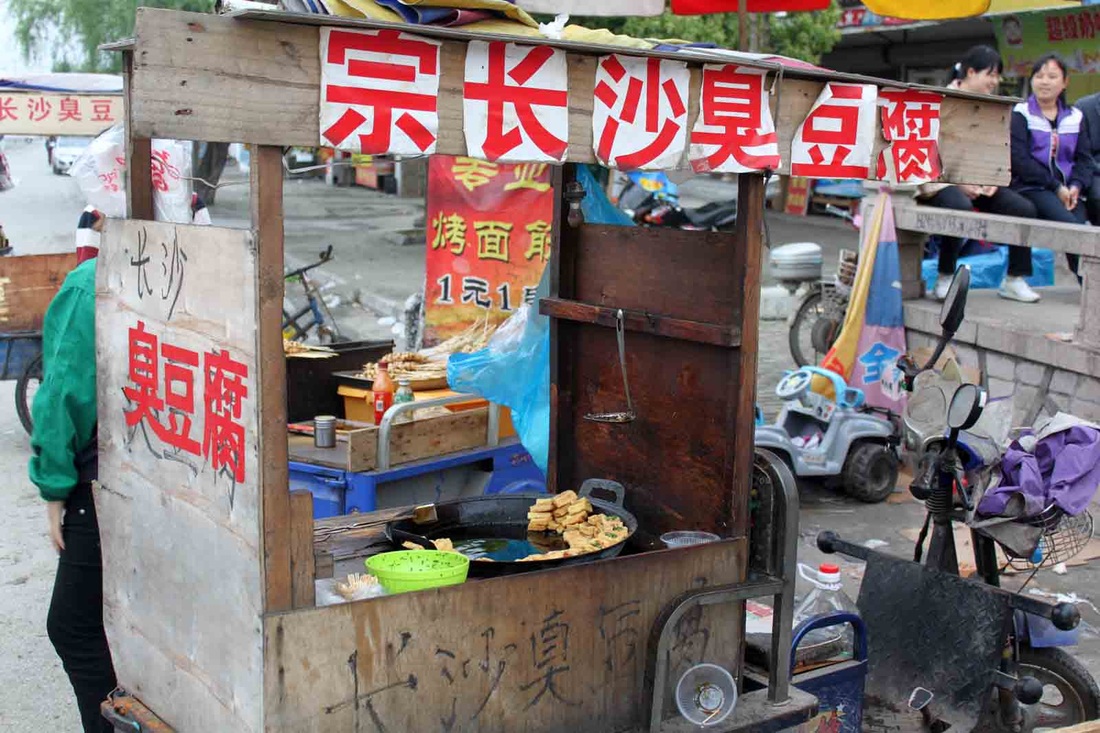
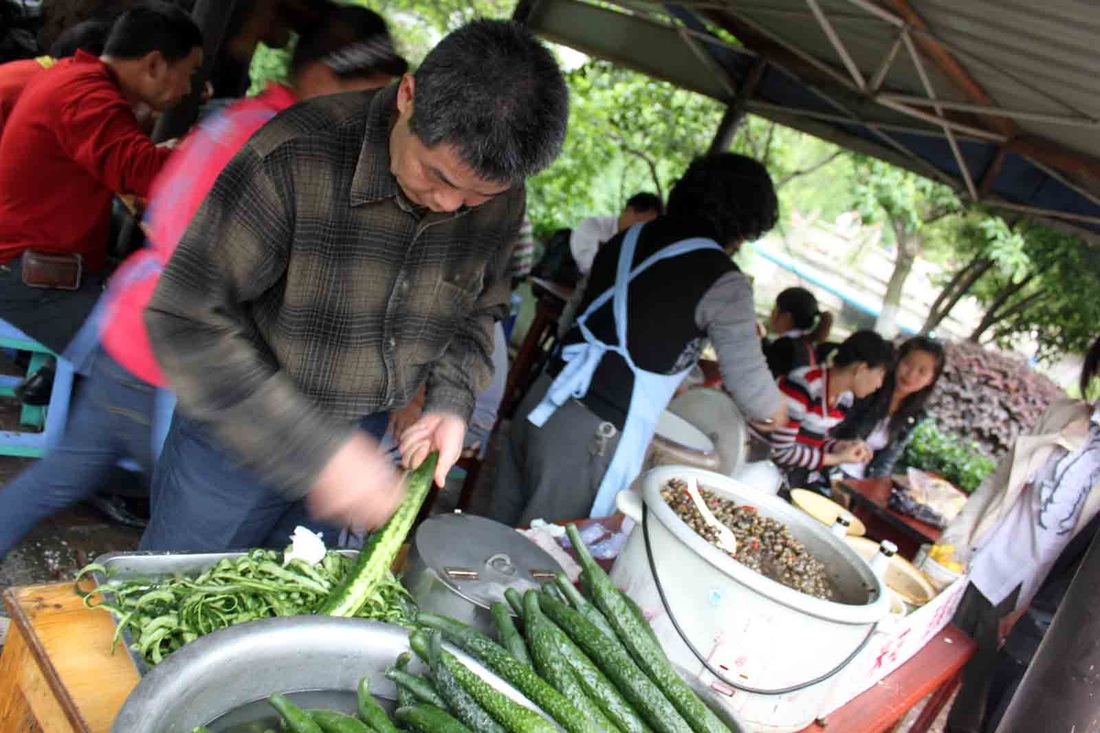
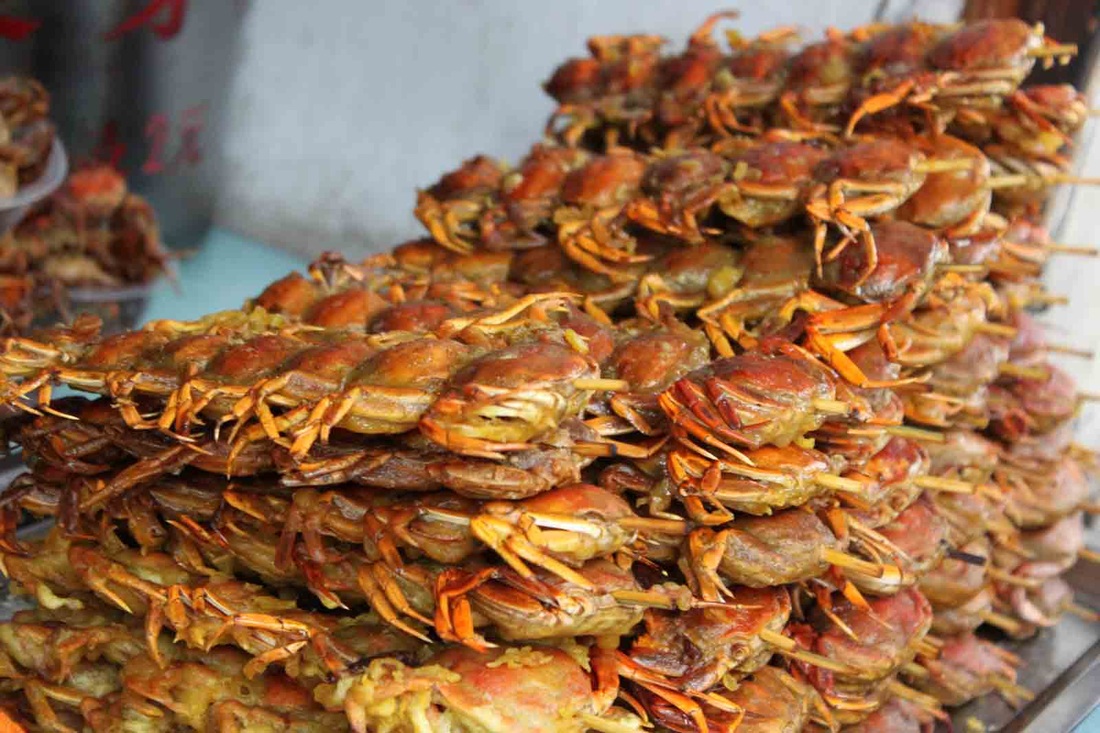
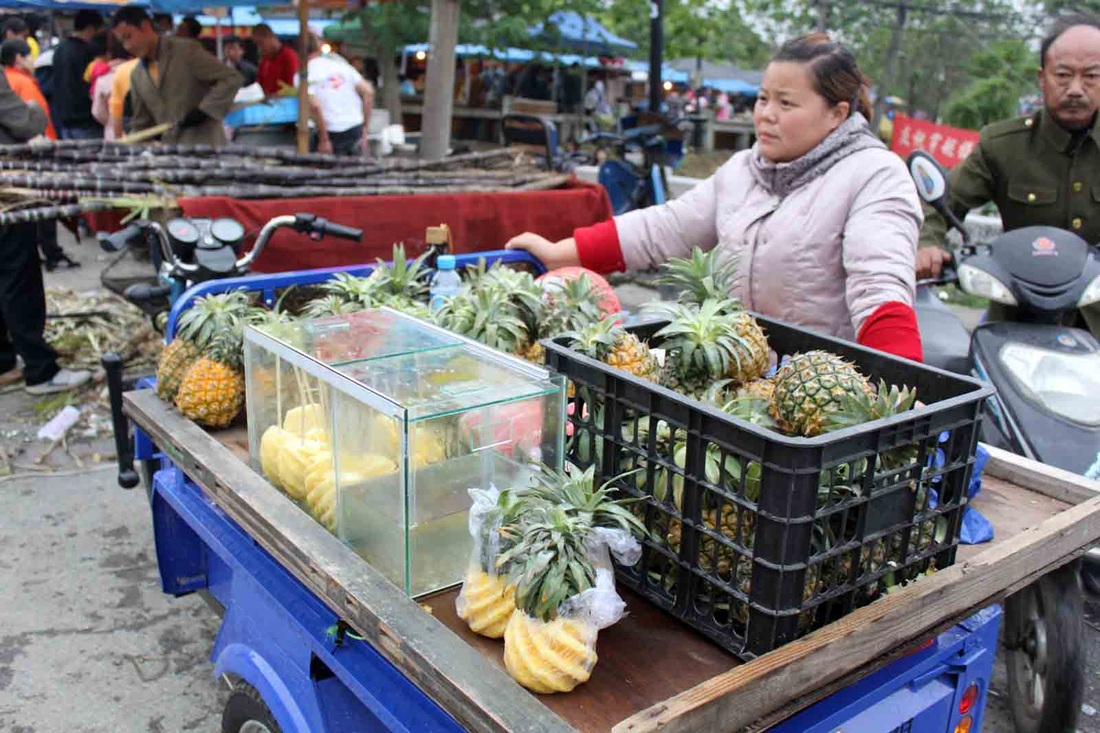
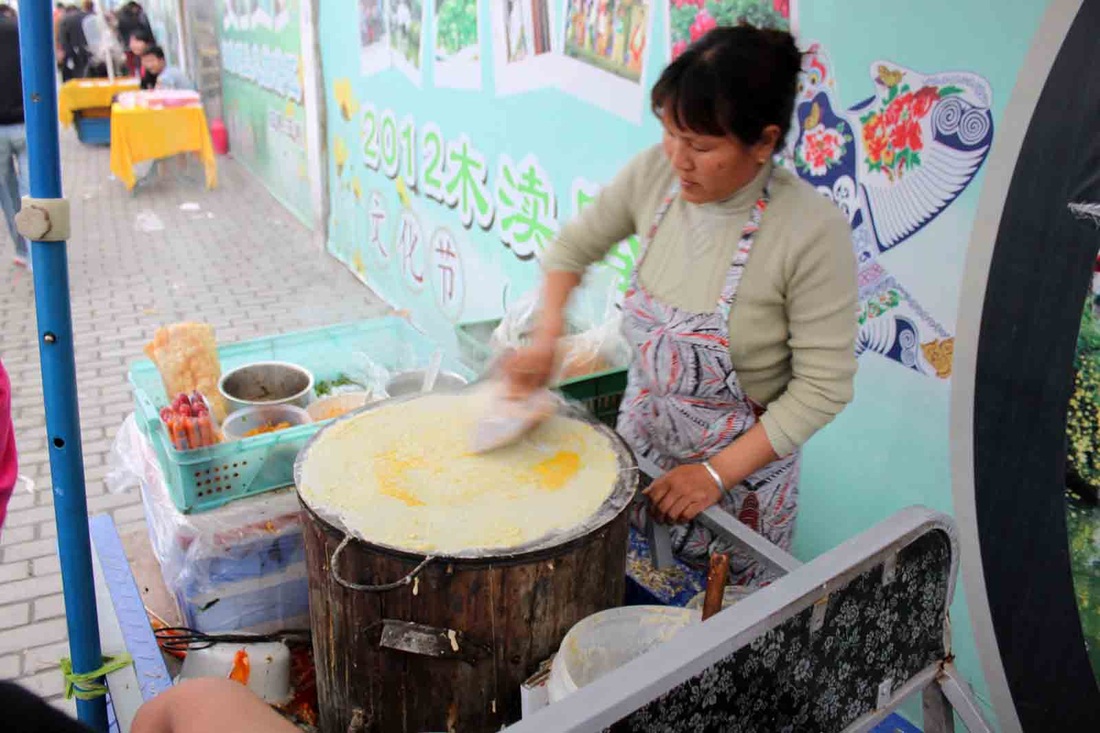
At the feet of the mountain you’ll be welcomed by a very colourful scene composed of numerous street food vendors selling everything under the sun from freshly cut pineapple slices to stinky tofu (I honestly can’t stand that stuff after all these years in China).
Prepare around two hours to see Mudu ancient town, and around three hours to explore the Lingyan Mountain at gentle pace.
How did I get to Mudu?
I took bus number 2 from downtown Suzhou (just near XinJia Hua Yuan on Xian Dai Dao). The bus stops right outside of Mudu ancient town, at the footsteps of Lingyan Mountain. The journey took around an hour one way from downtown Suzhou to Mudu. Visitors can also comfortably take line 1 metro to the last stop of Mudu, from where a 5-minute taxi would be suffice.
This was published on TheTravelEditor.com


RSS Feed