Artists in Xiaozhou Village: Copyright Navjot Singh
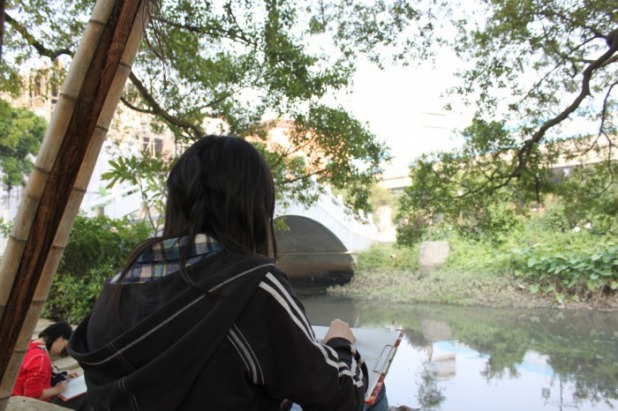
I had heard about Xiaozhou, a small village on the outskirts of Guangzhou city in Southern China, as being a popular re-treat for artists and poets. I was told that its quite, beautiful and clean. However, I am sorry to say, but I was rather disappointed when I finally got there. It was quite and beautiful- but certainly not clean (especially the river which seems never to have been cleaned- and gives off a horrible stench). The tourist map in my Hotel (The China Hotel by Marriott in Guangzhou) recommends its guests to visit this village, provided they have seen all the other tourist attractions in the city.

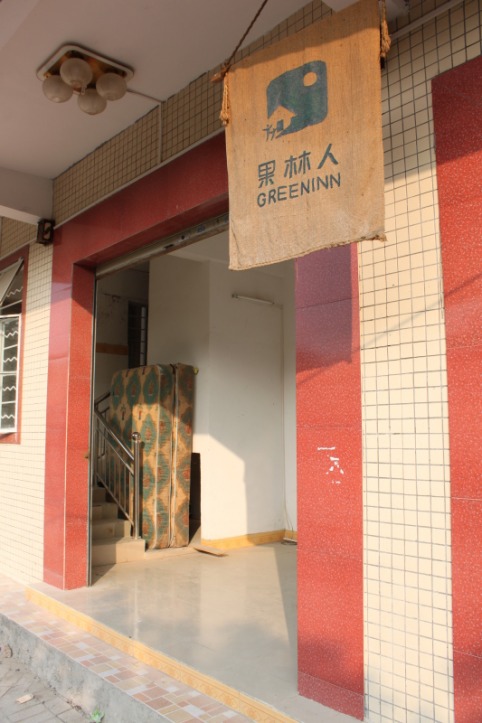
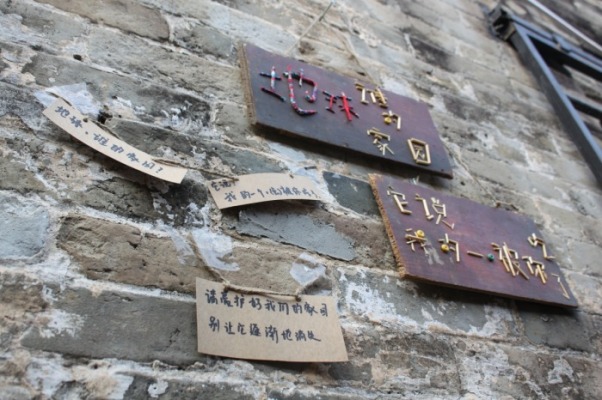
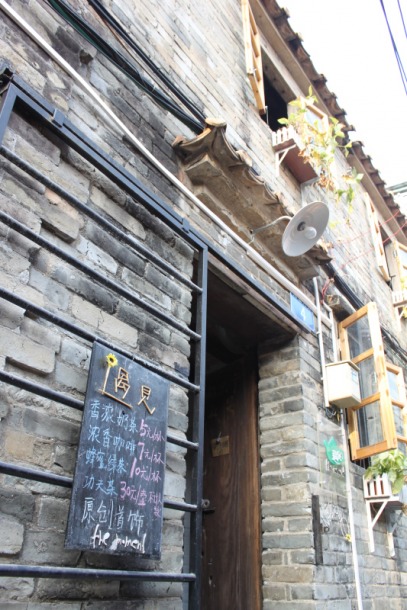
Xiaozhou's only 'hostel' - made for students and artists who want to stay overnight: Copyright Navjot Singh

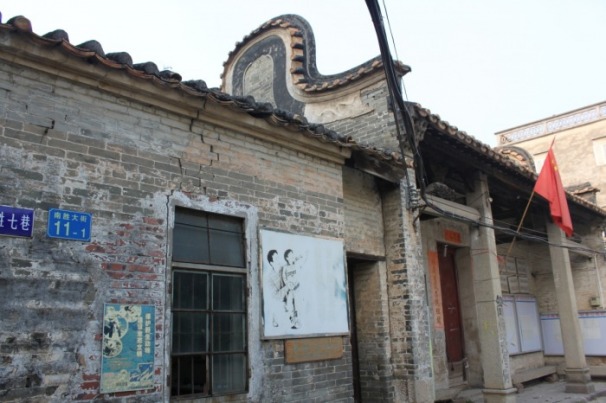
Old Xiaozhou Village: Copyright Navjot Singh
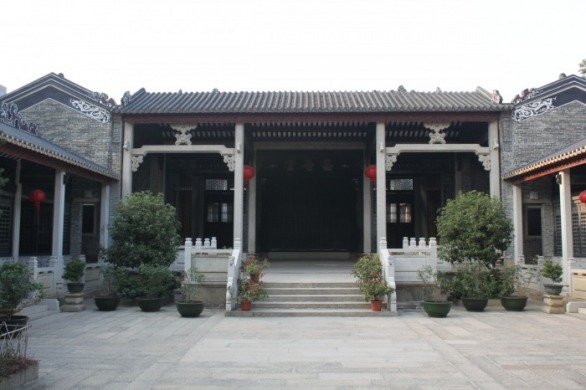
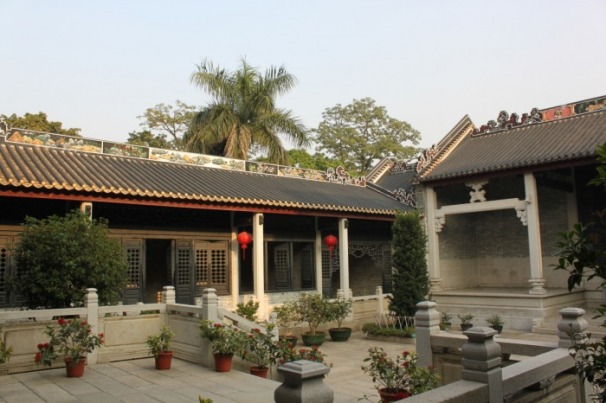
Xiaozhou Village features classical Cantonese community landscapes by water, including canals, well-kept ancient buildings, bridges and local folkways. The only major disappointment with Xiaozhou is that the river is not clean and gives off a horrible stench. So if someone comes to Xiaozhou in search of a beautiful river, they will be let down. Other than this, it is worth visiting.
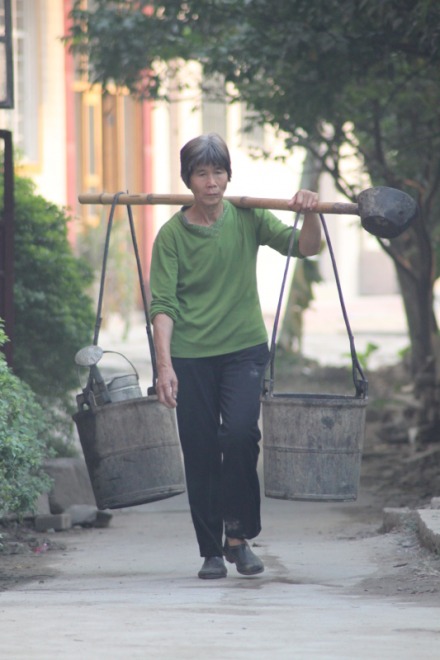
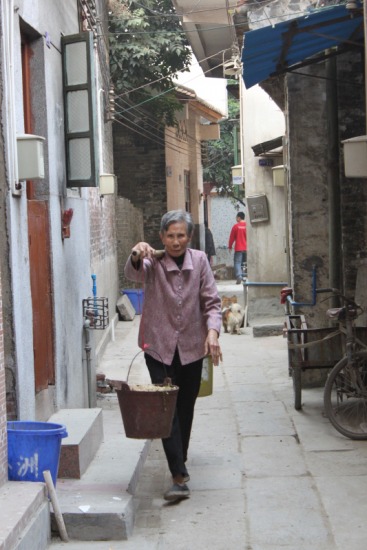
Don’t get me wrong- Xiaozhou Village is not a museum, or an official tourist attraction, but people actually live there. Most of the residents are elderly folk who have maintained their ways of living for centuries. It’s almost as if time has stopped in Xiaozhou. While the rest of Guangzhou has moved on at a rapid pace, life in Xiaozhou is slow, and has a somewhat routine to it. Xiaozhou is a small and close-knit community.
Everyone knows each other, and gossip travels fast amongst the old folk. Being a small and quite village also means that you can hear people arguing or shouting in another part of the neighbourhood. For example you may be in one part of the village and can still hear someone practicing Cantonese Opera loudly in another household!! If you ever want to taste what living in China must have been like, say, in the 1980s, then take a short trip to Xiaozhou!

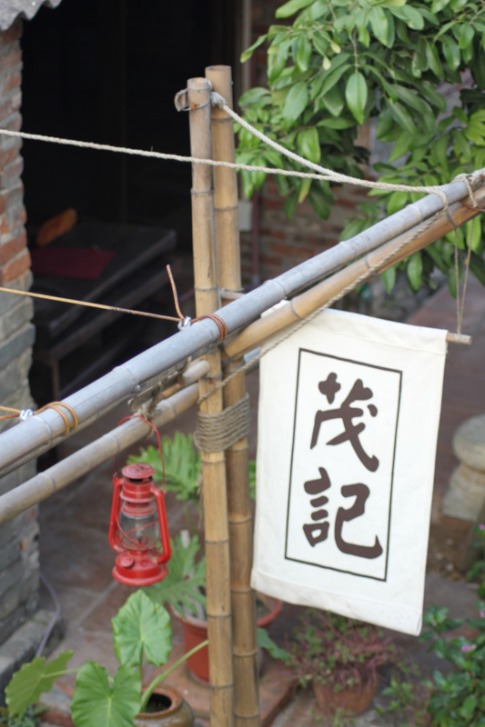
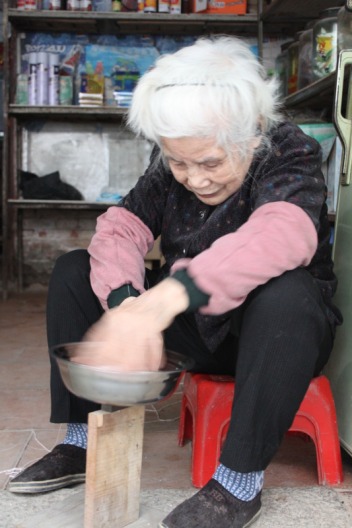
Traditional Methods are still used in Xiaozhou: Copyright Navjot Singh

Xiaozhou Village: Copyright Navjot Singh
I took Line 3 Metro to Kecun station, and then bus 252 to Xiaozhou (it is 11 stops to Xiaozhou Village from Kecun, and costs 2RMB). The hour long bus journey from Kecun station to Xiaozhou village snakes its way between some of the most deprived areas of Guangzhou. Most people who got onto the bus at some of the stops on the way would look at me in curiosity as they most probably have never come across a non-Chinese person before. It just makes you wonder about the stark contrast between the high rise life of the city centre and the village life on the outskirts, where a family of four can survive on a salary of around 200RMB a month (compare this with a average monthly salary of around 4000RMB for a white collar worker).

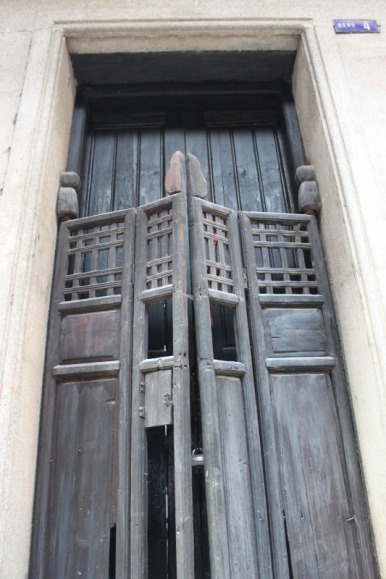
Traditional House: Copyright Navjot Singh

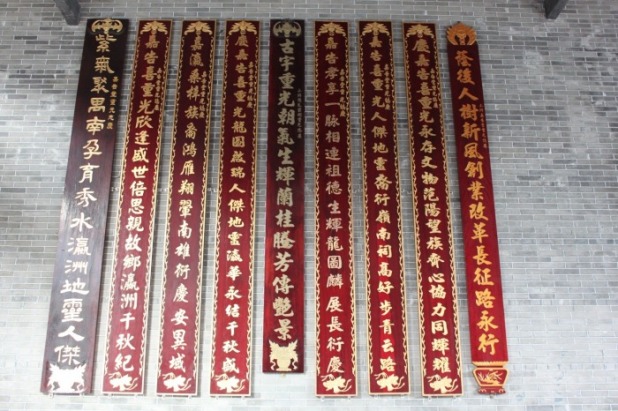
Scripts inside the Temple in Xiaozhou: Copyright Navjot Singh

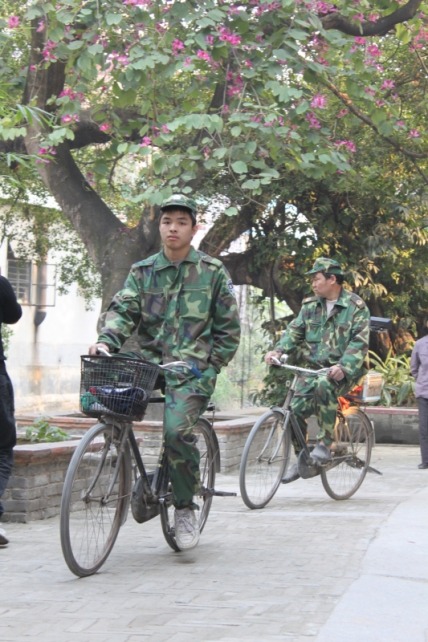
Army cadets cycling in Xiaozhou: Copyright Navjot Singh

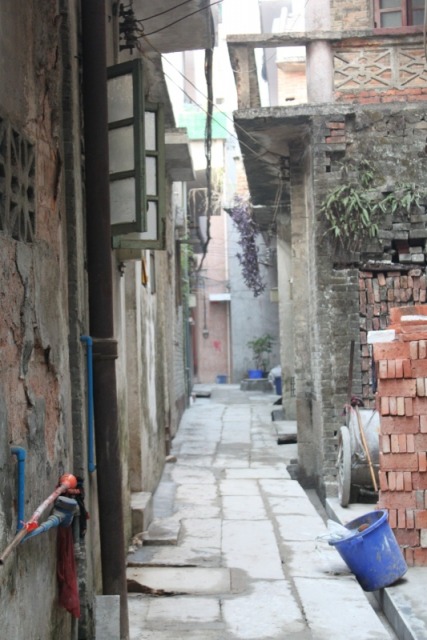
A typical side path in Xiaozhou: Copyright Navjot Singh

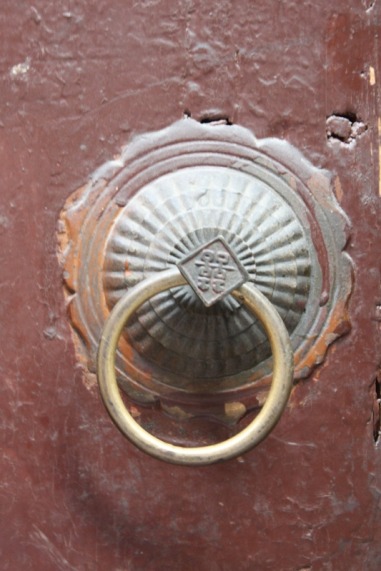
A typical doorhandle in Xiaozhou: Copyright Navjot Singh

Copyright Navjot Singh

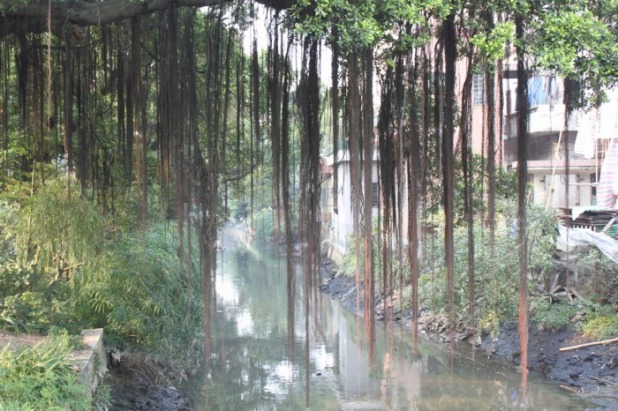
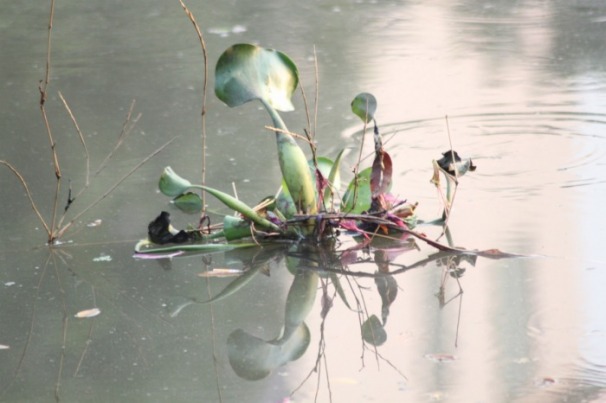
The presence of this plant, gives the river in Xiaozhou a rare glimpse of beauty: Copyright Navjot Singh